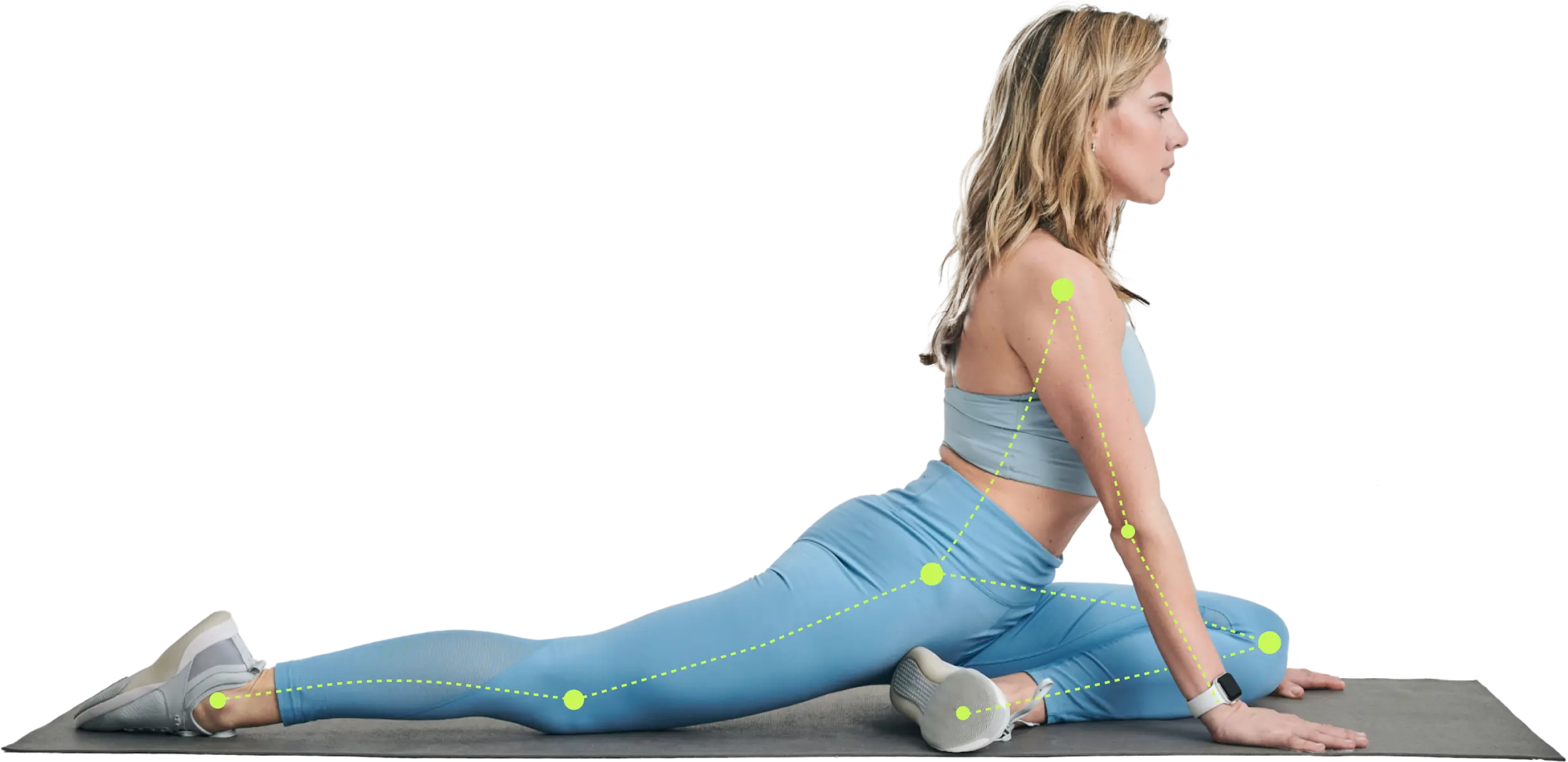
Should you eat before or after a workout to get the most gains? We explore the benefits and drawbacks of each approach, helping you make the best choice for your fitness goals.
![Should You Eat Before or After Working Out? [Nutrition Tips]](/_next/image?url=https%3A%2F%2Fwww.zing.coach%2Flibrary%2Feat-before-or-after-working-out-preview.jpg&w=3840&q=75)
Proper nutrition is crucial for optimizing your workout performance and recovery. One of the most common questions among fitness enthusiasts is whether it’s better to eat before or after a workout. The answer isn’t one-size-fits-all—it depends on factors like your fitness goals, the type of exercise, and your body’s unique responses. In this article, we’ll explore the pros and cons of eating before and after exercise, supported by scientific research and expert opinions.
Benefits of Eating Before Exercise
Let’s dive into why fueling up before a workout might be the right choice for you. From boosting your energy levels to enhancing your performance, pre-exercise nutrition has several benefits that could take your training to the next level.
Increased Energy Levels
Consuming carbohydrates before a workout can elevate your blood sugar levels, providing the energy needed for high-intensity or endurance exercises. This ensures adequate glucose availability during exercise, thus sustaining energy levels and potentially enhancing endurance, particularly for longer duration activities.
Improved Performance
For athletes and individuals engaging in long-duration exercises, pre-exercise carbohydrate ingestion can improve performance by ensuring continuous energy supply, particularly in exercises lasting more than 60 minutes. The strategic consumption of carbs can reduce fatigue and maintain higher intensity levels throughout the session.
Preservation of Muscle Mass
Eating protein-rich foods before exercising can help preserve muscle mass by providing essential amino acids for muscle protein synthesis during your workout. This is crucial for both muscle repair and growth, establishing a favorable anabolic environment.

Drawbacks of Eating Before Exercise
Digestive Discomfort
Eating a large meal too close to your workout can cause gastrointestinal discomfort, bloating, and even nausea. It’s recommended to have a pre-workout meal 1-2 hours before exercise to avoid such issues and optimize nutrient absorption.
Timing Challenges
For morning exercisers, it can be challenging to wake up early enough to eat and allow time for digestion. Choosing easily digestible, low-fiber carbohydrates and proteins can help mitigate this issue and provide the necessary energy without the discomfort.
Benefits of Eating After Exercise
Now, let’s explore the recovery phase. Eating right after your workout isn’t just about filling up; it’s about repairing, rebuilding, and replenishing your body to strengthen and improve recovery times.
Enhanced Recovery
Post-workout nutrition is vital for recovery. Consuming a mix of carbohydrates and proteins within two hours of exercising can help replenish glycogen stores, repair muscle tissues, and promote muscle protein synthesis, essential for muscle recovery and growth.
Muscle Growth
Protein intake after exercise is crucial for muscle synthesis. Studies show that consuming protein soon after a workout can significantly enhance muscle growth and repair by promoting a positive muscle protein balance.
Rehydration
Eating after exercise also involves rehydration. Drinking fluids post-exercise is essential for replacing electrolytes lost during your workout and aiding overall recovery.

Drawbacks on Eating After Workouts
Missed Opportunity for Pre-Workout Benefits
Skipping pre-workout nutrition might mean missing out on the benefits such as increased energy levels and improved performance, particularly important for endurance or high-intensity training (source).
Overeating
There’s a common misconception that one needs to overeat post-workout to recover. While it’s important to replenish, consuming more calories than expended can lead to weight gain, counteracting the benefits of exercise.
Fasted vs. Fed Exercise: What Does the Research Say?
What’s better: hitting the gym on an empty stomach or having a snack beforehand? This section breaks down the science behind fasted and fed exercise so you can make the best choice for your body and goals.
Fasted Exercise
Exercising in a fasted state is believed to increase fat oxidation, which might be beneficial for fat loss. However, it does not necessarily translate to greater long-term fat loss and might reduce performance and endurance.
Fed Exercise
Eating before exercise tends to improve performance, especially in endurance activities. Carbohydrates consumed before a workout provide immediate energy, enhancing your ability to perform at higher intensities for longer durations.
Short-Duration vs. Long-Duration Exercise: Does It Matter?
Duration matters when it comes to eating before exercise. This section discusses how the length of your workout influences whether you should eat beforehand and what foods might be most beneficial.
Short-Duration Exercise
For workouts lasting less than an hour, the benefits of pre-exercise eating are minimal. However, a small snack might still provide a performance edge for some individuals.
Long-Duration Exercise
For long-duration activities like marathon running or long-distance cycling, consuming carbohydrates three to four hours before exercise can improve endurance and delay the onset of fatigue.
Eating During Workout
For workouts exceeding an hour, especially high-intensity vigorous workouts, consuming 30 to 90 grams of carbohydrates per hour is recommended to maintain optimal performance and endurance.
Personal Preference: The Deciding Factor
Ultimately, whether you should eat before or after a workout may come down to personal preference and how your body responds. Some people feel sluggish if they eat before exercising, while others feel weak without food. Listen to your body and adjust your nutrition strategy accordingly to support your fitness goals and improve overall health. Personalize your pre-exercise nutrition to maximize training responses and performance, taking into account individual metabolic responses to different types and timing of nutrient intake. Maintaining such interventions like caloric restriction might be challenging over time, thus highlighting the importance of feasible and enjoyable diet and exercise regimes that individuals can sustain long-term.
Consider both diet and physical activity as integrated lifestyle factors rather than isolated behaviors. This integrated approach can potentially enhance the benefits for cardiovascular and overall metabolic health.
What’s the Best Approach for You?
The decision to eat before or after working out depends on your specific goals, the type of exercise you’re doing, and your body’s unique needs. If your goal is fat loss, fasted exercise might be beneficial, but it’s not a magic bullet. For improved performance and muscle recovery, eating before and after exercise with a focus on balanced nutrition is key.
Regardless of your choice, make sure to stay hydrated, consume a mix of protein and carbohydrates, and pay attention to how your body responds. Remember, the best nutrition strategy is one that aligns with your goals and makes you feel your best during and after your workouts.
Share this article


Authors


Medically reviewed
Walter GjergjaShaolin Master, Sports Master, former professional athlete, training advisor to Olympic and World Champion athletes, wellness and performance author.
![Fueling Fitness: Zing’s Guide to Shakes and Supplements [Nutrition]](https://www.zing.coach/library/protein-shakes-supplements-preview.webp)
![15 Immune-Boosting Fall Foods [Healthy Nutrition]](https://www.zing.coach/library/15-immune-boosting-fall-foods-preview.png)