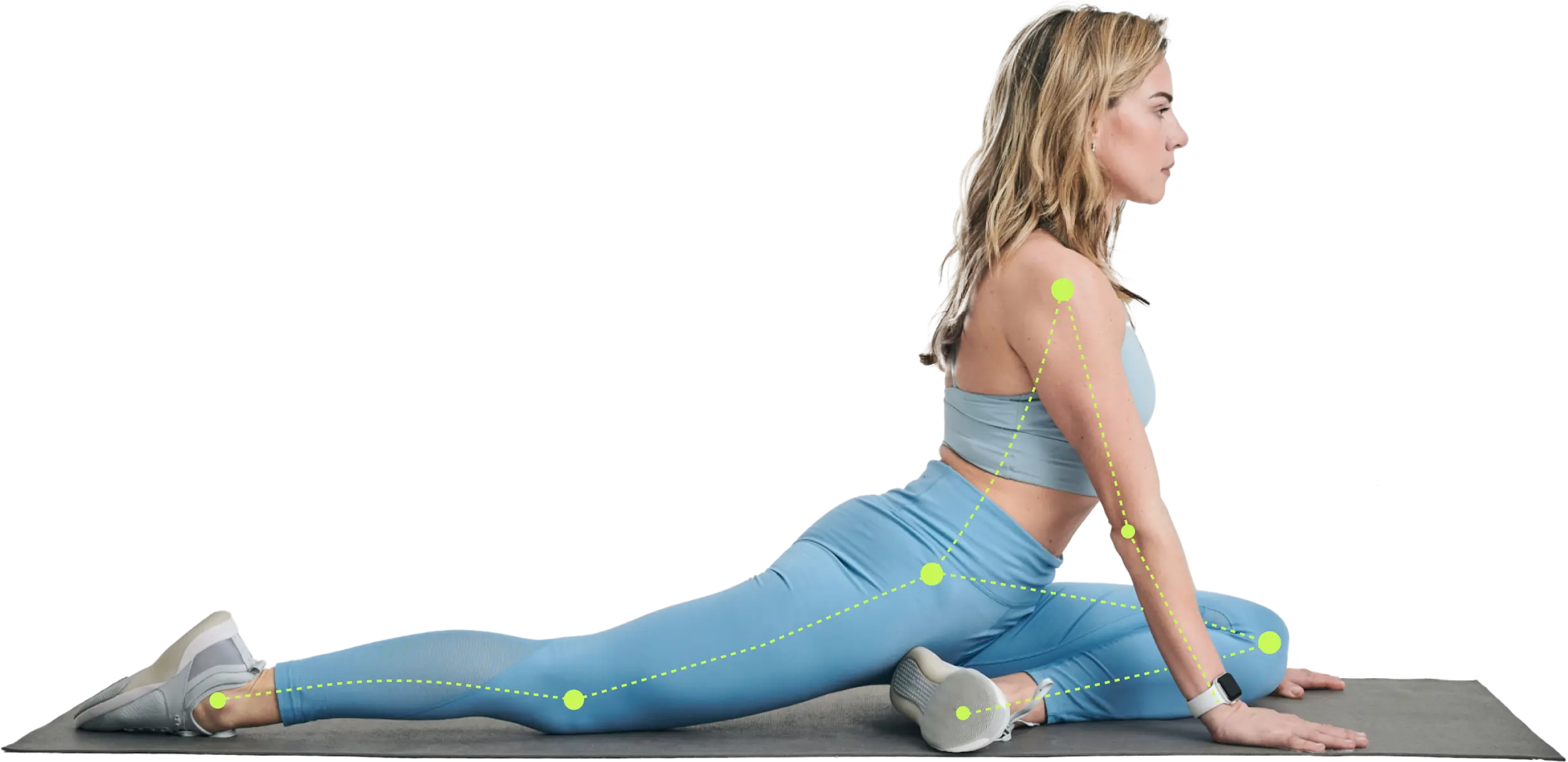
No reverse hyper? Find the best reverse hyper substitute for your goals and equipment. Build a stronger posterior chain with these 7 effective exercises.
What are you trying to replace when you look for a reverse hyper substitute?
That question gets better answers than asking which exercise looks closest to the machine. Some lifters need glute and hamstring work with less spinal loading. Some need a rehab-friendly hinge they can control. Others just need a hard posterior chain exercise that fits a commercial gym, a home gym, or an empty patch of floor.
The distinction is important. A reverse hyper substitute can be excellent for one job and mediocre for another. Trap bar deadlifts are great for strength, but they do not fill the same role as a low-load restoration drill. Stability ball back extensions make sense for beginners, deconditioned lifters, or some rehab settings, but they are not a serious heavy-loading option for advanced posterior chain development.
Equipment changes the decision just as much as training goal. In a commercial gym, you can usually choose between machines, cables, bars, and sleds. In a home gym, the best option is often whatever lets you train hip extension hard with the tools you already own. If that is your setup, these home alternatives for a gym bench can help fill a few gaps.
Exercise selection also depends on what tissue you want to bias and how much loading you can recover from. Open-chain straight-leg work usually feels different from closed-chain hinges. It often gives a stronger glute and hamstring pump with less total loading, while deadlift and good morning variations usually win when the goal is strength. If you want a hamstring-dominant option that overlaps well with this category, glute-ham raises are worth considering.
That is the filter for the list that follows. Pick the substitute that matches your equipment, your current tolerance, and your main goal, whether that goal is strength, hypertrophy, or a safer return to hip extension work.
1. Glute-Ham Developer GHD Machine
If your gym has a GHD, use it. It’s one of the closest high-value options when you want a reverse hyper substitute that still hammers the glutes, hamstrings, and spinal erectors with very little setup.
The reason it works is simple. The machine fixes your lower body in place and lets you challenge hip extension through a long range of motion. You don’t get the same swinging pattern as a reverse hyper, but you do get serious posterior chain demand and easy progression from bodyweight to loaded work.
Best fit and trade-offs
This is the commercial gym and CrossFit box option. It also shows up in some physical therapy clinics because coaches and therapists can scale it from very basic to very nasty. A beginner can start with a short-range hip extension. An advanced lifter can load GHD hip extensions, back extensions, or glute-ham raises and get all the posterior chain work they can handle.
The downside is that GHD work gets ugly fast when people overestimate their strength. Hamstrings usually complain before anything else. If you dive into full-range reps too early, soreness can derail the rest of your week.
Practical rule: If you can’t control the lowering phase, the exercise is too advanced for you right now.
For lifters who want a more hamstring-dominant variation, glute-ham raises are one of the best places to start.
How to use it well
Bodyweight first. That isn’t caution for caution’s sake. It’s the fastest way to learn where your pelvis, ribs, and hips should be during the rep. Individuals often either overextend the low back or turn the movement into a loose swing.
A few cues matter more than everything else:
- Set the pad correctly: Your hips should clear the pad enough to fold and extend cleanly.
- Keep the ribs down: That helps you train hip extension instead of dumping into lumbar extension.
- Move smoothly: Don’t bounce out of the bottom.
- Stop short of cramping: Hamstring cramps usually mean you’re forcing range you haven’t earned.
Goal-based use
For strength, load the movement after your main squat or deadlift work. For hypertrophy, moderate reps with full control work better than sloppy heavy sets. For rehab or rebuilding, shorten the range and own every inch.
I like the GHD most for intermediate and advanced lifters who already know how to brace. It’s less useful for someone who wants spinal decompression and more useful for someone who wants brute-force posterior chain development in a controlled station. If your gym has one, it’s often the cleanest non-machine replacement.
2. Cable Pulley Back Extensions
Cable back extensions are underrated because they don’t look impressive. That’s exactly why they work well. You get constant tension, easy loading changes, and a setup that can be dialed down for rehab or pushed harder for muscle-building work.
This option shines in home gyms with a functional trainer, in commercial gyms that lack a reverse hyper, and in clinic settings where a therapist wants more control than free-weight hinges allow. It’s not flashy. It’s practical.
Why the cable changes the feel
A cable creates resistance through the entire rep instead of only at the top or bottom. That matters if you’re trying to feel the glutes and hamstrings doing the work instead of just surviving the hinge. It also lets you keep your torso angle and range of motion more consistent.
Set it up from a low pulley. You can do it bent over while facing away from the stack, or on a Roman chair if your gym has that attachment. In both cases, the cable should pull you into hip flexion while you resist and extend.
What I like most here is the control. You can slow the eccentric, pause where people usually lose position, and teach someone to finish with the hips instead of the low back.
Where it fits best
This is a strong reverse hyper substitute for three groups:
- Beginners: They can learn the hinge with less intimidation than a barbell.
- Rehab lifters: They can work in pain-free ranges and avoid aggressive spinal loading.
- Busy gym-goers: They can train the posterior chain hard without waiting on specialty equipment.
Smooth cable tension often makes people aware of form mistakes they can hide with momentum on free-weight exercises.
Coaching notes that matter
Keep a neutral spine and think about pushing the hips back first. If the movement starts by cranking the chest up, you’ve already missed it. The cable should feel like it’s pulling through your hips, not yanking your spine around.
A few useful adjustments:
- Go lighter than your ego wants: The best reps usually look boring.
- Use straps or rope thoughtfully: A belt or rope attachment can improve comfort depending on the setup.
- Pair it with compound lifts: This works well after squats, deadlifts, or split squats.
- Use pauses: A brief pause near full extension teaches control.
This won’t replace the decompression feel some people want from a reverse hyper. It does replace a lot of the training effect, especially if your main goal is cleaner hip extension and reliable glute-hamstring work with equipment that’s easy to access.
3. Barbell Good Mornings
Good mornings are the most misunderstood exercise on this list. Some lifters treat them like a dangerous relic. Others load them like a squat and wonder why their back hates them. Done correctly, they’re one of the best reverse hyper substitute choices for building a powerful hinge and stronger spinal erectors.
Here’s the catch. They demand skill. If you can’t brace, hinge, and control torso position, this isn’t your first stop.

Why they work
A good morning loads the entire posterior chain through a long hip hinge. The bar position increases the demand on the trunk, glutes, and hamstrings, so small technical errors get exposed fast. That’s a feature, not a bug, if you use the exercise with discipline.
Unlike a reverse hyper, this is not a restoration movement. It’s a strength movement. It asks you to create stiffness, hold shape, and extend hard from the hips. If you’re trying to build a stronger deadlift or become harder to fold over in a squat, few accessories carry over as well.
For people who want a less technical hinge pattern first, barbell Romanian deadlifts are often the better starting point.
What separates a good rep from a bad one
Start with the empty bar. Not because the movement is fragile, but because the pattern needs to be clean before load matters. Soften the knees, push the hips back, keep the ribcage stacked, and stop the rep where you can no longer maintain position.
Common mistakes show up quickly:
- Turning it into a squat: Too much knee bend takes tension off the hinge.
- Diving too deep: More range isn’t better if lumbar flexion shows up.
- Snapping upright: The rep should be deliberate, not jerky.
- Loading too soon: Heavy slop teaches bad positions.
A lot of lifters do best keeping reps lower and quality high. This isn’t the place for burnout sets unless your technique is rock solid.
Here’s a useful demo if you want to study the hinge pattern in motion:
Best use case
This fits advanced beginners, intermediate lifters, powerlifters, and field-sport athletes who need posterior chain strength with minimal equipment. A rack and a barbell are enough. That’s why good mornings are so valuable in stripped-down home gyms.
They’re a poor pick for acute low back irritation, for lifters who can’t hinge well, and for anyone who keeps chasing load instead of position. In those cases, choose a more supported option first.
4. Trap Bar Deadlifts High-Handle Variation
If I had to give one reverse hyper substitute to the largest number of lifters, this would be near the top. The high-handle trap bar deadlift gives you heavy posterior chain training with a more forgiving setup than a straight bar pull.
That matters because many people don’t need a machine clone. They need a way to train glutes and hamstrings hard without the technical bottleneck of conventional deadlifts or the spinal demand of poorly executed barbell hinges.

Why the high handles help
The trap bar places the load at your sides instead of out in front. That shifts the center of mass into a friendlier position for many lifters and makes it easier to stay tall through the torso. The high handles shorten the range, which is often useful for taller lifters, older lifters, and anyone rebuilding confidence after back irritation.
This exercise won’t mimic the open-chain swing of a reverse hyper. It will let you load hip and knee extension hard with less drama. For strength and general athletic development, that trade is often worth it.
A lot of lifters also find the trap bar more sustainable long term. The setup is quicker, the learning curve is shorter, and the movement is easier to repeat with good mechanics when fatigue rises. If you want a deeper breakdown of setup and loading differences, trap bar deadlift vs deadlift is worth reviewing.
Who should use it
This is a strong fit for:
- Busy professionals: It’s efficient and easy to load.
- Team sport athletes: It builds force without overcomplicating technique.
- Returning lifters: It often feels more approachable than barbell deadlifts.
- Older trainees: The high handles can make the start position less demanding.
The trap bar is often the first hinge pattern people can load confidently without turning every rep into a low back test.
Coaching priorities
Drive through the full foot. Don’t yank from the floor. Take tension into the handles, brace, and stand up by pushing the floor away. On the way down, don’t just drop the bar. Own the eccentric and keep the ribs stacked over the pelvis.
This variation is best for strength and general muscle-building. It’s less ideal if your main goal is isolated glute work or restoration. But for real-world training, especially in commercial gyms and home gyms with one bar, it covers a lot of bases with very few drawbacks.
5. Stability Ball or Physioball Back Extensions
Need a reverse hyper substitute you can use at home, in a basic gym, or during a rehab phase without loading your spine hard?
Stability ball back extensions fill that role well. They are best for lifters who need a low-cost, low-skill option to train hip extension, rebuild tolerance, or add posterior chain work when heavier hinges are not a good fit.
The biggest advantage is accessibility. A physioball is cheap, easy to store, and available in a lot of commercial gyms, home gyms, and physical therapy settings. That makes this a practical choice when your limiting factor is equipment, not effort.
It also gives immediate feedback. If you rush the rep, overextend the low back, or lose full-foot pressure through the anchor point, the ball exposes it right away. For beginners and for people returning from back irritation, that feedback matters more than loading potential.
Where this option shines
This substitute fits best under two conditions. First, you do not have access to a reverse hyper. Second, your goal is control, tissue tolerance, or light hypertrophy rather than max strength.
Compared with a GHD, cable setup, or loaded good morning, the ball has a lower entry cost and a lower learning curve. The trade-off is obvious. You give up top-end loading and long-term progression. That makes it a stronger fit for rehab, warm-ups, deloads, and home training than for advanced posterior chain strength work.
For no-equipment or minimal-equipment setups, it is one of the few options that still lets you train hip extension directly without improvising something sketchy.
How to make it useful
Lie prone over the ball with your feet braced against a wall, bench, rack, or another stable object. Start with arms crossed over the chest. Raise the torso by extending at the hips until the body reaches a straight line, then lower with control.
Keep the range modest. Chasing extra height usually turns a solid glute and hamstring exercise into repeated lumbar extension. I coach this as a hip movement first. Squeeze the glutes, keep the ribs down, and stop the rep when the torso is in line with the legs.
If you want a step-by-step demo, Swiss ball reverse extensions are a good reference.
Best uses and limitations
Use this variation for rehab, early-stage training, home gym sessions, and higher-rep accessory work when heavier hinges would add more fatigue than benefit.
Skip it as your main posterior chain builder if your goal is strength. Stronger lifters usually outgrow the loading ceiling fast, and the instability that helps beginners can become the reason progress stalls.
- Best for rehab: Easy to control, low intimidation, simple to dose
- Best for home gyms: Minimal equipment and very little setup time
- Best for light hypertrophy: Works well for controlled sets of 10 to 20
- Less ideal for strength: Limited external loading and progression
This is a smart substitute for the right job. If you train in a home gym, need a rehab-friendly option, or want posterior chain work without another heavy hinge, the stability ball earns its place.
6. Sled Push Pull Variations Reverse Direction
Backward sled work doesn’t look anything like a reverse hyper, but it solves a lot of the same programming problems. It builds the legs, lights up the hips, raises work capacity, and usually does it without beating people up.
That makes it a strong reverse hyper substitute when the main goal is resilient lower-body training rather than machine-specific feel. It’s especially useful for athletes and for lifters who hate traditional accessory work but still need more posterior chain volume.
Why reverse sled work earns a spot
The big advantage here is concentric bias. You can do hard work, get a training effect, and usually recover faster than you would from another loaded hinge. That’s useful in athletic programs, combat sports, and general strength work where people already carry plenty of fatigue from squats, pulls, and sport practice.
Backward drags and reverse pushes also force you to keep producing force through the lower body without the same spinal loading concerns you get from more hinge-heavy patterns. If someone can’t tolerate another barbell movement that day, sled work often still fits.
This option is best in facilities that already have turf and a sled. In commercial gyms without open space, it becomes less practical. In a home gym, it’s possible if you have a driveway, strip of turf, or a dragging setup, but it’s obviously more environment-dependent than bands or a ball.
How to use it
Start lighter than you think. The first goal is rhythm and posture, not trying to prove toughness. Stay upright, keep the steps smooth, and drive through the floor with purpose.
A few high-value uses:
- Power focus: Short hard efforts with full recovery
- Conditioning focus: Longer continuous drags
- Rehab bridge: Lower-impact lower-body work when hinging tolerance is limited
- Athletic support: Add it after main strength work without frying technique
If someone dreads every posterior chain accessory but attacks sled work, I’ll use the sled. Consistency beats perfect exercise selection.
Trade-offs
This won’t give you the isolated glute and hamstring stretch-shorten feel of a reverse hyper. It also won’t teach a hinge pattern. If your deadlift mechanics are weak, sled work won’t magically fix that.
What it does offer is a safe way to pile up productive work. For athletes, that combination of power, conditioning, and lower-body resilience is hard to beat. For general lifters, it’s often the easiest way to add volume without adding fear.
7. Resistance Band Hip Thrusts with Anchor Point
If you train at home, this is one of the smartest options on the list. Band hip thrusts with an anchor point are simple to set up, easy to progress, and highly effective for glute-dominant posterior chain work.
This is not a one-to-one reverse hyper replacement. It is a very good answer to the most common home-gym problem, which is “I need hard glute work without another big machine.”

Why bands work so well here
Bands increase tension as you approach lockout, which matches the part of the thrust where many people can produce the most force. That makes the top position useful instead of lazy. You can anchor the bands low, support the upper back on a bench, and get a surprisingly demanding glute exercise with very little equipment.
For home users, this matters because the machine itself is hard to justify. Search trends and practical gym setups keep pointing to the same problem. People need a decision framework based on space, budget, and what they already own, not just a random list of alternatives. That equipment-matching gap is discussed in this reverse hyper alternatives analysis.
Best use cases
This is excellent for body recomposition, glute hypertrophy, beginner strength work, and post-rehab reloading. It’s also useful for people who don’t yet trust loaded hinging. A hip thrust lets them train extension hard without asking them to manage a long torso lever under a bar.
If you already use bridges, band glute bridges are the natural lead-in.
Setup and progression
Use a bench, couch edge, or sturdy box for upper-back support. Anchor the bands securely under heavy dumbbells, a rack base, or another fixed point that won’t move. At the top, the shins should be close to vertical and the ribs should stay down.
A few details change the quality of the rep fast:
- Pause at lockout: Don’t bounce through the top.
- Keep the chin tucked slightly: That helps prevent overextension.
- Drive through the midfoot: Don’t push from the toes.
- Add load gradually: Stack bands or combine them with light external resistance.
This is one of the most practical reverse hyper substitute choices for home training because it scales well. Beginners can learn the pattern with bodyweight. More advanced lifters can make it brutally hard with bands, tempo, and pauses. The only major drawback is that it’s more glute-focused than hamstring-focused, so pair it with curls, back extensions, or another hinge if you want a fuller posterior chain plan.
7 Reverse Hyper Substitutes Compared
| Item | Implementation Complexity | Resource Requirements | Expected Outcomes | Ideal Use Cases | Key Advantages |
|---|---|---|---|---|---|
| Glute-Ham Developer (GHD) Machine | Medium, requires learning proper form and setup | Specialized GHD unit, space, optional added weight | Strong glute/hamstring isolation and posterior-chain endurance | CrossFit, targeted posterior training, rehab clinics | Exceptional isolation, compact vs reverse hyper, cost-effective |
| Cable Pulley Back Extensions | Low–Medium, easy setup, cable angle matters | Cable/low-pulley machine and attachments | Controlled spinal extension, scalable resistance for beginners | Home gyms, PT settings, beginners building posterior strength | Versatile, adjustable tension, minimal specialized gear |
| Barbell Good Mornings | High, advanced hip-hinge technique and safety needs | Barbell, plates, squat rack or safety bar | Functional hip-hinge strength with carryover to deadlifts/squats | Strength programs, advanced lifters, athletic prep | Minimal equipment, strong functional transfer, heavy loading |
| Trap Bar Deadlifts (High-Handle) | Low–Medium, easier to learn than conventional deadlifts | Trap/hex bar (high-handle), plates, adequate space | Powerful glute/hamstring activation with reduced lumbar stress | Athletic development, rehab, general strength training | Neutral grip, easier form, reduced lower-back load |
| Stability Ball Back Extensions | Low, simple bodyweight exercise with low barrier | Stability/physio ball, small clear area | Improved core/stabilizer engagement and gentle posterior conditioning | Rehab, seniors, beginners, home back-health routines | Low cost, portable, low injury risk, core activation |
| Sled Push/Pull Variations (Reverse) | Medium, technique for reverse direction and pacing | Wheeled sled, weight plates, large floor area | Explosive posterior power plus conditioning and work capacity | Team sports, collegiate/elite training, conditioning circuits | High power carryover, cardio + strength stimulus, low spinal compression |
| Resistance Band Hip Thrusts with Anchor | Low, straightforward setup and progression | Resistance bands, bench or anchor point | Excellent glute activation and hypertrophy for body recomposition | Home gyms, physique programs, rehabilitation | Highly accessible, progressive resistance, minimal cost |
Choosing Your Perfect Reverse Hyper Substitute
Which reverse hyper substitute fits your setup, your goal, and your back right now?
The best choice depends less on which exercise looks most like a reverse hyper and more on what you need the movement to accomplish. Many lifters get stuck here. They chase the closest visual match instead of picking the option that fits their equipment, training age, and tolerance for loading. A home trainee with bands and a bench has a different best option than a powerlifter in a commercial gym, and both need something different from a lifter easing back in after a flare-up.
Start with the equipment you have. In a commercial gym, the GHD, cable station, trap bar, and sled usually give you the most room to adjust load, range, and effort. In a home gym, good mornings and band hip thrusts are often the practical winners because they are easy to set up and easy to progress. With minimal equipment, a stability ball back extension gives you a simple way to train hip extension and trunk control without turning the session into a workaround contest.
Then match the exercise to the goal. For strength, trap bar deadlifts and good mornings usually rise to the top because they support heavier loading and carry over well to squats, pulls, and general hinge strength. For hypertrophy, cable back extensions, GHD work, and band hip thrusts usually make more sense because they keep tension where you want it and are easier to push hard without technique breaking down. For rehab or return-to-training phases, stability ball back extensions and controlled cable work are often the better starting point because they let you limit range, slow the tempo, and keep positions honest.
Execution matters more than novelty.
The best substitute is the one you can perform cleanly, recover from, and repeat for weeks. I would rather have a lifter build steady progress with band hip thrusts or cable extensions than force a more advanced option that irritates the back, turns into sloppy reps, or depends on equipment they cannot access consistently.
This is important because not everyone responds well to the reverse hyper itself. Reverse hyper alternatives are useful when you want posterior chain work without the same setup demands or movement feel, and Power Rack Strength’s discussion of reverse hyper limitations points out that some users report spinal strain with the machine and explains why many lifters end up preferring other posterior chain options. The reverse hyper is one tool. It is not a required one.
A simple way to decide is to sort the options by situation. Pick the GHD if you want the closest commercial-gym station substitute. Pick the high-handle trap bar deadlift if you want a beginner-friendlier heavy option for strength. Pick band hip thrusts if you train at home and want the best mix of accessibility and glute-focused progression. Pick stability ball back extensions if you need the gentlest entry point. Pick reverse sled work if you want conditioning and lower-body volume with low spinal loading. Pick cable back extensions if you want constant tension and easy coaching.
Choose the movement that fits your body and setup now, then earn the right to progress. Don’t build your program around equipment you don’t have.
That is also why generic exercise lists only go so far. Individuals do not need more options. They need the right option for today, plus a clear progression for when recovery, pain, fatigue, or equipment access changes. Zing Coach solves that problem by matching posterior chain work to your setup, training history, and recovery status, then adjusting the plan so you are not guessing whether today should be a trap bar session, a cable session, or lighter restoration work. The form feedback is useful too. It helps the substitute do its job instead of feeling like a downgrade.
If you want a reverse hyper substitute that fits your equipment, goals, and current fitness level, Zing Coach can build that plan for you. The app tailors workouts to your setup at home or in the gym, adjusts training based on recovery and activity data, and uses computer vision to help you clean up form on hinges, hip thrusts, deadlifts, and other posterior chain work so you can train safely and keep progressing.
Share this article


Authors