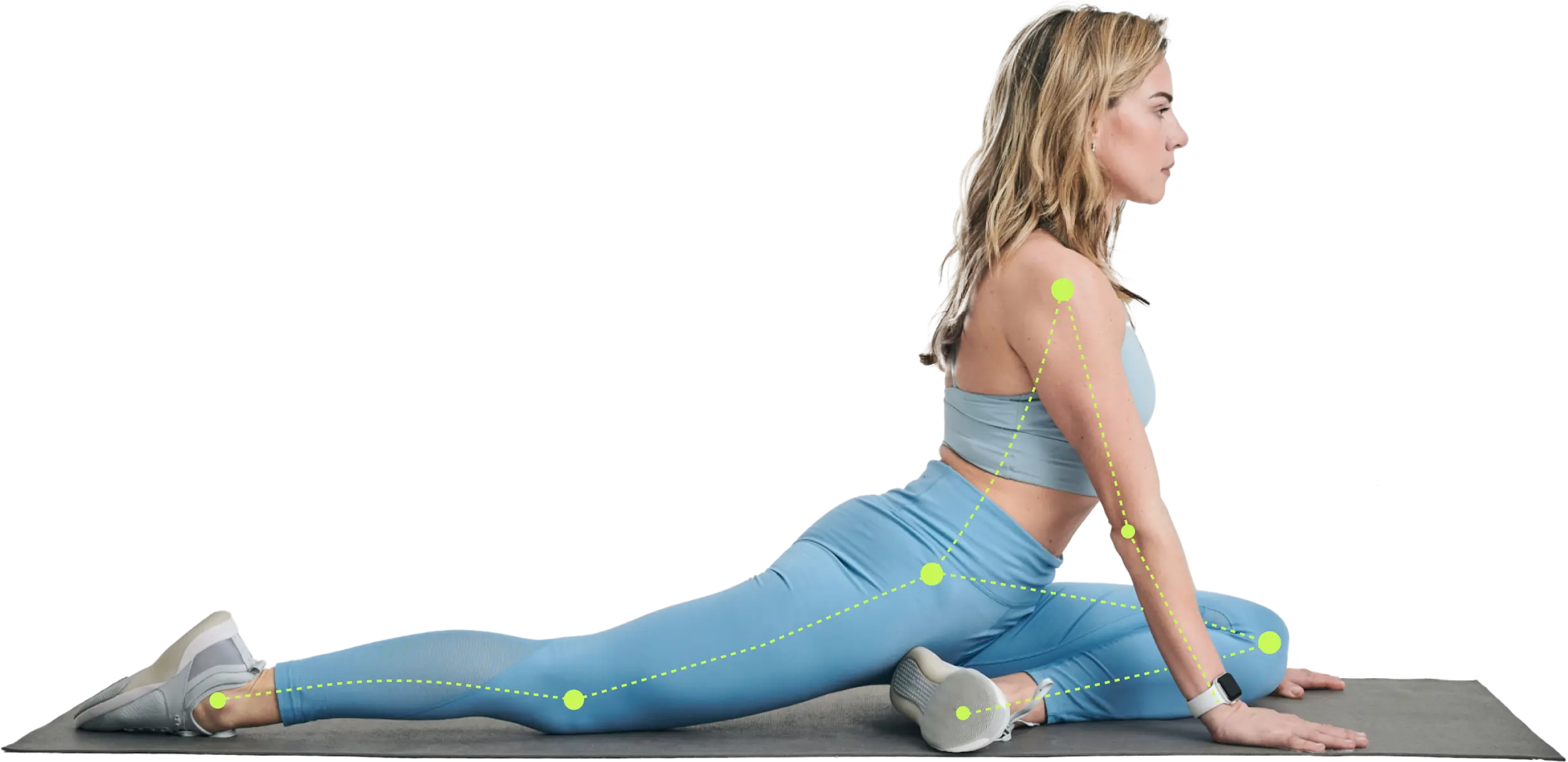
Master the sumo deadlift dumbbell. Learn proper form, avoid mistakes, and build strength safely at home or the gym. Get your complete guide now!
You want a lift that trains your legs and glutes hard, fits in a home gym, and doesn’t leave your lower back feeling cranky the next morning. That’s where the sumo deadlift dumbbell variation stands out. It gives you the wide-stance mechanics people like in sumo pulling, but with dumbbells, which are often easier to set up, easier to own, and more realistic for busy training schedules.
Most guides stop too early. They explain barbell sumo deadlifts, then tack on “you can also use dumbbells” as if nothing changes. But dumbbells do change the lift. They alter hand position, balance demands, loading options, and how the weight tracks against your body. That’s exactly why this movement deserves its own form cues and its own progression plan.
Your Guide to the Ultimate Lower-Body Lift
Maybe you’re training in a spare room with a pair of adjustable dumbbells. Maybe you’re getting back into lifting after time away, and a heavy barbell pull feels like too much too soon. Or maybe conventional deadlifts always seem to turn into a lower-back exercise no matter how hard you try to “feel your glutes.”
The sumo deadlift dumbbell variation solves a lot of those problems at once. The wide stance gives you room to stay more upright, the dumbbells make setup simpler, and the movement can be scaled cleanly for beginners or returning lifters. It’s practical, not flashy. That’s a big reason it works.

There’s also a real information gap here. Dumbbell-specific sumo deadlift form lacks standardized guidance in mainstream fitness content, even though barbell sumo deadlifts are covered in depth and dumbbells are far more common in home setups. That gap matters for people who want safe, effective home training and for tools that rely on movement baselines, as noted in this review of deadlift biomechanics and movement demands.
If your goal is stronger glutes, hamstrings, and legs, this lift deserves a place beside squats, split squats, and hinges in any serious lower-body plan. For readers building a complete leg routine, this guide pairs well with Zing’s resource on how to build leg muscle.
Practical rule: Treat the dumbbell version as its own exercise, not a watered-down barbell substitute. Your cues should match the tool in your hands.
Why Choose the Dumbbell Sumo Deadlift
A lot of lifters need a pull that feels stable from the first rep, not a setup that takes ten minutes to negotiate. The dumbbell sumo deadlift fills that role well because the load, stance, and hand position are easier to adjust to the body in front of you.
It gives many lifters a cleaner start position
The main advantage is not that sumo is easier. It is that the dumbbell version often lets people find a better position faster. A wider stance can give the hips more room, let the knees track naturally, and reduce the feeling that you have to fold in half just to reach the weight.
That matters for beginners, taller lifters, and anyone whose conventional deadlift setup tends to feel cramped or back-dominant.
With dumbbells, you can also choose the loading style that fits your build. One dumbbell held vertically between the feet usually makes the pattern simpler to learn. Two dumbbells at your sides, inside the knees, can feel more balanced once you have control. That flexibility is a real benefit, not a downgrade from a barbell.
Dumbbells make progression more practical
A barbell deadlift is great, but it asks for more equipment, more floor space, and more confidence setting up from the ground. Dumbbells lower that barrier. You can train the movement in a home gym, in a small apartment setup, or in a busy commercial gym without waiting for a platform.
They also let you progress in smaller jumps. That helps when technique is still settling in. I would rather see a lifter own every rep with the next pair of dumbbells than force bigger increases and lose position.
If you want a broad benchmark for where your pulling strength sits over time, these deadlift strength standards can give context without turning this exercise into a one-rep-max contest.
It exposes weak links in a useful way
Dumbbells do not hide much. If one foot is doing more work, if one hand drifts forward, or if your torso shifts as you stand up, you usually feel it right away. That feedback is useful, especially for lifters who need to improve balance, bracing, and even pressure through both feet.
This is one reason I treat the dumbbell sumo deadlift as its own lift. It is not just a barbell substitute for days when equipment is limited. It teaches control in a slightly different way because each implement has to stay organized from floor to lockout.
For a broader overview of the movement family, Zing’s page on sumo deadlift exercise basics is a solid reference. The dumbbell version still needs its own cues, especially around spacing, hand position, and keeping the weight close without letting the shoulders roll forward.
A good dumbbell sumo deadlift should load your glutes, inner thighs, and legs first. Your lower back should feel supportive and braced, not like it is doing the whole job.
A Step-by-Step Guide to Perfect Form
Your first dumbbell sumo deadlift should feel controlled from the floor up. If it feels like a shaky squat mixed with a back pull, the setup needs work before the load goes up.

Setup that puts you in the right position
Start with either one dumbbell standing vertically between your feet or two dumbbells hanging inside your knees. I usually teach the single-dumbbell version first. It keeps the weight centered and makes it easier to learn how a good rep should feel. Two dumbbells ask more from your balance, grip, and upper-back control, which is useful later.
Set your feet wider than shoulder width, with your toes turned out enough that your knees can open comfortably. The right stance is the one that lets you keep your feet flat, your knees lined up with your toes, and the dumbbell close to your body. Wider is not always better.
Build the setup in this order:
- Root your feet first. Feel heel, big toe, and little toe all pressing into the floor.
- Brace before you reach down. Tighten your midsection so your spine stays organized as you grab the weight.
- Push your hips back, then bend the knees. This keeps the lift in the hips and legs instead of turning it into a squat.
- Let the knees track out. They should follow the toes, not cave in.
- Grab the dumbbell and create tension before it leaves the floor. Keep your arms straight, chest open, and upper back active.
Your shins will usually stay fairly upright in a strong sumo start position. If the knees shoot too far forward, you are probably dropping straight down. If your hips rise too high and your chest falls, you are turning it into a conventional hinge.
Execution that makes the rep feel powerful
Drive the floor away with your feet and stand up by extending the knees and hips together. That timing matters. If the hips shoot up first, the lower back takes over. If the knees lock too early, the rep loses power and the dumbbell tends to drift forward.
Use these cues during the lift:
- Push through mid-foot and heel
- Spread the floor with your feet
- Keep the dumbbell close to your body
- Let the chest rise as the hips rise
- Finish tall with glutes, not with a backward lean
The dumbbell version gives feedback that a barbell often hides. If the weight swings forward, you will feel it immediately. If one hand pulls harder than the other with two dumbbells, the rep will twist. That is why I coach this as its own lift. The goal is not to copy a barbell sumo deadlift exactly. The goal is to organize your body around a load that can move independently.
Here’s a quick visual if you want to compare what a clean rep looks like in motion:
Lockout and descent that build better reps
At the top, stand tall and squeeze your glutes. Keep the ribs stacked over the pelvis. A clean lockout feels strong and quiet. You should not need to throw your shoulders back or jam your hips forward to prove you finished the rep.
On the way down, reverse the same path. Send the hips back first, keep the dumbbell close, and let the knees bend as the weight passes them. Lowering with control helps you keep tension and find the same bottom position every rep.
For muscle gain and better position awareness, slow eccentrics work well here. A steady lowering phase also helps beginners stop crashing into the bottom and losing their brace.
What the rep should feel like
Use this checklist after each set:
| Cue check | What you should feel |
|---|---|
| Feet rooted | Pressure through mid-foot and heel, not tipping to toes |
| Knees out | Glutes and inner thighs working together |
| Long spine | Midsection braced, chest open, no folding forward |
| Dumbbell close | Smooth path straight up and down |
| Glute finish | Strong lockout without low-back pressure |
If you struggle to feel the hip hinge portion, dumbbell Romanian deadlifts are a useful companion lift.
The best first rep is the one that looks calm. Tight setup, smooth push from the floor, and a finish that feels strong in the glutes and legs.
Common Mistakes and How to Correct Them
A dumbbell sumo deadlift can look fine from a distance and still be off where it counts. The weight reaches the top, but the rep feels shaky, the glutes never really switch on, or the lower back starts taking over. With dumbbells, those small errors show up faster because each hand has to control its own path.

Knees collapsing inward
If the knees cave in as you start the pull or drift inward on the way down, force is leaking out of the rep. You also lose the glute contribution that makes the sumo stance useful in the first place.
The fix starts at the feet. Grip the floor, keep pressure through mid-foot and heel, and let the knees track in the same direction as the toes. I usually cue this as "spread the floor and stay tall through the chest." That cue works because the hips can open without the arches collapsing.
If you can hold that position with lighter weight but lose it as load climbs, the problem is not effort. The load is ahead of your current control. Use a weight you can own for every rep, then build it gradually with a clear progressive overload plan for strength training.
Losing a neutral spine on the way down
The descent is where many beginners give away a good rep. They stand up well, relax too soon, and fold forward to reach the floor.
Keep the ribs stacked over the pelvis and the dumbbells close to the body as you lower. The chest should stay open, but do not try to over-arch. A neutral spine feels braced and long, not stiff and exaggerated. If you start rounding near the bottom, shorten the range of motion by elevating the dumbbells on blocks or plates. That adjustment is especially useful with dumbbells because the start height is easy to customize.
Coaching cue: Lower the weight like you are placing it in a narrow slot between your feet.
Turning the lift into a squat
This mistake is common because the wide stance looks like a squat setup. The dumbbell sumo deadlift is still a hinge first. If the hips drop too low, the knees push too far forward, and the chest rises before the weights move, you have lost the start position.
The best correction is to feel tension before the weight leaves the floor. At the bottom, you should notice hamstrings, glutes, and inner thighs loaded together. If you only feel quads, reset and send the hips back a little more before you pull. With a single dumbbell held vertically, this is often easier to learn because the weight gives you a clearer centerline than two separate bells.
Use these quick checks:
- Shins shooting forward: Start with hips slightly higher and sit back into the hinge.
- Only quads working: Pause at the bottom and find hamstring tension before you stand.
- Hips rising before the dumbbells: Your start position is too squatty. Reset and brace again.
Letting the dumbbells drift away
This is one of the most dumbbell-specific faults, and many barbell-based guides miss it. A bar naturally stays centered. Dumbbells do not. Each bell can wander forward, and even a few inches of drift will pull you out of position.
Keep the weights close enough that they travel straight up and down beside your legs. If you use two dumbbells and they keep swinging forward, switch to one dumbbell for a few sessions and master the path first. Then return to two bells once you can keep the load close without chasing it.
Clean reps feel controlled, balanced, and quiet. If the dumbbells bang forward, swing, or pull you onto your toes, treat that as feedback and correct it on the next set.
Smart Programming and Variations
A good exercise still needs a good plan. This leads many lifters to get stuck with the sumo deadlift dumbbell variation. They know the movement, but they don’t know how to scale it up or down without guessing.
That gap is real. Progressive loading strategies for the dumbbell sumo deadlift are critically underdeveloped in fitness content, even though sumo deadlifts are considered safe and effective and many beginners need a clear path from easier versions to stronger ones, as discussed in this article on sumo deadlift mistakes and progression gaps.
Regressions that actually help
If the floor start feels awkward, don’t force it. Raise the dumbbells on yoga blocks, bumper plates, or sturdy step platforms. That reduces the range of motion and gives you room to learn the hinge without chasing the floor.
You can also begin with a single dumbbell held vertically between the legs. That version tends to be easier to organize than dual dumbbells and helps many beginners find the correct centerline.
Useful beginner regressions include:
- Raised dumbbell start. Best when hip mobility or hamstring tension makes the bottom position messy.
- Single-dumbbell sumo deadlift. Good for learning stance, knee tracking, and lat tension.
- Face-the-wall hinge patterning. Stand facing a wall and practice sending the hips back without the knees crashing forward.
Progressions that create better strength
Once your form is repeatable, progress by making the rep more demanding without making it sloppier.
A few options work well:
- Add load gradually. This is still the main driver of strength.
- Slow the lowering phase. A longer eccentric builds control and teaches ownership.
- Pause at lockout. This can clean up your finish and reinforce glute-driven hip extension.
- Move from one dumbbell to two. That adds stability demands and often exposes side-to-side drift.
For hypertrophy and skill, 8 to 12 reps with a 3 to 5 second eccentric works well. If your technique stays solid, 5 to 10% weekly progression is one benchmark from the verified guidance, though you should only use the higher end when the previous week felt stable and repeatable.
A sample four-week progression
| Week | Focus | Sets x Reps | Notes |
|---|---|---|---|
| Week 1 | Learn stance and hinge | 3 x 10 | Use a single dumbbell or elevate the start if needed |
| Week 2 | Build control | 3 x 10 to 12 | Keep the descent slow and deliberate |
| Week 3 | Add load | 4 x 8 to 10 | Move to heavier dumbbell(s) if knee tracking and spine position stay clean |
| Week 4 | Add challenge without rushing | 4 x 8 | Use a controlled eccentric or brief lockout pause |
A practical weekly setup is one or two lower-body sessions with this lift as your first or second main movement. Pair it with split squats, hip thrusts, or hamstring work rather than stacking it with too many other demanding hinges.
If you’re unsure how to increase challenge without losing form, this guide on progressive overload training gives a clear framework you can apply beyond deadlifts.
Don’t earn progression by surviving ugly reps. Earn it by making clean reps look routine.
Track and Personalize with Zing Coach
You can know the setup, hit the right stance in your first set, and still lose the movement once fatigue kicks in. That happens a lot with the dumbbell sumo deadlift because the load sits differently than a barbell. The dumbbells can drift forward, one side can drop faster than the other, and your knees can start caving in without you noticing.

Real-time feedback changes how people train
That is why feedback matters more here than in many basic dumbbell lifts. A mirror only shows part of the picture, and it usually misses the things that make or break this exercise: whether the bells stay close to your center, whether your hips and ribs rise together, and whether your knees keep tracking over your toes.
Zing Coach helps by checking the reps you perform, not the reps you meant to perform. For a first-time lifter, that can build confidence fast. For an experienced lifter, it catches small form leaks before they turn into a pattern.
The practical benefit is simple. You stop guessing.
Personalization matters more than motivation
The best plan for this lift depends on your body and your equipment. Some people need to start with one dumbbell held vertically because it teaches balance and keeps the weight centered. Others are ready for two dumbbells, which increases the stability demand and exposes left-to-right differences much faster. A good coach or app should account for that instead of treating every sumo deadlift like the same exercise.
That matters on days when your mobility is limited, your back feels tight, or you only have lighter dumbbells at home. In those cases, the right adjustment is often a shorter range of motion, a slower lowering phase, or a rep target that lets you keep tension in your glutes and inner thighs instead of turning the set into a grind.
If you want a better system for reviewing numbers, photos, and performance trends, Zing’s guide on how to track fitness progress gives you a useful framework.
Consistency still drives results. If that is the part you struggle with, this article on how to stay consistent with goals and achieve success is worth reading because it focuses on behaviors you can repeat.
A smart training app should do more than log reps. It should help you keep your dumbbell sumo deadlift honest, adjust the exercise to your current level, and make clean technique easier to repeat next session.
Share this article


Authors