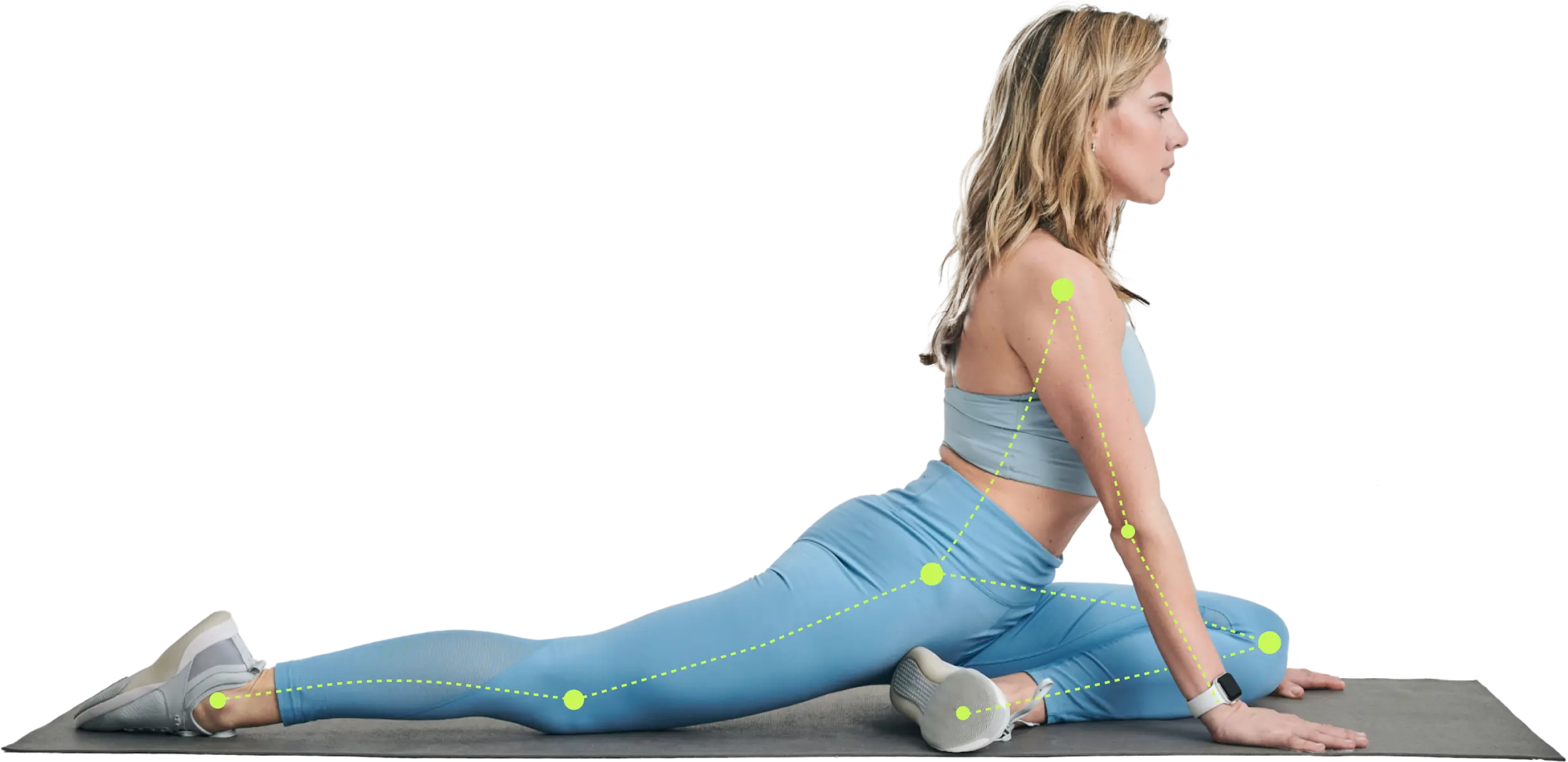
Maximize your training effectiveness for the best results: Discover whether to start with squats or deadlifts and how it influences your overall performance.
![Deciding to Squat or Deadlift First [Training Choices]](/_next/image?url=https%3A%2F%2Fwww.zing.coach%2Flibrary%2Fsquat-or-deadlift-first-preview.jpg&w=3840&q=75)
Have you ever wondered why some lifters prefer deadlifts after squats while others do the opposite? Both exercises are fundamental to building strength, so why does it matter if you do deadlifts or squats first? The answer lies in the mechanics of muscle activation and fatigue management.
According to top fitness coaches and athletes, the decision to deadlift or squat first matters when preparing for their workouts. If your goal is to optimize strength gains and reduce injury risk, research shows that choosing to squat before or after deadlift can significantly impact muscle activation and overall workout efficiency.
Although a personalized workout plan from Zing Coach means you don’t need to worry about this so much, it’s still worth understanding the science behind exercise programming. So, if you’re trying to decide if you should do deadlifts before or after squats, this guide will help you understand the benefits of each sequence and how they impact your overall performance and results.
Squats and Deadlifts - What Are They?
Squats
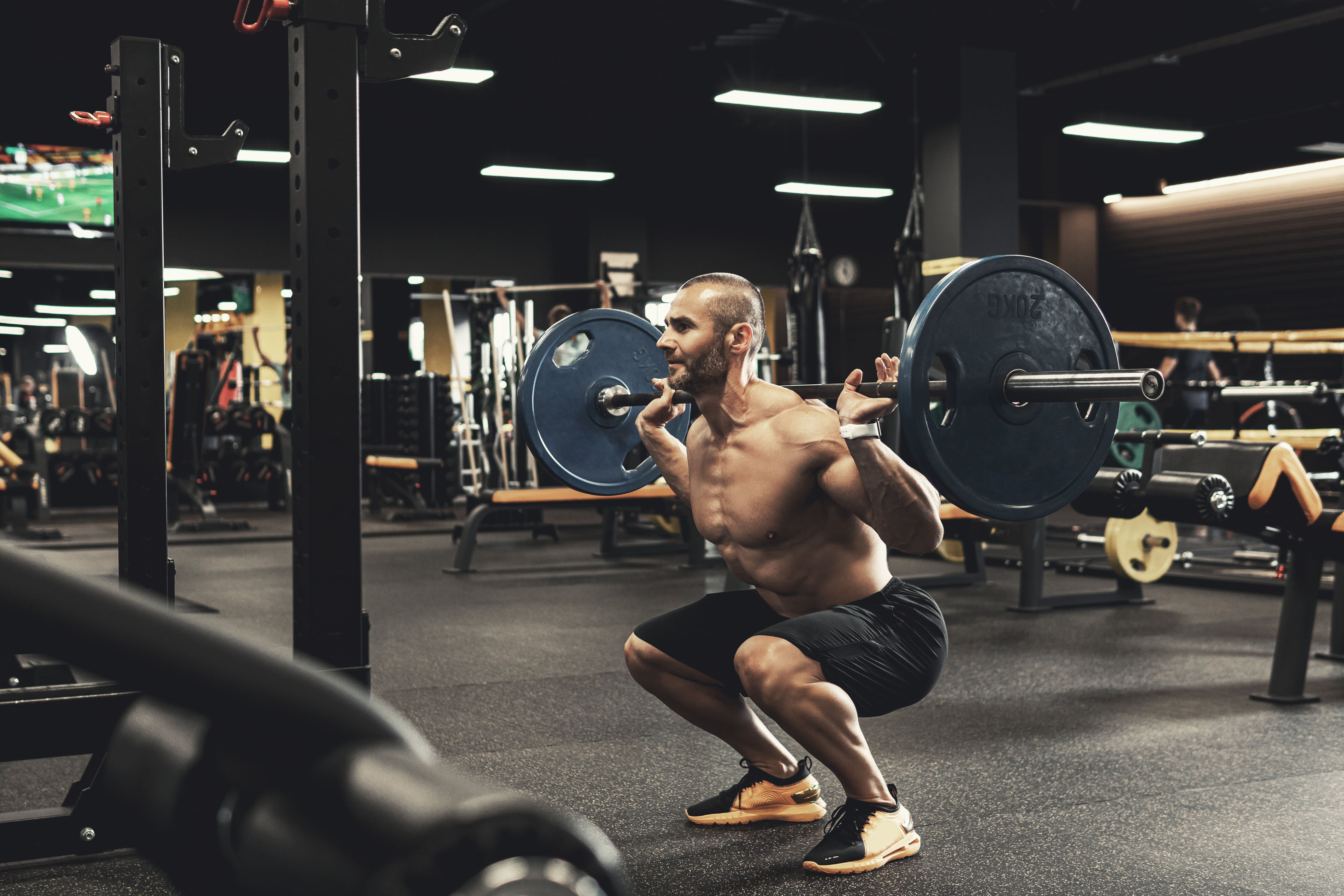
A squat is a lower-body exercise that targets the quadriceps, hamstrings, glutes, and core. It involves lowering your body by bending the hips and knees and returning to standing. Squats are essential for building leg strength, and they’re an excellent deadlift accessory exercise that enhances athletic performance and improves overall mobility.
Types of Squats
Variations include back squats, front squats, overhead squats, and goblet squats. Each type targets slightly different muscle groups and requires varying levels of mobility and stability.
Benefits of Squats
Squats improve lower body strength, enhance core stability, and increase muscle mass. They also promote better balance and coordination and are a great at-home exercise. Squats also involve more knee flexion and a greater range of motion than deadlifts. This greater range of motion is likely superior for overall lower body composition improvement.
Correct Squat Form
- Stand with your feet shoulder-width apart, toes slightly pointed out.
- Grip the bar with your hands slightly wider than shoulder-width.
- Step under the bar and lift it off the rack by standing up straight, the barbell across your upper traps or rear delts (depending on the variation).
- Take a step or two back to clear the rack, and brace your core.
- Initiate the squat by pushing your hips back and bending your knees.
- Lower until your thighs are parallel to the ground or deeper if you’re flexible enough.
- Drive through your heels while simultaneously extending your hips and knees to return to a standing position.
- Carefully step forward to the rack and place the barbell securely on the rack.
Squat Form Tips
- Ensure your knees track over your toes.
- Keep your chest up and your back straight.
- Avoid letting your knees cave inward to prevent injury.
Potential Risks
- Spinal Compression: Squatting with a barbell on the shoulders compresses the spinal column, possibly leading to disc injury.
- Lower Back Forces: The forces experienced in the lower back are many times more than the weight on the bar, increasing the risk of injury.
- Knee Shear Forces: Squatting with the bar across the shoulders increases shear forces at the knee, which is exacerbated if you have longer limbs.
Deadlifts
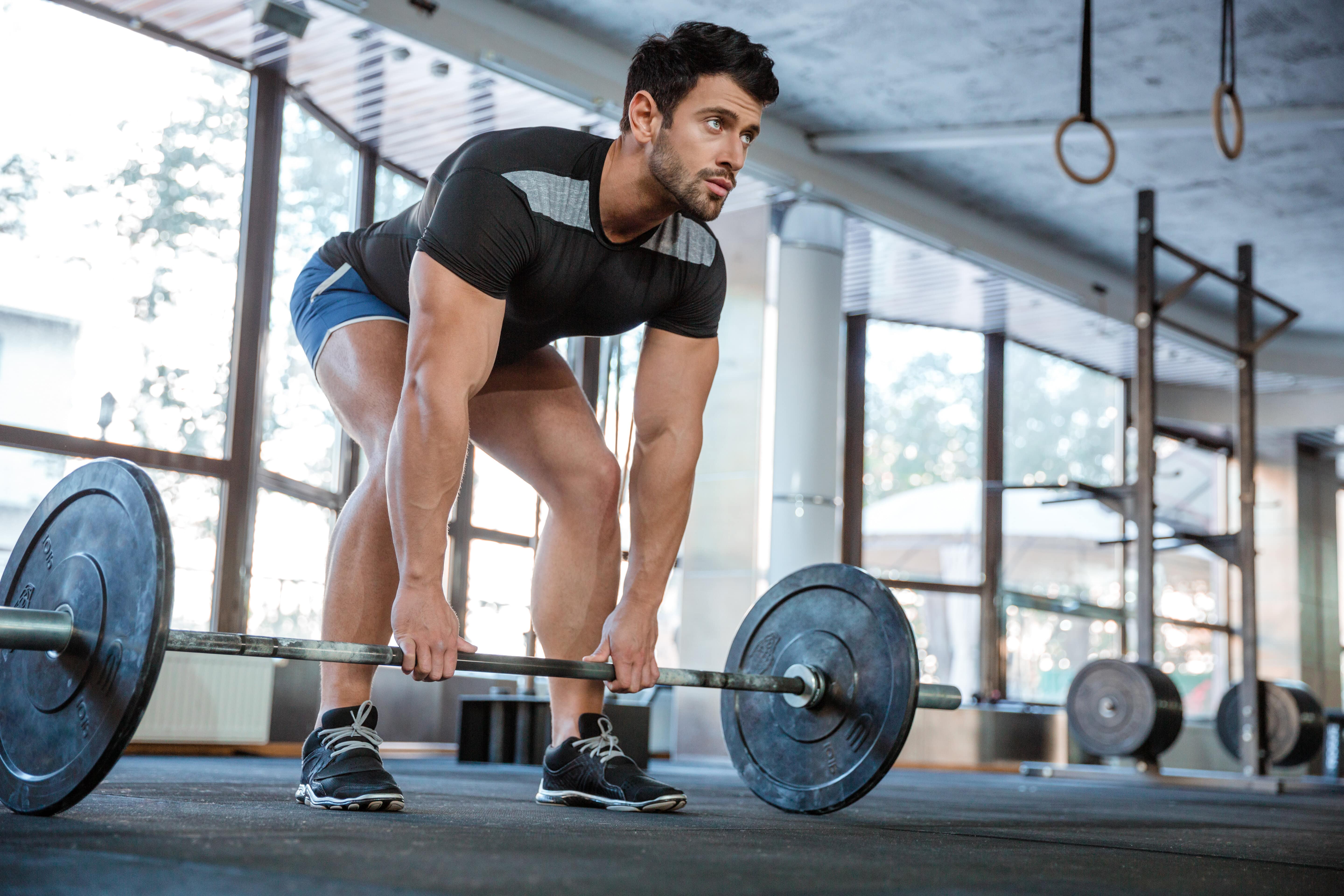
A deadlift is a compound movement that primarily targets the posterior chain, including the hamstrings, glutes, lower back, and traps. The exercise involves lifting a barbell from the ground to standing by extending the hips and knees. Deadlifts are vital for building overall strength and enhancing functional fitness.
Types of Deadlifts
Common variations besides conventional deadlifts include sumo, Romanian, and trap bar deadlifts. For extra context, check our comparison of the trap bar deadlift vs. squat. Each type emphasizes different muscle groups and can be tailored to individual needs.
Benefits of Deadlifts
Deadlifts enhance posterior chain strength, improve grip strength, and promote better posture. They are also effective for increasing muscle mass and overall power.
Correct Deadlift Form
- Stand with your feet hip-width apart, with a barbell over the middle of your feet.
- Bend at the hips and knees, hips below shoulders, and grasp the bar in an overhand grip.
- Engage your core and pull your shoulders back, keeping your spine neutral.
- Drive through your heels and push the floor away, simultaneously extending your hips and knees.
- Keep the bar close to your body, maintaining a tight core throughout the movement.
- Stand up straight, locking your hips and knees, pulling your shoulders back and chest up.
- Reverse the movement, hinging at the hips first, followed by bending your knees.
- Lower the bar to the ground in a controlled manner, keeping it close to your body.
Deadlift Form Tips
- Keep your back straight.
- Engage your core to protect your spine.
- Avoid rounding your back to prevent injury.
- Don’t overextend or lean back at the top.
Potential Risks of Deadlifts
- Spinal Strain: Deadlifts can place significant stress on the spine, especially if performed with improper form. This can lead to serious injuries such as herniated discs or chronic lower back pain.
- Hamstring Injury: Deadlifts can cause hamstring strains or tears due to the intense load placed on the posterior chain. This risk increases if the lifter does not properly warm up or uses too heavy weights.
- Grip Fatigue: Holding a heavy barbell can quickly lead to grip fatigue, which may result in the bar slipping from your hands. This not only disrupts the lift but also increases the risk of dropping the weight on yourself or others, potentially causing injuries.
Things to Consider When Deciding the Order
Analyzing the physiological demands of squats versus deadlifts reveals why the order of these exercises matters in a strength training routine. When deciding whether to squat or deadlift first, consider the following factors:
Training Goals
Strength
If your primary goal is to build maximal strength in a specific lift, studies have proven that starting with that exercise while your muscles are fresh maximizes your strength gain. For example, if improving your deadlift is a priority, then do your deadlift before squats.
Hypertrophy
If you want to grow muscle, consider starting with an exercise that targets your priority muscle groups to ensure maximum muscle activation. So, if you want to gain mass in your lower body, do your deadlifts after squats.
Endurance
If your goal is to increase muscular endurance, the order of deadlift or squat first may be less critical. Focus on maintaining good form throughout your workout to prevent fatigue-related injuries.
Muscle Fatigue
Fatigue Management
Performing the more technically demanding exercise first can help maintain better form and reduce the risk of injury. For instance, if deadlifts require more concentration, then deadlift before squatting when you are less fatigued.
Recovery
Consider how fatigued you feel after each exercise. Starting with the exercise that tires you the least can help preserve energy for the subsequent movements.
Exercise Technique
Form and Safety
Start with an exercise that requires more technical precision, which can help ensure proper form throughout your workout. If maintaining form in deadlifts is challenging, do deadlifts before squats.
Warm-Up
Ensure you do a thorough warm-up targeting the muscles used in both exercises to enhance performance and reduce injury risk. Whether you do squats or deadlifts first, ensuring that you’re flexible enough to maintain form across the full range of motion is important— make sure your flexibility levels are high enough by taking Zing Coach’s Flexibility Test!
Individual Preferences
Experience Level
Beginners might benefit from starting with the exercise they find more challenging to ensure they can focus on technique and safety. If deadlifts are more difficult for you, do your deadlifts before squats. More experienced lifters may choose based on their specific training cycles and goals.
Personal Comfort
Some individuals may have a preference based on how their body feels during and after each exercise. Listen to your body and adjust accordingly. If you feel more comfortable squatting first, then squat before deadlifts.
“Should I squat or deadlift first?” – Benefits of Doing Deadlifts or Squats First
Squats First
Benefits
- Prioritize Lower Body Strength: Doing deadlifts after squats ensures your legs are fresh, allowing you to lift heavier weights and focus on lower body strength. This can lead to significant improvements in muscle mass and power.
- Improved Leg Development: Starting with squats can lead to better quadriceps and glute activation, promoting balanced lower body development. So, if you’re asking, “Should I do squats first or last,” and want to see gains in your legs, the answer is squats.
- Better Technique: Performing squats first can help maintain proper form as your muscles are not yet fatigued. This is particularly important for beginners learning the movement pattern.
- Enhanced Core Stability: Squats require significant core engagement to stabilize the body. Performing them first can help reinforce good core activation and stability throughout your workout.
Deadlifts First
Benefits
- Focus on Posterior Chain: Doing your deadlifts before squats can prioritize posterior chain muscles like the hamstrings and lower back. This is crucial for improving overall strength and functional fitness.
- Increased Strength Gains: Fresh muscles mean you can lift more weight, leading to more significant strength improvements and muscle hypertrophy. So, if you’re wondering whether to deadlift before or after squatting and want to see gains in muscles associated with deadlifts, do them first.
- Improved Grip Strength: Starting with a deadlift before squat can enhance grip strength, which is beneficial for other lifts and daily activities requiring a firm grip.
Tips on Deciding Which Exercise to Perform First
Start with What’s Important to You
Research shows that prioritizing the primary exercises at the beginning of the workout session is beneficial for strength development in those exercises. So the answer to the question, “Should you squat or deadlift first?” is to choose what matters most.
Assess Your Goals
If your goal is to increase your squat strength, perform squats first. Conversely, if improving your deadlift is a priority, do deadlifts before squats. Aligning your exercise order with your goals can help you achieve better results.
Consider Fatigue
Perform the exercise that requires the most energy and focus first to avoid form breakdown and reduce injury risk. This approach ensures you give your best effort to the most critical part of your workout.
Listen to Your Body
Pay attention to how your body reacts to different exercise orders and adjust based on performance and recovery. Everyone’s body responds differently, so personal experience is invaluable.
Mix It Up
Don’t always deadlift or squat first. Occasionally, switch the order to challenge your muscles differently and avoid plateaus. This variation can keep your workouts engaging and promote continuous progress.
Final Thoughts
So, next time you lace up your gym shoes and wonder: “Should I start with squats or deadlifts to maximize my strength training?” remember that it depends on your specific training goals, fatigue management, and personal preferences.
Starting with larger compound movements like squats or deadlifts first will typically result in greater muscle activation and performance in those exercises compared to performing them later in the workout when fatigue has set in. To maximize performance and strength gains, performing the exercise that is the primary focus of your workout is generally recommended. If your goal is to improve your squat, start with squats. If you aim to enhance your deadlift, it’s deadlift before squat.
By understanding the benefits and considerations of the order of squats or deadlifts first, you can optimize your workout for better performance and results. For a personalized training plan tailored to your needs, consider Zing Coach and embark on your fitness transformation today!
FAQ
Tags
Share this article


Authors


Medically reviewed
Walter GjergjaShaolin Master, Sports Master, former professional athlete, training advisor to Olympic and World Champion athletes, wellness and performance author.
![Clean and Press vs Clean and Jerk Guide [Lift Breakdown]](https://www.zing.coach/library/clean-and-press-vs-clean-and-jerk-preview.jpg)

![High Rep Deadlifts for Growth [Increase Strength & Stamina]](https://www.zing.coach/library/high-rep-deadlifts-preview.jpg)
![Rack Pulls vs Deadlifts Compared [Strength Showdown]](https://www.zing.coach/library/rack-pulls-vs-deadlifts-preview.jpg)
![Trap Bar Deadlift vs Squat Comparison [Choosing Your Move]](https://www.zing.coach/library/trap-bar-deadlift-vs-squat-preview.jpg)
![Guide to Behind-the-Back Deadlifts [Technique & Benefits]](https://www.zing.coach/library/behind-the-back-deadlift-preview.webp)
![The Front Squat Hand Position Basics [Optimize Form]](https://www.zing.coach/library/the-front-squat-hand-position-basics-optimize-form-preview.png)
![Best Deadlift Accessories Reviewed [Boost Your Lift]](https://www.zing.coach/library/deadlift-accessories-preview.jpg)
![Mastering the Pause Deadlift [Elevate Your Training]](https://www.zing.coach/library/pause-deadlift-preview.jpg)