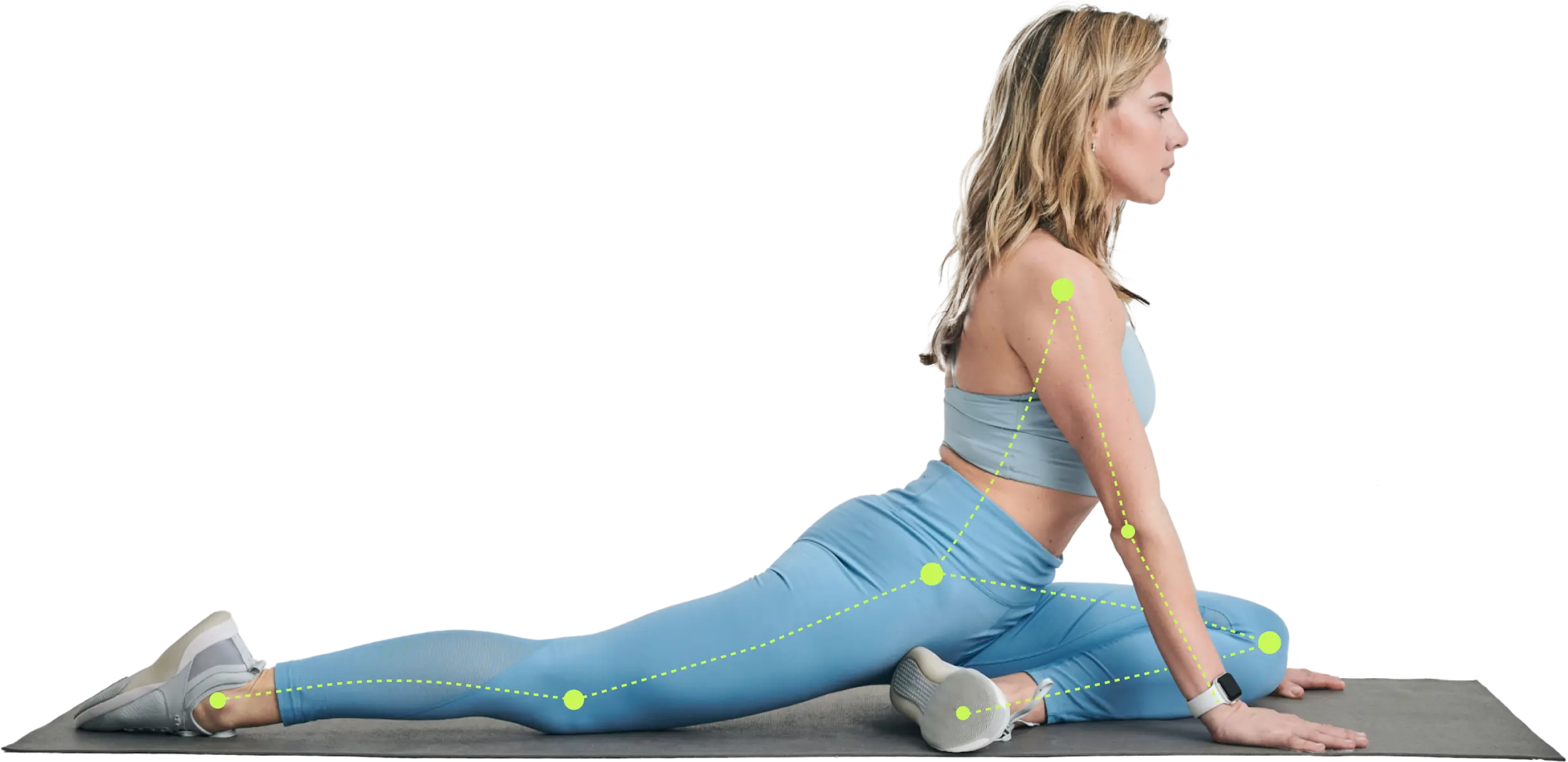
No space for ropes? Find your perfect battle rope alternative. Explore 8 powerful exercises for fat loss, conditioning, and full-body strength.
Battle ropes are a phenomenal tool for high-intensity conditioning, but their significant space and cost requirements make them impractical for many home gyms and crowded fitness centers. This limitation, however, is not a dead end for your fitness goals. It's an opportunity to discover equally effective, more accessible exercises that deliver similar metabolic and strength benefits. The core principles of battle rope training-explosive power, full-body engagement, and cardiovascular challenge-can be replicated with a variety of other tools and techniques.
This guide provides a detailed breakdown of the top eight battle rope alternative exercises. We will explore each option, from the rhythmic power of kettlebell swings to the raw force of sled pushes, explaining how to perform them with correct form. The pursuit of high-intensity, functional fitness is often driven by a desire to significantly improve athletic performance, and these alternatives are built for that exact purpose.
We'll move beyond simple descriptions to provide actionable programming advice for specific goals, whether you're focused on fat loss, athletic conditioning, or building functional muscle. You'll learn how to modify intensity and choose the best exercise based on your available equipment, workout space, and fitness level. Get ready to find your new favorite high-intensity finisher that fits your budget and environment.
1. Kettlebell Swings
The kettlebell swing is a powerful, full-body movement that serves as a fantastic battle rope alternative, combining explosive strength with intense cardiovascular work. This exercise involves a dynamic hip hinge, where you swing a kettlebell from between your legs up to chest height. Unlike an arm exercise, the power comes directly from your hips and glutes, creating a demanding metabolic effect similar to battle rope slams.
Kettlebell swings are a cornerstone of functional fitness, prized for their efficiency. CrossFit athletes frequently use them as a primary conditioning tool, and you'll often see them programmed in high-intensity interval training (HIIT) circuits. Their minimal space requirement makes them perfect for home gyms, where a single kettlebell can replace multiple pieces of equipment.
How to Implement Kettlebell Swings
To get the most out of this movement, focus on proper form and progressive overload.
- Master the Hip Hinge: Before you even swing, practice hinging at your hips. Keep your back straight, chest up, and push your glutes backward. The movement should feel like you are trying to tap a wall behind you with your butt, not like a squat.
- Generate Power from the Hips: Your arms are just there to guide the bell. The "swing" is a forceful, explosive snap of your hips forward. Squeeze your glutes and abs hard at the top of the motion.
- Programming for Conditioning: For a workout that mimics the intensity of battle ropes, perform swings in timed intervals. A great starting point is 30-45 seconds of work followed by 15-30 seconds of rest. Aim for 5-10 rounds.
- Progress Smartly: Increase the duration of your work intervals or the density (more swings in the same timeframe) before jumping to a heavier kettlebell. This ensures your form remains solid.
Expert Tip: Start with a light weight (15-25 lbs for most) to perfect the hip drive. Using a weight that is too heavy too soon often leads to muscling the bell with your arms and shoulders, risking injury and reducing the exercise's effectiveness.
Once you feel confident with the swing, you can explore more complex movements like the kettlebell clean, squat, and press to further challenge your coordination and strength.
2. Medicine Ball Slams
Medicine ball slams are a raw, explosive movement that perfectly replicate the full-body power and cardiovascular demands of battle ropes. This exercise involves lifting a weighted ball overhead and then forcefully throwing it into the ground. It serves as an excellent battle rope alternative by combining plyometric power, core stability, and intense conditioning in one fluid motion.

The power for the slam originates from the core and hips, not just the arms, making it a highly functional exercise. You'll see this movement used in NFL training programs to build explosive field power and programmed into HIIT circuits for its metabolic impact. The act of decelerating and catching the ball also engages vital stabilizer muscles that are often overlooked.
How to Implement Medicine Ball Slams
To safely maximize the conditioning benefits, focus on explosive execution and proper body mechanics.
- Engage the Core First: Initiate the movement by bracing your core, then lift the ball overhead, achieving full hip extension. The power comes from contracting your abs and lats to pull the ball down, not just from your arms.
- Hinge, Don't Squat: As you slam the ball, hinge forcefully at your hips, keeping your back flat. Think about slamming the ball with your core, driving it straight down between your feet.
- Programming for Conditioning: For a workout that mirrors battle rope intensity, perform slams in timed intervals. A highly effective protocol is 30-60 seconds of all-out effort followed by 30-45 seconds of rest. Complete 5-8 rounds for a serious cardio challenge.
- Progress with Duration: Focus on increasing the duration of your work intervals or reducing your rest time before you move to a heavier ball. This ensures you maintain explosive power without compromising form.
Expert Tip: Select a ball weight that allows for maximum velocity (typically 8-15 lbs for most people). The goal is speed and power, not just lifting a heavy object. If the movement becomes slow and labored, the ball is too heavy.
Once you are comfortable with the standard slam, you can add rotational power by learning variations like the medicine ball side throw, which further challenges your core and coordination.
3. Resistance Band Exercises (Speed and Explosive Variations)
Resistance bands offer a unique form of accommodating resistance, making them an excellent battle rope alternative for building explosive power without the high impact or coordination demands. Unlike free weights, bands increase tension as they are stretched. This variable resistance challenges your muscles throughout the entire range of motion, forcing them to accelerate against an ever-increasing load, similar to the continuous effort required for battle rope waves.
This method was popularized in powerlifting circles by Louie Simmons of Westside Barbell and is now a staple in athletic performance and rehabilitation settings. Physical therapists often use bands for post-injury explosive training because the resistance is controlled and progressive. For home gym users, they are a space-saving tool that can be combined with bodyweight movements for a complete, high-intensity workout.
How to Implement Resistance Band Exercises
To maximize power and conditioning, focus on speed, secure anchoring, and proper resistance selection.
- Anchor Securely: Always attach your band to a sturdy, immovable object like a squat rack, a heavy piece of furniture, or a dedicated door anchor. An insecure anchor can snap back and cause serious injury. Double-check your setup before every set.
- Focus on Explosive, Controlled Reps: The goal is to move with maximum speed and intent on the concentric (pushing or pulling) part of the movement and maintain control on the eccentric (returning) phase. Do not sacrifice form for speed; the movement should be powerful yet smooth.
- Programming for Power: For a workout that develops explosive strength, use shorter, intense intervals. A good protocol is 20-40 seconds of maximum-effort work followed by 40-60 seconds of rest to allow for full recovery between sets. Perform 6-8 rounds of exercises like band-resisted chest presses, rows, or rotational chops.
- Layer Bands for Progression: Instead of buying a single, extremely heavy band, it is often more effective to layer multiple lighter bands. This allows you to make smaller, more manageable increases in resistance as you get stronger.
Expert Tip: Track your progress by increasing the number of bands used, moving further away from the anchor point to increase starting tension, or aiming to complete more reps within the same timed interval. This ensures you are continuously challenging your body.
Once you are comfortable with basic banded movements, you can integrate them with bodyweight exercises for a greater metabolic challenge, such as performing band squat jumps to add resistance and enhance vertical power.
4. Jump Rope Training
Jump rope training offers explosive plyometric conditioning, serving as a highly effective battle rope alternative by blending intense cardiovascular work with lower-body power. This exercise involves rhythmic jumping that builds coordination, timing, and explosive calf and quad strength while keeping your heart rate elevated, much like the sustained effort of battle ropes. Its high portability and minimal space requirements make it an exceptional choice for almost any environment.
Modern jump rope training is far more than simple schoolyard skipping. From the foundational conditioning tool used by boxers like Muhammad Ali to the double-unders seen in CrossFit competitions, it is a proven method for serious athletic development. HIIT studios frequently incorporate jump rope intervals into circuits to maximize calorie burn and improve cardiovascular fitness.
How to Implement Jump Rope Training
To turn a simple rope into a powerful conditioning tool, concentrate on proper technique and progressive challenges.
- Select the Right Rope Length: Start by standing on the middle of the rope with one foot. The handles should reach approximately your armpit height. A rope that is too long will be slow and clumsy, while one that is too short will cause you to trip.
- Focus on Efficient Movement: The power for each jump should come from your ankles and calves, not from bending your knees deeply. Keep your arm movements small and controlled, rotating the rope with your wrists rather than large, sweeping arm circles.
- Programming for Conditioning: For a workout that mirrors the high-intensity nature of battle ropes, use timed intervals. Begin with 45-90 seconds of work followed by 30-60 seconds of rest. Aim for 5-10 rounds to build endurance. You can find more details on effective cardio programming here.
- Progress with Skill and Speed: Once you master consistent single-unders (one rope rotation per jump), challenge yourself. Increase your speed to perform "high singles" or start practicing double-unders, where the rope passes under your feet twice per jump.
Expert Tip: Before attempting double-unders, focus on getting more height and airtime with your single jumps. This gives you the necessary time to practice flicking your wrists faster for two rotations. Many people fail by trying to speed up their arms without adjusting their jump.
Once comfortable, you can add variations like criss-crosses and side swings to keep workouts engaging and further challenge your coordination. Zing Coach can also help track your jump rope sessions and scale the workout intensity based on your growing proficiency.
5. Rowing Machine Intervals
Rowing machine intervals offer a potent, full-body workout that serves as an excellent battle rope alternative, delivering incredible metabolic conditioning with zero impact. The movement combines an explosive leg drive with a powerful upper-body pull, creating a total-body challenge that rivals the cardiovascular intensity and muscular endurance demands of battle ropes. The ability to track metrics like watts and split times makes it ideal for data-driven progress.

This exercise is a staple in high-performance settings. CrossFit famously uses rowing benchmarks like the 500m and 2k sprints as standard fitness tests, while elite rowing clubs build their entire conditioning base on this machine. Because it is joint-friendly and highly measurable, it's a perfect choice for anyone looking to push their limits safely and track their improvement with precision.
How to Implement Rowing Machine Intervals
To get the most from the rower, focus on correct sequencing and strategic interval programming.
- Master the Sequence: Proper rowing form is a sequence, not a simultaneous movement. The power comes primarily from the legs (around 65%), followed by a lean back with the core (25%), and finishing with the arm pull (10%). Reverse the sequence on the recovery.
- Use the Right Damper Setting: A common mistake is setting the damper to 10. For most conditioning work, a setting of 3-5 is optimal. A higher damper makes the pull feel heavier but can compromise form and fatigue your muscles prematurely.
- Program for Power: To simulate the high-output nature of battle ropes, use intervals. A great structure is a 1:2 work-to-rest ratio. Try 30 seconds of an all-out sprint followed by 60 seconds of easy, slow rowing. Complete 8-10 rounds.
- Maintain a Consistent Stroke Rate: As you push for intensity, focus on pulling harder, not faster. Try to maintain a consistent stroke rate (strokes per minute, or SPM) between 22-28. A frantic, rising stroke rate is often a sign of fatigue and poor form.
Expert Tip: Focus on your split time (the time it takes to row 500 meters) as your main performance metric. Driving this number down, even by a few seconds, at the same stroke rate is a true indicator of increased power and cardiovascular fitness.
Once you are comfortable with the basics of rowing, you can explore the rower exercise in more detail to perfect your technique and maximize your results.
6. Sled Push/Pull Variations
Sled training is an exceptional battle rope alternative that builds raw, explosive power while delivering a serious metabolic punch. The exercise involves pushing or pulling a weighted sled, a movement that combines intense lower-body strength work with cardiovascular conditioning. Unlike battle ropes, which primarily challenge the upper body and core, sled work places the load squarely on your legs and hips, developing functional strength from the ground up.
This method is a staple in elite athletic training for a reason. NFL and track programs use sleds to build acceleration and explosive power, while CrossFit gyms program them into demanding conditioning circuits. The direct, forward-driving force required for a sled push creates a metabolic effect that rivals the intensity of rope slams, all without the complex coordination.

How to Implement Sled Push/Pull Variations
To get the most out of sled training, focus on explosive movement and smart programming.
- Prioritize Explosive Movement: Load the sled with a weight that challenges you but still allows for powerful, fast-paced steps. Your goal is to move the sled, not just lean on it. A good starting point is approximately 50% of your bodyweight.
- Focus on Posture: During pushes, maintain a strong, forward lean with a straight line from your head to your heels. Drive through the balls of your feet, keeping your core engaged to transfer power efficiently.
- Program for Your Goals: For power development, perform short, intense sprints over 20-40 yards. For conditioning that mimics battle ropes, aim for longer distances (50+ yards) or timed intervals, such as 45 seconds of work followed by 45 seconds of rest.
- Add Variety: Don't just push. Attach straps to the sled for pulls, rows, and backward drags. Using different handles (high vs. low) on the sled will also shift the emphasis between your quads, glutes, and hamstrings.
Expert Tip: Pair a sled push with a pulling movement for a balanced workout. For example, push the sled 50 yards down, then immediately attach a strap and pull it 50 yards back. This push-pull combination ensures you develop strength evenly across your posterior and anterior chains.
Once you’re comfortable with basic pushes and pulls, you can increase the challenge by adding lateral drags or crossover steps, which will further improve your stability and athletic performance. You can find more targeted routines like the Zing Coach Leg Day Workout to integrate sled work into a structured plan.
7. Dumbbell Complexes and Circuits
Dumbbell complexes offer a unique and highly effective battle rope alternative by combining multiple exercises into one continuous, flowing sequence. Unlike traditional sets where you rest between different movements, a complex involves performing all reps of one exercise before immediately moving to the next without putting the dumbbells down. This creates a relentless metabolic demand that skyrockets your heart rate and burns calories, much like a sustained battle rope session, while also building functional strength and muscle.
This training style is a staple in metabolic resistance training, popularized by coaches like Dan John and Alwyn Cosgrove, and is frequently seen in CrossFit WODs. Its versatility makes it ideal for any setting; you can build a challenging full-body workout in a crowded commercial gym or at home with just a single pair of dumbbells, making it an incredibly efficient use of time and equipment.
How to Implement Dumbbell Complexes and Circuits
To design effective and safe dumbbell complexes, focus on smart exercise selection and progressive programming.
- Choose the Right Weight: Select a weight based on your weakest lift in the sequence. A good rule of thumb is to use a weight you can comfortably manage for 8-12 reps on your most challenging exercise, which is often an overhead press.
- Structure Your Complex Logically: Create a flow that makes sense biomechanically. Pair upper and lower body movements (e.g., Romanian Deadlift into a Bent-Over Row) or alternate between pushing and pulling patterns (e.g., Push-Up into a Row). This distributes the fatigue and allows you to maintain better form.
- Program for Conditioning: To mimic the high-intensity nature of battle ropes, use timed intervals. A classic approach is to perform the complex for 40-50 seconds, followed by 20-30 seconds of rest. Complete 3-5 rounds for a potent conditioning workout.
- Prioritize Form Over Speed: The goal is quality movement, not just speed. As fatigue sets in, the risk of injury increases. Maintain a controlled tempo and focus on executing each repetition correctly. It's better to perform fewer, perfect reps than many sloppy ones.
Expert Tip: Progress your complexes methodically. Instead of increasing weight, reps, and rest time all at once, change just one variable at a time. Try adding one rep to each exercise in the complex, reducing your rest period by five seconds, or adding another round.
Once you are comfortable with a basic complex, you can increase the challenge by linking more movements together, such as the popular dumbbell thruster, which combines a front squat and an overhead press into one explosive exercise.
8. Boxing Combination Drills (Heavy Bag / Speed Bag)
Boxing combination drills on a heavy bag or speed bag are an exceptional battle rope alternative, delivering a one-two punch of explosive upper-body power and relentless cardiovascular conditioning. This method engages your entire body, from your feet to your fists, developing hand speed, core stability, and footwork while demanding intense mental focus. The dynamic nature of striking a bag mirrors the high-energy output of battle rope waves and slams.
This type of training is a staple in the fitness world for good reason. It's a cornerstone of conditioning for combat sports athletes and professional boxers, but its benefits have been adopted widely. CrossFit gyms often program heavy bag rounds into their conditioning blocks, and many HIIT studios use boxing drills as a primary tool for high-intensity workouts. The combination of skill and power makes it a uniquely engaging form of exercise.
How to Implement Boxing Drills
Proper technique is crucial for maximizing benefits and preventing injury. Focus on building a solid foundation before increasing your intensity.
- Protect Your Tools: Always wear proper boxing gloves (12-16 oz is a good start) and hand wraps. This protects the small bones in your hands and supports your wrists, which is non-negotiable for bag work.
- Master Stance and Power Transfer: Learn a proper boxing stance with your feet shoulder-width apart and your weight balanced. Power originates from the ground up, rotating through your hips and torso, not just from your arms and shoulders.
- Structure Your Rounds: For authentic conditioning, structure your workout in rounds. Try 3-minute rounds of continuous work followed by 60-90 seconds of rest. This format is excellent for building sport-specific endurance.
- Vary Your Pace: To mimic the intensity spikes of battle ropes, mix up your speed. Alternate between 60 seconds of controlled, technical punching and a 30-second burst of maximum speed and power.
Expert Tip: Before throwing hard punches, warm up your shoulders and rotator cuffs. Bag work places significant demands on shoulder stability. Incorporate targeted strength exercises for your shoulders to build resilience and prevent strain.
Battle Rope Alternatives: 8-Option Comparison
| Exercise | Implementation complexity | Resource requirements | Expected outcomes | Ideal use cases | Key advantages |
|---|---|---|---|---|---|
| Kettlebell Swings | Moderate — requires hip-hinge skill and coaching | Single kettlebell, small clear area | Posterior chain power, core stability, high caloric burn | Home/gym time-efficient conditioning, explosive power work | Scalable intensity, low wrist strain, versatile |
| Medicine Ball Slams | Low–Moderate — simple pattern, watch technique | Medicine ball, durable floor, open space | Explosive power, core strength, metabolic conditioning | HIIT circuits, sport power development, stress relief | Eccentric training, stabilizer engagement, easy to scale |
| Resistance Band Explosives | Low — easy setup but needs secure anchoring | Bands, anchors, minimal space | Progressive resistance, joint-friendly power, controlled overload | Rehab, travel workouts, joint-conscious athletes | Portable, adjustable resistance, low joint stress |
| Jump Rope Training | Moderate — skill progression (double-unders) | Jump rope, vertical clearance space | High cardiovascular output, lower-body plyometrics, coordination | Boxing conditioning, fat-loss intervals, portable cardio | Very portable, high caloric burn, improves timing |
| Rowing Machine Intervals | Moderate — technique for efficient strokes | Rowing machine (costly), fixed space | Full‑body low‑impact conditioning, measurable metrics | Data-driven training, joint‑friendly HIIT, short efficient sessions | Precise metrics (watts/splits), low impact, consistent progression |
| Sled Push/Pull Variations | Low–Moderate — simple mechanics, programming required | Sled and space (or gym access), adjustable loads | Lower-body power, muscle mass, sustained metabolic demand | Athletic power development, strength-speed work, body composition | Easily scalable resistance, low impact, transfers to real-world strength |
| Dumbbell Complexes & Circuits | Moderate–High — technical under fatigue | Dumbbells (pairs), limited space | Hybrid strength + conditioning, muscle growth, metabolic stimulus | Home or gym hybrid programs, time-efficient full-body sessions | Highly versatile, time-efficient, builds strength and conditioning |
| Boxing Combination Drills | High — requires technique, footwork, coordination | Heavy/speed bag, gloves, adequate space | Upper-body power, hand speed, cardio, core engagement | Combat sports prep, skill-based conditioning, stress relief | Combines skill and conditioning, mental engagement, sport transfer |
Choosing Your Ideal Alternative and Making It Work for You
We've explored a wide range of powerful exercises, from the explosive rhythm of Kettlebell Swings to the full-body grind of Sled Pushes. Each option presents a unique way to replicate the high-intensity, low-impact conditioning benefits of battle ropes, but without the need for the ropes themselves. The central takeaway is that there is no single "best" battle rope alternative; the ideal choice is deeply personal and depends entirely on your specific circumstances.
Your decision should be a practical one. By honestly assessing your environment, budget, and physical needs, you can move from simply reading about fitness to actively building it. The goal is not to find a perfect, one-to-one replacement for battle ropes, but to select a tool that you can use consistently and safely to achieve similar outcomes-be it metabolic conditioning, fat loss, or building explosive power.
A Quick Recap for Your Decision
To make your selection easier, consider these key points:
- For Minimal Space & Budget: Kettlebell Swings and Resistance Band exercises deliver maximum metabolic impact with a tiny footprint. They are perfect for home workouts or crowded gym floors.
- For Low-Impact Conditioning: The Rowing Machine provides a joint-friendly, full-body workout that is data-rich, allowing you to precisely track your progress and intensity.
- For Explosive Power & Stress Relief: Medicine Ball Slams and Boxing Drills are fantastic for channeling aggression and developing powerful, coordinated movements.
- For Pure Strength & Conditioning: Dumbbell Complexes and Sled Pushes are unmatched for building grit and functional strength that translates directly to real-world performance.
From Choice to Consistent Action
Choosing your tool is only the first step. The real progress comes from integrating it into a structured, intelligent training plan. This is where many people falter, getting bogged down by questions of sets, reps, and progression. You need a system that adapts to your performance, tells you when to push harder, and knows when to scale back to prevent overtraining or injury.
This is why mastering these alternatives is so valuable. It grants you incredible flexibility in your training, ensuring you never have to skip a high-intensity conditioning day just because a specific piece of equipment is unavailable. By having a toolbox of effective substitutes, you build a more resilient and adaptable fitness routine. You are no longer dependent on one machine or one specific area of the gym. Instead, you are empowered to get a world-class workout with whatever is available, turning limitations into opportunities. This adaptability is the hallmark of a truly sustainable fitness journey.
Ready to stop guessing and start progressing? Zing Coach takes the guesswork out of integrating the perfect battle rope alternative into your routine. Our AI analyzes your goals and available equipment to build smart, adaptive workouts, complete with real-time form correction to keep you safe and effective. Start your personalized training plan with Zing Coach today!
Share this article


Authors