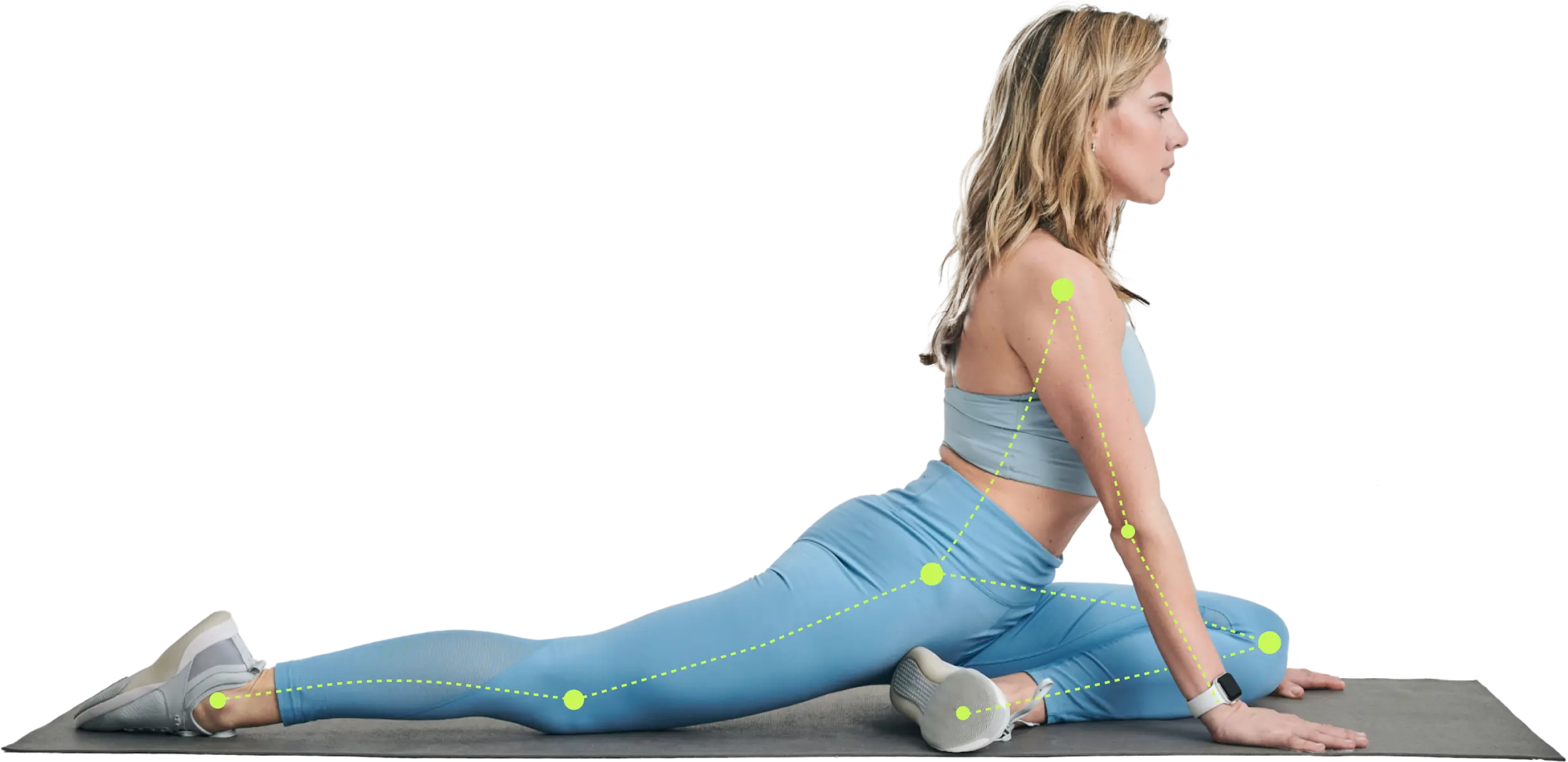
Start your fitness journey with the best dumbbell exercises for beginners. Learn 8 key moves for building strength and confidence safely. Get started now!
Ready to start strength training, but not sure which dumbbell exercises are worth your time?
Beginners usually do not need more options. They need a short list of movements that build strength safely, teach good mechanics, and make progress easy to track. Dumbbells do that well because they are approachable, versatile, and simple to adjust as you get stronger.
This article gives you eight beginner-friendly dumbbell exercises that cover the main movement patterns without burying you in unnecessary variation. You will learn what each exercise is for, what mistakes to avoid, and how to progress without guessing. That matters early, because confidence usually comes from clear reps, repeatable technique, and small wins from week to week.
The other piece beginners often miss is feedback. A coach can spot when your squat is too shallow, your press is drifting forward, or your weights are jumping too quickly. If you train on your own, AI coaching tools such as Zing Coach can fill part of that gap by helping you review form, adjust load, and keep your plan consistent. If you want a practical starting point for proper squat form with weights, that kind of guidance can make your first weeks much smoother.
You do not need a huge rack of equipment or a complicated program. You need a few smart exercises, a manageable progression, and a system that helps you stay honest about technique.
1. Dumbbell Goblet Squat
Want one lower-body exercise that teaches good squat mechanics without overwhelming a beginner? Start with the goblet squat.
I use it early with new lifters because the front-loaded dumbbell helps them stay more upright, find balance faster, and learn how to sit between the hips instead of collapsing forward. It is one of the simplest ways to build leg strength while also practicing bracing and control.

How to make it feel right
Hold one dumbbell vertically against your chest with both hands. Set your feet about shoulder width apart, keep your ribs stacked over your hips, and let your elbows point down. Then sit down between your knees, keep your whole foot on the floor, and stand back up by pushing through the midfoot and heel.
The main trade-off is load. You will outgrow the goblet squat before you outgrow the squat pattern itself, because eventually your legs can handle more weight than your arms can comfortably hold at chest level. For a beginner, that is usually a benefit. It keeps the exercise self-limiting and makes it easier to own the movement before chasing heavier reps.
A common mistake is letting the dumbbell drift away from the body. That shifts the load forward, makes the torso tip, and often turns a smooth squat into a fight for balance.
- Keep the bell close: Hold the dumbbell near your sternum for the full rep.
- Use depth you can control: Aim for thighs around parallel, or lower if your heels stay down and your back position stays solid.
- Slow the lowering phase: A controlled descent usually cleans up balance and knee tracking faster than adding cues mid-rep.
Practical rule: If your heels pop up or your chest drops hard at the bottom, lighten the weight and shorten the range until your position improves.
This is a strong fit for home training, small spaces, and first workouts where confidence matters as much as muscle. It also gives useful feedback. If the rep feels stable, you are probably bracing well and staying centered. If it feels shaky, the setup usually needs work.
That is where AI coaching can help in a practical way. Zing Coach can help you review whether you are reaching consistent depth, tipping forward, or rushing the bottom of the rep, then track when it is time to add weight or reps. If you are training without a bench or full gym setup, it also helps to pair squats with a bench press variation you can do without a bench. For a closer look at positioning, this guide to proper squat form with weights gives a clear next step.
2. Dumbbell Bench Press
If you want an upper-body push that builds confidence fast, the dumbbell bench press is hard to beat. It trains your chest, shoulders, and triceps, but it also teaches control on both sides of the body. That's something many beginners need more than maximal load.
The trade-off is stability. Dumbbells force each arm to work independently, so the movement can feel shaky at first. That's not a flaw. It's part of why it's useful.
What beginners usually get wrong
Most form issues happen before the first rep. People lie down with the weights too high, feet floating around, and wrists bent back. Start by planting your feet, setting the dumbbells at shoulder height, and keeping your wrists stacked over your forearms.
Lower the weights with control until your upper arms are near bench level, then press back up without banging the dumbbells together. If one arm locks out faster than the other, that's valuable feedback. An AI form tool can catch that imbalance early, which matters more than adding weight too soon.
Don't chase range of motion you can't control. Controlled reps beat wobbly reps every time.
This exercise is a great fit for a busy professional who wants a simple 20-minute upper-body session at home, or for a returning gym-goer rebuilding pressing strength after time off. If you don't have a bench, you don't need to skip the pattern entirely. This version of the bench press without a bench gives you a practical alternative with the same basic movement family.
3. Dumbbell Romanian Deadlift
The Romanian deadlift teaches one of the most important patterns in strength training. The hip hinge. Beginners often confuse a hinge with a squat, but they're not the same. In an RDL, your hips move back, your knees stay softly bent, and your hamstrings and glutes do most of the work.
That makes it one of the best dumbbell exercises for beginners who spend a lot of time sitting, because it trains the backside of the body that desk-heavy routines often neglect. It also teaches tension and posture without the complexity of pulling a barbell from the floor.
Here's a quick visual if you learn better by watching movement first.
The hinge cue that fixes most reps
Instead of thinking “lower the dumbbells,” think “push the hips back.” The dumbbells should travel close to your legs. Your spine stays neutral, your chest stays open, and you stop the descent when your hamstrings say stop.
If you feel this mostly in your lower back, one of three things is usually happening:
- You're reaching too low: Stop when you lose a flat back.
- You're bending into a squat: Send the hips back instead of down.
- You're relaxing at the bottom: Keep your core braced the whole rep.
The National Strength and Conditioning Association reports that the stiff-legged deadlift is among the most adopted beginner dumbbell exercises in digital programs, with a 65% penetration rate in beginner-specific curricula in this NSCA reference. That tracks with what coaches see in practice. It's simple, scalable, and effective when taught well.
For someone with a history of low-back irritation, lighter dumbbells and shorter range of motion usually work better than trying to mimic advanced lifters. Zing Coach can help here by adjusting progression based on fatigue instead of assuming you should add weight every week. If you want related beginner hinge work, browse these hamstring exercises for beginners.
4. Dumbbell Rows (Single-Arm)
Want a dumbbell move that teaches posture, back strength, and side-to-side control at the same time? Start with the single-arm row. It is one of the most useful beginner pulls because the setup is stable, the path is easy to learn, and weak spots show up fast instead of hiding behind two arms working together.

Pull toward the hip
Set one knee and one hand on a bench, or brace on a chair, box, or countertop if you train at home. Let the working arm hang straight down. Then row the dumbbell toward your hip or lower ribs while keeping your neck long and your torso quiet.
That path matters. Beginners often pull straight up toward the chest, then shrug the shoulder and turn the rep into a trap and bicep movement. A slightly lower pull usually trains the lats and mid-back better, which is what many beginners need after years of sitting and reaching forward.
A few cues clean this up fast:
- Brace before you row: Keep your ribs and hips steady so the torso does not twist.
- Keep the dumbbell close: A close path is easier on the shoulder and easier to control.
- Pause at the top: One clean beat helps you feel the back doing the work.
- Lower with control: The lowering phase teaches position just as much as the pull.
If you feel the row more in your forearm than your back, the weight is often too heavy or the grip is too tense. Lightening the load usually improves the rep more than grinding through sloppy sets.
This exercise also works well with AI coaching. Zing Coach can catch the patterns beginners miss, like rotating open on one side, shortening the last few reps, or shrugging as fatigue builds. That gives you useful feedback between sets instead of guessing whether the movement felt right. If overhead work is still uncomfortable and you need another upper-body option to pair with rows, the incline dumbbell shoulder press progression guide is a practical next step.
5. Dumbbell Shoulder Press
Want stronger shoulders without turning overhead work into a neck and low-back problem? The dumbbell shoulder press can do that, but beginners need a setup that keeps the rep controlled from the start.
I usually start new lifters with the seated version. It trims down the balance challenge, makes it easier to keep the ribs stacked over the hips, and lets you focus on what the shoulders and upper arms are doing. That trade-off is useful early on. Standing presses train more full-body stability, but they also give beginners more ways to cheat the rep.
Press in the scapular plane
Bring the dumbbells to shoulder height with your palms facing mostly forward or slightly inward. From there, press up with your elbows a little in front of your body instead of flared straight out to the sides. That path is often more comfortable on the shoulder joint and easier to repeat with good control.
The rep should finish with the weights over the shoulders, not out in front, and not with your lower back doing the last part of the lift. Lower slowly back to the start. If the elbows drift way behind the body at the bottom, or the shoulders creep up toward the ears, reduce the load and clean up the path first.
A few cues help right away:
- Sit tall and brace first: Keep your ribcage down so the press comes from the shoulders, not a back arch.
- Press up and slightly in: Let the dumbbells travel naturally instead of forcing a wide, rigid line.
- Stop before pain: A shorter pain-free range beats forcing a full range that pinches.
- Own the lowering phase: Controlled lowering builds better shoulder position and confidence.
If you have a history of shoulder irritation, treat this as a movement to adjust, not one to force. A neutral grip, a shorter range, or an incline setup can all work better than strict overhead pressing on day one. The right variation depends on what feels stable and repeatable.
This is also where AI coaching adds real value for beginners. Zing Coach can flag the mistakes people miss in the mirror, like pressing one arm higher, flaring the ribs as fatigue builds, or shrugging through the top of the rep. That gives you something specific to fix on the next set instead of guessing.
For many beginners, five to ten pound dumbbells are enough to learn the pattern well. Once the seated press feels smooth, you can progress to standing or use a shoulder-friendly option like this incline dumbbell shoulder press guide. If your elbows or wrists feel better with a neutral grip, dumbbell hammer curls can also help build arm and grip strength that carries over to pressing.
6. Dumbbell Bicep Curls
Want an exercise that teaches control fast and gives beginners clear feedback on every rep? Start with dumbbell bicep curls.
Curls are useful because the goal is simple. Bend the elbow, keep the upper arm quiet, and make the biceps do the work. Beginners usually feel right away whether they are controlling the weight or tossing it upward, which makes this a good movement for learning body awareness.
Make the biceps do the work
Stand tall with a dumbbell in each hand, palms facing forward, and let your arms hang straight under your shoulders. Curl the weights up while keeping your elbows near your sides. Lower slowly until your arms are straight again.
The common mistake is turning the rep into a body swing. A little natural movement is fine, especially on the last rep of a hard set, but repeated torso rocking changes the exercise and takes tension off the biceps. If that starts happening early, the weight is too heavy for the goal.
A few coaching points clean this up fast:
- Keep your wrists straight instead of letting them bend back.
- Let the elbows stay close to your ribs rather than drifting far forward.
- Lower under control. The lowering phase is where many beginners lose position.
- Stop one rep before your form breaks.
This is also a good place for AI coaching to help. Zing Coach can spot the pattern beginners often miss, such as one arm curling higher, the shoulders creeping forward, or the rep speed getting sloppy as fatigue sets in. That makes progression easier to manage because you are adjusting based on form, not guesswork.
If standard curls bother your wrists or elbows, hammer curls for beginners are often a better fit. The neutral grip feels better for many people and still builds arm strength, grip, and confidence with dumbbells.
7. Dumbbell Lunges
Want a lower-body exercise that builds strength and exposes weak spots at the same time? Dumbbell lunges do both. They train one leg at a time, which makes them useful for beginners who need better balance, cleaner knee tracking, and more confidence under load.
Static lunges usually work better than walking lunges at the start. Keep your feet set, lower with control, and stand back up. You get the strength benefit without adding the extra coordination demand of stepping through each rep.
Stability first, then load
Hold the dumbbells at your sides and take a stride long enough that your front heel stays down as you lower. Let the back knee move toward the floor, then drive through the front foot to come back up. A small forward torso lean is normal. What you want to avoid is the front knee collapsing inward, the back foot twisting, or the rep turning into a wobble.
Lunges carry over well to daily life because they challenge single-leg strength, deceleration, and side-to-side control. They also show whether one leg is doing more work than the other. That is useful information, but it means load has to match skill. If position falls apart after a few reps, reduce the weight or return to bodyweight and clean up the pattern first.
Start lighter than you think.
Short, focused sets work well here because fatigue shows up fast in beginner lunges. Five to eight controlled reps per side is often enough to practice the movement without letting form drift. Zing Coach adds value by checking the details beginners often miss on their own, such as uneven stride length, a front shin that shifts too far inward, or one side moving with less control than the other. That makes progression more precise. You are not just adding weight. You are improving the quality of each rep first.
8. Dumbbell Tricep Overhead Extensions
Want a triceps exercise that fits a home workout and teaches control, not just arm fatigue? The dumbbell tricep overhead extension does that well if your shoulders tolerate the position and you keep the setup tight.
Hold one dumbbell by the top end with both hands and press it overhead. From there, bend at the elbows to lower the weight behind your head, then straighten your arms without letting your upper arms drift all over the place. The goal is elbow flexion and extension, not a full-body effort with a big back arch.
For beginners, this usually works better near the end of an upper-body session after presses and rows. The triceps are already warm, so you can use a lighter load and focus on clean reps. That matters here because overhead position exposes weak bracing fast.
Good fit for some beginners, wrong fit for others
Use this exercise if you can keep your ribs stacked over your hips and lower the dumbbell without shoulder pinching. Skip it for now if overhead work makes your neck tense, your elbows ache, or your lower back takes over. In that case, a tricep pressdown or lying extension is often a better starting point.
A few coaching points clean this up quickly:
- Keep the upper arms mostly still: A little movement is fine. Big elbow flare usually means the weight is too heavy.
- Lower under control: Stop where you still feel tension in the triceps and can keep your shoulders organized.
- Finish tall: Straighten the elbows at the top without slamming into lockout.
This is one of those lifts where beginners often misread effort. If the set burns, they assume it is working, even when the ribs are flaring and the dumbbell is drifting behind them. Zing Coach is useful here because form feedback can catch the common errors early, especially elbow position, range of motion, and whether fatigue is changing the rep. That gives you a better way to progress than guessing when to add weight. Add load only when the reps stay smooth, your torso stays quiet, and both elbows track consistently.
Top 8 Beginner Dumbbell Exercises Comparison
Which dumbbell exercise should a beginner start with when the goal is steady progress, safe technique, and a plan you can follow?
This comparison helps answer that fast. The best choice depends on how well you can control the pattern, what equipment you have, and which muscles need the most work first. It also helps to know where an AI coaching tool like Zing Coach fits in. Some lifts are simple to learn but easy to rush. Others take more coordination, so form feedback and progression tracking save a lot of trial and error.
| Exercise | Implementation complexity | Resource requirements | Expected outcomes | Ideal use cases | Key advantages |
|---|---|---|---|---|---|
| Dumbbell Goblet Squat | Low, easy to learn squat mechanics | Single dumbbell, small space | Quad, glute, and core strength. Better squat depth and mobility | Beginners, home workouts, form practice, rehab | Front-loaded position helps you stay upright. Easy to scale. Strong core demand |
| Dumbbell Bench Press | Low to medium, pressing technique and coordination | Dumbbells plus bench (flat, incline, or decline) | Chest, shoulder, and triceps strength. More range of motion and stabilizer work | Upper-body sessions, imbalance correction, home gym training | Each arm works independently. Lower risk than heavy barbell pressing for many beginners. Exposes side-to-side differences |
| Dumbbell Romanian Deadlift (RDL) | Medium, requires hip hinge control | Pair of dumbbells, small area | Hamstring and glute development. Better hinge mechanics | Teaching the hip hinge, posterior chain rehab, lower-back-friendly strength work | Lower spinal loading than many barbell hinge variations. Builds useful posterior chain strength |
| Dumbbell Rows (Single-Arm) | Low to medium, unilateral stability required | Dumbbell, bench optional | Back strength, better posture, improved side-to-side balance | Fixing imbalances, rehab, home back workouts | Good pulling pattern for beginners. Low spinal stress. Strong carryover to other row variations |
| Dumbbell Shoulder Press | Medium, overhead mechanics and core control matter | Dumbbells, bench optional (seated reduces balance demand) | Overhead strength, shoulder stability, core engagement | Building overhead strength, shoulder-focused sessions | Easier to adjust than many barbell versions. Scales well. Builds control through the full press |
| Dumbbell Bicep Curls | Low, minimal technical demand | Dumbbells only | Biceps growth and arm strength. Visible muscle development | Beginners, arm finishers, short accessory work | Easy to learn. Low injury risk when done with control. Simple to progress |
| Dumbbell Lunges | Medium to high, balance and coordination required | Dumbbells or bodyweight, moderate space | Single-leg strength, balance, functional movement | Correcting leg imbalances, athletic prep, functional rehab | Trains balance and leg control well. Highly adjustable based on step length, load, and range |
| Dumbbell Tricep Overhead Extensions | Low to medium, shoulder mobility and elbow control required | Single dumbbell, seated or standing | Triceps isolation and support for pressing strength | Pressing accessories, arm training, finishers | Direct triceps work with low load requirements. Effective if shoulder position stays organized |
A useful way to read this table is by starting with complexity, not muscle group. Goblet squats, curls, and single-arm rows usually give beginners the fastest early wins because setup is simple and rep quality is easier to judge. Lunges, RDLs, and overhead work often need more patience. They are worth learning, but they punish rushed progression.
That is where Zing Coach adds practical value for beginners. It can flag changes in form, help set progression targets, and track whether your reps stay consistent as load goes up. That matters more than chasing exercise variety early on. A basic movement done well, repeated weekly, will beat a longer list done with guesswork.
Putting It All Together: Your First Dumbbell Workouts
What should your first dumbbell workouts look like once you know the exercises?
Keep it simple enough to repeat and structured enough to measure. Beginners usually do better with a short rotation of familiar lifts than a bigger menu of exercises that changes every session. Practice builds coordination, and coordination is what lets strength show up.
A good starting point is two full-body workouts done on alternating days each week. Train two to three times per week, leave at least one day between sessions when possible, and stop each set with one to three solid reps still in reserve. That gives you enough work to improve without turning every workout into a grind.
Full-body workout A
- Goblet squat for 3 sets of 8 to 12 reps
- Dumbbell bench press for 3 sets of 8 to 12 reps
- Single-arm dumbbell row for 3 sets of 10 to 12 reps per side
- Bicep curls for 2 sets of 10 to 12 reps
- Tricep overhead extensions for 2 sets of 10 to 15 reps
Full-body workout B
- Romanian deadlift for 3 sets of 8 to 12 reps
- Dumbbell lunges for 2 to 3 sets of 8 to 10 reps per leg
- Dumbbell shoulder press for 3 sets of 8 to 10 reps
- Single-arm dumbbell row for 3 sets of 10 reps per side
- Bicep curls or tricep overhead extensions for 2 sets as a finisher
Run these workouts for four to six weeks before you change the exercise selection. Increase weight only when you can complete all prescribed reps with steady tempo, full control, and the same form on the last set that you used on the first. If reps get sloppy, keep the weight where it is and earn the next jump.
This is also the stage where beginners benefit from coaching feedback, even if they train at home. Zing Coach can build sessions around your available dumbbells, track rep performance across weeks, and adjust progression when recovery or form starts to slip. That matters with exercises like lunges, RDLs, and shoulder presses, where effort can rise faster than technique.
Consistency usually comes down to friction. If the workout takes too long, feels random, or asks you to guess your next weight, people skip sessions. A simple two-workout plan removes that guesswork, and if routines are the harder part for you, it also helps to learn how to start new habits so training still happens during busy weeks.
Start with weights you can control. Repeat the plan long enough to get good at it. Let the progress come from cleaner reps, better range of motion, and gradual load increases. That is how beginners build confidence that lasts.
If you want help turning these moves into a personalized plan, Zing Coach can guide your workouts with adaptive programming, form feedback, and progress tracking built around your goals, equipment, and current fitness level.
Share this article


Authors