Find relief! Our 2026 guide offers safe exercises for bad back, with illustrated moves, modifications & routines to build strength & reduce pain.
You're probably reading this after another day of guarding every movement. You bend to tie a shoe and hesitate. You stand from a chair and wait for that familiar catch in your low back. Maybe you've already searched for exercises for bad back pain and found the same recycled list of stretches, with no help on what's safe, what to skip, or how to tell whether you're improving.
Back pain can make people swing between two bad options. They either stop moving entirely, or they push through the wrong exercises and flare things up. The better path sits in the middle. Use calm, repeatable movements that restore motion, wake up the muscles that support your spine, and build tolerance little by little.
That's what this guide does. It starts with safety checks, moves into a gentle warm-up, then gives you a practical core program with modifications and progressions. It also addresses a problem most online plans ignore. Your back doesn't live on a yoga mat. It has to carry you while you sit, stand, walk, lift, and recover from a long day.
When to See a Doctor and Understand Your Back
Not every “bad back” should be self-treated first. Exercise helps many people, but some symptoms mean you need medical advice before you start.
Stop and get checked if you have these warning signs
Call a doctor promptly if back pain comes with any of the following:
- Pain after a significant injury: A fall, crash, or other hard impact changes the picture.
- Numbness or tingling: Especially if it travels down one leg or into the foot.
- Noticeable weakness: Trouble lifting the foot, climbing stairs, or pushing off normally matters.
- Changes in bowel or bladder control: This needs urgent medical evaluation.
- Rapidly worsening symptoms: Pain that escalates fast instead of settling deserves attention.
- Pain that makes walking or standing feel unstable: Not just uncomfortable, but unreliable.
If you've been told you have a disc issue, broad advice from the internet often isn't enough. This guide on how to exercise with a herniated disc gives more condition-specific context.
Practical rule: If a movement creates sharp, spreading, or electrically charged pain, stop. If it creates mild muscular effort or a gentle stretch that settles quickly afterward, that's usually a safer signal.
The back muscles that matter most
People often think “core” means abs you can see. For back pain, that's not the main target. Your spine relies on a support system of deeper muscles that manage motion before big muscles take over.
Here's the simple version:
| Muscle group | What it does for your back |
|---|---|
| Deep abdominal wall | Acts like a natural corset to support the trunk |
| Small spinal stabilizers | Help control movement between vertebrae |
| Glutes | Support the pelvis so the low back doesn't overwork |
| Breathing muscles and pelvic floor | Help create pressure and stability during movement |
When these muscles stop doing their job well, the back often becomes stiff, guarded, or overly reactive. That doesn't mean your spine is fragile. It usually means your body needs better load-sharing.
Why understanding this changes how you exercise
If you only chase a stretch, you may feel temporary relief but still lack support. If you only do hard strengthening, you may irritate a system that first needs control. Good exercises for bad back problems usually combine three things:
- Mobility to reduce stiffness
- Stability to improve control
- Strength to make daily tasks easier
That's why the most useful program isn't a random collection of movements. It's a sequence. First calm the area. Then teach control. Then add challenge.
Prepare Your Body with a Gentle Warm-Up
Cold, stiff tissues don't like sudden effort. A short warm-up improves circulation, eases you into spinal movement, and gives you a quick read on how your back feels that day.

Clinical guidance from the Mayo Clinic notes that a daily back pain routine can fit into 15 minutes a day, and for cat-cow specifically, the recommendation is 3 to 5 repetitions twice daily according to Mayo Clinic back pain exercise guidance. That's a useful reminder that relief often comes from consistency, not intensity.
Start with slow, small motion
The biggest warm-up mistake is moving too far too soon. Your first few reps should feel exploratory. You're checking range, breathing, and comfort, not trying to force flexibility.
Try this sequence.
1. Pelvic tilts
Lie on your back with knees bent and feet flat. Gently flatten your low back toward the floor, then release to a neutral position. Don't shove your hips high. This is a small rocking motion.
Why it helps: It restores low-back and pelvic movement without much load.
Focus on: Exhaling as you flatten your back and keeping your neck relaxed.
2. Cat-cow
Move onto hands and knees. Round your back gently, then let your chest open and tailbone lift slightly as you move the other way. Keep the motion comfortable and even.
For a refresher on form, see this cat-camel stretch demo.
Why it helps: It warms the spine through a controlled range and reduces the feeling of being “stuck.”
Focus on: Smooth breathing. Don't crank your neck up or collapse your lower back.
Here's a visual walkthrough if you learn better by watching movement:
Add one gentle stretch and one activation drill
A warm-up works best when it includes both mobility and muscle engagement.
- Knee-to-chest pull: Lie on your back and bring one knee in gently, then switch sides. This can reduce guarding through the hips and low back.
- Bridge setup hold: Before doing a full bridge, press your feet into the floor and lightly tighten your glutes and lower abdomen. This tells your body that support muscles are about to work.
Move within a pain-free or pain-light range. A back that feels rusty often improves with repetition. A back that feels threatened usually tightens more when you force it.
What a good warm-up should feel like
You're looking for subtle changes:
- Less stiffness
- Easier breathing
- Smoother transitions when rolling or standing
- A sense that your back is participating, not bracing against you
If the warm-up makes symptoms spread farther down the leg or leaves you more guarded, shorten the range or stop and get assessed.
The 8 Best Foundational Exercises for Back Strength
Many individuals don't need fancy drills. They need movements they can repeat cleanly, without fear, and without guessing what they're supposed to feel. A broad meta-analysis found that multiple exercise therapies significantly eased low back pain, and yoga showed the best results among the options studied in this meta-analysis on exercise therapies for low back pain. That fits what many clinicians see in practice. Flexibility, stability, and mindful control tend to work well together.

1. Pelvic tilts
Why it helps: This teaches your pelvis and low back to move together again, which often reduces protective stiffness.
How to do it:
- Lie on your back, knees bent.
- Gently flatten your low back into the floor.
- Pause briefly.
- Release back to neutral.
Focus on: Small motion. If you feel your hamstrings cramping, reduce the effort.
2. Cat-cow stretch
Why it helps: It restores segment-by-segment spinal motion and can make other exercises feel easier afterward.
How to do it:
- Start on hands and knees.
- Round your back gently.
- Reverse the movement into a comfortable arch.
- Continue slowly with your breath.
Focus on: Let the motion travel through the whole spine, not just the neck.
3. Bird-dog
Why it helps: It trains your trunk to stay steady while your arms and legs move, which is exactly what daily life demands.
How to do it:
- Begin on hands and knees.
- Tighten your midsection lightly.
- Reach one arm forward and the opposite leg back.
- Return with control and switch sides.
Use this bird-dog exercise guide if you want a visual reference.
Focus on: Keep your hips level. A smaller reach is better than a wobbly one.
4. Superman
Why it helps: This targets the muscles along the back side of your body, including the low-back extensors and glutes.
How to do it:
- Lie face down.
- Reach your arms forward.
- Lift your chest and legs slightly while keeping your belly contact stable.
- Lower with control.
Focus on: Length first, height second. If you yank upward, you'll feel compression instead of muscular work.
If Superman feels too aggressive early on, skip it for now. A hard exercise done with poor control won't build the kind of strength your back trusts.
5. Glute bridge
Why it helps: Many sore backs are doing work the glutes should share. Bridges help restore that division of labor.
How to do it:
- Lie on your back with knees bent.
- Press through your feet.
- Squeeze your glutes and lift your hips.
- Pause, then lower slowly.
Focus on: You should feel your buttocks and the backs of your thighs. If your low back does all the work, lower less.
6. Child's pose
Why it helps: This can calm a tense back and open the hips after strengthening work.
How to do it:
- Kneel on the floor.
- Sit back toward your heels.
- Reach your arms forward and let your trunk relax.
- Breathe into your sides and back.
Focus on: Support yourself with a pillow or folded towel if the position feels pinchy in the knees or hips.
7. Wall slides
Why it helps: Upper-back posture influences the lower back more than is commonly understood. If your thoracic spine is stiff, your low back often compensates.
How to do it:
- Stand with your back against a wall.
- Place your arms against the wall in a goalpost shape if comfortable.
- Slide them upward, then back down.
- Keep your ribs from flaring.
Focus on: Move only in the range where you can stay tall and relaxed.
8. Seated trunk rotations
Why it helps: Gentle rotation can restore confidence in spinal movement when done in a controlled, unloaded way.
How to do it:
- Sit tall in a chair.
- Cross your arms over your chest or rest hands lightly on shoulders.
- Rotate your trunk gently to one side.
- Return to center and switch.
Focus on: Turn from the ribcage, not by forcing the low back. Think smooth, not deep.
How to use the full set
You don't need all eight every day. Pick one or two mobility drills, two stability exercises, and one strength exercise. That gives you a session your back can recover from.
A practical starter mix might look like this:
- Mobility: Pelvic tilts, cat-cow
- Stability: Bird-dog, wall slides
- Strength: Glute bridge
- Recovery stretch: Child's pose
If a movement makes you hold your breath, clench your jaw, or brace before every rep, scale it back. The right exercises for bad back flare-ups should build trust, not just effort.
How to Modify and Progress Your Exercises
The same exercise can be helpful, irritating, or perfect depending on how you dose it. That's why generic routines often fail. They tell everyone to do the same movement in the same way, even though one person is stiff in the morning, another gets pain while standing, and another can tolerate strengthening but not long holds.

Use an if this, then that approach
Here's the simplest way to adapt your program.
- If your back feels stiff but not sharp, reduce the range of motion and keep moving.
- If one side feels less stable, slow the tempo before adding reps.
- If symptoms increase during the set, shorten the hold or return to an easier variation.
- If the exercise feels easy and controlled for several sessions, increase challenge carefully.
Exercise-by-exercise adjustments
Bird-dog
If balancing on one arm and one leg feels too shaky, start by moving only the leg or only the arm.
If that feels solid, pause at full reach for a brief moment. You can also slide the foot on the floor before fully lifting it.
Glute bridge
If a full bridge causes back gripping, lift only partway. Some people do better with a folded towel between the knees to help the hips stay aligned.
To progress, add a longer pause at the top or march one foot slightly without letting the pelvis tip.
Cat-cow
If full spinal motion feels vulnerable, make the movement smaller and slower. Think of this as lubrication, not stretching for maximum range.
To progress, coordinate each part of the movement with your breathing so the motion stays smooth under control.
Child's pose
If kneeling bothers your knees, place padding under them or perform a supported forward reach from a chair instead.
To increase challenge, don't force depth. Use it after strengthening drills to improve relaxation and breathing control, not as an aggressive stretch.
Where Superman fits, and where it doesn't
Superman is a useful progression, but it's not a starting point for everyone. The movement is challenging, and the common mistake is holding too long after form has already faded. The recommended hold is 10 to 30 seconds in the demonstration, but the same guidance cautions that for endurance work, under 10 seconds is often safer and more beneficial because long isometric efforts can break posture, as explained in this Superman exercise demonstration.
Better progression comes from cleaner reps, not more dramatic ones.
If Superman causes pinching, switch back to bird-dog or a smaller prone lift. Your back doesn't care whether an exercise looks advanced. It cares whether you can own the position.
Building a Consistent Back Care Routine
The people who improve aren't usually the ones doing heroic sessions. They're the ones who stop waiting for the perfect day and build a routine they can repeat even on busy, imperfect weeks.
A simple morning option
10-Minute Morning Mobility
Start here if your back feels worse after sleep, desk time, or long car rides.
- Pelvic tilts for a gentle reset
- Cat-cow to loosen the spine
- Knee-to-chest pulls to reduce hip and back tension
- Wall slides to open the upper back
- Child's pose or supported forward reach to finish calmly
Move at an easy pace. The point of this session is to leave you less guarded when the day starts.
A stronger session for workout days
25-Minute Core Strength Session
This works well on days when your symptoms are settled and you want to build support.
- Warm-up: Pelvic tilts and cat-cow
- Main work: Bird-dog, glute bridge, seated trunk rotation
- Optional challenge: Superman only if your form stays steady
- Cooldown: Child's pose and a few easy breaths on your back
You don't need to chase fatigue. Stop while the quality is still high.
The best routine is the one you can repeat without dreading it tomorrow.
How often and how hard
Most backs respond better to regular exposure than random intense effort. A shorter daily mobility routine often pairs well with a few strengthening sessions across the week.
Use these filters:
- Good effort: Muscles feel warm, worked, or mildly tired
- Questionable effort: You tense your whole body to finish the rep
- Stop signal: Sharp pain, pain spreading down the leg, or symptoms that linger and worsen after the session
A little soreness in muscles can happen, especially when you restart exercise. Joint-like pinching, stabbing pain, or increasing nerve symptoms are different. Those mean modify, reduce, or pause.
Build the habit around existing routines
People stick to back care more reliably when it's attached to something they already do. That might mean doing your warm-up after brushing your teeth, before your first coffee, or after shutting your laptop at the end of the workday. This guide on how to make exercise a habit is useful if your real problem isn't knowledge. It's consistency.
If you miss a day, don't restart from zero in your head. Just pick up the next session and keep the rhythm going.
Personalize Your Progress with AI Coaching
Static exercise lists break down once real life enters the picture. Your pain changes from day to day. Your sleep changes. Your form changes when you're tired. Most generic plans can't respond to that.
That gap matters. A 2026 clinical trial found that AI-guided, fatigue-responsive progression improved pain reduction by 41% over static protocols, and another study found that 68% of patients don't know when to increase difficulty safely. Those findings point to the same issue. People often need help adjusting exercise load in the moment, not just choosing exercises once.

Why adaptive guidance is different
A useful system should answer questions like:
- Is today a build day or a recovery day?
- Did my range of motion improve or worsen?
- Am I ready to progress this movement, or am I compensating?
- Does this exercise help my standing and walking, or only feel okay on the floor?
That last point matters more than many programs admit. Some people tolerate mat work but still struggle once they stand and move through the day.
AI tools can help by adjusting volume, exercise choice, and progression based on fatigue, movement quality, and recovery data. In a training setting, the same principle shows up beyond rehab too. If you run a facility and want more consistent programming oversight, all-in-one gym management software can help organize coaching operations around how members train and progress.
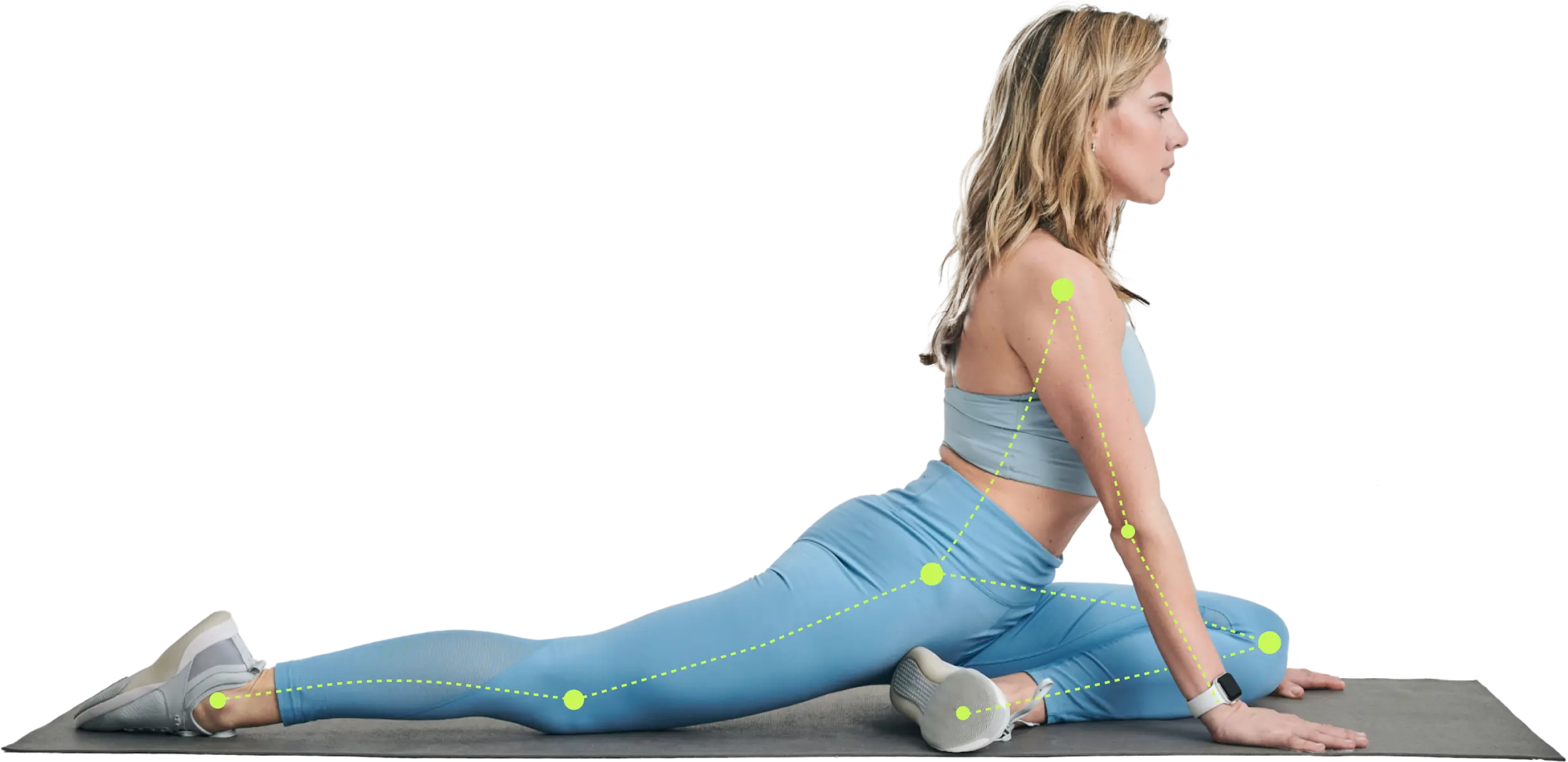
One option in this space is an AI-powered workout app such as Zing Coach, which uses phone-based motion tracking, Apple Health inputs, and adaptive programming to adjust sessions over time. For someone doing exercises for bad back recovery, that matters because the right plan isn't static. It should scale down on rough days, tighten form expectations when fatigue shows up, and progress only when movement quality supports it.
A good back program shouldn't leave you guessing whether to push, pause, or regress. The more personalized the feedback, the safer and more sustainable the plan becomes.
If you want back exercises that adapt as your body changes, Zing Coach offers a guided way to build a plan around your fitness level, recovery, and movement quality instead of relying on a fixed routine.
Share this article


Authors