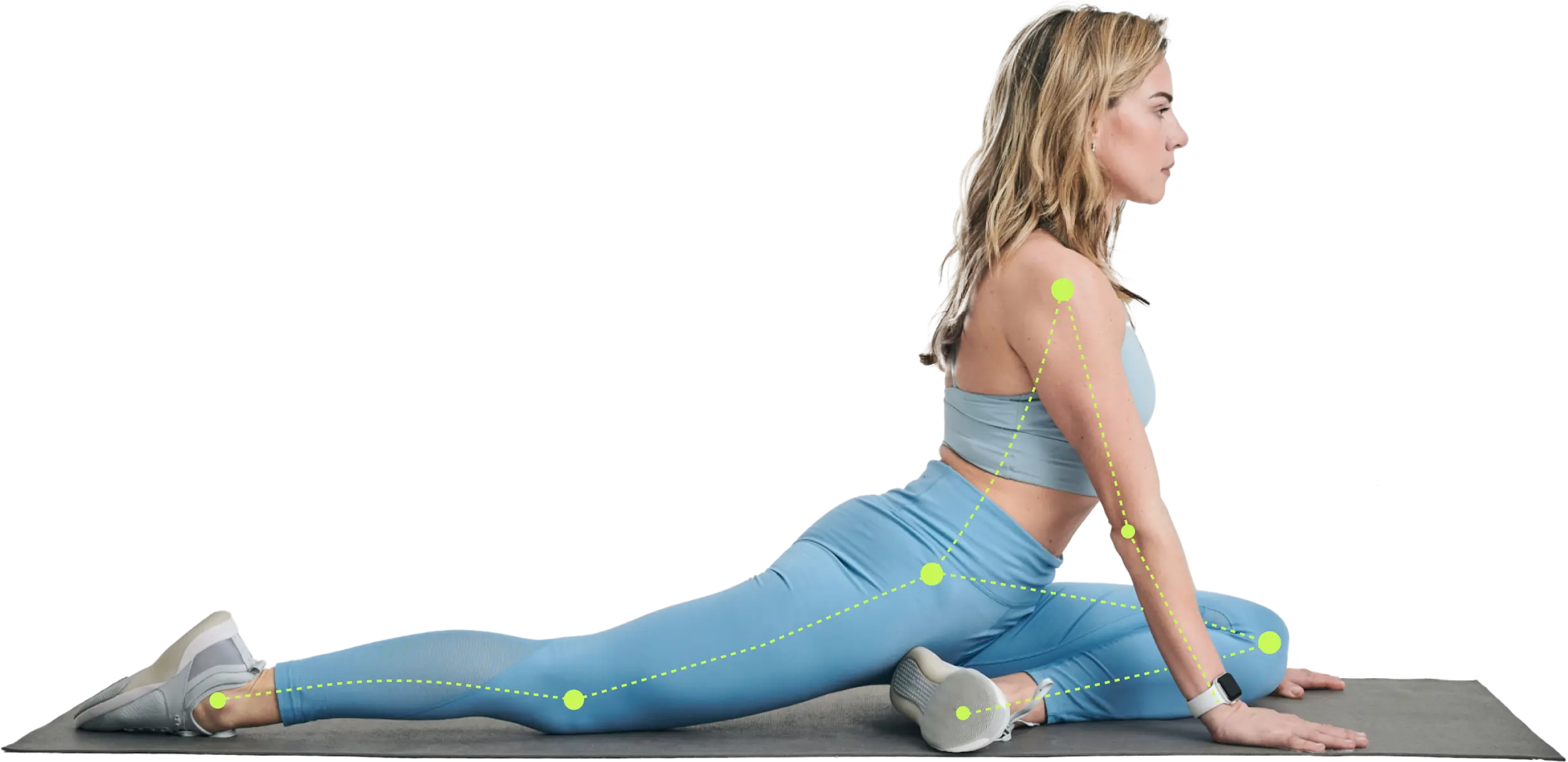
Build your perfect workout space. This guide covers home gym equipment essentials by goal, budget, and space, plus how to create a plan that works.
You're probably staring at a browser with too many tabs open. One site says you need a full rack. Another pushes cardio machines. A third makes it sound like you can't train seriously without turning your spare room into a commercial gym.
That confusion is normal. Most beginners don't fail because they lack motivation. They fail because they buy equipment before they know what problem each piece is supposed to solve.
A good home gym isn't a pile of gear. It's a small system that fits your space, your goals, and your actual habits. That matters more than buying the longest checklist on the internet.
Stop Shopping and Start Planning Your Home Gym
The first step isn't comparing brands. It's deciding what your home gym needs to do for you.
Do you want to lose weight with short weekday workouts? Build strength without commuting? Get back into exercise after a long break? Those are different jobs, and they don't require the same setup.
The bigger picture helps here. The global home fitness equipment market is projected to grow from $12.88 billion in 2025 to $22.99 billion by 2034, at a 6.81% CAGR, according to Fortune Business Insights on the home fitness equipment market. Home training isn't a fad. People are building lasting routines at home, which means your goal should be a setup you can use for years, not a panic purchase you regret in a month.
Start with the job, not the product
The shopping process often begins backward. Individuals ask, “Should I buy adjustable dumbbells or a bike?” before asking, “What kind of training will I do three times a week?”
Use this quick filter:
- If you want general fitness, prioritize versatile tools that let you squat, push, pull, hinge, carry, and do core work.
- If you want muscle gain, think about how you'll add resistance over time.
- If you want better conditioning, make sure your setup supports repeatable cardio, not just one hard session.
- If you want consistency, choose equipment that's easy to access and quick to put away.
That last point is underrated. If you have to drag heavy gear out of a closet every session, you'll train less often.
Practical rule: Buy equipment only after you can name at least five exercises you'll use it for.
Think in phases, not one big purchase
Progressive minimalism is the approach. Start with a few useful pieces. Train with them long enough to learn what's missing. Then expand.
That approach saves money, protects your space, and teaches you what you enjoy. It also prevents a common beginner mistake. Buying specialty equipment before building a basic routine.
If you need help getting your training space workable before you buy anything, these home workout tips from Zing's fitness library are a practical place to start. Focus on layout, exercise flow, and how much room you need to move safely.
A home gym should make training easier. If your setup creates friction, it's not finished, no matter how expensive it looks.
The Foundation Your First Three Essentials
A lot of beginners think “serious training” starts with a full rack of weights. It doesn't. It starts with equipment you'll use this week, next week, and next month.
Data from Cleveland Clinic shows 68% of home gym owners abandon their equipment within 6 months, often because they overcrowd the space or buy poorly planned gear, as noted by Cleveland Clinic's home gym advice. That's why I like starting with a stripped-down foundation.

Adjustable dumbbells do the heavy lifting
If you can buy only one strength tool, buy adjustable dumbbells.
They let you train your legs, chest, back, shoulders, arms, and core without dedicating a wall to fixed weights. They also support the most important principle in strength training. Gradually making exercises harder over time.
One reason they work so well in small homes is range. Some commonly recommended models let users move from light loads to much heavier ones in a single set, and if you want a breakdown of whether they fit your goals better than a barbell, this comparison of barbell or dumbbell training is useful.
Resistance bands fill the gaps
Bands look simple, but they solve a lot of problems.
They help beginners learn movement patterns. They make warm-ups easier. They add resistance to squats, presses, rows, glute work, and core training. They also travel well, which matters if your training has to happen in a bedroom, office, or shared living space.
The best part is flexibility. On tired days, bands make movement feel approachable. On stronger days, they can make basic exercises much tougher.
Bands are often the piece people underestimate, then end up using the most.
A jump rope earns its spot
Some readers expect a mat here, and a mat is useful. But if I'm helping a beginner build a three-piece setup for broad results, I'd rather include a jump rope.
A rope gives you fast, compact conditioning. It improves rhythm, coordination, and work capacity without needing a machine. If your knees or skill level make jumping uncomfortable, walking or low-impact intervals can fill the same role, but for many people, a rope is the simplest cardio tool that doesn't take over the room.
Here's the key difference between a smart starter setup and a cluttered one:
| Tool | What it covers | Why it stays useful |
|---|---|---|
| Adjustable dumbbells | Strength, muscle building, unilateral work | You can keep progressing |
| Resistance bands | Warm-ups, assistance, mobility, added resistance | They support every training phase |
| Jump rope | Cardio, coordination, short conditioning sessions | It's fast to use and easy to store |
A mat can be your fourth piece if floor comfort is a concern. That's often a good add-on. But these three give most beginners enough range to train consistently without turning their home into a storage problem.
Expand Your Gym Based on Your Training Goals
Once your basics are covered, expansion should follow your training goal, not your impulse to buy something shiny.
That's where many home gyms go sideways. People add equipment because it looks “advanced,” then realize it doesn't match how they train. A smarter move is to build one layer at a time around the result you care about most.

If your priority is strength and muscle
For pure strength progress, compound lifts matter. Experts commonly identify a barbell, squat rack, weight plates, and bench as the core setup for squats, deadlifts, and presses in Garage Gym Reviews' breakdown of home gym essentials.
That setup isn't where most beginners should start. It is, however, the clearest next step if your dumbbells are becoming limiting and your main goal is getting stronger.
A useful sequence looks like this:
- Add a bench first if you already use dumbbells often and want more pressing and rowing options.
- Add a barbell and plates next if you're ready for heavier loading.
- Add a rack when safety and exercise variety require it, especially for squats and pressing.
If you're deciding whether that investment makes sense, this guide on machines vs free weights helps clarify what each style does well.
If your priority is cardio and fat loss
Cardio equipment should fit your joints, preferences, and noise tolerance.
Some people thrive with a rowing machine because it trains the whole body. Others prefer an exercise bike because it's easier to recover from and simpler to use while watching pace or time. If you're comparing lower-impact options, PlateBird's guide to walking vs. elliptical is helpful for thinking through comfort and sustainability rather than chasing the “hardest” machine.
A practical way to choose:
- Exercise bike if you want low-impact intervals and easy repeatability
- Rower if you enjoy full-body effort and technique work
- Treadmill if walking is the most realistic habit you'll keep
The best cardio machine isn't the most impressive one. It's the one you'll use often enough to build a routine.
If your priority is movement quality and recovery
Not every add-on has to make workouts harder. Some should make training smoother.
For many people, the best next purchases are a foam roller, a better mat, and maybe a pull-up bar if the doorway or wall setup allows it. These don't scream “complete home gym,” but they improve session quality, especially if you sit a lot, deal with stiffness, or need more upper-body pulling.
Buy for the next training problem you actually have. Don't buy for the athlete you hope to become someday.
A simple decision filter
Use this table before adding anything new:
| Your goal | Best next upgrade | Why |
|---|---|---|
| Build more muscle | Bench or barbell setup | Lets you load compound lifts better |
| Improve conditioning | Bike, rower, or treadmill | Makes cardio easier to repeat |
| Move better and recover | Mat, foam roller, pull-up bar | Supports comfort, mobility, and balance |
This is the secret behind home gym equipment essentials. The “essential” part changes once your goal becomes more specific.
Three Home Gym Setups for Any Space or Budget
More advice isn't the primary requirement. A copyable model is.
So let's make this concrete with three setup templates. These aren't meant to lock you into a perfect formula. They're examples you can adapt based on room size, noise, storage, and training style.

The Minimalist Corner
This setup works well in an apartment bedroom, office corner, or living room space you need to reclaim after training.
Include:
- Adjustable dumbbells for your main strength work
- Resistance bands for warm-ups and accessory training
- Jump rope for conditioning
- Mat for floor exercises, stretching, and core work
This is the setup I'd choose for a new client who wants fat loss, general strength, and simplicity. It covers almost everything a beginner needs without making the room feel like a warehouse.
The Balanced Garage Gym
This is the sweet spot for many people. Not extreme. Not limiting.
Add to the minimalist base:
- A pull-up bar for vertical pulling
- A kettlebell for swings, carries, and conditioning circuits
- An exercise bike for low-impact cardio
- A foam roller for recovery
A setup like this supports short weekday workouts and longer weekend sessions. It's especially useful for busy professionals because you can rotate between strength, conditioning, and mobility without needing multiple complicated stations.
The Performance Zone
This one is for the lifter who knows training is a long-term priority and wants room to progress.
Include:
- Power rack
- Barbell and weight plates
- Adjustable bench
- Rowing machine
- Dumbbells or adjustable dumbbell system
- Dedicated floor area for mobility work
Here's where space efficiency matters. Adjustable dumbbells can reduce equipment clutter by up to 80% compared with a full fixed-weight set, according to Sparnod Fitness's home gym equipment guide. That's a big reason they stay valuable even in larger setups. They free up floor space for the equipment that can't be compressed, like racks and cardio machines.
Here's a quick comparison:
| Setup | Best for | Main advantage | Main trade-off |
|---|---|---|---|
| Minimalist Corner | Beginners, apartments, tight budgets | Small footprint, high versatility | Less heavy loading |
| Balanced Garage Gym | General fitness, mixed goals | Great variety without excess | Needs more dedicated space |
| Performance Zone | Serious strength training | Maximum progression potential | Highest space and planning demands |
Before you build in a basement or garage, think about the surface under your equipment. Heavy weights, moisture, and noise all matter. If you're working over concrete, Flacks Flooring's guide to basement floors is worth reading so you don't create a setup that damages the room or feels harsh to train on.
A well-designed room also changes how often you use it. This walkthrough on how to build muscle at home is helpful if you want your equipment choices to match actual strength progress.
If you want a visual tour of what a fuller setup can look like in practice, this video gives useful context:
Beyond the Basics Must-Have Accessories and Buying Tips
Big equipment gets the attention. Accessories decide whether your gym feels safe, comfortable, and easy to use.
A few small additions can improve your sessions more than another oversized machine. The trick is knowing which accessories solve real problems and which ones just sound useful on a product page.
Accessories that actually earn space
Start with the tools that support training quality:
- A foam roller helps with recovery work and gives you an easy way to open up tight areas before or after lifting.
- A pull-up bar adds a movement pattern many home gyms miss. Vertical pulling.
- Collars, storage hooks, and a simple organizer reduce clutter and make sessions smoother.
- A belt or wrist supports can make sense later if your lifting gets heavier and your technique is already solid.
Those items don't need to be glamorous. They need to remove friction.
A clean, easy-to-use setup beats a fancier room that makes every workout harder to start.
When to save and when to spend
Not every category deserves the same budget.
It's usually fine to spend less on bands, jump ropes, or foam rollers if they feel durable and do the job. But there are a few places where going too cheap creates problems fast.
Spend more carefully on:
- Racks and benches because stability matters for safety
- Adjustable dumbbells because poor mechanisms become annoying every session
- Flooring because slipping, noise, and surface wear add up
- Cardio machines if you know they'll be a major part of your routine
Save money on the right things. Don't save money on the parts that hold weight over your body.
Simple buying checks before you click purchase
Use this short checklist:
- Exercise count: Can you use it for enough movements to justify the footprint?
- Storage reality: Does it live out in the open, or do you need to pack it away?
- Progress path: Will it still be useful after your first few months?
- Setup friction: Can you start using it in under a minute?
- Maintenance needs: Will you clean and inspect it?
Cleanliness matters more than many home exercisers realize, especially if multiple people use the same space. If you want practical ideas for achieving safer gym environments, that guide covers smart cleaning habits for exercise equipment without overcomplicating the routine.
Most gimmicks reveal themselves with one question. Does this tool help you train a basic movement better, more safely, or more consistently? If the answer is no, skip it.
Turn Your Equipment Into a Personalized Workout Plan
Owning equipment and using equipment are not the same thing.
Many home gyms stall out at this point. A person buys dumbbells, bands, maybe even a bench, then ends up repeating the same few exercises without a clear plan. Progress slows. Motivation drops. The equipment gets blamed, but the underlying issue is programming.

Your plan should match your exact equipment
This matters a lot for beginners. 74% of beginners own fewer than 3 pieces of equipment, yet many online plans assume access to a full gym. The same source notes that AI-driven apps like Zing Coach adjust workout volume and intensity based on the equipment you have, as covered in Vesta Fitness's guide to beginner home gym essentials.
That solves a very common problem. A beginner with bands and one dumbbell doesn't need a generic “push day” copied from a commercial gym routine. They need a full-body plan built around what's in the room.
What equipment-agnostic training looks like
Let's say you own only:
- Resistance bands
- One adjustable dumbbell
- A mat
That's enough for a real program.
A good week might include squats, split squats, rows, presses, hinges, carries, planks, and short conditioning circuits. The plan changes the challenge by adjusting reps, tempo, rest, range of motion, and exercise selection. It doesn't depend on having ten machines.
Now compare that to a person with a rack, barbell, plates, and bench. They can run a very different program focused on progressive loading of compound lifts. Same goal category, different tools, different structure.
The best workout plan isn't the most advanced one. It's the one built for the equipment you own and the life you actually live.
Signs your setup needs better programming, not more gear
People often shop for new equipment when they really need a better plan. Watch for these signs:
- You repeat random workouts and don't know whether you're improving
- You skip sessions because choosing exercises feels tiring
- You avoid certain equipment because you're unsure how to use it well
- Your workouts run too long because there's no structure
- You feel stuck even though you're training regularly
Those problems are coaching problems, not shopping problems.
Keep your training simple enough to sustain
A strong home routine usually has a few traits in common:
| Trait | Why it works |
|---|---|
| Clear exercise selection | Reduces decision fatigue |
| Built-in progression | Gives you a reason to keep showing up |
| Time limits | Makes workouts easier to fit into real life |
| Equipment matching | Prevents frustration and substitutions every session |
If you like data and want sessions suited to what you own, a guide to using an AI workout plan can help you understand how adaptive programming works in practice.
The final home gym essential isn't another piece of metal or rubber. It's a system that tells you what to do next, how hard to push, and when to adjust.
If you want help turning a few pieces of equipment into a plan you'll follow, Zing Coach is built for that. It creates personalized workouts based on your goals, fitness level, available equipment, and schedule, so you can start small, train with confidence, and keep progressing without guessing what to do each day.
Share this article


Authors