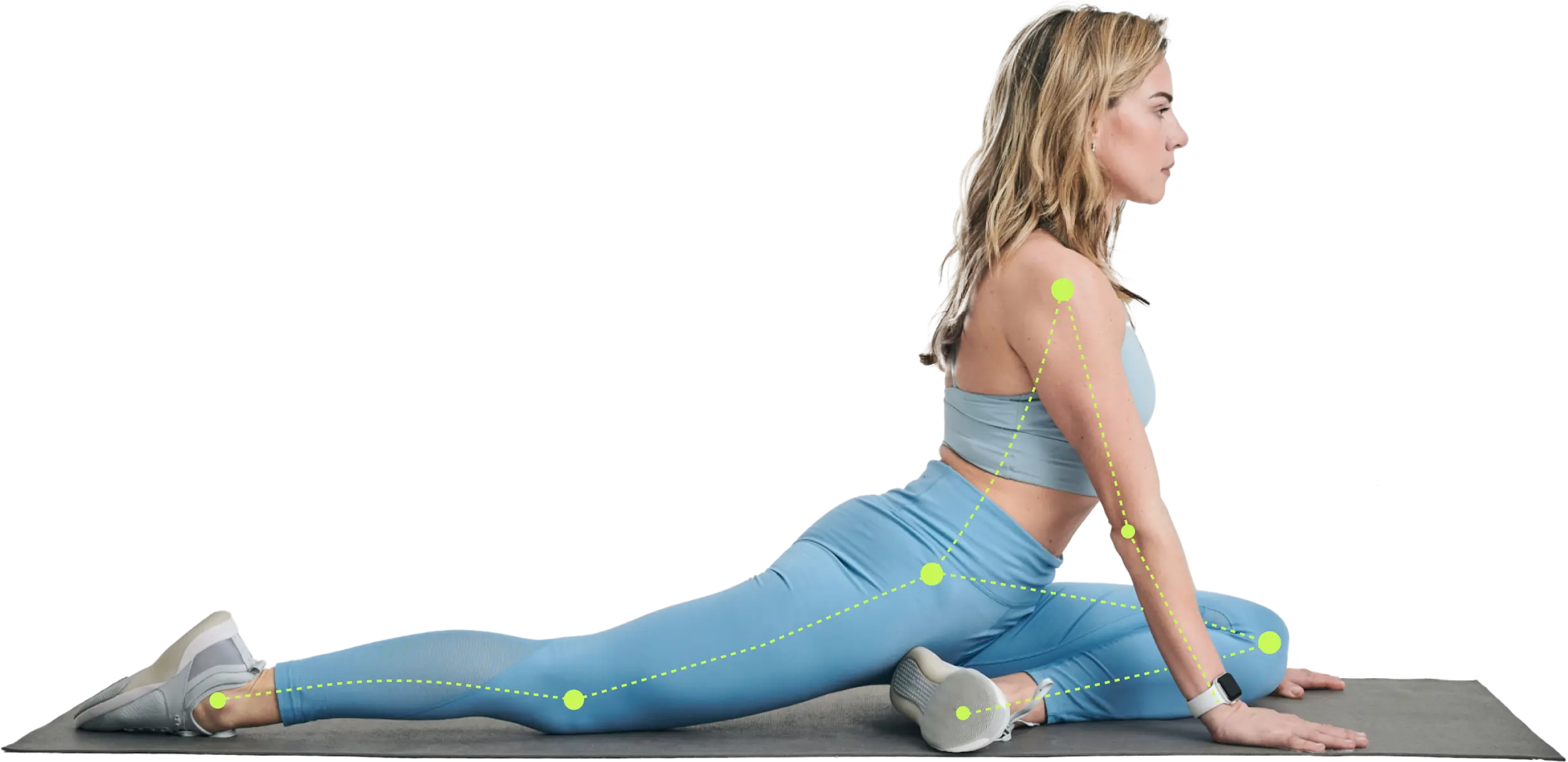
Dips hurt? Find the best triceps dips alternative. Explore 8 exercises for muscle growth, suitable for all levels and equipment.
Your elbows ache after dips. Your shoulders feel pinched at the bottom. Or you train at home and do not have dip bars at all. All three are common, and none of them mean your triceps work needs to stall.
Dips can be productive, but they are only one way to train elbow extension. A better triceps dips alternative is usually the one that matches your structure, your equipment, and your current strength. That is the trade-off good programming solves. The right swap should train the triceps hard without forcing you into a setup your shoulders do not tolerate.
In practice, a useful replacement usually does one of three jobs well. It lets you load the triceps heavily. It keeps tension high through a controlled range. Or it reduces the shoulder extension that bothers many lifters during dips.
Shoulder position matters here. Bench and ring dip variations can increase stress at the front of the shoulder, especially in people with irritation, instability, or poor control at the bottom. If that sounds familiar, a pressing variation with managed depth, or even a barbell floor press setup that limits shoulder extension, is often a better starting point.
This guide organizes the best options by equipment, shoulder friendliness, and difficulty. You will get clear trade-offs, simple sets and reps, and enough context to choose the right movement for strength, muscle, or joint comfort. If you use an app like Zing Coach, that process gets easier because exercise selection and progression can be adjusted to your equipment, tolerance, and training history instead of forcing the same dip variation on everyone.
1. Close-Grip Bench Press
If you want one heavy, practical replacement for dips, start here.
The close-grip bench press lets you train the triceps hard with more external load than most bodyweight options. It also gives you a stable setup, which is a big deal for lifters who feel wobbly or compressed at the bottom of a dip. Powerlifters use it to build lockout strength. Bodybuilders use it to add arm mass. For general lifters, it’s one of the cleanest strength-focused swaps.
Why it works
A closer hand position shifts more of the job toward the triceps, especially the last part of the press when elbow extension finishes the rep. It’s still a compound lift, so your chest and front delts help, but the triceps carry more of the load than they do in a wider-grip bench.
This is also easier to progress than dips for many beginners. You don’t need to manage your full bodyweight in space. You can start light, own the groove, and add load steadily.
For home setups without a rack, the barbell floor press guide from Zing Coach is a useful related pattern because the floor limits depth and can make pressing feel friendlier on irritated shoulders.
Practical rule: If dips bother the front of your shoulder, use a press that lets you control depth and elbow path before you chase more intensity.
Form and programming
Keep your grip around shoulder width or slightly narrower. Don’t go so narrow that your wrists fold inward or your elbows jam. Lower the bar toward the lower chest or sternum, not up toward the neck.
A few cues matter:
- Tuck the elbows: Keep them close to your ribs instead of flaring hard.
- Pause briefly: A short pause on the chest helps you stay honest and keeps the rep controlled.
- Build load slowly: Start lighter than your ego wants. Close-grip bench punishes sloppy setup.
For strength, use sets in the lower rep range (e.g., 4 to 6 reps). For size, use sets in the moderate rep range (e.g., 6 to 10 reps).
This is a strong choice for someone training in a commercial gym, a returning lifter rebuilding pressing strength, or anyone who wants a triceps dips alternative that feels serious and measurable.

2. Dumbbell Skull Crushers
Some alternatives are about load. This one is about direct tension.
Dumbbell skull crushers remove most of the noise from the movement and ask your triceps to do the work. If your dips turn into a chest-and-shoulder exercise, skull crushers solve that fast. They’re a staple for lifters who want fuller upper arms and better definition on the back of the arm.
Where skull crushers beat dips
Dips are a compound pattern. That’s useful, but it also means stronger chest and shoulder muscles can take over. Skull crushers are less forgiving. Your elbows extend the weight or the rep stops.
That makes them a smart hypertrophy choice, especially after a press. They also suit lifters who can’t tolerate deep shoulder extension but still want hard triceps work.
If dumbbells feel awkward, an EZ-bar version gives a smoother wrist position. Zing Coach’s EZ-bar skull crushers exercise page shows that variation clearly.
Lower the weight where you can keep tension on the triceps, not where your shoulders start rolling forward.
How to make them effective
Lie on a flat bench with the dumbbells above your shoulders. Keep the upper arms mostly fixed. Bend at the elbows and lower the weights under control toward the sides of your head, then extend back up.
The biggest mistake is turning the exercise into a pullover. When the upper arm swings too much, the triceps lose tension.
Use these points:
- Keep the elbows steady: Some natural movement is fine, but don’t let them drift all over.
- Slow the lowering phase: A controlled negative makes this exercise feel better and work better.
- Stay moderate with load: Heavy skull crushers with sloppy mechanics are a fast way to annoy elbows.
Program sets in the moderate to higher rep range (e.g., 8 to 15 reps). If your elbows get cranky, raise the reps a little and reduce the load. This works well as a second or third exercise after pressing, especially for lifters chasing arm growth rather than max strength.
3. Push-Ups (Diamond and Standard)
For a lot of people, the best triceps dips alternative isn’t fancy. It’s a push-up done properly.
Close-grip and diamond push-up variations are accessible, scalable, and easier to fit into real life than dips. They also make sense if you train at home, travel often, or want a shoulder-friendlier pressing pattern.
A muscle-and-fitness overview on dip alternatives notes that diamond and narrow-grip push-ups are popular substitutes because they mimic a triceps-dominant pattern with less strain than dips (dip alternatives discussed by Muscle & Fitness).
Which version to choose
Standard push-ups are the entry point. Hands slightly inside shoulder width, elbows tracking close, full-body plank. If you already own that, move your hands closer. Diamond push-ups increase the triceps demand, but they also expose weak wrists, poor shoulder control, and sagging trunk position fast.
If diamonds hurt your wrists, don’t force the hand shape. A narrow push-up with hands just inside shoulder width gives you the same training effect without the irritation.
The pike push-ups exercise page on Zing Coach is a good related option when you want another bodyweight press in the same family.
How to progress them
A lot of people fail push-ups because they start too low and too hard. Raising your hands on a bench, box, or countertop is often the cleanest fix. You keep the movement pattern, but reduce the load enough to hit quality reps.
Use this progression:
- Start with hands raised if needed: Get crisp sets before moving to the floor.
- Bring hands in gradually: Don’t jump straight from wide push-ups to extreme diamonds.
- Earn depth: Chest should get meaningfully low without the hips dropping.
For beginners, several sets of a moderate number of quality reps works well. For stronger lifters, multiple sets of higher reps can be effective, especially with slow eccentrics or pauses.
For lifters with bone-density concerns or shoulder irritation, narrow push-ups are the safer call than dips because they maintain a more controlled shoulder position and stable scapular setup, a point emphasized in MelioGuide’s discussion of tricep dip alternatives for osteoporosis.
4. Cable Rope Pushdowns
When someone tells me they “can’t feel” their triceps on dips, cable rope pushdowns are the fastest fix.
Pushdowns are simple, but not basic. They keep tension where you want it, they’re easy to learn, and they let you train hard without needing much shoulder motion. That combination makes them one of the safest high-rep arm builders in the gym.
Why cables work so well
The cable provides continuous resistance through the rep. You don’t need to balance a barbell or control your whole body in space. You just need to lock your elbows in place and extend.
That makes pushdowns great for beginners, excellent for finishing a push session, and useful during return-to-training phases when heavy pressing still feels rough. Trainers also like them because clients can learn the movement quickly.
If you want another cable-based triceps option, the cable tricep kickbacks page on Zing Coach fits well after pushdowns.
Technique details that matter
Stand tall. Grip the rope neutrally. Keep your elbows pinned near your sides and push the rope down until your arms are straight. At the bottom, separate the rope ends slightly to finish the contraction.
The setup is easy to overcomplicate, so keep it clean:
- Don’t rock your torso: If you’re leaning and swinging, the weight is too heavy.
- Control the return: Letting the stack crash defeats the point.
- Use the full finish: Straight elbows at the bottom matter for triceps recruitment.
For many lifters, several sets in the moderate to higher rep range (e.g., 10 to 15 reps) is effective. If your elbows like higher reps, go there. If your shoulders hate dips but your elbows are fine, this is one of the easiest substitutions to keep in rotation year-round.
5. Overhead Triceps Extension
If your arms look decent from the front but flat from the side, overhead extensions deserve attention.
This pattern places the triceps, especially the long head, in a stretched position. That’s useful because pressing and pushdowns don’t always challenge that part of the muscle the same way. For many lifters, overhead work is the missing piece when arm growth stalls.

Best uses and trade-offs
You can do this with one dumbbell, two dumbbells, a rope on a cable stack, or a kettlebell. Cables feel smoother. Dumbbells are more available. Both work.
The trade-off is shoulder comfort. Some lifters love overhead extensions. Others feel jammed the second the elbows go up. If that’s you, reduce range, lighten the load, or use a cable set slightly behind you. If it still feels wrong, pick another option. Not every triceps exercise suits every shoulder.
A related variation appears on the kettlebell overhead triceps extension page from Zing Coach.
Coaching note: Overhead extensions should create a deep triceps stretch, not a pinch in the top of the shoulder.
How to program them
Keep your elbows pointed generally upward. They don’t need to be glued together, but they also shouldn’t flare wide. Lower slowly behind your head, then extend without bouncing out of the bottom.
This exercise rewards control more than aggression. It is better to perform controlled reps than to struggle through fewer, poorly executed ones.
A strong setup is:
- Several sets
- A moderate to higher number of reps
- moderate load
- smooth tempo
Pair overhead extensions with a press or pushdown and you’ve covered a lot of what dips would have given you, with less shoulder irritation and better direct triceps tension.
6. Resistance Band Triceps Extensions
Bands don’t look impressive, but they solve a lot of real training problems.
If you work out at home, train while traveling, or need a lower-stress option for elbows and shoulders, band triceps extensions are useful. You can anchor the band high for pushdown-style reps or set it for overhead extensions. Either way, you get a cheap, portable substitute that takes almost no setup time.
Why bands earn a place
Band resistance increases as the band stretches. That means the lockout gets harder, which is exactly where the triceps should be finishing the job. For lifters who get irritated in the bottom of dips, that can feel much more forgiving.
Bands also make excellent warm-up work before pressing. A couple easy sets can get blood into the elbows and help you feel the triceps before heavier work.
This isn’t the best pure max-strength choice. It is, however, one of the most practical options for consistency. And consistency beats the perfect exercise you never do.
How to use them well
Anchor the band overhead for pushdowns. Keep the elbows near your sides and extend fully. For overhead extensions, stand on the band or anchor it behind you and press upward.
A few guidelines keep band work productive:
- Chase tension, not chaos: If the band path is sloppy, fix the setup before adding resistance.
- Pause the finish: The hardest point is at the end. Own it.
- Use higher reps: Bands shine in moderate to high rep ranges.
Try several sets of a higher number of reps. These work well at the end of a workout, during deload weeks, or on short home sessions when you need a reliable triceps dips alternative without gym equipment.
7. Bench Dips (or Floor Dips)
You finish a workout, the dip station is taken, and all you have is a bench or a bit of floor space. Bench dips can fill that gap. They are easy to set up, easy to load with bodyweight, and they do train elbow extension well enough to build or maintain triceps work.
They are also the dip alternative I screen most carefully.
Bench dips ask the shoulder to move into a deeper extension position than many lifters tolerate well, especially if they already feel pinching at the front of the shoulder. That does not make the exercise bad. It means the exercise has a narrower group of people who should use it, and a narrower range of motion where it tends to feel good.

Who they fit best
Bench dips work best for lifters with healthy shoulders who want a simple bodyweight option and do not have access to bars, cables, or dumbbells. They can also work as a short-term hotel-gym substitute when your normal triceps choices are limited.
If shoulder comfort is inconsistent, floor dips are usually the better version. The floor cuts off the bottom position for you, which removes the deepest and riskiest part of the rep. That built-in limit is useful for beginners and for anyone who tends to chase depth instead of tension.
How to make them worth using
Keep your hands close to your hips, your chest open, and your back near the bench. Lower under control, then stop once the elbows reach about ninety degrees. For many individuals, going deeper does not improve the training effect. It just increases stress on the front of the shoulder.
Use these coaching rules:
- Bend the knees to reduce load: This is the easiest way to scale the movement.
- Control the lowering phase: Fast drops usually turn into shoulder irritation.
- Stay in your safe depth: A shorter range with clean reps beats forcing the bottom.
- Switch early if pain shows up: Push-ups, pushdowns, and close-grip pressing are usually better choices for sensitive shoulders.
Program several sets of a moderate to higher number of reps. Keep a few reps in reserve instead of grinding. If you use an app like Zing Coach, this is the kind of exercise that benefits from personalization. It helps to match the variation, depth, and volume to your shoulder history and current training level, rather than treating every dip substitute the same.
8. Landmine Press (Unilateral)
If standard overhead pressing bothers your shoulders and dips do too, the landmine press is often the answer.
The bar path arcs forward instead of going straight overhead. That feels smoother on the shoulder, especially for lifters who don’t love deep shoulder extension or full vertical pressing. It’s not a pure triceps isolation exercise, but it’s an excellent compound substitute when you still want pressing strength and strong lockout work.
Why it deserves a spot
At the top of the rep, the elbow has to finish hard. That’s where the triceps come in. The shoulder-friendly pressing path is what makes it different from many dip alternatives. You’re still training a press, just in a friendlier lane.
This is also a strong unilateral option. One arm at a time exposes side-to-side differences and forces your trunk to resist rotation. Athletes, returning lifters, and older trainees often do well with it because the setup feels secure.
Best setup and programming
Half-kneeling is my favorite version. It removes a lot of leg drive and keeps the torso honest. Start with the hand at shoulder height, keep the elbow slightly in front of the body, and press up and out along the arc.
A few coaching points:
- Keep the ribcage down: Don’t turn the press into a backbend.
- Press smoothly: The landmine should feel controlled, not heaved.
- Finish the elbow: Lockout is where the triceps come in.
Use several sets of a moderate number of reps per side for strength and control, or a slightly higher number of reps per side for hypertrophy-focused work.
This is the one I’d give someone who says, “I still want a real press, I just can’t do dips without my shoulders barking.”
8-Exercise Comparison: Triceps Dips Alternatives
| Exercise | Implementation complexity | Resource requirements | Expected outcomes | Ideal use cases | Key advantages |
|---|---|---|---|---|---|
| Close-Grip Bench Press | Moderate, requires solid pressing technique and spotter near failure | Barbell and bench (or dumbbells/Smith) | Increased triceps strength and mass; enables heavy progressive overload | Strength programs, bench lockout work, gym-based upper-body training | Heavy loading, compound efficiency, often less shoulder strain than parallel dips |
| Dumbbell Skull Crushers | Low–Moderate, control and elbow positioning required | Bench and dumbbells (or EZ-bar) | Focused triceps hypertrophy with deep stretch | Bodybuilding, targeted arm training, controlled rehabilitation | Strong isolation stimulus, unilateral option to fix imbalances |
| Push-Ups (Diamond & Standard) | Low, minimal technique but variation nuance for triceps emphasis | None (optional mat or handles) | Improved pressing strength, endurance, and moderate hypertrophy for beginners | Home/travel workouts, beginners, conditioning | Completely accessible, scalable, builds core stability |
| Cable Rope Pushdowns | Low, machine-guided, easy to learn | Cable machine with rope attachment | High muscle pump and targeted hypertrophy with constant tension | Gym bodybuilding, finishers, technique coaching | Constant tension, wrist-friendly path, easy weight adjustments |
| Overhead Triceps Extension | Moderate, needs shoulder mobility and core bracing | Single dumbbell, two dumbbells, or cable | Emphasizes long-head development and overall arm size | Hypertrophy-focused programs, accessory on push days | Excellent long-head stretch, seated option reduces cheating |
| Resistance Band Triceps Extensions | Low, simple movement control, very joint-friendly | Resistance bands and anchor or body anchor point | Good activation, variable resistance, useful for endurance and rehab | Travel, home workouts, warm-ups, rehab | Highly portable, safe, matches natural strength curve |
| Bench Dips (Floor Dips) | Low, easy to perform but high shoulder risk if done poorly | Stable bench, chair, or step | Bodyweight triceps strength with limited ROM; scalable difficulty | Quick hotel/office workouts, beginner bodyweight programs | Extremely accessible and easy to scale by leg position |
| Landmine Press (Unilateral) | Moderate, learning curve for arcing path and stability | Barbell and landmine unit (or anchored corner) | Shoulder-friendly pressing strength, triceps development and core stability | Athletes, shoulder-rehab progressions, those who avoid overhead pain | Joint-friendly arcing press, unilateral balance, safe heavy loading |
Choosing Your Best Triceps Dips Alternative
The best triceps dips alternative is the one you can train hard, recover from, and repeat next week without dreading it.
That sounds obvious, but plenty of lifters keep chasing dips because they look like a badge of honor. If your shoulders hate them, your wrists complain, or your setup at home makes them impractical, forcing the movement isn't productive. Strong triceps don’t care whether the stimulus came from parallel bars, a cable stack, dumbbells, or a good push-up variation. They care about tension, effort, and consistency.
A simple way to choose is to match the exercise to your main goal.
If you want strength, use close-grip bench press or the unilateral landmine press as your lead movement. If you want muscle growth, build around skull crushers, overhead extensions, and rope pushdowns. If you need a home-friendly option, push-ups and resistance bands cover a lot of ground. If you still want a dip-like movement with minimal equipment, bench dips can work, but only if your shoulders tolerate the position.
There are also real trade-offs.
Compound lifts let you use more load, but they spread work across more muscles. Isolation lifts hit the triceps more directly, but they need better control and more careful loading. Bodyweight options are convenient, but they can be hard to progress unless you change mechanical advantage, tempo, or range. That’s normal. Good programming uses more than one category instead of pretending a single exercise solves everything.
A practical weekly setup might look like this:
- Strength day: Close-grip bench press for several sets, then rope pushdowns
- Hypertrophy day: Overhead extensions plus skull crushers
- Home session: Narrow or diamond push-ups, then band extensions
That’s enough variety to train the triceps from different angles without making your workouts complicated.
If you use an adaptive app, personalization becomes very helpful. Zing Coach can tailor sessions around your available equipment, track form with computer vision, and adjust training based on your fitness test, body composition scan, and recovery inputs. For someone rebuilding after time off or managing old shoulder issues, that kind of structure can make exercise selection much easier.
Bottom line: don’t judge an exercise by how advanced it looks. Judge it by whether it builds your triceps, respects your joints, and fits your real life. Do that for a few months and your arms will tell the story.
If you want help picking the right triceps dips alternative for your equipment, goals, and joint history, Zing Coach can build a personalized plan and adapt it as your strength improves.
Share this article


Authors