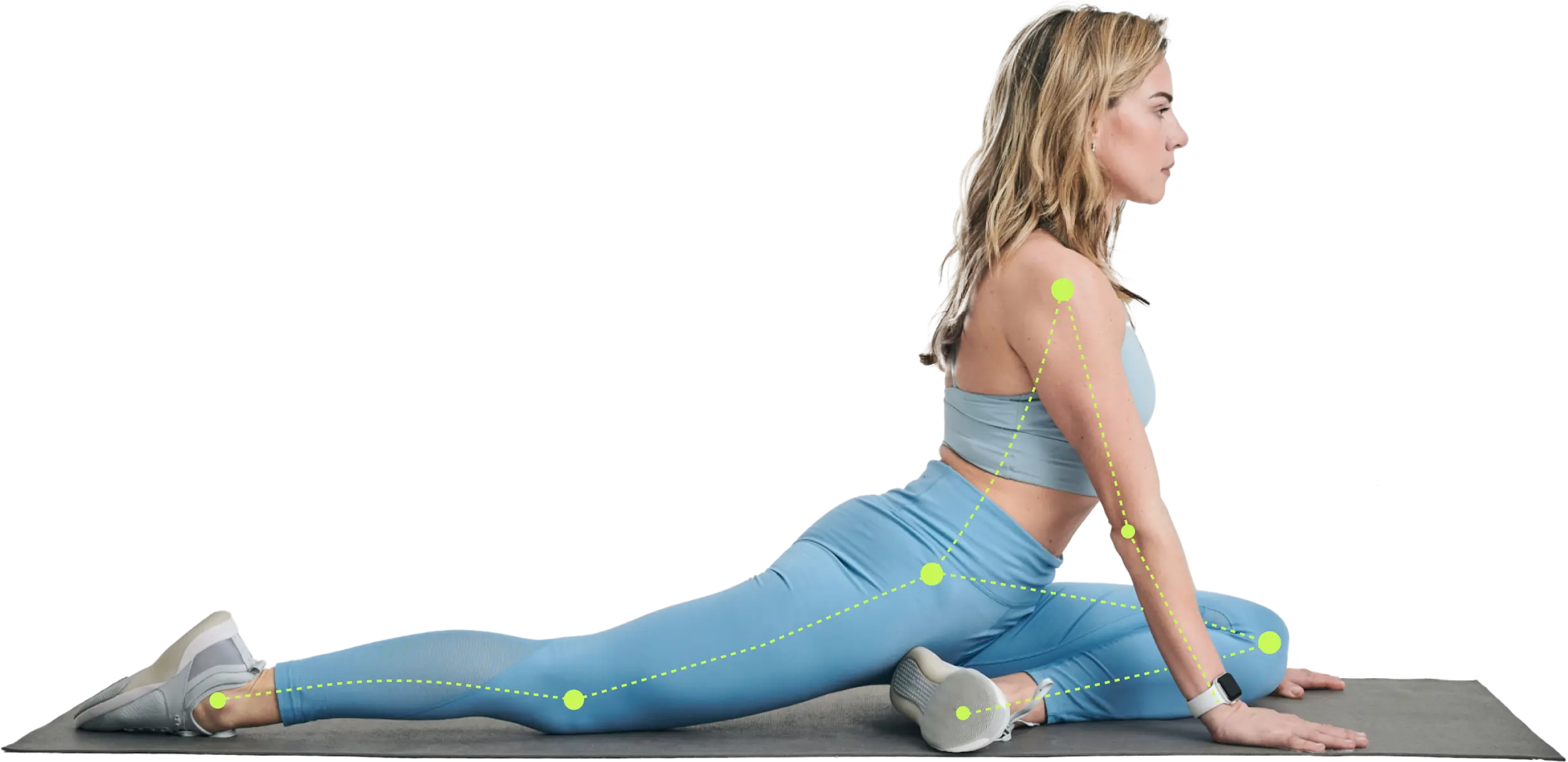
Learn to manage Delayed Onset Muscle Soreness (DOMS) with Zing Coach’s personalized workout plans and recovery techniques, ensuring optimal muscle freshness and enhanced performance.
![The Pain and the Gain: Understanding DOMS [Muscle Recovery]](/_next/image?url=https%3A%2F%2Fwww.zing.coach%2Flibrary%2Funderstanding-doms-preview.png&w=3840&q=75)
Remember your first workout? You felt like a superhero, lifting weights and pushing limits. Then, the next day, you could barely move. Welcome to the world of Delayed Onset Muscle Soreness (DOMS). It's a rite of passage for every fitness newbie, and managing it with the right prep and recovery is key to long-term success. In this article, you’ll learn about DOMS, ensuring proper muscle freshness and recovery, and the importance of warm-ups and cool-downs.
Understanding Delayed Onset Muscle Soreness (DOMS)
Delayed onset muscle soreness (DOMS) is a common experience among athletes and fitness enthusiasts. It typically sets in 12 to 24 hours after exercise, peaking around 24 to 72 hours post-workout. This soreness is a natural part of the muscle recovery process, signaling that your muscles are adapting and getting stronger. Whether you're new to fitness or an experienced athlete pushing your limits, understanding DOMS can help you manage and minimize discomfort, allowing you to stay on track with your fitness goals.
Causes and Symptoms
DOMS results from microscopic tears in the muscle fibers caused by intense or unfamiliar physical activity. These microtears lead to inflammation, which triggers pain receptors, causing the familiar soreness and stiffness. Common symptoms of DOMS include:
- Muscle pain and tenderness
- Stiffness and reduced range of motion
- Swelling in the affected muscles
- Temporary loss of muscle strength
Engaging in exercises that your muscles are unaccustomed or trying or intensified workouts challenge your muscles in ways they are not used and can significantly increase the likelihood of experiencing DOMS.
How DOMS Affects Workout Performance
DOMS can significantly impact workout performance if not managed properly. Soreness and stiffness can reduce your range of motion, making it difficult to perform exercises with correct form. The temporary loss of muscle strength can also affect your ability to lift weights at your usual capacity, potentially leading to frustration and decreased motivation.
Managing DOMS: Treatment and Prevention
Effective management and prevention of DOMS involve a combination of rest, active recovery, and proper nutrition. Here are some strategies to help you manage and prevent DOMS:
Rest and Active Recovery
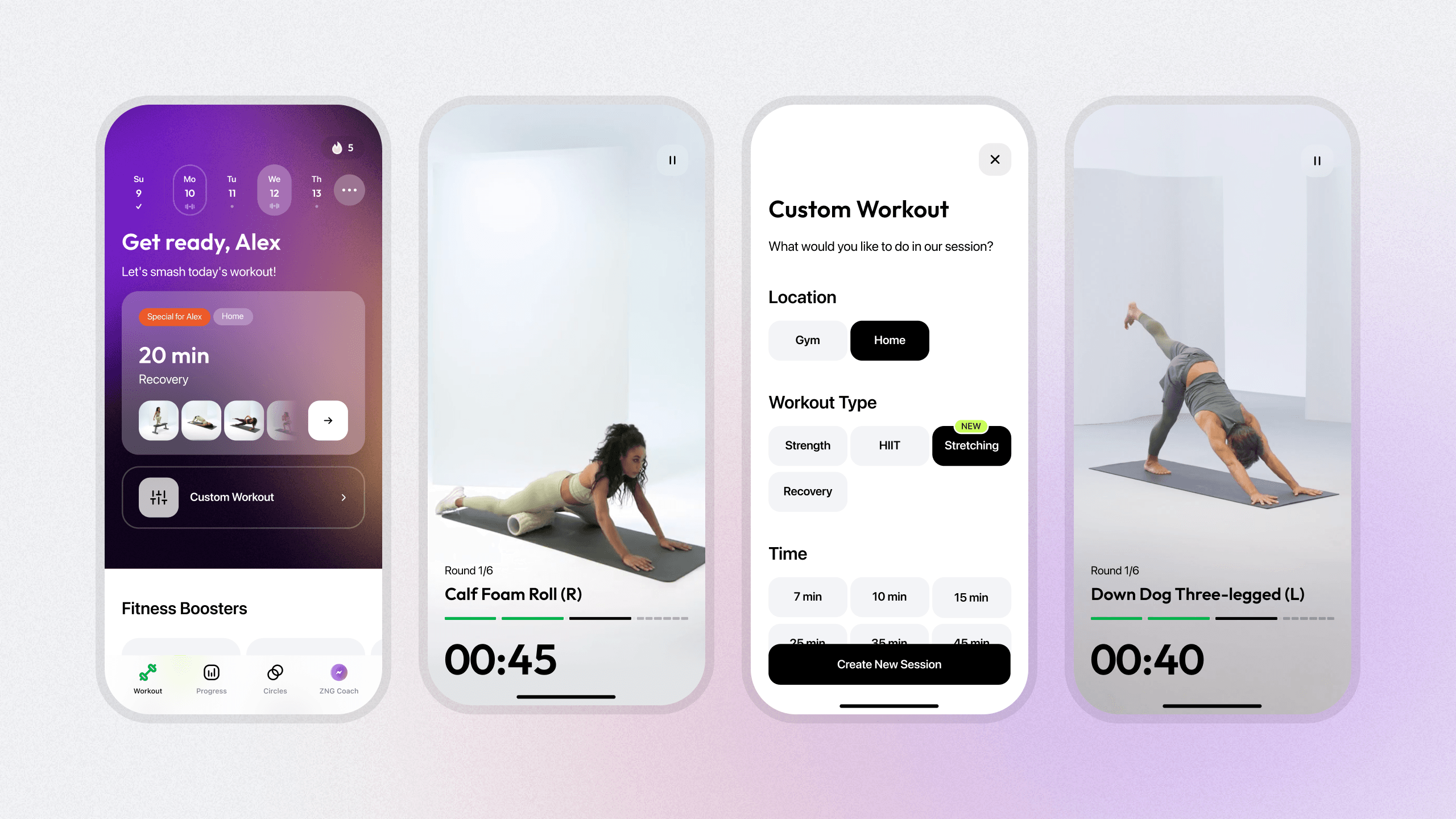
While rest is crucial, complete inactivity is not always the best approach. Light, active recovery exercises can help increase blood flow to the affected muscles, promoting faster recovery. Gentle stretching and low-intensity activities like walking or cycling can be beneficial. At-home exercises, such as bodyweight movements and yoga, are excellent for maintaining activity without overloading sore muscles.
Stretching
Utilize dynamic and static stretches to elongate the muscles and increase joint mobility to improve flexibility. Increased flexibility improves overall physical performance and has a variety of holistic benefits like reducing injury risk and relaxing the mind and body. To optimize your stretching workouts and track progress, test your flexibility regularly. This helps identify areas needing improvement and ensures your flexibility exercises are effective.

Gradual Progression
To minimize the risk of severe DOMS, gradually increase the intensity and volume of your workouts. Start with lighter weights and fewer sets, progressively increasing as your muscles adapt. Zing's personalized workout plans are designed to ensure this gradual progression, helping your muscles adapt safely while minimizing the risk of severe soreness.
Proper Technique
Ensuring proper technique reduces the risk of DOMS and injury. Focus on maintaining a neutral spine, engaging your core, and using controlled movements. Zing Coach offers demonstration videos and audio guidance to help you perfect your form. You can also ask your AI coach any specific questions about form to ensure you're performing exercises correctly.
Nutrition and Hydration
Proper nutrition plays a vital role in muscle recovery. Consuming a balanced diet rich in protein, healthy fats, and carbohydrates can help repair muscle tissue and reduce inflammation. Staying hydrated is equally important, as dehydration can exacerbate muscle soreness. For optimal results, consider purchasing the Zing Nutrition Guide, which provides a personalized plan tailored to your fitness goals. Tap on "Get More From Zing" on your Workout tab to access your Nutrition Guide.
Recovery Techniques
Incorporating recovery techniques such as foam rolling, massage, and ice baths can help alleviate DOMS. These methods can reduce muscle tightness and improve blood circulation, promoting faster healing. Zing’s recovery workouts also include active recovery techniques, which further enhance blood flow and aid in reducing post-workout stiffness.
The Importance of Warm-Ups and Cool-Downs
Warm-ups and cool-downs are critical components of any exercise routine, helping to prevent DOMS and promote overall muscle health. A proper warm-up prepares your body for physical activity by gradually increasing your heart rate and blood flow to the muscles. This can include dynamic stretches, light cardio, and mobility exercises. Cool-downs, on the other hand, help your body transition back to a resting state, reducing muscle stiffness and soreness. This can include static stretching, light cardio, and deep breathing exercises. Zing Coach recommends adding a warm-up and cool-down to each workout to ensure your muscles are prepared for the activity and can recover more efficiently afterward.
Overtraining vs. DOMS
It's essential to distinguish between overtraining and DOMS, as they are often confused. Overtraining refers to a neurological and psychophysical overload leading to a clear drop in performance and overall well-being, with symptoms similar to chronic fatigue syndrome. For the average person with a balanced lifestyle, the likelihood of overtraining is minimal.
Professional athletes who train for several hours daily avoid overtraining with proper periodization, sleep, nutrition, and recovery activities . For most fitness enthusiasts, even those training intensely, overtraining is unlikely unless accompanied by poor sleep, nutrition, and high stress levels.
Most people confuse overtraining with the normal healthy general physical tiredness following an intensive training session or with DOMS . Neither of these feelings are overtraining. In fact, they are positive signals of workout effectiveness, provided they are mild. Severe DOMS lasting more than three days or causing significant pain indicates overexertion, necessitating lighter workouts to promote safe strengthening.
Final Thoughts
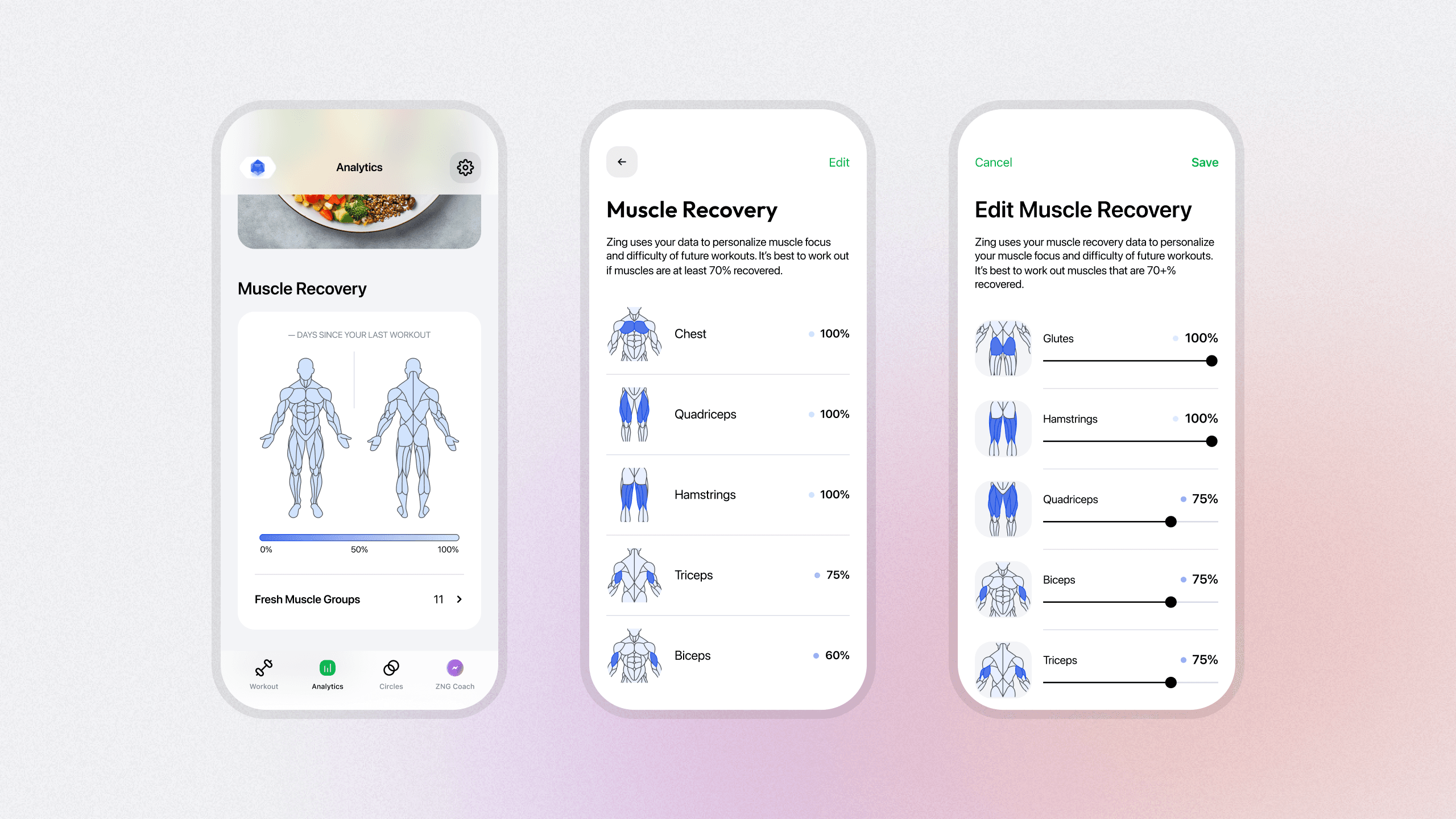
Zing’s approach to recovery revolves around the nuances mentioned in this article. Zing Coach's carefully calibrated workouts are designed to create mild DOMS while adjusting intensity and load to avoid demotivation or unsafe conditions, helping you achieve optimal training results with minimal discomfort. While DOMS is a natural part of the muscle adaptation process, by understanding how to manage and prevent it with effective recovery strategies and Zing Coach’s Muscle Freshness and Recovery features you can enhance your workout performance and continue making progress toward your fitness goals.
FAQ
Tags
Share this article


Authors


Medically reviewed
Dr. Andrew Belaveshkin, PhDGeneral Medicine Practitioner, specialist in preventative medicine and healthy lifestyle, author and speaker on wellness and longevity.