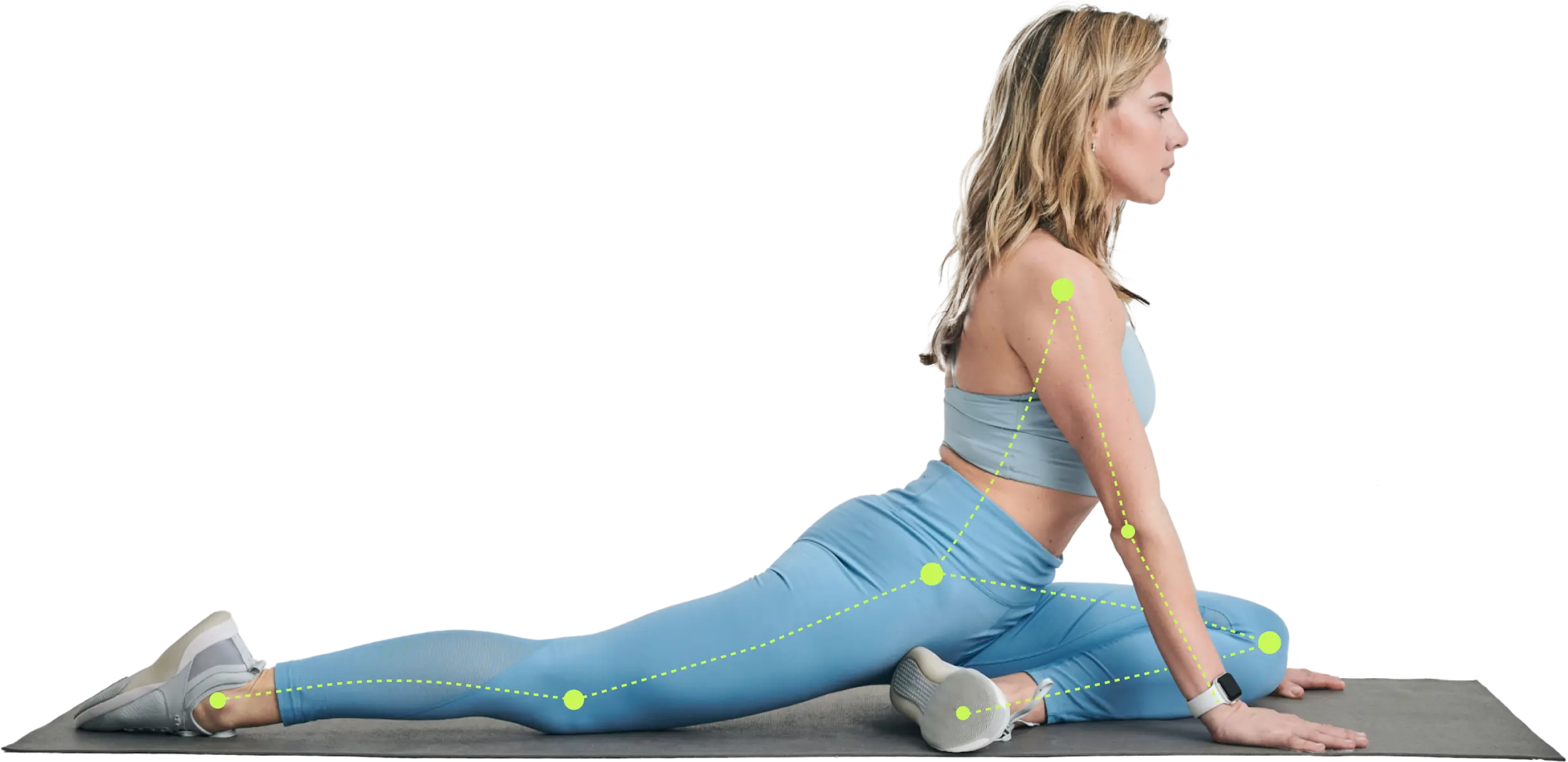
Ways to lose belly fat: Learn science-backed workouts, nutrition, and stress strategies for lasting, sustainable results.
Belly fat is more than a cosmetic issue; it's a critical indicator of metabolic health. Specifically, the fat stored deep within your abdomen, known as visceral fat, is linked to significant health risks. To truly target belly fat, it's helpful to start by understanding what visceral fat is, the deeper, more dangerous type of fat that accumulates around your organs. With so much conflicting advice online, finding effective ways to lose belly fat can feel like an impossible task. This guide cuts through that noise.
We have compiled 10 evidence-based, actionable strategies that work together to help you reduce abdominal fat and improve your overall body composition. Forget vague tips and quick fixes. This is a sustainable roadmap grounded in science, offering practical steps you can implement immediately. Our focus is on a comprehensive approach that combines nutrition, targeted exercise, and essential lifestyle habits for lasting results.
As we detail each method, from high-protein diets and resistance training to sleep optimization, we will also explain how the Zing Coach AI personalizes these strategies for you. Zing uses data-driven insights, body composition tracking, and computer-vision coaching to tailor your plan, provide real-time feedback, and ensure your dedicated efforts translate into measurable, visible progress. This isn't just a list; it's a blueprint for a stronger, leaner, and healthier you.
1. Strategy 1: Prioritize a High-Protein Diet for Satiety and Metabolism
One of the most effective ways to lose belly fat starts on your plate. Prioritizing a high-protein diet is a cornerstone strategy because it fundamentally alters your body's energy balance and appetite control. Unlike fats and carbohydrates, protein requires more energy to digest, a phenomenon known as the thermic effect of food (TEF). This means your body naturally burns more calories just by processing the protein you eat.
More importantly, protein is a powerful tool for managing hunger. It significantly influences key satiety hormones, such as ghrelin (the "hunger" hormone) and PYY (a gut hormone that signals fullness). By increasing protein intake, you can effectively suppress ghrelin and boost PYY, leading to a sustained feeling of fullness that makes it easier to consume fewer calories overall without feeling deprived. This makes the essential goal of maintaining a calorie deficit far more sustainable.
How to Implement This Strategy
To effectively integrate more protein, aim for a daily intake of approximately 1.2 to 1.6 grams of protein per kilogram of body weight. Distribute this intake evenly across your meals to maximize its benefits on satiety and muscle preservation throughout the day.
- Breakfast: Start your day with protein-rich options like Greek yogurt, scrambled eggs, or a protein smoothie. This helps set a stable foundation for appetite control.
- Lunch and Dinner: Center your meals around lean protein sources such as chicken breast, fish (like salmon or tuna), tofu, lentils, or lean beef.
- Smart Snacking: Instead of reaching for high-carb snacks, choose options that will keep you full between meals. Indeed, high-protein snacks for weight loss are a powerful tool, as they help boost metabolism and curb cravings, making them an excellent complement to a high-protein diet.
Zing Coach Integration: The Zing Coach app simplifies this process by helping you set and track nutritional goals. You can log your meals and monitor your protein intake to ensure you're consistently hitting your targets, turning this powerful nutritional strategy into a simple daily habit.
2. Intermittent Fasting (IF)
Intermittent fasting (IF) is not a diet but an eating pattern that cycles between periods of eating and voluntary fasting. Rather than focusing on what you eat, it emphasizes when you eat. This approach helps reduce overall calorie intake by simply limiting the time you have available to consume food, making it easier to achieve the calorie deficit needed for fat loss.
Furthermore, fasting triggers key metabolic changes. When you fast, your body’s insulin levels drop significantly, which facilitates fat burning. It also increases levels of human growth hormone (HGH), which can help preserve muscle mass while you lose fat. This hormonal shift makes intermittent fasting a potent tool among the different ways to lose belly fat, as it encourages your body to use its stored fat for energy.
How to Implement This Strategy
To start with intermittent fasting, it's best to choose a method that aligns with your lifestyle and ease into it. The goal is sustainability, not extreme restriction. The most popular method is the 16/8 method, where you fast for 16 hours and have an 8-hour eating window.
- Start Gradually: Begin with a shorter fasting window, like 12 hours, and slowly extend it as your body adapts. For example, stop eating at 8 p.m. and have your first meal at 8 a.m. the next day.
- Stay Hydrated: During your fasting period, drink plenty of water, black coffee, or unsweetened tea. This helps manage hunger and keeps you hydrated without breaking your fast.
- Break Your Fast Smartly: When your eating window opens, focus on nutrient-dense foods. Breaking your fast with a balanced meal of protein, healthy fats, and complex carbohydrates will provide sustained energy and prevent overeating. Avoid starting with high-sugar or processed foods.
- Popular Methods: Besides 16/8, other methods include the 5:2 diet (eating normally for five days and restricting to 500-600 calories for two non-consecutive days) and Eat-Stop-Eat (a 24-hour fast once or twice a week).
Zing Coach Integration: Intermittent fasting is easier to manage when you can track your eating windows and nutritional intake. The Zing Coach app allows you to log your meals and set fasting timers, helping you stay consistent with your chosen schedule while ensuring you meet your nutrient goals within your eating window.
3. High-Intensity Interval Training (HIIT) for Maximum Calorie Burn
When it comes to efficient fat loss, High-Intensity Interval Training (HIIT) is a game-changer. This training method involves short, all-out bursts of intense exercise alternated with brief recovery periods. This approach elevates your heart rate dramatically, leading to a significant calorie burn in a fraction of the time compared to traditional steady-state cardio.
The real power of HIIT lies in its ability to boost your metabolism for hours after your workout is over, a phenomenon known as excess post-exercise oxygen consumption (EPOC), or the "afterburn effect." This means your body continues to burn calories and fat long after you've finished exercising, making it an incredibly effective strategy for reducing belly fat.

How to Implement This Strategy
To incorporate HIIT, start with one or two sessions per week, allowing at least 48 hours for recovery between them. A proper warm-up is crucial to prevent injury. Focus on maintaining good form even as you get tired. Here are some classic HIIT protocols to get you started:
- Sprints: Perform an all-out sprint for 30 seconds, followed by 60-90 seconds of jogging or walking to recover. Repeat this cycle 6 to 10 times.
- Tabata Protocol: This involves 20 seconds of maximum effort exercise (like burpees or jump squats) followed by 10 seconds of complete rest. Repeat for a total of eight rounds (four minutes).
- Jump Rope Circuits: Jump rope as fast as you can for 30 seconds, then rest for 30 seconds. Repeat for 10-15 minutes. For more details on effective cardio, explore this complete guide to high-intensity interval training.
Zing Coach Integration: The Zing Coach app personalizes HIIT workouts to match your fitness level and goals. The app's computer-vision technology analyzes your form in real-time to ensure you perform exercises correctly and safely, maximizing results while minimizing injury risk.
4. Build Muscle with Resistance Training to Boost Metabolism
While cardio is often the first thought for fat loss, resistance training is a powerhouse strategy for reducing belly fat by fundamentally changing your body composition. Strength training builds and maintains lean muscle mass, which is metabolically more active than fat tissue. This means the more muscle you have, the more calories your body burns at rest, a concept known as your resting metabolic rate (RMR). This "afterburn" effect elevates your metabolism long after your workout is over.
Focusing on building muscle shifts the goal from just losing weight to improving your body's fat-to-muscle ratio. This not only helps in shedding visceral fat but also creates a stronger, more toned physique. Unlike dieting alone, which can lead to muscle loss, combining it with weight lifting ensures you preserve this crucial, calorie-burning tissue, making your fat loss efforts more effective and sustainable.
How to Implement This Strategy
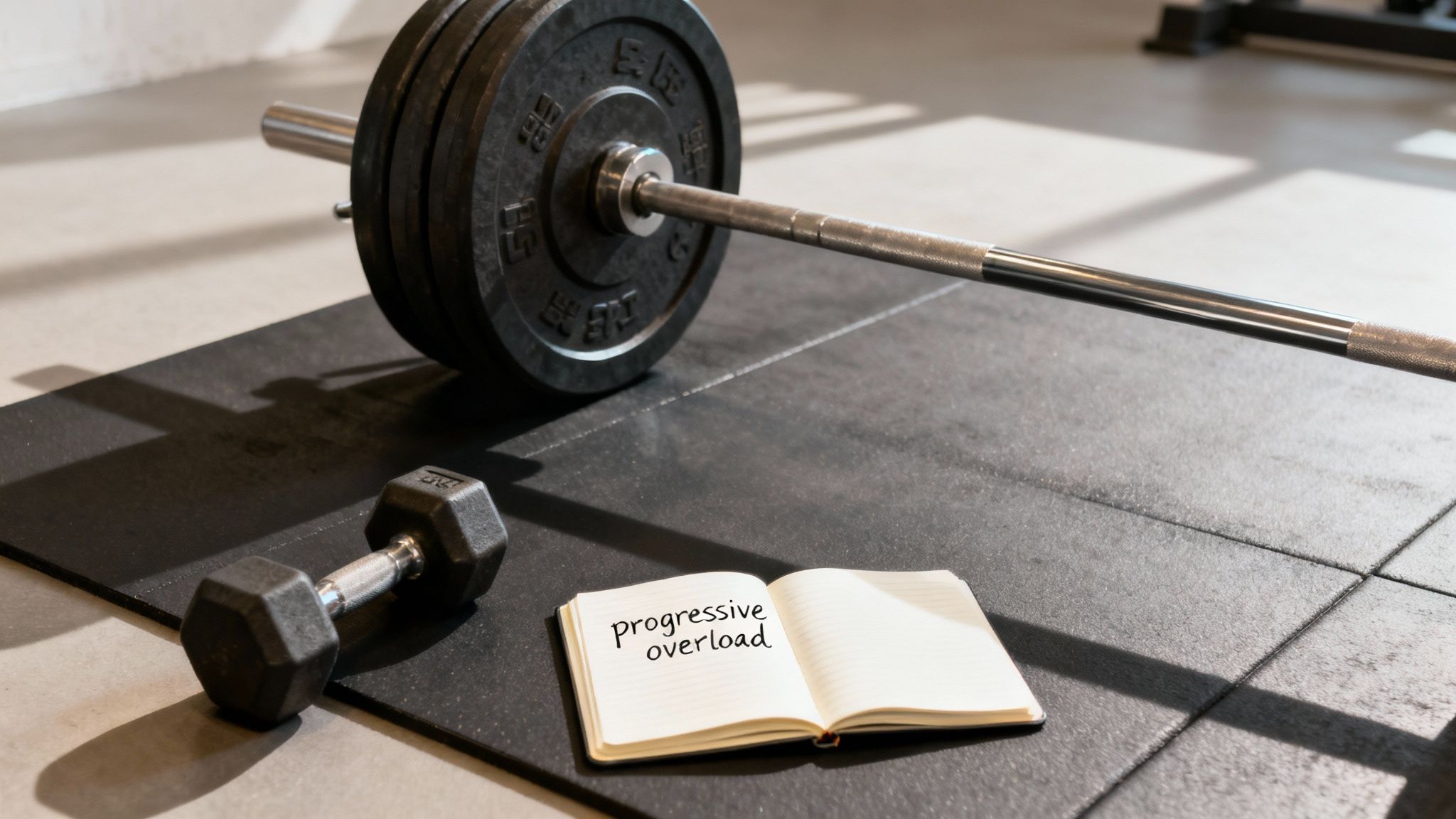
To effectively leverage resistance training, aim for 3 to 4 sessions per week, allowing for rest days to promote muscle recovery and growth. The key principle is progressive overload, which means gradually increasing the challenge to your muscles over time by lifting heavier weights, doing more reps, or reducing rest periods. A well-rounded strength training for weight loss plan will deliver the best results.
- Prioritize Compound Movements: Build your workouts around exercises that engage multiple muscle groups simultaneously, such as squats, deadlifts, bench presses, and overhead presses. These are highly efficient for building overall strength and burning more calories.
- Structure Your Week: A popular and effective split is Push/Pull/Legs, where you train upper body pushing muscles (chest, shoulders, triceps) one day, pulling muscles (back, biceps) another, and your lower body on a third day.
- Focus on Form First: Always prioritize proper technique over lifting heavy weight to prevent injury and ensure you are effectively targeting the right muscles. Start with lighter weights or bodyweight exercises to master the movements.
Zing Coach Integration: The Zing Coach app creates personalized strength training programs that adapt to your fitness level and goals. Its computer-vision technology analyzes your form to provide real-time feedback, ensuring you perform exercises like squats and lunges safely and effectively, maximizing every workout's fat-burning potential.
5. Adopt a Low-Carbohydrate Diet for Fat-Fueled Metabolism
Another powerful dietary strategy for reducing belly fat involves significantly lowering your carbohydrate intake. A low-carbohydrate or ketogenic (keto) diet shifts your body's primary energy source from glucose (from carbs) to fat. When carbohydrate intake is sufficiently low, your body enters a metabolic state called ketosis, where it becomes incredibly efficient at burning its own fat stores for fuel, including stubborn visceral fat.
Beyond this metabolic shift, low-carb diets are highly effective at reducing appetite. The stable energy supply from fats and the reduction in blood sugar swings help control hunger and cravings, making it easier to naturally decrease calorie consumption. Studies consistently show that individuals on low-carb diets often experience greater short-term weight loss and reductions in abdominal fat compared to those on low-fat diets, making it one of the most direct ways to lose belly fat through nutrition.
How to Implement This Strategy
A standard ketogenic diet typically involves getting 70-75% of your calories from fat, 20-25% from protein, and only 5-10% from carbohydrates (usually under 50 grams per day). A more moderate low-carb approach might aim for under 130 grams per day.
- Focus on Whole Foods: Build your meals around healthy fats and proteins like avocado, olive oil, nuts, seeds, fatty fish (salmon), meat, and eggs. Pair these with low-carb vegetables such as leafy greens, broccoli, and cauliflower.
- Manage Electrolytes: When you cut carbs, your body sheds water and essential electrolytes. Be sure to supplement with sodium, potassium, and magnesium to avoid the "keto flu" and maintain energy levels.
- Track Your Carbs: Initially, use an app to meticulously track your carbohydrate intake to ensure you're staying within your target range and successfully entering ketosis.
- Be Patient: Allow your body a 2-4 week adaptation period to become efficient at using fat for fuel. You may feel tired at first, but energy levels typically stabilize and improve afterward.
Zing Coach Integration: Making a major dietary shift like going low-carb can feel overwhelming. The Zing Coach app provides customized meal plans and recipes that fit low-carb or keto macros. You can log your food directly in the app to track your carb, fat, and protein intake, ensuring you stay on target to meet your goals.
6. Walking and Low-Intensity Steady-State Cardio
While high-intensity workouts are often praised, one of the most sustainable and effective ways to lose belly fat is through consistent, low-intensity steady-state (LISS) cardio. This type of exercise involves maintaining a moderate, conversational pace, typically around 50-65% of your maximum heart rate. Its primary advantage is its accessibility and low impact, making it a powerful tool for burning calories without causing excessive stress on the body or central nervous system.
LISS cardio primarily utilizes fat for fuel, making it an excellent method for reducing overall body fat, including visceral belly fat. Unlike high-intensity training, it's easier to recover from, allowing you to perform it more frequently and build a consistent routine. This consistency is crucial for creating the sustained calorie deficit needed for fat loss. By making activities like walking a non-negotiable part of your daily life, you steadily increase your total daily energy expenditure.
How to Implement This Strategy
The key to success with LISS is consistency. Aim for at least 150 minutes of moderate-intensity cardio per week, as recommended by general health guidelines. This can be broken down into manageable sessions throughout your week.
- Daily Walks: Incorporate a brisk 30-45 minute walk into your daily schedule. This could be in the morning, during a lunch break, or after dinner to aid digestion.
- Incline Training: To increase the intensity without increasing the impact, try walking on a treadmill at a moderate pace (3-4 mph) with a 10-15% incline.
- Varied Activities: Keep your routine interesting by cycling at a steady pace (12-15 mph) or swimming laps for 30-45 minutes continuously.
- Track Your Progress: Use a pedometer or fitness tracker to aim for a daily goal of 8,000 to 10,000 steps. This provides a simple, measurable target.
Zing Coach Integration: The Zing Coach app features a vast library of guided LISS cardio workouts, including treadmill routines and bodyweight circuits. You can easily schedule these sessions into your personalized plan, track your duration and intensity, and see how your consistent effort contributes to your overall fat loss goals.
7. Strategy 7: Master Calorie Deficit and Portion Control
The bedrock principle behind all fat loss, including stubborn belly fat, is the calorie deficit. This fundamental concept dictates that to lose weight, you must consume fewer calories than your body expends for energy. By creating a sustained, moderate deficit, you compel your body to tap into its stored energy reserves, primarily fat, to make up the difference.
This "Calories In, Calories Out" (CICO) model is the non-negotiable core of any effective strategy for reducing body fat. While factors like hormones and metabolism play a role, they operate within this energy balance framework. Mastering a calorie deficit, either through precise tracking or intuitive portion control, provides the necessary environment for your body to shed excess fat from all areas, including the abdominal region.
How to Implement This Strategy
The goal is to create a sustainable deficit, typically around 300 to 500 calories per day below your maintenance level. This moderate approach promotes fat loss while minimizing muscle loss and metabolic slowdown.
- Calculate Your Needs: Start by using a TDEE (Total Daily Energy Expenditure) calculator to estimate your daily maintenance calories. This gives you a baseline from which to subtract your deficit.
- Track Your Intake: For precision, use an app to log your food. This method removes guesswork and helps you understand the caloric density of different foods, making it one of the most reliable ways to lose belly fat.
- Practice Portion Control: If tracking isn't for you, use visual cues. Use your hand as a guide: a palm-sized portion for protein, a cupped hand for carbs, and a thumb-sized portion for fats. Using smaller plates and bowls can also psychologically help you consume less.
- Prioritize Nutrient-Dense Foods: Fill your reduced calorie budget with high-protein and high-fiber foods (vegetables, lean meats, legumes) to stay full and satisfied, making the deficit easier to maintain.
Zing Coach Integration: Zing’s nutrition tracker is built to make this process seamless. The app helps you calculate your ideal calorie target for fat loss and allows you to easily log meals. By monitoring your progress, you can make informed adjustments, ensuring your strategy remains effective as your body changes. Combined with body composition tracking, this provides a complete picture of your success, moving beyond just the number on the scale. For more insight, explore how to measure body fat percentage.
8. Reduce Sugar and Processed Foods
One of the most impactful ways to lose belly fat is to tackle the sources of empty calories and hormonal disruption in your diet. Reducing refined sugars and ultra-processed foods is a critical strategy because these items are engineered to be calorie-dense, nutrient-poor, and promote overconsumption. High intake of added sugar, particularly fructose, is directly linked to insulin resistance and the accumulation of visceral fat around the organs.
Furthermore, these foods are typically low in fiber and protein, meaning they do little to make you feel full. This leads to a cycle of cravings and overeating, making it incredibly difficult to maintain the calorie deficit needed for fat loss. By cutting back, you stabilize blood sugar levels, reduce insulin spikes that signal fat storage, and naturally lower your overall calorie intake without feeling constantly hungry.
How to Implement This Strategy
To successfully minimize sugar and processed foods, focus on replacing them with whole, nutrient-dense alternatives. The goal is to make conscious, gradual changes that become sustainable habits.
- Read Labels Diligently: Start by checking the "Added Sugars" line on nutrition labels. Aim for products with less than 5 grams of added sugar per serving. Be wary of hidden sugars in sauces, dressings, and so-called "healthy" snacks.
- Swap Your Drinks: Liquid calories are a major culprit. Replace sodas, sugary lattes, and fruit juices with water, herbal tea, or black coffee. This single change can eliminate hundreds of calories from your daily diet.
- Prioritize Whole Foods: Build your meals around ingredients found on the perimeter of the grocery store: fresh produce, lean proteins, and whole grains. Cook at home as much as possible to control exactly what goes into your food. This helps you avoid the common pitfalls of nutrition misinformation that often disguise processed foods as healthy choices.
Zing Coach Integration: Navigating nutrition labels can be confusing, but Zing Coach simplifies it. Use the app's meal logger to track your sugar intake and identify hidden sources. The app provides healthy recipe suggestions and helps you build a meal plan centered on whole foods, making it easier to break free from processed options and achieve your belly fat loss goals.
9. Strategy 9: Consider GLP-1 Receptor Agonist Medications (Ozempic, Wegovy)
While lifestyle changes are fundamental, medical interventions have emerged as powerful tools for significant weight loss, including the reduction of stubborn belly fat. GLP-1 receptor agonists are a class of prescription medications, including well-known names like Ozempic and Wegovy, that have revolutionized medical weight management. Originally developed for type 2 diabetes, these drugs work by mimicking a natural gut hormone called glucagon-like peptide-1.
This action has a profound impact on appetite and digestion. GLP-1 agonists slow down gastric emptying, meaning food stays in your stomach longer, which enhances feelings of fullness. More significantly, they act on the brain's hunger centers to reduce appetite and cravings. This dual mechanism makes it substantially easier for individuals to adhere to a calorie deficit, leading to significant and sustained weight loss, which is one of the most direct ways to lose belly fat.
How to Implement This Strategy
This approach must be undertaken strictly under the guidance of a qualified healthcare provider. It is not a standalone solution but a tool to be used alongside a comprehensive lifestyle overhaul for lasting success.
- Medical Consultation is Essential: These are prescription-only medications. A doctor will assess your overall health, BMI, and any co-existing conditions to determine if you are a suitable candidate.
- Prioritize Lifestyle Changes: To maximize results and maintain them long-term, combine medication with a balanced diet rich in protein and regular physical activity, including resistance training to preserve muscle mass.
- Manage Side Effects: Be prepared for potential gastrointestinal side effects like nausea or constipation, especially when starting the medication. Your doctor will provide strategies to manage them.
- Plan for the Long Term: Discuss a long-term plan with your provider. Weight can be regained after stopping the medication, so establishing sustainable habits is critical.
Zing Coach Integration: While Zing Coach does not prescribe or advise on medication, it is an indispensable partner in this journey. The app’s structured workout plans ensure you build and maintain lean muscle mass while the medication helps with fat loss. Furthermore, its meal logging and nutritional tracking features help you easily meet crucial protein targets, supporting a healthy body composition transformation.
10. Sleep Optimization and Stress Management
While diet and exercise are critical, one of the most overlooked ways to lose belly fat involves what happens when you’re not in the kitchen or the gym. Optimizing sleep and managing stress are non-negotiable pillars because they directly regulate the hormones that control appetite, cravings, and fat storage. Chronic stress elevates cortisol, a hormone that promotes the storage of visceral fat, while poor sleep disrupts ghrelin and leptin, increasing hunger and diminishing feelings of fullness.
This hormonal imbalance creates a powerful physiological drive for high-calorie, sugary foods, making it incredibly difficult to stick to a healthy eating plan. By prioritizing 7-9 hours of quality sleep and implementing stress-reduction techniques, you create a hormonal environment that supports fat loss rather than sabotaging it. This strategy addresses the root biochemical drivers of belly fat accumulation, making your nutritional and exercise efforts far more effective.
How to Implement This Strategy
The goal is to create consistent routines that lower cortisol and support restorative sleep. This isn't about perfection but about building sustainable habits that signal to your body it's safe to let go of stored energy.
- Establish a Consistent Sleep Schedule: Go to bed and wake up at the same time every day, even on weekends. This stabilizes your circadian rhythm, improving sleep quality and hormonal regulation.
- Create a Relaxing Bedtime Ritual: Dedicate the hour before sleep to screen-free activities. Reading a book, taking a warm bath, or practicing gentle stretches can help signal to your brain that it's time to wind down.
- Integrate Daily Stress Management: You don’t need an hour a day. Start with just 10 minutes of guided meditation using an app like Calm or Headspace. A short walk in nature or deep breathing exercises can also significantly lower cortisol levels.
- Optimize Your Sleep Environment: Ensure your bedroom is completely dark, quiet, and cool (around 65°F or 18°C). These conditions are optimal for producing melatonin, the sleep hormone.
Zing Coach Integration: The Zing Coach app complements this by providing access to a library of guided meditations and calming soundscapes to aid in stress reduction and sleep preparation. You can also log your sleep duration and quality, helping you identify patterns and make adjustments to consistently hit your sleep goals for better fat loss results.
10 Ways to Lose Belly Fat — Quick Comparison
| Approach | Implementation complexity | Resource requirements | Expected outcomes | Ideal use cases | Key advantages |
|---|---|---|---|---|---|
| High-Protein Diet | Moderate — requires macro tracking and meal planning | Moderate — higher food cost, possible supplements | Improved satiety, preserved muscle, modest ↑ metabolic rate | Weight loss with resistance training; preserve lean mass | Reduces hunger, supports muscle retention, evidence-backed |
| Intermittent Fasting (IF) | Low–Moderate — simple schedule, adaptation period | Low — no special foods, hydration only | Reduced calorie intake, improved insulin sensitivity, potential fat loss | Busy schedules, prefer structured eating windows | Simple to implement, flexible, cost-effective |
| High-Intensity Interval Training (HIIT) | Moderate–High — requires intensity control and good form | Low–Moderate — little equipment but recovery time needed | Rapid calorie burn, improved cardio, elevated post-exercise metabolism | Time-limited individuals seeking efficient fat loss | Time-efficient, strong metabolic boost, cardiovascular gains |
| Resistance Training / Weight Lifting | Moderate — learning form and programming required | Moderate–High — equipment or gym access, time commitment | Increased lean mass, higher resting metabolic rate, improved body composition | Prioritizing long-term metabolism and strength | Permanent metabolic gains, improves strength and bone health |
| Low-Carbohydrate Diet (Keto/Low-Carb) | High — strict carb tracking and adaptation phase | Moderate — specific foods, electrolyte management | Rapid initial fat loss, appetite suppression, ketosis effects | Rapid fat-loss goals, blood sugar management | Strong appetite control, rapid early results, clear rules |
| Walking & Low-Intensity Steady-State Cardio | Low — easy to start and maintain | Low — minimal equipment, more time required | Steady calorie burn, sustainable adherence, cardiovascular benefits | Beginners, joint issues, daily activity goals | Very accessible, low injury risk, supports mental health |
| Calorie Deficit & Portion Control | Moderate — consistent tracking and discipline needed | Low — flexible food choices, tracking tools helpful | Reliable weight loss if sustained, adaptable to any diet | Universal foundational strategy for weight loss | Proven principle, flexible, works with any dietary pattern |
| Reduce Sugar & Processed Foods | Moderate — label reading and meal prep required | Moderate — whole foods can cost more, planning time | Lower calorie intake, improved satiety and metabolic markers | High processed-food consumers, improving diet quality | Improves nutrient density, reduces cravings, sustainable health gains |
| GLP-1 Receptor Agonist Medications | High — prescription and medical supervision required | High — expensive, ongoing monitoring, clinic visits | Significant weight loss (≈15–22%), appetite suppression, metabolic benefits | Severe obesity or metabolic disease when lifestyle insufficient | High efficacy, improves glycemic and cardiovascular markers |
| Sleep Optimization & Stress Management | Moderate — habit change and consistent practice | Low — time, possible apps or therapy | Better appetite regulation, improved recovery, indirect fat-loss support | Anyone with poor sleep/stress, aids recovery and adherence | Broad health benefits, enhances effectiveness of diet/exercise |
Your Personalized Path to Lasting Results
Embarking on a journey to reduce belly fat can feel like navigating a complex map with countless different routes. As we've explored, there is no single magic pill or secret workout. Instead, sustainable success is built by strategically layering multiple, evidence-based habits. The true power lies not in choosing one strategy, but in creating a personalized, cohesive system that integrates smarter nutrition, effective exercise, and restorative lifestyle practices.
This isn't about a punishing, short-term "blitz." It's about a long-term shift. The most effective ways to lose belly fat involve creating a sustainable synergy between what you eat, how you move, and how you live. A high-protein diet fuels muscle repair and satiety, while a strategic calorie deficit ensures you're using stored energy. HIIT torches calories in short bursts, while resistance training builds the metabolic furnace of lean muscle that burns fat even at rest.
From Knowledge to Action: Your Next Steps
Reading about these methods is the first step; implementing them consistently is where transformation happens. The path forward is about creating a personalized blueprint, not forcing a one-size-fits-all template. Your body, schedule, and preferences are unique, and your plan should reflect that.
Let’s distill the core principles into actionable takeaways:
- Prioritize Nutrition Architecture: Don't just "eat less." Restructure your plate. Focus on protein and fiber at every meal to manage hunger. Drastically reduce added sugars and ultra-processed foods, which are primary drivers of visceral fat storage. Your goal is to create an eating pattern that feels satisfying, not restrictive.
- Embrace a Dual-Pronged Fitness Approach: Combine the intensity of HIIT with the foundational strength of resistance training. This powerful duo maximizes fat burning during and after your workouts. Complement this with consistent, low-intensity movement like walking to support recovery and overall energy expenditure.
- Master the "Invisible" Factors: Do not underestimate the profound impact of sleep and stress. Chronic stress and poor sleep elevate cortisol, a hormone that directly signals your body to store fat around your midsection. Prioritizing 7-9 hours of quality sleep and integrating stress-management techniques are non-negotiable components of your plan.
Why Personalization is the Key to Lasting Change
The reason so many people struggle with losing belly fat is that they try to follow a generic plan that doesn't fit their life. A strategy like intermittent fasting might be perfect for one person's schedule but completely unsustainable for another. A high-intensity workout program might be ideal for a seasoned gym-goer, but a beginner may need a more gradual, guided approach to build strength and confidence safely.
This is where the concept of a personalized path becomes critical. True success comes from having a plan that adapts with you. It should account for your starting fitness level, your daily schedule, your energy fluctuations, and your long-term progress. It needs to provide structure without being rigid, and guidance without being overwhelming.
Committing to this integrated approach does more than just shrink your waistline. It fundamentally enhances your metabolic health, reduces your risk of chronic diseases, boosts your energy levels, and builds a profound sense of physical confidence and capability. By viewing these strategies as interconnected tools in your health toolkit, you can finally move beyond the cycle of frustration and build a leaner, stronger, and more resilient body for the long haul.
Ready to stop guessing and start building your personalized plan? Zing Coach takes these evidence-based principles and creates a dynamic workout and nutrition program tailored specifically to you, with AI-powered guidance and progress tracking to ensure you achieve lasting results. Take the first step on your customized path by exploring what Zing Coach can do for you at Zing Coach.
Share this article


Authors