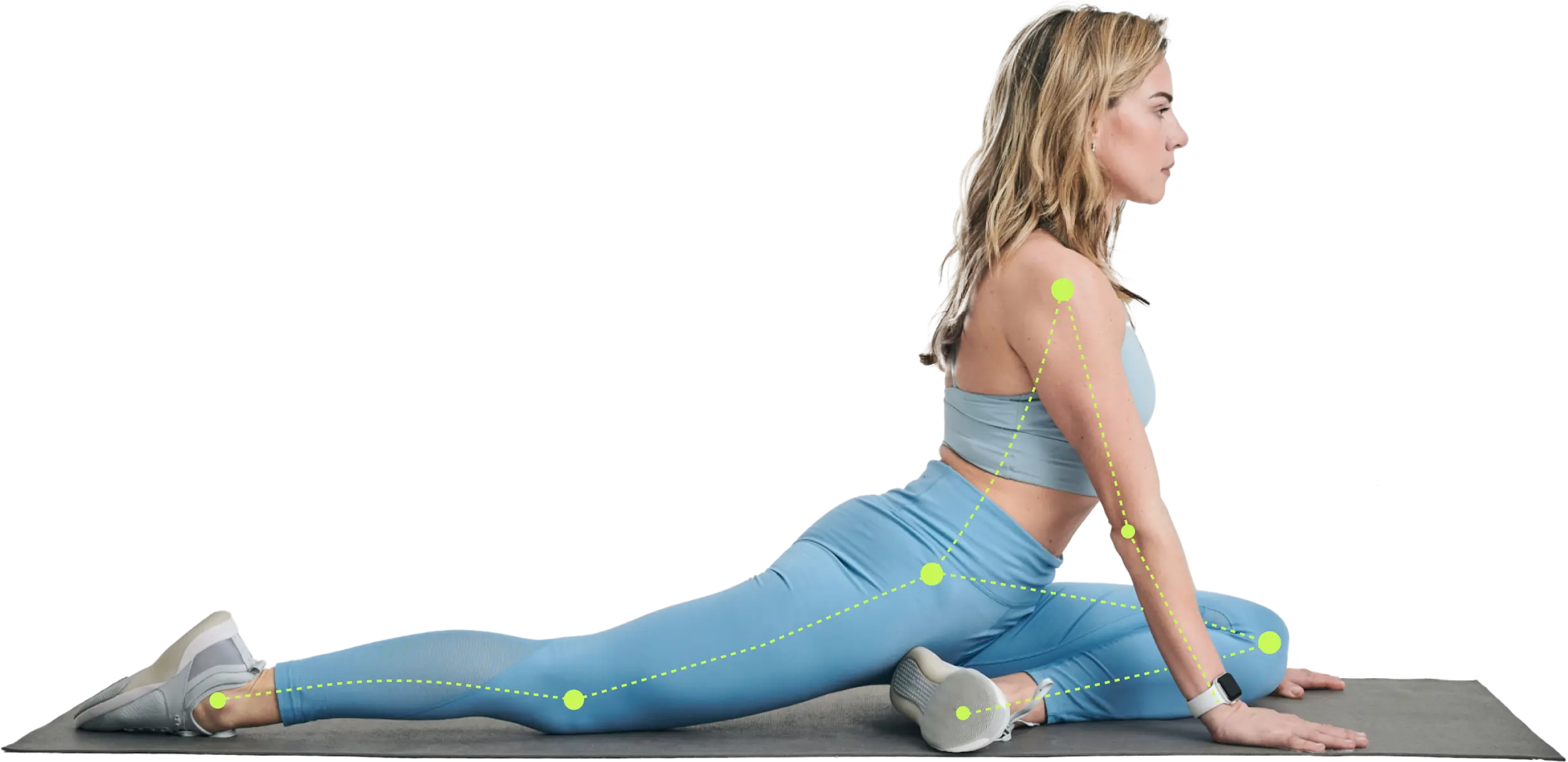
Discover a realistic, science-backed guide to healthy eating for fat loss. Learn to build satisfying meals, manage cravings, and achieve sustainable results.
When it comes to fat loss, healthy eating really boils down to one fundamental truth: you need to consistently take in fewer calories than your body uses.
But let’s be clear—this isn’t about starvation. It’s about being smart and strategic, prioritizing nutrient-dense foods like lean proteins, fiber-rich vegetables, and healthy fats. This approach keeps you feeling full and energized while creating the calorie deficit you need for real, lasting results.
The Real Foundation of Sustainable Fat Loss
It’s easy to get lost in the noise of fad diets promising quick transformations. But the strategies that actually work aren't trendy; they’re grounded in simple, proven science. To truly succeed, you have to move past the quick fixes and build a solid, sustainable foundation for how you eat.
The Calorie Deficit: A Non-Negotiable Rule
At its core, fat loss is just an energy balance equation. You have to be in a calorie deficit—meaning you eat fewer calories than you burn. Think of your body fat as a backup energy tank. When you provide less fuel from food than your body needs to operate, it has no choice but to dip into those reserves.
This doesn't mean you need to slash your intake dramatically or walk around hungry all day. A moderate, sustainable deficit of around 300-500 calories per day is the sweet spot for most people. It’s enough to trigger steady fat loss without causing ravenous hunger or sacrificing hard-earned muscle. For more practical tips on this, check out our guide on how to lose weight without starving yourself.
To give you a clearer picture of what this all means in practice, here are the core principles that drive effective fat loss nutrition.
Core Principles of Fat Loss Nutrition
| Principle | Why It Matters for Fat Loss |
|---|---|
| Calorie Deficit | The non-negotiable requirement for your body to tap into fat stores for energy. |
| High Protein Intake | Keeps you full, burns more calories during digestion, and protects muscle mass. |
| Nutrient Density | Prioritizing vitamins, minerals, and fiber ensures your body functions optimally on fewer calories. |
| Hydration | Supports metabolism, helps manage hunger, and improves overall energy levels. |
| Consistency | A single good day won't get you there. Consistent effort over time is what creates lasting change. |
Nailing these fundamentals is far more important than any specific diet trend or "magic" food.
The Role of Macronutrients
While calories are king, the quality of those calories—your macronutrients—is what determines how you feel and what kind of weight you actually lose (i.e., fat versus muscle).
Protein: This is your best friend on a fat loss journey. Protein is incredibly satiating, which is just a fancy way of saying it keeps you feeling fuller for longer. Your body also burns more calories digesting it compared to fats or carbs. Most importantly, getting enough protein helps you hold onto lean muscle while you're in a deficit, so you can be sure you're losing fat, not just weight.
Carbohydrates: Carbs are not the enemy. They’re your body’s preferred fuel source, giving you the energy you need to crush your workouts and just get through the day. The trick is to choose complex, high-fiber sources like oats, brown rice, and vegetables instead of refined sugars and white bread.
Fats: Don't fear the fat! Healthy fats from sources like avocados, nuts, and olive oil are crucial for hormone production and overall health. They also play a big role in satiety, helping you keep hunger locked down.
A focus on a high-protein diet is becoming increasingly popular for a reason. It directly addresses the biggest challenges of fat loss: hunger and muscle preservation. Making protein the star of every meal is one of the most impactful changes you can make.
It's clear people are catching on. In the 2023 Food and Health Survey, 43% of respondents said weight loss was their top reason for starting a new eating plan. This lines up with a growing interest in proven strategies like high-protein diets (18%) and calorie-counting (12%). You can dive into more of these modern dietary choices on IFIC.org.
How to Calculate Your Personal Calorie and Macro Needs
Cookie-cutter plans get you cookie-cutter results. If you really want to dial in your nutrition for fat loss, your plan has to be built for your body—not for some generic ideal. This means getting specific and calculating a personalized, data-driven starting point for your daily calories and macros.
Don't worry, creating this blueprint isn't as complicated as it sounds. The main goal is to figure out your Total Daily Energy Expenditure (TDEE), which is just a fancy term for the total calories your body burns in a day. From there, we'll create a small, manageable deficit.
Estimating Your Daily Calorie Target
Your TDEE is a combination of your Basal Metabolic Rate (BMR)—the energy you burn just by being alive—and your daily activity level. To get a solid estimate of your numbers, you can use a Calorie Macro Calculator, which does all the heavy lifting for you.
Still, it helps to know what’s going on under the hood. Here’s a quick look at the factors that matter:
- Age, Gender, Weight, and Height: These are the basic stats that form the foundation of your BMR estimate.
- Activity Level: This is the big one. Be honest with yourself here. Do you spend most of your day at a desk, or are you constantly on your feet? Do you hit the gym three times a week or is it more like six?
Once you have your TDEE, a smart fat loss plan kicks off with a daily deficit of 300-500 calories. This is the sweet spot. It’s enough to encourage your body to burn stored fat without sending your hunger through the roof or sacrificing precious muscle. For a deeper dive, check out our guide on how to calculate daily calorie needs.
Let’s put this into perspective: Imagine a 35-year-old woman who weighs 160 lbs, works a desk job, and exercises 3 days a week. Her TDEE might be around 2,100 calories. For fat loss, her daily target would land somewhere between 1,600-1,800 calories.
Setting Your Macronutrient Goals
Okay, so you have your calorie target. Now, what do you do with it? This is where macronutrients—protein, carbs, and fats—come into play. A well-designed macro split is the difference between just losing weight and actually losing fat while feeling energized and strong.
Make Protein Your Priority
When it comes to fat loss, protein is your MVP. It helps preserve muscle mass while you're in a deficit, fires up your metabolism, and keeps you feeling full longer than any other macro. A solid target to shoot for is 0.7-1.0 grams of protein per pound of your goal body weight.
Balancing Fats and Carbs
After you’ve locked in your protein goal, the rest of your calories will come from a mix of healthy fats and carbohydrates.
- Fats: These are crucial for hormone production and overall health, so don't skip them. Aim to get 20-30% of your total daily calories from healthy sources.
- Carbohydrates: The remaining calories are for carbs. Think of them as your body's preferred fuel source, powering your workouts and keeping your brain sharp.
Let's circle back to our 35-year-old office worker with a 1,700-calorie target. Here’s what her macros could look like:
| Macronutrient | Calculation | Daily Target |
|---|---|---|
| Protein | 160 lbs x 0.8 g/lb = 128 g | 128 grams (512 calories) |
| Fat | 1700 kcal x 25% = 425 kcal | 47 grams (425 calories) |
| Carbohydrates | Remaining calories | 191 grams (763 calories) |
This simple flow chart really nails down the core principles of a smart fat loss plan.

As you can see, it all starts with a calorie deficit. From there, you prioritize protein to protect your muscle, and then you fill in the gaps with nutrient-packed foods.
Remember, these numbers aren’t meant to be rigid rules set in stone. Think of them as your starting line—a solid, personalized foundation that turns a vague goal into a clear, actionable plan you can follow every day.
Building Your Fat Loss Plate Meal by Meal
Having your calorie and macro targets is a great start, but the real magic happens when you turn those numbers into delicious, satisfying meals. This is where a lot of people get stuck. They overthink every bite until healthy eating feels like a full-time job.
The good news? You don't need a nutrition degree to build the perfect fat loss plate. All you need is a simple, repeatable framework.
Think of your plate as being split into three sections. This visual trick helps you balance your meals without having to meticulously weigh and track every single ingredient. It’s a practical way to make healthy eating for fat loss feel intuitive.

The Three Pillars of a Balanced Plate
Let's break down how to actually build your plate to keep you full and get you results. This isn't about rigid rules. It's a flexible template you can use whether you're cooking at home, grabbing lunch out, or ordering dinner.
Half Your Plate: Fibrous Veggies. Load up the biggest section of your plate with non-starchy vegetables. We're talking broccoli, spinach, bell peppers, cauliflower, and zucchini. These foods are packed with fiber and water, which means they take up a lot of space in your stomach for very few calories. This is your ticket to feeling physically full.
A Quarter of Your Plate: Lean Protein. Dedicate one-quarter of your plate to a quality protein source. This is non-negotiable for preserving muscle while you lose fat and for crushing hunger cravings. Grilled chicken breast, fish, lean beef, tofu, or even a big scoop of Greek yogurt are all fantastic options.
A Quarter of Your Plate: Complex Carbs. The final quarter is for your energy source: fiber-rich, slow-digesting carbs. Think quinoa, brown rice, sweet potatoes, or oats. These provide the sustained fuel you need to power through your day and your workouts without the crash.
And don't forget your fats! A serving of healthy fats—like a drizzle of olive oil, a few slices of avocado, or a sprinkle of nuts—can be added right on top. It boosts flavor and adds another layer of satiety.
Stocking Your Kitchen for Success
You can’t eat what you don’t have. Simple as that. A well-stocked kitchen is your best defense against caving to takeout or processed snacks when you're tired and stressed.
Having the right ingredients on hand makes building balanced meals almost effortless. If you want to take it a step further, finding the best meal prep recipes can be a total game-changer for staying on track during a busy week.
Here’s a quick look at the kinds of nutrient-dense staples you should aim to keep in your fridge and pantry.
Sample Fat-Loss Grocery List
| Lean Proteins | Complex Carbs | Healthy Fats | Fibrous Vegetables & Fruits |
|---|---|---|---|
| Chicken Breast | Quinoa | Avocados | Spinach & Kale |
| Salmon & Tuna | Brown Rice | Olive Oil | Broccoli & Cauliflower |
| Lean Ground Turkey | Sweet Potatoes | Almonds & Walnuts | Bell Peppers |
| Eggs & Egg Whites | Oats (Rolled) | Chia & Flax Seeds | Berries & Apples |
| Greek Yogurt (Plain) | Lentils & Beans | Nut Butters | Asparagus & Green Beans |
| Tofu & Tempeh | Whole Grain Bread | Olives | Zucchini & Cucumber |
With these items ready to go, you always have the building blocks for a great meal. For a deeper dive into planning ahead, check out our guide on simple meal prep for weight loss.
Building healthy meals is a skill. The more you practice assembling plates with protein, fiber, and healthy carbs, the more automatic it becomes. Don't aim for perfection on day one; aim for consistency.
A Sample 3-Day Fat Loss Meal Plan
So what does this look like in the real world? Here’s a quick 3-day meal plan to give you some ideas. It's simple, delicious, and proves that eating for fat loss is anything but boring.
Day 1
- Breakfast: Scrambled eggs (2-3) with a big handful of spinach and a side of whole-grain toast.
- Lunch: Large salad with grilled chicken breast, mixed greens, cucumber, bell peppers, and a light vinaigrette made with olive oil.
- Dinner: Baked salmon seasoned with herbs, served with a side of roasted asparagus and a small sweet potato.
Day 2
- Breakfast: Plain Greek yogurt topped with a handful of mixed berries and a tablespoon of chia seeds.
- Lunch: Leftover baked salmon and veggies from last night's dinner. Easy.
- Dinner: Lean ground turkey stir-fry loaded with broccoli, carrots, and snap peas, served with a portion of quinoa.
Day 3
- Breakfast: Oatmeal made with water or unsweetened almond milk, mixed with a scoop of protein powder and topped with sliced almonds.
- Lunch: Quinoa bowl with black beans, corn, diced avocado, and a good squeeze of lime juice.
- Dinner: Grilled steak (a lean cut) with a large side of steamed green beans and a small portion of brown rice.
This plate-building method is all about empowering you to move beyond rigid, boring meal plans. It gives you the freedom to create your own meals that you actually enjoy—and that’s the real key to making this a lifestyle, not a diet.
Smart Strategies for Snacking and Nutrient Timing
How you handle the hours between meals can honestly make or break your fat loss journey. We've all been there—hit by sudden cravings or an afternoon energy slump that sabotages an otherwise perfect day of eating.
Smart snacking and a basic grasp of nutrient timing aren't about following rigid, complicated rules. It's more about working with your body's natural rhythm to stay full, energized, and on track with your goals.
Snacking to Support Fat Loss
Think of the right snacks as your secret weapon against that 3 PM energy dip that usually sends you running for the nearest sugary treat. A good snack isn't just about calories; it's about the impact it has on your hunger and energy levels. The whole point is to pick something high in protein and fiber to keep you feeling satisfied and stabilize your blood sugar until your next proper meal.

When you snack effectively, you keep hunger in check. This prevents you from showing up to dinner absolutely ravenous and ready to devour everything in sight. Here are a few dead-simple, portable ideas that deliver on protein and fiber without throwing your progress off course:
- Greek Yogurt and Berries: A classic for a reason. You get a solid protein punch from the yogurt, and the berries add fiber and nutrients for very few calories.
- Hard-Boiled Eggs: So easy to prep ahead. Two eggs make a perfect mini-meal, packed with protein and healthy fats that crush hunger.
- Apple Slices with Nut Butter: The fiber from the apple paired with the protein and fat from a tablespoon of peanut or almond butter is a killer combination for satiety.
- A Handful of Almonds or Walnuts: Portion control is everything here. A small handful gives you a great mix of protein, fiber, and healthy fats.
- Beef Jerky or Turkey Sticks: Check the labels for low-sodium, low-sugar options. These are incredibly convenient for a quick and substantial protein hit.
The trick is to plan your snacks with the same care you put into your main meals. Having these options ready to go means you won't make an impulsive, poor choice when hunger suddenly strikes. For more great ideas, check out our guide to high-volume, low-calorie foods.
Demystifying Nutrient Timing
The whole idea of "nutrient timing" gets way too complicated, fast. You hear all sorts of myths, like you can't eat carbs after 6 PM or you have to slam a protein shake within 30 minutes of finishing your workout.
Let's clear this up: while timing isn't the most critical piece of the fat loss puzzle—your total daily calories and protein are far more important—a little bit of strategy can definitely help with your energy levels and workout performance.
Instead of a strict rulebook, just think of it as a way to fuel your activity. A simple and effective approach is to place the bulk of your daily carbs around your workouts. Having a carb-rich meal or snack 1-2 hours before you train can give you the fuel you need to have a really strong session.
What truly matters is being consistent with your total daily intake. Don't stress over perfect timing. If you focus on hitting your daily calorie and protein numbers, you will see results.
And after your workout? A meal with both protein and carbs is great for recovery and helping your muscles repair. But there's no need to sprint from the gym to the kitchen. Just having your next scheduled balanced meal within a couple of hours is perfectly fine.
The bottom line for healthy eating for fat loss is this: what you eat consistently throughout the entire day matters infinitely more than the exact minute you eat it.
Navigating Real-World Challenges and Plateaus
Let's be real: the path to fat loss is never a perfectly straight line. You're going to have weeks where progress slows down, social events that tempt you, and life will inevitably throw a few curveballs that test your commitment.
This is all a normal part of the process. The real victory isn't about being perfect; it's about building a resilient mindset. One off-plan meal or a week where the scale doesn't move doesn't mean you've failed. It just means you’re human. What truly matters is how quickly you can get back to your routine without beating yourself up.
Breaking Through a Weight Loss Plateau
Sooner or later, it happens to almost everyone. After weeks of consistent progress, the scale just stops moving. This is the dreaded weight loss plateau, and it’s actually a sign that your body is adapting to your new habits.
As you lose weight, your metabolism naturally slows down a little. After all, a smaller body simply needs less energy to function. To get things moving again, you just need to shake things up a bit.
- Re-evaluate Your Calories: The calorie target you started with was for your starting weight. Now that you're lighter, your daily energy needs have decreased. A small adjustment, often just 100-150 fewer calories a day, can be enough to reignite your progress.
- Increase Your Activity: Instead of just eating less, try moving a little more. This doesn't have to be a huge change. Adding a 20-minute walk to your day or slightly upping the intensity of your workouts can make a real difference.
- Check Your Consistency: Are little things creeping back in? Extra sauces, a few bites here and there, or bigger weekend indulgences can add up. A few days of being extra diligent with your tracking can reveal this "calorie creep." For a deeper dive, check out our guide on how to break through a weight loss plateau.
Social Situations and Dining Out
You can absolutely have a social life and reach your fat loss goals at the same time. Too often, people isolate themselves for fear of derailing their progress, but a healthy lifestyle should add to your life, not take away from it.
A little planning goes a long way. Before you head out, look up the restaurant's menu online and decide what you'll order. This way, you won't be swayed by less-than-ideal options in the moment.
Don’t be shy about making simple requests. Asking for dressing on the side or swapping fries for a side salad or steamed veggies is completely normal.
Remember: You are in control. Focus on protein and vegetables first. Eat slowly, enjoy the conversation, and stop when you feel satisfied, not stuffed. One meal will not undo your hard work.
Managing Emotional and Budgetary Hurdles
Life gets stressful, and it's easy to turn to food for comfort. This is emotional eating, and it's a common hurdle for many people. The first step is just being aware of it. When you feel the urge to eat but you know you're not physically hungry, pause. Ask yourself what you're really feeling. Bored? Stressed? Tired?
Finding a non-food way to cope is a game-changer. Try going for a walk, listening to some music, or calling a friend.
Financial stress can also feel like a major barrier. There's a common belief that eating healthy is expensive, but it really doesn't have to be.
- Buy in Bulk: Staples like oats, rice, and beans are incredibly cheap and packed with nutrients.
- Choose Frozen: Frozen fruits and veggies are just as nutritious as fresh—and often much more affordable.
- Embrace Cheaper Proteins: Canned tuna, eggs, and lentils are fantastic, budget-friendly protein sources.
This journey you're on is part of a massive global movement. The healthy eating and weight loss sector soared to $945.5 billion in 2020. Global data shows that 62.9% of people eat less to pursue fat loss, while 50.4% focus on adding more fruits and veggies to their diet.
Ultimately, remember to look beyond the scale. Celebrate the non-scale victories—your clothes fitting better, having more energy, or lifting heavier at the gym. These are the true signs of progress that will keep you motivated for the long haul.
Your Questions on Healthy Eating for Fat Loss Answered
Even the best-laid plans run into questions along the way. That’s perfectly normal. When you’re changing your body, it’s natural to wonder about the details, from handling a night out with friends to figuring out why the scale isn't moving.
Let's tackle some of the most common questions I hear from clients to keep you on track and feeling confident.
How Long Does It Take to See Results From Healthy Eating?
Patience is probably the most underrated tool in your fat loss toolkit. You’ll likely feel a difference within the first week—less bloating, more consistent energy—but the visible changes take a little more time to show up.
For most people, noticeable fat loss becomes apparent after 2-4 weeks of sticking to the plan. A safe, sustainable rate of weight loss is about 1-2 pounds per week. Any faster than that, and you're likely losing a mix of water and precious muscle, not just body fat.
I always tell my clients to look beyond the scale. Take progress photos, measure your waist, and just pay attention to how your favorite pair of jeans fit. These are often far better signs of real change, especially if you're strength training and building muscle as you lose fat.
Can I Still Drink Alcohol and Lose Fat?
You absolutely can, but you have to be smart about it. Alcohol packs what are often called 'empty' calories, coming in at about 7 calories per gram with zero nutritional value. It also has a sneaky way of lowering your inhibitions, which can lead straight to late-night pizza.
If you’re going to have a drink, you just need to plan for it.
- Factor in the calories. A drink needs to fit into your daily calorie budget, just like any other food.
- Choose wisely. Go for lower-calorie options like a light beer, a shot of liquor with a zero-calorie mixer, or a glass of dry wine.
- Hydrate. For every alcoholic drink, have a glass of water. It helps you stay hydrated and slows you down.
Honestly, though, limiting alcohol is one of the best things you can do for your results. It can mess with your sleep and slow down muscle recovery, both of which are absolutely critical for an effective fat loss plan.
Do I Need to Cut Out All Carbs to Lose Fat?
Absolutely not. This is easily one of the most stubborn and damaging myths out there. Carbohydrates are your body's number one fuel source, powering everything from your brain to your toughest workouts. Slashing them completely is not only unnecessary but usually makes a diet feel completely miserable and impossible to stick with.
The real key is focusing on the quality of your carbs, not getting rid of them.
You want to build your meals around complex, high-fiber carbohydrates. These digest slowly, giving you a steady stream of energy and helping you feel fuller for longer.
- Oats
- Quinoa
- Sweet potatoes
- Brown rice
- Beans and lentils
The carbs you want to minimize are the highly refined ones—things like pastries, sugary sodas, and white bread. A balanced diet that includes smart carb choices will beat a super-restrictive low-carb plan for long-term success every single time.
What if I Am Always Hungry on My Diet?
Feeling hungry all the time is a big red flag. It’s a sign that your plan needs a tune-up, not that you lack willpower. A good fat loss plan shouldn't feel like a constant battle against gnawing hunger.
First things first, check if your calorie deficit is too extreme. A massive drop in calories can throw your hunger hormones into a frenzy. A smaller, more moderate deficit is often way more sustainable and just as effective over time. In fact, research shows that aggressive calorie restriction can disrupt your sleep, which only makes hunger and cravings even more intense.
Next, take a hard look at what's on your plate.
- Where’s the protein? Protein is hands-down the most filling macronutrient. Make sure every single meal and snack has a solid source.
- Are you getting enough fiber? Fiber from vegetables, fruits, and whole grains adds bulk and slows digestion, which is a huge help for staying full.
- Drinking enough water? It’s incredibly easy to mistake thirst signals for hunger pangs. Get your water in.
A plate piled high with lean protein and non-starchy vegetables is going to keep you satisfied for hours, way more effectively than a meal built around refined carbs. If you've covered these bases and still feel hungry, try bumping your calories up slightly with more of these nutrient-dense foods. Listening to your body is everything.
Ready to take the guesswork out of your fitness and nutrition? Zing Coach creates a truly personalized plan based on your body, goals, and lifestyle. Get AI-powered workouts that adapt to you, real-time form correction, and clear nutrition targets to finally achieve the results you want.
Start your journey with a plan that works for you at https://zing.coach
Share this article


Authors