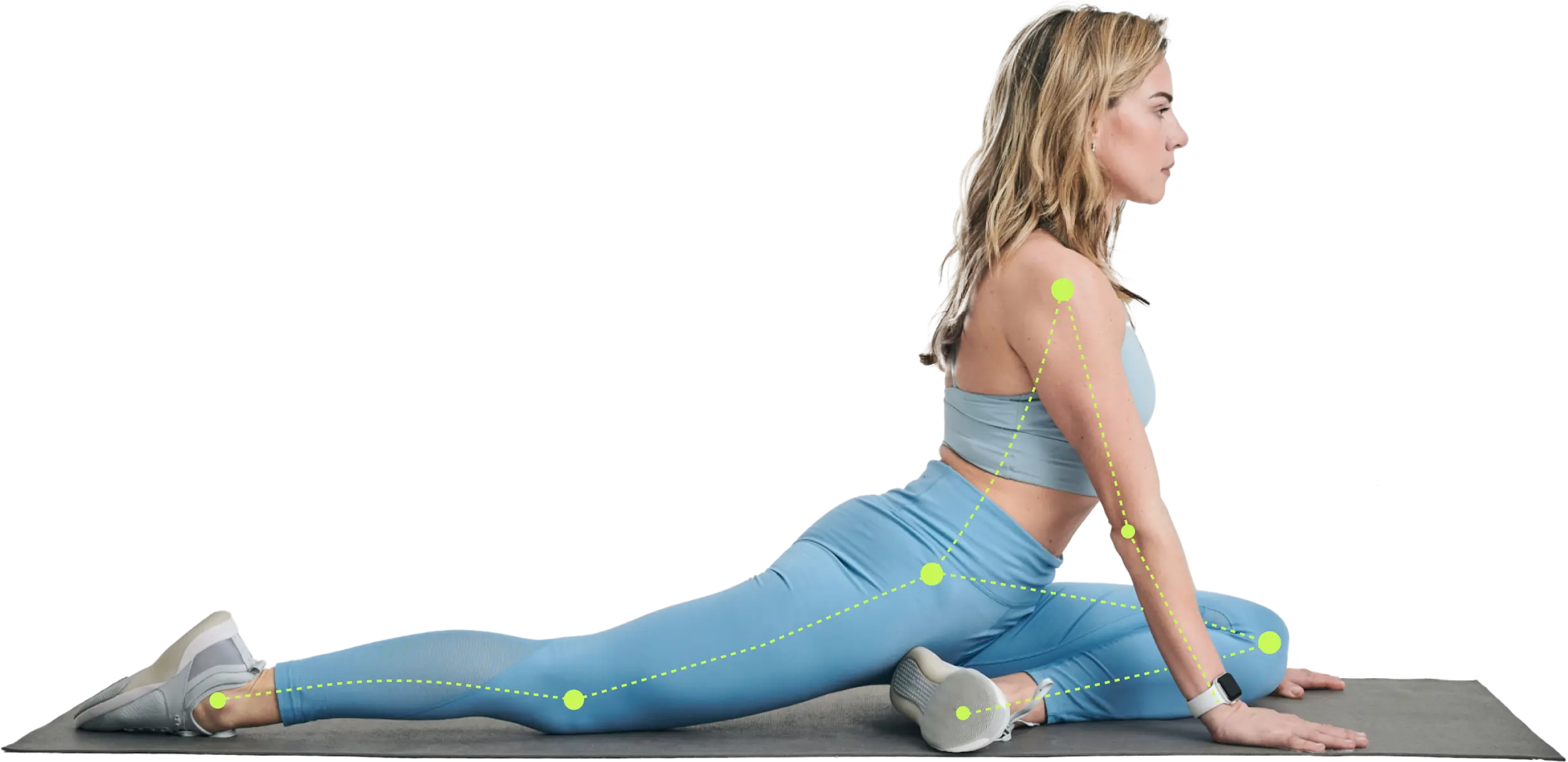
Discover the 10 best low impact workouts for strength and cardio without joint stress. Get fit safely & effectively.

Are you searching for a way to boost your fitness, build strength, and improve your cardiovascular health without the jarring stress on your joints? High-impact exercises like running or plyometrics are not the only path to a strong, healthy body. In fact, for many people, from beginners and those with a history of injury to seasoned athletes looking for sustainable cross-training, the best low impact workouts offer a more effective and safer alternative.
They allow you to challenge your muscles and heart while protecting your knees, hips, and back, leading to greater consistency and long-term results. This guide will explore the top 10 low-impact options, breaking down not just what they are, but exactly how to implement them for your specific goals, from weight management to muscle definition. We'll move beyond generic advice and provide actionable steps, sample routines, and expert tips to help you build a resilient, powerful body on your own terms.
This article provides a detailed look at the following joint-friendly activities:
- Swimming and Aquatic Exercise
- Walking and Brisk Walking
- Cycling and Stationary Biking
- Pilates and Yoga
- Elliptical Training and Rowing
- Tai Chi and Qigong
- Stair Climbing and Step Training
- Resistance Band and Suspension Training
Get ready to discover how to get an incredible workout that feels good and delivers real, measurable progress without putting your body at unnecessary risk. Let's dive into the exercises that will help you achieve your fitness goals safely and sustainably.
1. Swimming and Aquatic Exercise
Submerging yourself in water creates a uniquely supportive environment for one of the best low impact workouts available. Aquatic exercise uses the natural buoyancy of water to support up to 90% of your body weight, which dramatically reduces stress on your joints, bones, and connective tissues. This makes it an outstanding choice for individuals with arthritis, osteoporosis, or those recovering from injuries.

While gentle on the body, water provides constant, variable resistance. Pushing against the water challenges your muscles, building strength and cardiovascular fitness simultaneously. The faster you move, the greater the resistance, allowing you to easily adjust the intensity of your workout in real-time. This dynamic resistance makes it effective for everyone from beginners to Olympic athletes.
Who It's Best For
Swimming and water-based exercises are perfect for those who need a workout that minimizes joint impact. This includes people managing chronic pain, individuals with a history of joint injuries, pregnant women, and seniors. It's also a fantastic cross-training option for runners and other athletes looking to maintain cardiovascular fitness while giving their joints a break.
Expert Insight: Water's hydrostatic pressure can also aid in reducing swelling in injured joints and improving circulation, making it a key component in many physical therapy and rehabilitation programs.
Getting Started with Aquatic Exercise
Diving into aquatic fitness is simple, with options available at most community pools. Consider these actionable steps to begin:
- Start with a Class: Water aerobics or aqua fitness classes are great for learning proper form and fundamental movements in a structured, guided setting.
- Target Specific Muscles: Use tools like a kickboard to isolate your leg muscles or a pull buoy (placed between your thighs) to focus on upper-body strength.
- Mix Your Strokes: Alternate between freestyle, breaststroke, backstroke, and butterfly to engage different muscle groups for a full-body workout.
- Track Your Progress: If you're lap swimming, monitor your lap times or total distance to see your fitness improve. For those looking to go further, a detailed guide can show you how to improve swimming endurance and stamina in the pool.
2. Walking and Brisk Walking
Often overlooked for its simplicity, walking is a foundational low impact workout that is accessible, effective, and requires no special equipment. This fundamental form of movement engages major muscle groups in your legs and core while being gentle on your hips, knees, and ankles. A consistent walking routine is scientifically proven to improve cardiovascular health, build endurance, and support healthy weight management.
The intensity is easily adjustable by simply changing your pace. A casual walk maintains a conversational pace for steady-state cardio, while brisk walking, typically between 3-4 mph, elevates your heart rate into the moderate-intensity zone. This makes it an excellent option for building fitness without the high impact of running or jumping. From treadmill sessions to scenic hikes, walking can be adapted to any environment or fitness level.
Who It's Best For
Walking is ideal for nearly everyone, especially those new to exercise or returning after a break. It's a perfect starting point for individuals seeking to lose weight, improve heart health, or increase daily activity. Seniors find it beneficial for maintaining mobility and balance, while people of all ages can use mall walking as a safe, climate-controlled option. It’s also a great active recovery choice for athletes on rest days.
Expert Insight: According to the American Heart Association, as little as 30 minutes of walking per day can significantly lower your risk for heart disease, stroke, and diabetes. The key is consistency and aiming for a pace that challenges you slightly.
Getting Started with Walking
Integrating walking into your routine is straightforward and can be done immediately. Use these actionable steps to begin and stay motivated:
- Set a Step Goal: Use a pedometer or smartphone app to track your daily steps. Start with a manageable goal, like 5,000 steps, and gradually increase it.
- Incorporate Intervals: To boost calorie burn and improve fitness, alternate between 3-4 minutes of brisk walking and 1-2 minutes of a slower, recovery pace.
- Add Resistance and Incline: Tackle hills or use Nordic walking poles to engage your upper body and core muscles, turning your walk into a full-body exercise.
- Invest in Proper Footwear: The right walking shoes provide essential support and cushioning, preventing common injuries like shin splints and plantar fasciitis. If you want to dive deeper into the science of heart rate zones and a well-rounded fitness regimen, you can learn everything about cardio to better structure your walks.
3. Cycling and Stationary Biking
Whether you’re exploring scenic trails or joining a high-energy spin class, cycling offers a powerful cardiovascular workout that is exceptionally gentle on your joints. This pedal-based exercise minimizes impact on the hips, knees, and ankles because the continuous, circular motion avoids the jarring stress associated with activities like running. The seated position offers excellent support, making it a great choice for individuals with balance concerns or limited mobility.
The intensity of cycling is easily controlled by adjusting resistance, gear, or speed, making it one of the most adaptable low impact workouts. You can opt for a leisurely ride through a park or a grueling session that builds serious leg strength and endurance. The rise of virtual platforms like Zwift and at-home systems like Peloton has also made engaging, structured cycling more accessible than ever.
Who It's Best For
Cycling is ideal for anyone seeking a robust cardio workout without stressing their lower body joints. It’s particularly beneficial for people with knee or hip sensitivity, those looking for an effective cross-training activity, or anyone who enjoys the feeling of speed and exploration. It builds significant lower body strength, targeting the quadriceps, hamstrings, and glutes. For those managing joint issues, you can discover more safe exercises for bad knees that complement a cycling routine.
Expert Insight: Proper bike fit is crucial for preventing discomfort and injury. An incorrectly adjusted seat height or handlebar position can lead to strain in the back, neck, and knees over time.
Getting Started with Cycling
Getting on a bike is simple, but a few tips can ensure your ride is comfortable, safe, and effective. Consider these steps to begin your cycling journey:
- Ensure a Proper Fit: Adjust your bike seat so your knee has a slight bend (about 25-35 degrees) at the bottom of the pedal stroke. Your leg should be almost, but not fully, straight.
- Start with Low Resistance: Begin your rides or classes with minimal resistance to warm up your muscles, then gradually increase it as you feel comfortable.
- Vary Your Workouts: Mix up your routine with different terrains, speeds, and resistance levels. Try interval training by alternating between high-intensity bursts and recovery periods.
- Explore Electric Options: For those looking to ease into cycling or manage joint stress, exploring how a pedal assist bike works can offer a great way to stay active with an added boost.
4. Pilates
Pilates is a controlled movement system that emphasizes core strength, precise alignment, and the mind-muscle connection. Developed by Joseph Pilates, this method builds lean muscle, improves posture, and boosts stability through deliberate, focused exercises. Its core principle is to strengthen the body from the inside out, making it one of the most effective and intelligent low impact workouts available.
The practice centers on a set of exercises that can be performed on a mat using bodyweight or with specialized equipment like the Reformer, Cadillac, and Wunda Chair. Each movement is synchronized with breath-inhaling to prepare and exhaling through the effort-to engage deep abdominal muscles and stabilize the spine. This meticulous approach protects the joints from jarring impacts while sculpting a strong, balanced physique.
Who It's Best For
Pilates is exceptionally suited for individuals seeking to improve posture, core stability, and overall body awareness without high-impact stress. It's ideal for office workers combating a sedentary lifestyle, new mothers rebuilding core strength postpartum, and athletes looking to enhance performance and prevent injury. People with back pain or postural imbalances often find significant relief and functional improvement through a consistent Pilates routine.
Expert Insight: Unlike traditional strength training that often isolates muscles, Pilates works the body as an integrated whole. This functional approach helps correct muscle imbalances and teaches you to move more efficiently in daily life, reducing the risk of strain or injury.
Getting Started with Pilates
Starting a Pilates practice is accessible, with many options available from local studios to online platforms. Follow these actionable steps to begin:
- Start with Mat Work: Begin with mat-based Pilates to master the fundamental principles of core engagement, breathing, and alignment before advancing to equipment.
- Find a Qualified Instructor: Take a beginner class to learn proper form and receive personalized feedback, which is critical for preventing injury and maximizing benefits.
- Focus on the Core: Before initiating any movement, consciously engage your deep abdominal muscles by imagining you are gently tightening a corset around your midsection.
- Combine with Other Training: Pilates pairs well with other forms of exercise. For a well-rounded fitness plan, consider adding it alongside a structured beginner strength training program to build comprehensive strength.
5. Yoga
Yoga is an ancient mind-body practice that pairs physical postures (asanas) with controlled breathing (pranayama) and meditation. This discipline builds functional strength, balance, and profound body awareness through a series of bodyweight poses and fluid movements. As one of the most versatile and best low impact workouts, yoga can be adapted to any fitness level, from gentle, restorative sessions to vigorous, sweat-inducing flows.

The practice works by moving the body through different positions that build both strength and flexibility. Isometric holds, where you maintain a pose for several breaths, challenge your muscles without stressing your joints. Styles like Vinyasa link breath to movement, creating a continuous flow that can elevate your heart rate for a cardiovascular benefit, while gentler forms like Hatha or Yin focus on holding poses to release tension in connective tissues.
Who It's Best For
Yoga is exceptionally beneficial for anyone seeking to improve flexibility, reduce stress, and enhance mental clarity. It's ideal for office workers looking to counteract the effects of sitting, athletes wanting to improve mobility and prevent injuries, and individuals managing stress or anxiety. Its adaptable nature makes it suitable for all ages and body types, including those new to exercise.
Expert Insight: The focus on pranayama (breathwork) in yoga has been shown to calm the nervous system, lower blood pressure, and reduce cortisol levels, making it a powerful tool for both physical and mental well-being.
Getting Started with Yoga
Beginning a yoga practice is accessible, with many resources available both online and in-person. Follow these practical steps to get started:
- Choose Your Style: Start with Hatha or beginner-focused classes to learn fundamental poses and proper alignment. If your goal is strength, try a Power or Vinyasa class once you're comfortable.
- Use Props for Support: Don't hesitate to use yoga blocks, straps, and bolsters. These tools help you achieve proper form safely, making poses more accessible as you build flexibility.
- Listen to Your Body: Avoid pushing into pain. The goal is to find your "edge," a point of gentle tension, not to force a pose. Modify poses as needed to accommodate your body's limits.
- Establish a Routine: For optimal flexibility and mental benefits, aim to practice 3-4 times per week. Morning sessions can energize your day, while evening practices can help you unwind. For more ideas on how to incorporate flexibility work, explore these stretching workouts to complement your routine.
6. Elliptical Training
The elliptical machine provides a smooth, fluid motion that mimics running, jogging, and walking, but entirely removes the jarring impact on your joints. This stationary cardio machine uses synchronized arm and leg movements to deliver a full-body workout. As your feet glide on pedals, your hands push and pull handlebars, engaging both your lower and upper body in a single, coordinated effort. This makes it an effective and safe cardiovascular choice.
The primary benefit of the elliptical lies in its ability to protect your knees, hips, and ankles from the stress associated with high-impact activities. You can increase the resistance and incline to elevate your heart rate and challenge your muscles without the risk of pounding on hard surfaces. This makes elliptical training one of the best low impact workouts for building stamina while minimizing wear and tear on the body.
Who It's Best For
Elliptical training is exceptionally well-suited for individuals looking for a strong cardio workout without joint strain. It's ideal for those with a history of knee or hip issues, people managing arthritis, or runners seeking a cross-training day that preserves their joints. It’s also a great entry point for beginners who want to build cardiovascular fitness in a controlled, low-risk environment.
Expert Insight: The ability to pedal in reverse on an elliptical is a distinct advantage. This backward motion shifts the muscular focus to your hamstrings and glutes, helping to create better muscle balance and prevent overuse injuries common in forward-only movements.
Getting Started with Elliptical Training
Most gyms feature a variety of elliptical machines, and getting started is straightforward. Focus on form and function with these actionable steps:
- Maintain Good Posture: Stand up straight with your shoulders back and core engaged. Avoid slouching or leaning heavily on the handles, which can reduce the effectiveness of the workout.
- Use the Arms Actively: Instead of passively holding the moving handlebars, consciously push and pull to fully engage your upper body, including your chest, back, and shoulders.
- Incorporate Intervals: Alternate between periods of high intensity (increased resistance or speed) and recovery periods. For example, go hard for one minute, then recover for two minutes, and repeat.
- Vary Your Routine: Change the incline and resistance levels throughout your session to target different leg muscles. A higher incline will engage more of your glutes and hamstrings.
7. Rowing
Rowing delivers a powerful, full-body workout that remains exceptionally kind to your joints, securing its spot as one of the best low impact workouts. Performed on a machine or in the water, the exercise engages an estimated 85% of your muscles in a single, fluid motion. The seated position fully supports your body weight, which removes the impact on your knees, hips, and ankles while delivering an intense cardiovascular and strength-building challenge.
The exercise is defined by a rhythmic sequence of pushing with the legs, pivoting with the core, and pulling with the arms. This coordinated effort builds functional strength and muscular endurance simultaneously. Because you control the intensity with every stroke, rowing is highly scalable, making it suitable for recovery sessions, steady-state cardio, or high-intensity interval training.
Who It's Best For
Rowing is ideal for anyone seeking maximum caloric burn and muscle engagement without stressing their joints. It's a fantastic option for individuals looking for efficient, time-boxed workouts that combine cardio and strength. It also serves as an excellent cross-training tool for athletes in other sports and is effective for people of all fitness levels, from beginners on a Peloton Row to competitive athletes on the water.
Expert Insight: The most common mistake in rowing is pulling too early with the arms. The power should primarily come from the legs, which are the largest muscle group. Focus on the sequence: legs, core, then arms.
Getting Started with Rowing
Whether at home or in a gym, getting started on a rower is straightforward. Focus on technique first and intensity second with these actionable tips:
- Learn Proper Form: If possible, get guidance from a certified rowing coach or watch detailed instructional videos to master the catch, drive, finish, and recovery phases.
- Focus on the Sequence: Drill the correct movement pattern: drive with your legs first, then pivot your torso back, and finally pull the handle to your chest.
- Vary Your Workouts: Mix up your sessions to stay engaged. Try steady-state rows for 20-30 minutes at a consistent pace, or perform intervals like 1 minute of high effort followed by 1 minute of rest.
- Monitor Your Metrics: Use the monitor to track your split time (time to row 500 meters), stroke rate (strokes per minute), and total distance. Aim to lower your split time as your fitness improves.
8. Tai Chi and Qigong
Often described as "meditation in motion," Tai Chi and Qigong are ancient Chinese practices that merge slow, deliberate movements with deep breathing and mental focus. These mind-body disciplines are exceptionally gentle, making them one of the safest and most effective low impact workouts, particularly for improving balance, flexibility, and mental calm. Tai Chi is a martial art involving choreographed sequences or "forms," while Qigong focuses more on individual movements to circulate energy, or "qi," throughout the body.
The power of these practices lies in their continuous, flowing motions that transition seamlessly from one posture to the next. This controlled movement enhances proprioception (your body's awareness in space) and strengthens the small stabilizing muscles around your joints. The emphasis on diaphragmatic breathing also calms the nervous system, reducing stress and promoting a state of relaxed awareness.
Who It's Best For
Tai Chi and Qigong are ideal for individuals of any age seeking a gentle workout that improves balance and reduces stress. They are especially beneficial for seniors looking to prevent falls, people managing chronic pain like fibromyalgia or arthritis, and anyone with mobility limitations. They also serve as an excellent practice for office workers or those in high-stress roles who need to decompress and counteract the effects of a sedentary lifestyle.
Expert Insight: Studies from institutions like Harvard Medical School have highlighted Tai Chi's effectiveness in improving balance, reducing falls in older adults, and alleviating symptoms of depression and anxiety, positioning it as a credible form of therapeutic exercise.
Getting Started with Tai Chi and Qigong
Embracing these ancient arts is accessible and requires no special equipment. Follow these steps to begin your practice:
- Find a Beginner Class: Join a local class in a park, community center, or studio. A qualified instructor is essential for learning the fundamental postures and principles correctly.
- Focus on Breathing: Coordinate your breath with your movements. A common principle is to exhale as you extend or exert force and inhale as you withdraw or relax.
- Wear Comfortable Clothing: Choose loose, non-restrictive clothing that allows for a full range of motion.
- Be Patient and Consistent: The benefits of Tai Chi and Qigong are cumulative. Aim for 20-30 minute sessions, 3-4 times a week, and focus on the quality of your movements rather than speed or perfection.
9. Stair Climbing and Step Training
Transforming a simple flight of stairs into a powerful workout tool, stair climbing and step training offer a highly effective form of lower-body focused cardio. This activity leverages gravity, forcing your muscles to work harder to lift your body weight with each step. The controlled, deliberate motion is low-impact, placing significantly less stress on your knees and ankles compared to high-impact exercises like running, yet it remains one of the best low impact workouts for building serious leg strength and cardiovascular endurance.
Whether you're using a StairMaster at the gym, running stadium steps, or simply using the staircase at home, the workout engages your entire lower body. Your quadriceps, hamstrings, glutes, and calves are all recruited to propel you upward, providing both a strength and cardio challenge. This makes it an incredibly efficient way to burn calories, improve heart health, and develop functional strength that translates directly to daily activities like climbing hills or carrying groceries upstairs.
Who It's Best For
Stair climbing is ideal for individuals looking to boost their cardiovascular fitness and build powerful leg muscles without the jarring impact of running. It's a fantastic option for gym-goers who want a challenging machine-based workout, urban dwellers seeking to use their environment for training, and anyone looking for a convenient at-home cardio solution. It also serves as a great cross-training tool for athletes aiming to build sport-specific power and endurance.
Expert Insight: The vertical nature of stair climbing forces you to engage your core for stability and balance. To maximize glute activation, focus on pushing through your heels with each step rather than your toes, and maintain an upright posture to avoid placing strain on your lower back.
Getting Started with Stair Climbing
Integrating step training into your routine is straightforward and highly adaptable to your fitness level and available resources. Try these actionable steps to begin:
- Start at Home: Use the staircase in your home or apartment building for short, timed intervals. Begin with 5-10 minutes of continuous climbing at a steady pace.
- Try a Class: Step aerobics classes combine rhythmic stepping with choreography for a fun, engaging, and guided workout that improves coordination and cardiovascular health.
- Use Gym Equipment: The StairMaster or StepMill offers a controlled environment where you can easily set your pace and track duration. Start with a 15-20 minute session at a moderate level.
- Incorporate Variety: Don't just walk forward. Once comfortable, try taking steps two at a time to increase the range of motion or perform side-steps to target different muscles in your hips and thighs. Always hold the handrail for balance when trying new movements.
10. Resistance Band and Suspension Training
Bodyweight and band-based training offer an incredibly effective way to build functional strength without the jarring impact of heavy weights. Resistance bands and suspension systems, like TRX, create variable resistance that intensifies as you stretch the band or alter your body angle. This method challenges your muscles through their full range of motion, building strength, stability, and core control, making it one of the best low-impact workouts for all fitness levels.

Unlike free weights, which apply constant force due to gravity, elastic and suspension resistance is dynamic. This forces your stabilizing muscles to engage constantly to maintain control throughout each movement. This unique tension is fantastic for improving joint health and functional movement patterns that translate directly into everyday activities, from carrying groceries to playing with your kids.
Who It's Best For
This form of training is ideal for anyone seeking a portable, scalable, and joint-friendly strength workout. It's particularly beneficial for individuals who work out at home or travel frequently. Physical therapists often recommend bands for rehabilitation as they allow for precise, controlled movements. It's also an excellent choice for beginners learning proper form before moving to heavier weights or for advanced athletes adding a different type of stimulus to their routines.
Expert Insight: Variable resistance places continuous tension on the muscle, which can lead to greater muscle activation and growth compared to some traditional weight-lifting exercises where tension can be lost at certain points in the movement.
Getting Started with Resistance Training
One of the biggest advantages is the low barrier to entry. All you need are a set of bands or a suspension trainer to get a full-body workout.
- Master Form First: Begin with a lighter resistance band to perfect your technique. Focus on slow, controlled movements, taking 2-3 seconds for both the concentric (lifting) and eccentric (lowering) phases.
- Maintain Constant Tension: Unlike weights, you can keep the muscle under tension throughout the entire exercise. Avoid letting the band go slack at the beginning or end of a rep.
- Build a Full-Body Routine: Perform exercises like band-resisted squats, glute bridges, rows, and overhead presses for a complete workout. Aim for 2-3 sets of 12-15 repetitions per exercise.
- Progress Smartly: To increase the challenge, you can use a heavier band, increase your reps or sets, or shorten your rest periods. For a deeper look into specific movements, you can find many great low-impact strength training exercises to incorporate into your sessions.
Top 10 Low-Impact Workouts Comparison
| Activity | Implementation complexity | Resource requirements | Expected outcomes | Ideal use cases | Key advantages |
|---|---|---|---|---|---|
| Swimming and Aquatic Exercise | Medium (technique for strokes) | Pool access, swim gear, facility cost | Cardiovascular endurance, full-body strength, minimal joint stress | Joint-friendly cardio, rehab, arthritis management | Zero-impact, scalable water resistance, full-body engagement |
| Walking and Brisk Walking | Low | None (walking shoes recommended) | Steady-state cardio, weight management, improved endurance | Beginners, daily habit formation, low-cost cardio | Highly accessible, low injury risk, sustainable long-term |
| Cycling and Stationary Biking | Low–Medium (bike fit/technique) | Bicycle or stationary bike, helmet or equipment | Leg strength, cardiovascular endurance, low joint impact | Commuting, indoor training, endurance building | Adjustable resistance, scalable intensity, low-impact |
| Pilates | Medium–High (precision and breathing) | Mat; optional reformer/props (cost for equipment) | Core strength, posture, flexibility, stability | Rehab, core/postural improvement, low-impact strength | Core-focused, improves alignment, adaptable difficulty |
| Yoga | Low–Medium (style-dependent) | Mat and minimal props | Flexibility, balance, bodyweight strength, mental calm | Mobility, stress reduction, balance and flexibility goals | Wide styles, minimal cost, strong mind-body benefits |
| Elliptical Training | Low | Elliptical machine, space and power (for home machines) | High-intensity cardio with no impact, full-body engagement | Gym/home cardio, cross-training, joint-sensitive users | Running-like intensity without impact, customizable workouts |
| Rowing | Medium (technique sequence) | Rowing machine or watercraft, space; higher equipment cost | Full-body strength + cardio, high calorie burn, improved posture | Time-efficient conditioning, functional fitness, endurance | Engages large muscle groups, efficient full-body workout |
| Tai Chi and Qigong | Low–Medium (sequence learning, patience) | None (comfortable clothing recommended) | Balance, mobility, stress reduction, gentle strength | Seniors, fall prevention, chronic pain management, stress relief | Extremely safe, low impact, strong balance and mental benefits |
| Stair Climbing and Step Training | Low–Medium | Stairs or StairMaster/stepper; minimal cost for outdoor | Lower-body strength, high calorie expenditure, glute focus | Leg development, fat loss, urban or stadium training | Exceptional glute/leg activation, widely accessible |
| Resistance Band and Suspension Training | Low–Medium | Bands or suspension system (affordable, portable) | Functional strength, stabilizer activation, mobility | Home workouts, travel, rehab, beginner-to-intermediate strength | Portable and inexpensive, builds stability and functional strength |
Putting It All Together: Building Your Personalized Low-Impact Plan
You've explored a detailed catalog of the best low impact workouts, from the fluid resistance of swimming to the mindful strength of Pilates and the rhythmic cardio of elliptical training. The real power, however, doesn't come from selecting a single "perfect" exercise. It emerges when you skillfully combine these options into a well-rounded, sustainable fitness routine that serves your unique goals and respects your body's needs.
The journey toward lasting fitness is built on consistency, and consistency is far easier to achieve when your plan is balanced, enjoyable, and effective. Moving beyond a one-dimensional approach is critical for preventing plateaus, reducing the risk of overuse injuries, and keeping your motivation high.
Crafting a Balanced Weekly Schedule
A truly effective low-impact plan integrates different types of movement to build comprehensive fitness. Think of it as creating a "fitness portfolio" where each workout contributes something unique. This strategy ensures you're developing cardiovascular endurance, muscular strength, flexibility, and mental well-being simultaneously.
Consider this sample structure as a starting point:
- Cardiovascular Focus (2-3 days/week): Dedicate a few sessions to elevating your heart rate and building endurance.
- Examples: A 30-minute session on the stationary bike, 45 minutes of brisk walking in your neighborhood, or a 20-minute high-intensity interval session on the rowing machine.
- Strength & Stability Focus (2-3 days/week): These workouts build the lean muscle that supports your joints and boosts your metabolism.
- Examples: A full-body Pilates class, a targeted resistance band routine focusing on the upper body and core, or a session with a suspension trainer.
- Active Recovery & Flexibility (1-2 days/week): These sessions are crucial for muscle repair, mobility, and stress reduction. They are just as important as your more intense workouts.
- Examples: A gentle Yoga flow, a mindful Tai Chi practice, or a relaxed 20-minute walk outdoors.
Key Insight: The goal is not to exhaust yourself every day. The most successful routines are built on a rhythm of effort and recovery. Mixing modalities, like pairing a cardio day on the elliptical with a strength day using resistance bands, ensures you are consistently challenging your body without overwhelming any single system.
Listening to Your Body: The Ultimate Guide
The most advanced fitness tool you possess is your own body's feedback. No pre-written plan can account for a poor night's sleep, a stressful day at work, or the lingering soreness from a previous workout. True progress happens when you learn to listen and adapt.
- Feeling Energized? This might be the perfect day to add an extra interval to your cycling session or increase the resistance on the elliptical.
- Feeling Sore or Fatigued? Swap your planned strength workout for a gentle yoga session or a restorative walk. Pushing through significant fatigue often leads to poor form and potential injury, not better results.
- Dealing with a Flare-Up? If a knee is acting up, choose an upper-body-focused activity like rowing or swimming instead of stair climbing.
This practice of "auto-regulation" is what separates a generic plan from a personalized one. It’s about making smart, in-the-moment decisions that honor your body's condition, ensuring your fitness journey is a long and healthy one. By embracing a variety of the best low impact workouts, you give yourself the flexibility to always have a safe and effective option available, no matter how you feel. This adaptability is the secret to building a resilient body and a fitness habit that lasts a lifetime.
Tired of guessing which workout to do next? Let Zing Coach build a perfectly balanced, low-impact plan for you. The app's AI creates dynamic schedules based on your goals and daily feedback, ensuring you always progress safely and effectively. Get started on your personalized fitness journey today at Zing Coach.
Share this article


Authors