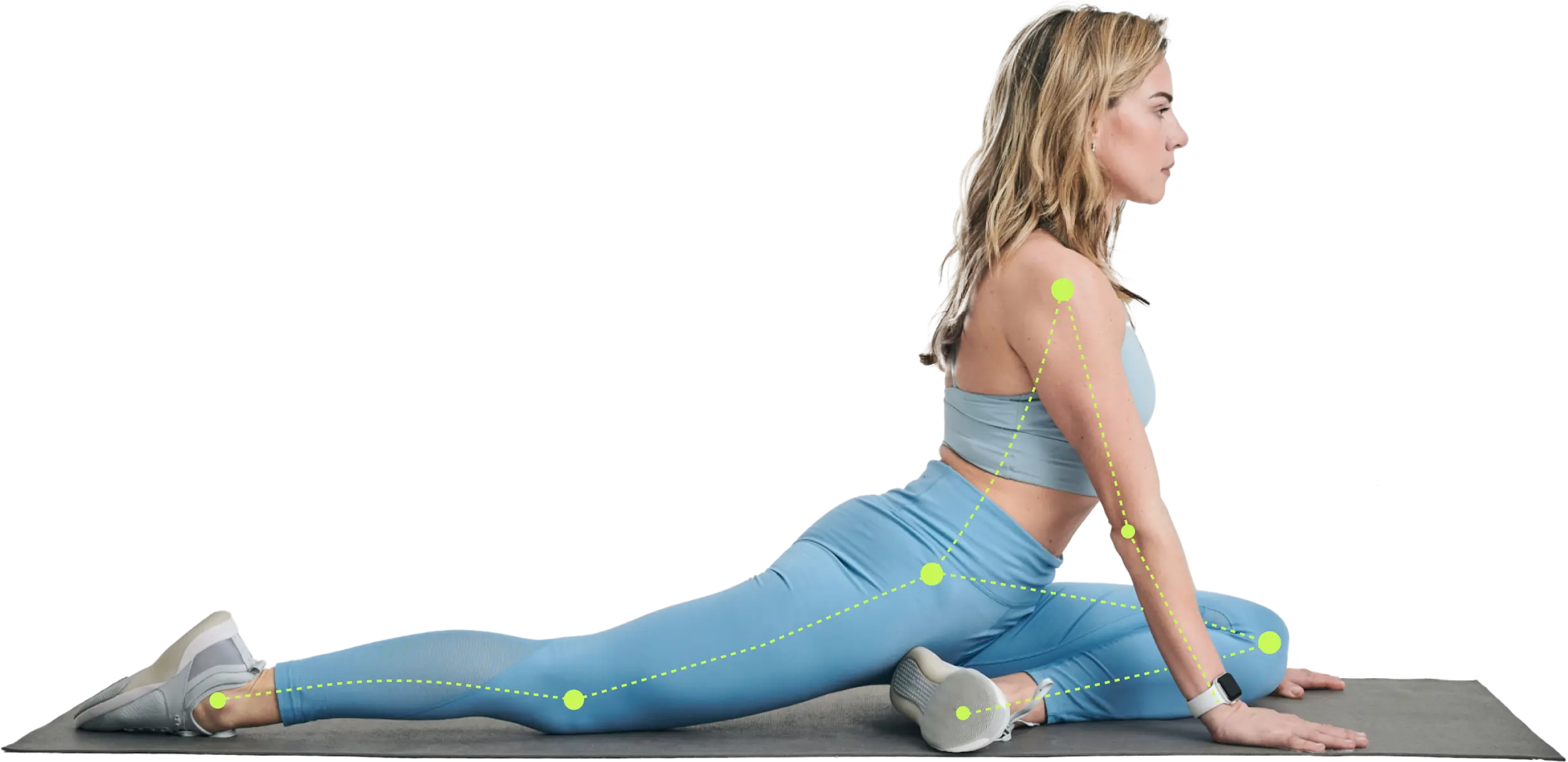
Ditch the adductor machine. Discover the best adductor machine alternative exercises for home and gym, with tips for safety, programming, and personalization.
You’re probably here because one of two things keeps happening. The adductor machine is always taken, or you’ve started to suspect that closing your legs against pads isn’t the whole answer for stronger inner thighs and healthier hips.
That instinct is right. The best adductor machine alternative isn’t just a random swap from a list. It’s the exercise, progression, and setup that match your body, your training history, and the equipment you have access to. For one person, that’s a Copenhagen plank using a chair at home. For another, it’s cable hip adduction in a gym. For someone coming back from a groin issue, it may need to start with simple squeezes and short isometric holds before any dynamic movement.
As a trainer, I like the adductor machine for one thing. It makes the target muscle easy to feel. But that’s also where many people get stuck. They train adduction only in a seated, supported position, then wonder why their hips still feel weak during squats, lunges, running, change of direction, or even long walks.
Why You Need More Than Just the Adductor Machine
Most gym users think of adductors as small inner-thigh muscles. They aren’t. The adductor group is bigger than the hamstrings and only slightly smaller than the quadriceps, which is a major reason they matter far beyond aesthetics, as noted by YogaU Online’s discussion of hip abductors and adductors.

That size matters because these muscles help create force. They support sprinting, jumping, and fast direction changes. They also help stabilize your pelvis and femur during ordinary movement, which is why weak or poorly trained adductors often show up as shaky single-leg balance, collapsing knees, and groin discomfort during lower-body training.
What the machine does well
The adductor machine has a clear benefit. It isolates the movement. For beginners, that can be useful because it reduces coordination demands and makes it easier to learn where the inner thigh should work.
It’s also adjustable, which helps if you want a simple loading path or you’re returning to training and need a controlled entry point. If you already use the machine and want a reference point for form and setup, these hip adduction machine exercise ideas can help you compare machine work with other options.
Where the machine falls short
The machine locks you into one path. Real movement doesn’t work that way.
When you walk, lunge, squat, run, or step sideways, your adductors don’t just pull the legs inward. They help manage position, absorb force, resist rotation, and stabilize your hips while the rest of your body moves around them. A seated machine can train part of that job, but not all of it.
Practical rule: If an exercise makes your adductors stronger but doesn’t improve how you control your hips during standing movement, it’s only doing part of the work.
That’s why people often feel strong on the machine but unstable in split squats, lateral lunges, or deceleration drills. The strength isn’t always transferring.
The better standard for adductor training
A good adductor plan usually combines two things:
- Direct tension: targeted work that makes the adductors do their own job
- Functional integration: standing or plank-based patterns that force the adductors to cooperate with the glutes, core, and feet
That combination tends to work better than machine-only training because it respects how the body uses these muscles.
Here’s the trade-off in simple terms:
| Approach | Best use | Main limitation |
|---|---|---|
| Adductor machine | Learning the muscle, controlled isolation, easy progression | Fixed path, limited carryover to standing movement |
| Bodyweight alternatives | Home training, rehab-friendly progressions, joint control | Harder to load heavily at first |
| Cable and free-weight options | Strength with more movement freedom | Require more setup and technique |
If your goal is stronger hips that hold up outside the machine, you need both direct adductor work and movement patterns that teach those muscles to stabilize under load.
Top Bodyweight and Minimal Equipment Alternatives
If you train at home, travel often, or don’t trust your groin enough for heavy loading yet, bodyweight options are the best place to start. They let you build tension without needing a dedicated machine, and they usually expose weak points faster because your body has to control itself in space.

Copenhagen plank
If I had to pick one bodyweight adductor machine alternative, this would be near the top. It trains the inner thigh hard, but it also demands pelvic control, core stiffness, and side-to-side stability.
EMG data cited in this Copenhagen plank breakdown shows 130-150% MVIC in the adductors, and the same source notes it can outperform machine adduction by 20-30% in functional stability. Athletes using it in rehab protocols also reported a 25% reduction in groin injuries after 8 weeks.
How to do it
- Lie on your side and set up like a side plank.
- Put your top foot on a stable bench, chair, or couch edge.
- Place your forearm directly under your shoulder.
- Lift your hips so your body forms a straight line.
- Let the bottom leg hover off the floor.
- Hold the position while keeping your ribs down and glutes tight.
The mistake I see most is hip drop. Once the pelvis sags, the adductors stop doing the intended work and the low back starts trying to help.
Keep thinking “long spine, high hips, quiet ribs.” If you feel your waist collapsing, shorten the hold instead of fighting through ugly reps.
Regressions that actually help
Don’t force the full version if your groin feels sketchy or your shoulder can’t support the side plank well. Use one of these:
- Knee-bent side plank: Bend the lower leg and reduce the lever length.
- Short-lever Copenhagen: Support the top knee on the bench instead of the foot.
- Timed holds: Start with brief efforts and stop before form slips.
Side lunge
The side lunge is less flashy, but it teaches the adductors to lengthen and control movement in a standing pattern. That matters if you want carryover to sports, squats, and daily life.
Step wide, sit back into one hip, and keep the other leg long. The straight leg is where you’ll often feel a deep adductor stretch. The bent leg does plenty of work too, but don’t rush the lowering phase. Control is where the value is.
A few form cues make a big difference:
- Keep the whole foot grounded on the bent-leg side
- Let the hips move back instead of just dropping straight down
- Don’t bounce into the stretch on the straight leg
- Push the floor away to return to center
Cossack squat
This is a progression from the side lunge, not generally a starting point. It demands more mobility, more balance, and better control in the bottom position.
If you want a deeper lateral pattern, the Cossack squat exercise guide is a useful reference. Start shallow. Hold onto a support if needed. The goal isn’t to perform a dramatic mobility drill. The goal is to own the range you can control.
A simple home pairing works well:
- Copenhagen plank
- Side lunge or assisted Cossack squat
That gives you one drill for direct inner-thigh tension and one for standing movement quality. For many people, that’s a more useful foundation than chasing harder variations too early.
Effective Alternatives Using Free Weights and Cables
Once you have access to a gym, you can load the adductors more precisely without going back to the limitations of the seated machine. Cables prove particularly effective. They preserve a direct line of tension, but they also force you to stabilize while standing.

Cable hip adduction
Cable hip adduction is the closest thing to a machine replacement that still feels athletic. The cable keeps pulling through the movement, so you don’t get the dead spots that often show up with bodyweight-only drills.
According to the PubMed-linked source on cable hip adduction, the movement maintains 95-100% peak tension and yields a 28% higher adductor muscle activation ratio compared to some free weight exercises. That same source notes users typically achieve 18-22% adductor strength gains in 6 weeks.
Setup and execution
Use an ankle strap on a low pulley. Stand side-on to the stack with the working leg closest to the cable. Hold the frame lightly for balance, but don’t hang on it.
Then follow this sequence:
- Let the working leg move slightly out to the side.
- Keep the toes mostly neutral.
- Brace your trunk so the torso stays quiet.
- Pull the leg across toward the midline under control.
- Pause briefly, then return slowly.
A few details matter more than people think:
- Don’t spin the foot outward. That often shifts tension away from the target.
- Don’t lean the torso. If the body sways, the cable is training compensation.
- Don’t chase load too early. If you can’t control the return, it’s too heavy.
For practical instruction on positioning and movement, this cable hip adduction exercise page is a solid technical reference.
Stand tall enough that the adductors move the leg, not the rest of your body.
Free-weight options that actually bias the adductors
Free weights don’t isolate the adductors as directly as cables, but they can train them very effectively when stance and depth are right.
Goblet squat with a wider stance
A wider goblet squat can shift more demand toward the adductors, especially near the bottom where the hips are fully flexed. Hold a dumbbell or kettlebell at the chest, set the feet wider than your usual squat, and let the knees track in line with the toes.
The key is not to force an extreme sumo position. Too wide, and many people lose foot pressure and pelvic control. Use the widest stance that still lets you descend smoothly with a stable torso.
Sumo deadlift pattern
If your hips tolerate it, a sumo setup can train the adductors hard because they contribute to both position and force production from the floor. But this isn’t a great first choice for someone with active groin pain, poor hinge mechanics, or limited hip rotation.
That’s one reason many people do better starting with lower-risk progressions and structured programming. If you want a broader framework for combining strength work with body composition goals, Trim's medically supervised strength plans offer a helpful example of why exercise selection and progression should match the individual, not just the ideal workout on paper.
What works best in practice
If I’m building a gym-based adductor block, I usually prefer this order:
| Exercise type | Why it earns a place |
|---|---|
| Cable hip adduction | Direct tension and easy progression |
| Wide-stance goblet squat | Integrates adductors into a full lower-body pattern |
| Lateral squat or lunge pattern | Builds control in frontal-plane movement |
That sequence covers isolation, integration, and movement quality. It’s a better long-term answer than replacing one seated machine with another version of the same idea.
Programming Your Adductor Workout for Safety and Growth
Most adductor problems don’t come from exercise selection alone. They come from poor sequencing, too much load too soon, or using hard variations before the hips can control basic positions.
That matters even more if you’ve had a groin strain before. A 2025 hip stability study discussed by Perform-360 found 68% of recreational lifters with prior groin strains reported incomplete recovery using machine-free alternatives without personalized guidance. The point isn’t that alternatives fail. The point is that random exercise swaps aren’t enough.
Start with the right category
Think of adductor training in three buckets:
- Isometric control such as Copenhagen plank holds
- Dynamic single-joint work such as cable hip adduction
- Integrated lower-body patterns such as side lunges, Cossack squats, and wide-stance squats
Individuals shouldn’t live in only one bucket.
If you’re a beginner, start with one move from the first bucket and one from the third. If you’re returning from injury, use the first bucket longer than your ego wants. If you’re already strong and symptom-free, blend all three.
A simple way to structure the week
Here’s a practical template that works for many lifters:
Option one for beginners
- Main lower-body day: wide-stance goblet squat
- Accessory slot: side lunge
- Finisher: short Copenhagen plank holds
Option two for gym trainees
- Primary adductor move: cable hip adduction
- Compound lift: squat or sumo-pattern hinge
- Control drill: lateral bodyweight pattern at the end
Option three for people managing old groin issues
- Warm-up: gentle adductor squeezes or supported lateral shifts
- Strength work: short-lever Copenhagen holds
- Movement practice: shallow side lunges with bodyweight only
The logic is simple. Put the highest-skill or highest-priority work early, then finish with lower-risk volume.
Progression without guessing
A lot of lifters hear “progressive overload” and think only about adding weight. That’s incomplete. For adductor training, progression can mean:
- More control: smoother reps, less shaking, better pelvic position
- More range: deeper side lunge or better bottom position in a Cossack squat
- More time under tension: longer holds or slower eccentrics
- More external load: heavier cables, dumbbells, or kettlebells
If you want a practical framework for applying that idea across your week, this guide to progressive overload training lays out the core principle well.
Coaching note: Progress the version you can own. If your knee caves, your pelvis twists, or your trunk sways, you haven’t earned the harder variation yet.
Common mistakes that slow progress
The biggest one is knee valgus during lunges, squats, and lateral patterns. The knee collapsing inward is often a sign that the whole hip complex isn’t controlling the movement well. It can also show up when fatigue hits and you keep pushing reps after quality is gone.
Other common misses include:
- Going too deep too fast: range is useful only if you can stabilize it
- Mistaking stretch for strength: feeling a big inner-thigh stretch doesn’t mean you’re loading the tissue well
- Skipping the eccentric: lowering under control is where many adductors learn to tolerate force
- Using pain as a guide: mild effort is fine, but sharp groin pain is not a badge of progress
How to know your plan is working
You don’t need a perfect metric. Look for practical signs:
| Sign | What it usually means |
|---|---|
| Less shaking in single-leg or lateral work | Better hip control |
| Cleaner side-lunge reps | Improved adductor length and strength |
| No groin irritation after training | Your current dose is probably appropriate |
| Stronger lock-in at the bottom of wide-stance work | Better integration with the rest of the lower body |
If those markers improve over time, your adductor machine alternative plan is doing its job.
How Zing Coach Personalizes Your Adductor Training
The difficulty isn't a lack of good adductor exercises. It arises from choosing an unsuitable version for one's current situation. A strong gym-goer with cable access needs something different from a beginner training in a living room with a chair and a resistance band.
That’s where a personalized system helps more than a static program. A tool that can match exercise selection to available equipment, current fitness level, and movement tolerance solves a practical problem that generic plans ignore.

Why personalization matters for adductors
Adductor machines have a place because they provide isolated strength. But Aroleap’s comparison of adductor and abductor machine training also notes that functional alternatives such as resistance bands, cable machines, and bodyweight exercises create more dynamic movement patterns that better replicate real-world activity.
That distinction is especially important for people in one of these situations:
- Home training: no access to a machine, but enough room for planks, lunges, and band work
- Return from injury: needs a lower-threat starting point and tighter control of progression
- Busy schedule: needs short sessions with minimal setup
- Gym access with goals for strength: can benefit from cables and loaded compound patterns
A personalized plan should filter exercise choices through those constraints first. It shouldn’t start with the most impressive movement on social media.
Where technology actually helps
Smart coaching works best when it reduces guesswork in three areas.
Exercise selection
A good system chooses from bodyweight, cable, band, or free-weight options based on what you have. That means your adductor machine alternative isn’t theoretical. It fits your environment.
Progression
Many people find themselves stalling. They repeat the same side lunge or plank variation for weeks because no one tells them when to add range, load, or time. A structured program fixes that by nudging progression only when the current step looks stable.
Form feedback
Adductor work breaks down fast when the torso leans, the foot spins out, or the knee caves. Real-time feedback is useful here because these errors can be subtle, especially when fatigue builds.
If you want to see how that kind of personalization works at the program level, this overview of an AI workout plan shows the logic well. The value isn’t novelty. The value is that your plan can adapt when you switch from home to gym, when a past injury flares up, or when your recovery drops and your normal loading no longer makes sense.
The best adductor plan isn’t the hardest one. It’s the one you can perform cleanly, recover from, and build on next week.
That’s the standard. When a training system respects it, adductor work stops feeling like an afterthought and starts improving how your whole lower body moves.
Conclusion Your Path to Stronger Functional Hips
You don’t need a dedicated machine to build strong adductors. You need the right match between exercise, environment, and progression.
For home training, Copenhagen planks and lateral squat patterns do a lot of work with very little equipment. In the gym, cable hip adduction and well-executed wide-stance lifts give you a stronger loading option without forcing you back into a fixed seated pattern. If you’ve dealt with groin or hip issues before, the smartest move is to start with controlled regressions and earn range and load gradually.
A good adductor machine alternative should improve more than inner-thigh fatigue. It should help your hips stabilize better, your lower-body lifts feel cleaner, and your movement feel more reliable under load. That’s what functional strength looks like.
If you want a plan that adjusts to your equipment, goals, recovery, and movement level, Zing Coach can help. It builds personalized workouts, adapts progression over time, and gives form feedback so you can train your adductors safely whether you’re at home, in the gym, or rebuilding after time away.
Share this article


Authors