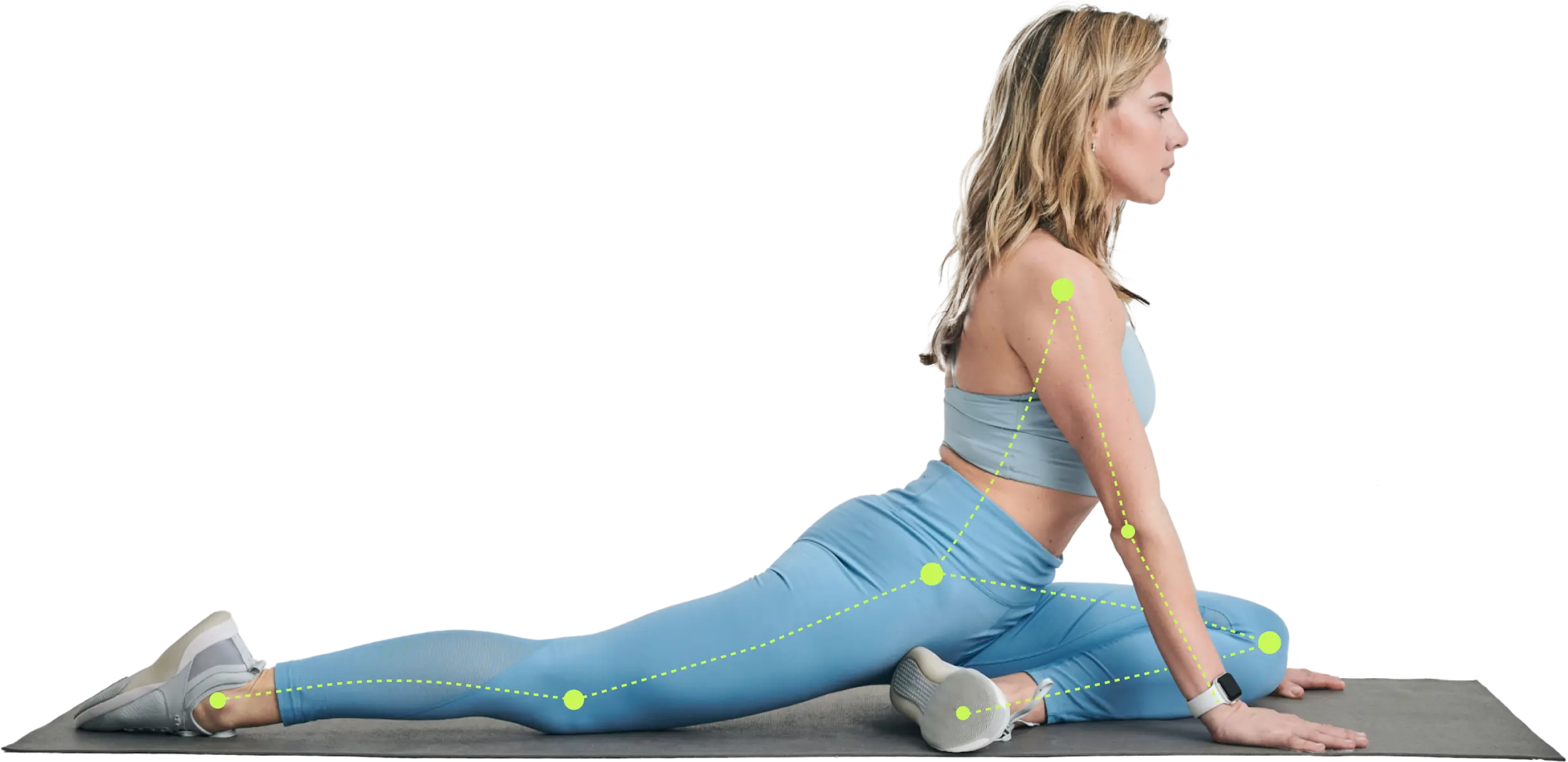
Shoulder pain no more! Discover effective overhead press alternative exercises. Build strong, healthy shoulders with expert tips & programming for 2026.

The overhead press is a foundational exercise for building strong, defined shoulders. Yet, it’s not the right fit for everyone. Whether due to shoulder pain, limited mobility, equipment availability, or simply a need for variety, many people search for a reliable overhead press alternative. This guide is designed to provide you with exactly that: a comprehensive roundup of effective substitutes that still deliver exceptional results for your deltoids, triceps, and upper back.
Each option presented here serves a specific purpose, from accommodating sensitive joints to maximizing muscle growth with different tools. We'll move beyond a simple list and give you the actionable details needed to perform each movement correctly and safely. You'll find step-by-step instructions, common mistakes to avoid, and clear guidance on programming, including recommended sets, reps, and progressions.
Often, the need for alternatives stems from existing shoulder imbalances or discomfort. Exploring specialized exercises to bring balance to your shoulders can be a crucial first step in addressing these issues before you even pick up a weight.
This article will help you find the perfect overhead press alternative for your unique situation, whether you’re a beginner building confidence, a busy professional with a home gym, or someone managing a past injury. By understanding how to modify your training, you can continue making progress toward your strength goals without compromising your shoulder health. Let’s explore the best options to keep your workouts effective and pain-free.
1. Dumbbell Shoulder Press
The Dumbbell Shoulder Press stands as a classic and effective overhead press alternative, replacing the barbell with a pair of dumbbells. This simple equipment swap fundamentally changes the exercise, allowing each arm to move independently. This unilateral freedom helps identify and address strength imbalances between your left and right sides, a common issue masked by the fixed nature of a barbell.

Because your hands aren't locked into a single position, you can adjust your grip and pressing path to what feels most natural for your shoulder joints. Many find that a neutral grip (palms facing each other) or a semi-pronated grip (palms angled forward) is more comfortable than the fully pronated grip required by a barbell.
Why It's a Great Alternative
The Dumbbell Shoulder Press is highly adaptable, making it a go-to for various fitness goals and physical needs. For those with shoulder sensitivity or a history of impingement, the increased range of motion and grip freedom can make vertical pressing possible without discomfort. It's a staple in physical therapy and prehab routines for this very reason.
This variation is also a fantastic tool for building shoulder stability. Each arm must stabilize its own load, engaging more of the small, supporting muscles around the shoulder girdle and rotator cuff that are critical for long-term joint health.
Step-by-Step Instructions
- Setup: Sit on a bench with back support or stand with your feet shoulder-width apart. Hold a dumbbell in each hand at shoulder height, with your elbows bent and palms facing forward (or in a neutral grip for more comfort).
- Brace: Engage your core by tightening your abs and glutes to prevent your lower back from arching. Keep your chest up.
- Press: Exhale and press the dumbbells straight overhead until your arms are fully extended but not locked. Keep the dumbbells slightly in front of your head, not directly over or behind it.
- Control the Descent: Inhale and slowly lower the dumbbells back to the starting position with control. A slower descent (e.g., 3 seconds) builds more muscle and stability.
Common Mistakes to Avoid
- Arching the Lower Back: This shifts the load from your shoulders to your spine. Keep your core engaged and use a lighter weight if you can't maintain a neutral spine.
- Flaring Elbows Too Wide: Letting your elbows drift out to the sides can place undue stress on the shoulder joint. Keep your elbows slightly in front of your body.
- Using Momentum: Bouncing the weights or using your legs to "kick" them up removes tension from the target muscles. Focus on a strict, controlled press.
2. Machine Shoulder Press
The Machine Shoulder Press offers a highly controlled and stable overhead press alternative, making it an excellent starting point for beginners or those managing specific physical limitations. Unlike free weights, the machine guides your movement along a fixed path, either on vertical rails or a pre-determined arc. This removes the need to stabilize the load, allowing you to focus entirely on the pressing motion and the contraction of your deltoid muscles.
This fixed-path movement is a key feature, providing support that can be beneficial in various situations. It's often found in physical therapy settings to help reintroduce pressing movements safely after an injury. The controlled environment helps build confidence and foundational strength before progressing to more complex, free-weight exercises.
Why It's a Great Alternative
The primary advantage of the Machine Shoulder Press is its simplicity and safety. The machine's structure minimizes the risk of form breakdown, making it a reliable tool for isolating the shoulder muscles without the high stability demand of a barbell or dumbbells. This is especially useful for lifters who are new to strength training or who find balancing free weights intimidating.
For those focused purely on hypertrophy (muscle growth), the machine allows you to push closer to muscular failure with less risk. Since the stability component is handled for you, all your energy can be directed into the muscle fibers you're trying to grow.
Step-by-Step Instructions
- Setup: Adjust the seat height so the handles are roughly level with the middle of your shoulders when you are seated. Your feet should be flat on the floor, and your back firmly against the pad.
- Grip: Grasp the handles with your chosen grip. Most machines offer both neutral (palms facing in) and pronated (palms facing forward) options.
- Brace: Sit tall, engage your core, and press your back into the pad to create a stable base. Avoid arching your lower back.
- Press: Exhale and press the handles upward until your arms are fully extended but not locked out. Follow the machine's natural path of motion.
- Control the Descent: Inhale and slowly lower the weight back to the starting position, maintaining control throughout the entire movement. Do not let the weight stack slam.
Common Mistakes to Avoid
- Improper Seat Height: Setting the seat too low or too high changes the mechanics of the press and can stress the shoulder joint. Ensure the handles start at shoulder level.
- Arching the Back Off the Pad: This is a common way to cheat and lift more weight, but it puts your spine at risk. Keep your back pressed against the support.
- Partial Range of Motion: Failing to press all the way up or not lowering the weight fully reduces the exercise's effectiveness. Use a weight that allows for a full range of motion. Explore different shoulder press machine exercises to understand how to get the most out of the equipment.
3. Pike Push-Up
The Pike Push-Up is a challenging bodyweight exercise that brilliantly mimics the vertical pressing motion of an overhead press without any equipment. By arranging your body into an inverted V-shape, similar to the downward-dog yoga pose, you shift the focus from your chest to your shoulders and triceps. This makes it an incredibly effective and accessible overhead press alternative for home workouts or as a skill-building movement in calisthenics.

Popularized within CrossFit and calisthenics communities, this exercise is a foundational step toward more advanced gymnastic movements like the handstand push-up. The angle of your body directly determines the difficulty; a steeper angle places more of your bodyweight onto your shoulders, increasing the load.
Why It's a Great Alternative
The Pike Push-Up is the perfect option for anyone without access to weights who still wants to build serious shoulder strength. It develops shoulder stability, body awareness, and pressing power simultaneously. Because it requires you to stabilize your entire body from your hands to your feet, it also heavily engages your core and improves overall coordination.
This movement is a masterclass in scapular control. To perform it correctly, you must learn to elevate and depress your shoulder blades through the full range of motion, a skill that directly translates to healthier, stronger shoulders for all other pressing exercises.
For those interested in bodyweight training, the Pike Push-Up is an essential part of the journey. You can explore some of the best calisthenics workouts to see how it fits into a complete routine.
Step-by-Step Instructions
- Setup: Start in a standard push-up position. Walk your feet in toward your hands, lifting your hips high into the air to form an inverted V-shape. Your arms and back should be in a relatively straight line.
- Brace: Keep your core tight to support your spine. Your head should be looking at the floor between your hands.
- Descend: Inhale and bend your elbows to lower the top of your head toward the floor. Aim for a spot on the ground slightly in front of your hands, creating a tripod shape with your head and hands at the bottom.
- Press: Exhale and press forcefully through your hands to return to the starting inverted V-position, extending your arms fully.
Common Mistakes to Avoid
- Flaring Elbows: Allowing your elbows to flare out to the sides compromises shoulder health. Keep them tucked at a 45-degree angle to your body.
- Moving Forward, Not Down: A common error is shifting your body forward like a regular push-up. Focus on lowering your head down between your hands, not toward them.
- Dropping the Hips: If your hips sag during the movement, the emphasis shifts back to the chest. Keep your hips high throughout the entire set.
4. Landmine Press
The Landmine Press is a unique overhead press alternative that uses a barbell anchored at one end in a landmine attachment. This setup creates a fixed, arcing path of motion, allowing you to press the weight upwards and forwards at roughly a 45-degree angle. This movement pattern blends the stability of a barbell with some of the joint-friendly benefits of dumbbells.
Popularized by athletic performance coaches, the landmine press reduces direct vertical stress on the shoulder joint. Because the weight travels along a forward arc, there is less chance of the shoulder impingement that can occur with a straight overhead press. This makes it an excellent choice for athletes and anyone with sensitive shoulders.
Why It's a Great Alternative
The Landmine Press is a powerful tool for building upper body strength and power in a way that is forgiving on the joints. The angled path naturally encourages proper scapular movement (how your shoulder blade moves) and core engagement, teaching you to transfer force from the ground up through your body. It is frequently used in strength programs for athletes in sports like football, basketball, and combat sports.
This exercise bridges the gap between horizontal pressing (like a push-up) and vertical pressing. This intermediate angle is often more accessible for individuals who find strict overhead movements painful or challenging, allowing them to train the deltoids and triceps effectively without discomfort.
Step-by-Step Instructions
- Setup: Secure one end of a barbell into a landmine unit or safely wedge it into a corner of the room. Load the other end with a weight plate. Stand or kneel facing the weighted end.
- Grip: Pick up the end of the barbell with one hand, cupping the end of the sleeve. Bring it to your shoulder, keeping your elbow tucked in close to your body. Your stance can be square or staggered for better balance.
- Brace: Tighten your core and glutes to create a stable base. Keep your torso upright and avoid leaning back as you prepare to press.
- Press: Exhale and explosively press the barbell up and away from your shoulder until your arm is fully extended. Follow the natural arc of the landmine.
- Control the Descent: Inhale and slowly lower the barbell back to the starting position at your shoulder with full control.
Common Mistakes to Avoid
- Using Body English: Avoid excessively bending your knees or leaning back to heave the weight up. This takes the focus off your shoulder and increases injury risk.
- Letting the Elbow Flare Out: Keep your elbow tucked relatively close to your side at the bottom of the movement. Flaring it out can put unwanted stress on the shoulder joint.
- Rotating the Torso: Especially during single-arm variations, fight the urge to twist your body as you press. Keep your core locked in to isolate the shoulder and arm muscles. Explore more variations and tips in this guide to landmine exercises.
5. Seated Shoulder Press (Bench or Chair)
The Seated Shoulder Press is a foundational overhead press alternative that prioritizes stability and isolation. By performing the movement while seated on a bench or chair with back support, you effectively remove the need for your lower body and core to stabilize your torso. This setup allows you to focus purely on the mechanics of the shoulder press, making it an excellent choice for isolating the deltoid muscles.
This variation is particularly beneficial for those who find standing presses challenging due to balance issues, lower back sensitivity, or limited core strength. The back support provides a stable base, reducing the risk of arching the spine and allowing for a stricter, more controlled movement pattern.
Why It's a Great Alternative
The Seated Shoulder Press is a staple in both rehabilitation and strength training programs because it offers a high degree of safety and control. For anyone recovering from an injury or just starting their fitness journey, this exercise builds confidence and strength in the shoulder muscles without the complexity of full-body stabilization. It’s a go-to for physical therapists and senior fitness coaches for this very reason.
Using dumbbells for the seated press is highly recommended, as it allows each arm to move independently. This freedom accommodates your natural range of motion and helps correct strength imbalances that might otherwise go unnoticed.
Step-by-Step Instructions
- Setup: Sit on a bench with the backrest set to a near-vertical angle. Plant your feet firmly on the floor. Hold a dumbbell in each hand at shoulder height with your palms facing forward or in a neutral grip.
- Brace: Press your back firmly against the bench pad and engage your core. Keep your chest up and your head in a neutral position, aligned with your spine.
- Press: Exhale as you press the dumbbells straight overhead until your arms are fully extended but not locked out. The weights should end slightly in front of your head, not directly above or behind it.
- Control the Descent: Inhale and slowly lower the dumbbells back to the starting shoulder-level position. Maintain control throughout the entire descent to maximize muscle engagement and joint stability.
Common Mistakes to Avoid
- Lifting Your Back Off the Pad: A common error is arching the lower back and pushing away from the support. This indicates the weight is too heavy. Keep your entire back, especially the lower part, in contact with the pad.
- Letting Your Head Jut Forward: Keep your chin tucked and your head against the pad or in line with your spine to prevent neck strain.
- Rushing the Movement: Using momentum by bouncing the weights negates the purpose of the exercise. Focus on a controlled tempo, especially on the way down. For an added challenge, you can incorporate different grips and tempos, such as with the Seated Arnold Press, which adds a rotational component.
6. Half-Kneeling Single-Arm Dumbbell Press
The Half-Kneeling Single-Arm Dumbbell Press introduces a unique stability challenge, making it a powerful overhead press alternative for building a strong core and resilient shoulders. By positioning yourself with one knee on the ground, you create an unstable base that forces your core muscles, particularly your obliques and glutes, to work overtime to prevent your torso from twisting or tilting. This setup effectively isolates the shoulder and arm for a stricter, more controlled press.
This variation, popularized by figures like Gray Cook and Dan John in functional fitness, takes the standard press and transforms it into a full-body stability drill. Because you press with only one arm, the exercise exposes and corrects asymmetries not just in shoulder strength but also in core control, making it a staple in athletic performance and prehab programs.
Why It's a Great Alternative
This press is exceptional for anyone looking to increase core strength and shoulder stability simultaneously. The half-kneeling stance locks your pelvis in place, which reduces the common tendency to arch the lower back for assistance. This makes it a safer option for individuals with lower back sensitivity or those who are learning to control their core during overhead movements.
The core demand of this exercise is its secret weapon. By resisting the dumbbell's pull to the side, you are performing an "anti-lateral flexion" and "anti-rotation" exercise, building the kind of deep core strength that protects your spine and improves athletic power.
Step-by-Step Instructions
- Setup: Place a pad or mat on the floor. Kneel down on your right knee, with your left leg forward and foot flat on the floor, creating 90-degree angles at both your hip and knee. Hold a single dumbbell in your right hand at shoulder height.
- Brace: Before pressing, tighten your right glute and brace your abs as if you're about to take a punch. This stabilizes your pelvis and spine.
- Press: Exhale and press the dumbbell straight overhead until your arm is fully extended. Focus on a vertical path, keeping your bicep near your ear at the top. Do not lean your torso to the side.
- Control the Descent: Inhale and slowly lower the dumbbell back to the starting position with complete control. Perform all reps on one side before switching your kneeling stance and pressing arm.
Common Mistakes to Avoid
- Leaning the Torso: A common fault is to lean away from the weight as you press. This defeats the purpose of the core stability challenge. Reduce the weight and focus on keeping your torso perfectly upright.
- Arching the Back: Even in this position, it's possible to arch your back. Squeeze the glute of the downed leg and keep your abs engaged to maintain a neutral spine.
- Rotating the Hips or Torso: The goal is to resist rotation. Ensure your hips and shoulders stay square and face forward throughout the movement.
7. Incline Dumbbell or Barbell Press
The Incline Press, performed with either a barbell or dumbbells, serves as a powerful middle ground between a flat bench press and a strict overhead press. By setting a bench to a 30-45 degree angle, you shift the pressing path to a diagonal plane. This modification reduces direct vertical stress on the shoulder joint while still heavily engaging the anterior deltoids, making it a valuable overhead press alternative for those who experience discomfort with fully vertical movements.
This exercise is a cornerstone in bodybuilding programs designed for upper chest and shoulder development. Because it blends horizontal and vertical pressing mechanics, it allows you to build significant pressing strength and muscle mass in the upper pecs and front delts simultaneously.
Why It's a Great Alternative
The Incline Press is exceptionally useful for individuals with shoulder sensitivity or those returning from an injury. The angled position can make pressing pain-free when a vertical press is not yet tolerable, acting as a bridge in rehabilitation protocols. It allows you to continue training the pressing pattern with substantial weight without aggravating the shoulder joint.
By adjusting the angle of the incline, you can customize the exercise to target specific muscle fibers and accommodate your unique shoulder mechanics. A lower incline (around 30 degrees) emphasizes the upper chest more, while a higher incline (45 degrees or more) shifts the focus closer to the anterior deltoids, more closely mimicking an overhead press.
Step-by-Step Instructions
- Setup: Set an adjustable bench to an incline between 30 and 45 degrees. Lie back on the bench, planting your feet firmly on the floor. Hold the dumbbells or barbell above your chest with arms extended.
- Brace: Engage your core and retract your shoulder blades, pulling them down and back into the bench. Maintain this "packed" shoulder position throughout the lift to protect your joints.
- Lower the Weight: Inhale and slowly lower the weight toward your upper chest with control. Your elbows should be tucked at a 45-75 degree angle relative to your torso, not flared out to the sides.
- Press: Exhale and drive the weight back up and slightly back, following the natural arc of your shoulder joint, until your arms are fully extended over your upper chest. Do not lock out your elbows forcefully.
Common Mistakes to Avoid
- Setting the Incline Too High: Going much beyond 45-50 degrees essentially turns the movement into a seated overhead press but with less stability, defeating its purpose as a unique alternative.
- Letting the Shoulder Blades Lift: Allowing your shoulders to roll forward and off the bench (scapular protraction) at the top of the press removes tension and increases injury risk. Keep them pinned back.
- Bouncing the Weight Off Your Chest: Using momentum negates the muscular work. Lower the weight under control and initiate the press with muscular force, not a bounce.
8. Resistance Band Overhead Press
The Resistance Band Overhead Press is a uniquely portable and joint-friendly overhead press alternative that uses elastic resistance instead of gravity. By standing on a band and pressing it overhead, you create tension that progressively increases as you extend your arms. This is known as accommodating resistance, meaning the exercise gets harder as you approach lockout, which is often the strongest part of the lift.

This variation is perfect for home workouts, travel, or as a low-impact option on recovery days. Since the tension is lowest at the bottom, it's gentler on the shoulder joint in its most vulnerable position, making it a favorite in rehabilitation and prehab settings. It's an excellent way to maintain overhead pressing mechanics without the stress of heavy weights.
Why It's a Great Alternative
Bands are an exceptional tool for teaching proper pressing form and reinforcing shoulder stability. The ascending resistance forces you to accelerate through the movement and actively stabilize at the top, which can improve lockout strength for other pressing exercises like the bench press. Its portability makes it ideal for anyone who needs a reliable workout on the go.
The accommodating resistance of bands challenges your muscles differently than free weights. It overloads the top portion of the lift, strengthening the triceps and deltoids at full extension, while deloading the bottom, which can be beneficial for those with shoulder pain.
Step-by-Step Instructions
- Setup: Stand with your feet shoulder-width apart, with the center of a resistance band securely under both feet. Grab the ends of the band and bring your hands to your shoulders, palms facing forward.
- Brace: Engage your core and glutes to create a stable base. Keep your spine neutral and avoid leaning back.
- Press: Exhale and press the band directly overhead until your arms are fully extended. The path should be slightly in front of your head, not directly above or behind.
- Control the Descent: Inhale and slowly lower your hands back to the starting shoulder position. Fight the band's pull on the way down to maintain constant tension on the muscles. For more on band training, explore these power band exercises.
Common Mistakes to Avoid
- Losing Tension at the Bottom: Letting the band go slack at the start of each rep removes a key benefit. Keep tension throughout the entire movement.
- Using a Band That's Too Light: To build strength, you need meaningful resistance. If you can perform 20+ reps easily, it's time to move to a thicker band or stack multiple bands.
- Letting the Band Pull You Down: The eccentric (lowering) phase is just as important as the press. Control the descent slowly rather than letting your hands snap back down.
8 Overhead Press Alternatives Comparison
| Variation | Implementation complexity | Resource requirements | Expected outcomes | Ideal use cases | Key advantages | Key limitations |
|---|---|---|---|---|---|---|
| Dumbbell Shoulder Press | Low–Moderate | Pair of dumbbells | Shoulder strength, unilateral balance | Home gyms, imbalance correction | Greater ROM, independent arm control | Harder to load very heavy; higher stabilizer fatigue |
| Machine Shoulder Press | Low | Shoulder press machine | Deltoid isolation, high-volume training | Beginners, rehab, busy commercial gyms | Safe guided path, easy load changes | Limited stabilizer/core development; gym-only |
| Pike Push-Up | Low (with progressions) | Bodyweight (mat optional) | Shoulder stability, pressing base for calisthenics | Home, travel, calisthenics progressions | No equipment, highly scalable | Cannot load heavy; requires wrist/shoulder mobility |
| Landmine Press | Moderate | Barbell + landmine attachment | Shoulder-friendly pressing strength, unilateral work | Athletic conditioning, shoulder-friendly loading | Allows heavy loading with reduced shoulder stress | Requires attachment; angled path differs from strict OHP |
| Seated Shoulder Press (Bench/Chair) | Low | Bench/chair + dumbbells or barbell | Shoulder isolation with reduced spinal load | Lower-back limitations, rehab, seniors | Back support, safer for spine issues | Removes core stimulus; less functional transfer |
| Half-Kneeling Single-Arm Dumbbell Press | High | Single dumbbell, knee pad optional | Anti-rotation core strength, unilateral stability | Athletic training, functional stability work | Builds core stability and corrects asymmetries | High skill demand, mobility needed, limited loading |
| Incline Dumbbell or Barbell Press | Low–Moderate | Incline bench + dumbbells/barbell | Upper chest and anterior deltoid development | Bodybuilding, hypertrophy, shoulder rehab | Allows heavier loading with back support | Less core engagement; shifts emphasis from strict OHP |
| Resistance Band Overhead Press | Low | Resistance bands (stackable) | Variable-resistance strength, joint-friendly training | Travel, home workouts, rehab, warm-ups | Portable, scalable, accommodating resistance | Harder to quantify progressive overload; band wear risk |
Building a Complete Shoulder Workout Beyond the Press
The journey to building strong, resilient shoulders doesn't have to follow a single path. While the traditional standing barbell overhead press is a powerful movement, it's far from the only option. As we've explored, finding the right overhead press alternative is about matching the exercise to your unique body, goals, and circumstances. Whether you’re dealing with shoulder sensitivity, limited equipment, or simply want to add variety to your routine, there’s an effective variation ready to meet you where you are.
From the stability-focused Half-Kneeling Single-Arm Dumbbell Press to the accessible and challenging Pike Push-Up, each alternative offers a distinct set of benefits. The key is to move beyond the idea of a "perfect" exercise and instead focus on what works best for you. This shift in perspective is crucial for long-term progress and joint health.
Key Takeaways for Stronger Shoulders
Let's distill the most important principles from our exploration of overhead press alternatives:
- Pain is a Signal, Not a Requirement: Pushing through sharp pain is counterproductive. If a movement hurts, stop. Use the regressions and alternatives provided, like the Landmine Press or Incline Press, which change the pressing angle to a more shoulder-friendly position.
- Stability Precedes Strength: Many alternatives, especially single-arm and half-kneeling variations, actively challenge your core and rotator cuff. Building this foundational stability is essential for safely executing heavier, more complex lifts down the road.
- Variety is a Tool for Progress: Your body is incredibly adaptive. By rotating through different pressing variations, you can challenge your deltoids, triceps, and serratus anterior from multiple angles. This not only prevents plateaus but also helps build more well-rounded and functional shoulder strength.
Putting It All Together: Your Action Plan
Now, how do you translate this information into action? Start by honestly assessing your current situation.
- Identify Your Primary Goal: Are you building raw strength, improving muscle definition, or working around an injury? Your answer will guide your selection. For hypertrophy, a Machine Shoulder Press might be ideal. For functional strength and core engagement, the Landmine Press is a superior choice.
- Test the Waters: Select one or two alternatives that seem like a good fit. Dedicate a few weeks to mastering the form with a lighter weight. Focus on the mind-muscle connection, feeling the target muscles contract and control the movement through its full range of motion.
- Listen to Your Body and Track Your Progress: Keep a simple log of your workouts. Note the exercise, weight, sets, and reps. More importantly, add a note about how it felt. Was it stable? Did you feel any pinching? This feedback is invaluable for making smart adjustments to your program.
To truly 'Master Strong Shoulders' and ensure sustained progress, your complete shoulder workout should extend beyond the exercises themselves to include proper recovery. You can optimize your gains and minimize injury risk with these science-backed post-workout recovery tips. Embracing smart alternatives and prioritizing recovery are the cornerstones of a sustainable and effective training philosophy. The goal isn’t just to press more weight; it’s to build a body that can perform, feel good, and stay active for years to come.
Feeling overwhelmed by all the options and not sure which overhead press alternative is right for you? Let Zing Coach build a personalized workout plan that adapts to your body, equipment, and goals. The AI-powered app selects the safest and most effective exercises, providing guided workouts that help you build strength with confidence. Get your custom-tailored fitness plan with Zing Coach today!
Share this article


Authors