Build explosive power with this complete plyometric workout program. Get expert-led routines, safety checks, and schedules for every fitness level.

Ever wonder how athletes seem to explode off the ground or change direction in the blink of an eye? The secret often lies in plyometrics, a training style designed to build serious muscular power, speed, and explosiveness through jumping, hopping, and bounding.
It's all about making your muscles react faster and more forcefully. Plyometrics trains your nervous system and muscles to generate as much force as possible in the shortest amount of time by using what’s known as the stretch-shortening cycle—a quick muscle stretch followed by a powerful, immediate contraction.
What Is Plyometrics and Why It Builds Power

Let's ditch the textbook definitions for a second. At its heart, plyometrics is about teaching your body to be springy and powerful. Think of your muscles and tendons like a rubber band. If you stretch that rubber band quickly (like when you dip down before a jump) and let it go, it snaps back with a ton of force.
That snap-back action is what we call the stretch-shortening cycle (SSC). It's the engine behind every plyometric move, and it happens in a split second across three phases:
- Eccentric Phase: This is the "loading" part where the muscle lengthens under tension to absorb force. Picture your feet hitting the ground after a small hop and your knees bending to catch yourself.
- Amortization Phase: The blink-and-you'll-miss-it pause between the stretch and the explosive contraction. The goal is to make this phase as short as possible to transfer more energy into the next movement.
- Concentric Phase: The muscle shortens with explosive power, releasing all that stored energy. This is the jump, the bound, or the powerful push-off.
A key part of this process is the rapid lengthening phase, a controlled movement known as an eccentric muscle contraction, which is fundamental to how plyometrics generates such explosive power.
From Soviet Secret to Mainstream Method
This style of training has a pretty cool backstory. While athletes in Eastern Europe were using the basic principles as early as the 1920s, it was Soviet scientist Yuri Verkhoshansky who really systemized it in the 1960s with his "shock method." It wasn't until American runner Fred Wilt observed these Soviet training techniques that he coined the term "plyometrics" and brought it over to the U.S.
The real magic of plyometrics isn't just about jumping higher. It's about rewiring your neuromuscular system to be more efficient, letting you produce more force with less effort. This translates to faster sprints, quicker cuts on the field, and a huge boost in overall athleticism.
Real-World Benefits of Plyometric Training
So, what do you actually get from all this jumping around? A smart plyometric workout program delivers some very real performance upgrades.
First off, it dials in your neuromuscular coordination. Your brain gets better at telling your muscle fibers to fire faster and more effectively. Think of it as a software update for your body that leads directly to a higher vertical leap and better acceleration. If you're looking to master one of the most iconic plyo movements, check out our guide on how to properly perform box jumps.
Second, you'll build incredible reactive strength. This is your ability to absorb force and immediately throw it back out, which is the cornerstone of agility. An athlete with great reactive strength can change direction on a dime without losing a step.
Finally, consistent plyometric work actually makes your tendons stiffer. Stiffer tendons are better at storing and releasing elastic energy, which improves your running economy. That means you use less energy at any given speed, helping you stay faster for longer.
The Essential Pre-Plyometrics Safety Checklist
Before you even think about starting a plyometric workout program, you need to have an honest chat with your body. Are you really ready for the high-impact, explosive nature of this training? This isn't about gatekeeping—it's about setting you up for long-term success and avoiding the injuries that come with jumping in too soon.

Think of it this way: you wouldn’t try to sprint on a freshly sprained ankle. In the same vein, you shouldn't be doing high-impact jumps without a solid foundation of strength and stability. Plyometrics puts serious stress on your joints, tendons, and muscles. Without the right prep work, you’re just asking for an injury that could sideline you for weeks, if not months.
Can Your Body Handle the Impact?
Let's run through a quick and practical readiness check. These aren't pass-or-fail tests, but they are honest signs of whether you have the base strength and control needed to train safely.
Strength and Stability Self-Tests:
- Deep Squat Hold: Can you comfortably sink into a bodyweight squat, getting your hips below your knees, and hold it for 30 seconds without pain or losing your balance? This shows you have the hip and ankle mobility to absorb landings correctly.
- Single-Leg Balance: Can you stand on one leg for at least 30 seconds without wobbling all over the place or needing to tap your other foot down? This is a non-negotiable for ankle stability.
- Pain-Free Hopping: Can you do 10-15 small, gentle hops in place on both feet without any joint pain in your ankles, knees, or hips? This checks how your joints tolerate basic impact.
If you had a tough time with any of these, it doesn't mean a plyometric workout program is off the table forever. It just means you’ve got some foundational work to do first.
A critical finding from sports medicine research shows that preseason training focused on jumping and landing mechanics significantly reduces the incidence of knee injuries in athletes. This highlights just how important it is to master the basics before you add explosive power.
Building Your Pre-Plyometric Foundation
If those self-tests showed some weak spots, it’s time to focus on pre-plyometric conditioning. The goal here is to build up the muscles that protect your joints and get your body better at absorbing force safely.
Start working these drills into your regular routine 2-3 times per week. Give it a few weeks before you officially start a plyometric workout program.
- Eccentric Calf Raises: Stand on the edge of a step. Rise up onto your toes with both feet. Then, lift one foot off and slowly lower yourself down on the other foot over a 3-4 second count. This is crucial for building ankle and Achilles tendon strength.
- Glute Bridges: Lie on your back with your knees bent and feet flat on the floor. Drive through your heels to lift your hips toward the ceiling, giving your glutes a good squeeze at the top. This fires up the main muscles you need for powerful hip extension and stability.
- Banded Lateral Walks: Loop a resistance band around your ankles or just above your knees. Get into a slight squat and take slow, controlled steps to the side, making sure to keep tension on the band. This targets the hip abductors, which are essential for keeping your knees stable.
Putting time into these conditioning drills is an investment in your performance and health. It makes sure that when you do start your plyometric journey, your body is a resilient, powerful machine ready for the work ahead. Ignoring these warnings is a classic recipe for burnout, so it pays to learn how to know if you're overtraining and respect what your body is telling you.
How to Build Your Plyometric Workout Program
Ready to build a plyo plan that actually gets results? A smart program isn’t about just jumping around and hoping for the best. It’s a structured, progressive approach that’s built around where you are right now.
To do this right, you need to manage a few key variables. Think of these as the dials you’ll turn to keep making progress without burning out or getting hurt.
- Volume: This is just the total number of ground contacts—every jump and landing—you do in a workout.
- Intensity: This describes the force of each jump. A little hop in place is low-intensity; a leap onto a high box is high-intensity.
- Rest: Plyos are all about high effort, which taxes your nervous system. That means longer rest periods are non-negotiable for quality reps.
These elements all work together. When you crank up the intensity, you need to dial back the volume to give your body time to recover. It’s a fundamental principle of any solid training plan, much like the idea of progressive overload for building strength.
We'll break this down into three phases to help you build a powerful athletic engine, safely and effectively.
Phase 1: Foundational Work and Landing Mechanics
Before you can jump high, you have to learn how to land softly. This first phase is all about mastering landing mechanics to absorb impact and keep your joints safe. The goal here is not about producing massive force—it’s about building the control and stability you’ll need for the more intense stuff later.
Think of your body as a shock absorber. You need to focus on landing quietly, with your knees bent and hips back, so your muscles take the force, not your joints.
Example Foundational Exercises:
- Ankle Hops: Small, gentle hops in place. Think like a pogo stick, focusing on a quick but soft bounce.
- Squat Jumps (Low Effort): Do a bodyweight squat, then a small jump, and immediately focus on a controlled landing right back into that squat position.
- Box Drop (Low Box): Step off a low box or step (6-12 inches). Focus only on the landing. Stick it softly and hold for two seconds before you reset.
In this phase, keep your volume moderate, around 60-80 foot contacts per session, and the intensity low. Take about 60-90 seconds of rest between sets to make sure every rep is perfect.
Phase 2: Developmental Power Building
Once you’ve got the landings down, it’s time to start building some real power. Here, the focus shifts from absorbing force to producing it. We'll ramp up the intensity of the jumps and introduce moves that demand more coordination and explosive effort.
Your goal is to shrink the time it takes to go from landing to jumping again—that amortization phase we talked about earlier. You'll start linking movements and aiming for more height and distance.
Remember, the quality of each jump matters far more than the quantity. Plyometrics is not cardio. Every rep should be done with maximum intent and a focus on explosive power.
Example Developmental Exercises:
- Box Jumps: Jump onto a sturdy box of moderate height (18-24 inches). Focus on an explosive takeoff and a soft landing.
- Broad Jumps: From a standing start, jump forward as far as you can. Land softly and stick the finish without stumbling.
- Lateral Bounds: Leap from side to side, landing on one foot and immediately exploding back to the other.
Your volume can sit around 80-100 contacts per session. But because the intensity is higher, you'll need more rest—give yourself at least 90-120 seconds between sets. This lets your nervous system fully recover for the next explosive effort.
Phase 3: Advanced Peak Explosiveness
This is the top tier of plyometric training, and it's reserved for athletes who already have a solid training base. The advanced phase uses highly complex, high-impact movements designed to max out your power and reactive strength.
These exercises are often called "shock" methods because they involve a heavy eccentric load (the landing) to trigger an incredibly powerful concentric contraction (the jump). You're training your body to handle huge forces and respond with lightning-fast power.
To get more ideas for explosive training, it's worth looking at how other athletes train. You can find some great examples in these proven workouts & tips for track and field.
Example Advanced Exercises:
- Depth Jumps: Step off a box, and the instant your feet touch the ground, explode up into a maximal vertical jump.
- Single-Leg Box Jumps: This is a serious challenge. Perform a box jump, but take off and land on the same single leg.
- Hurdle Hops: Set up a line of low hurdles and bound over them one after another, trying to spend as little time on the ground as possible.
In this advanced phase, you have to manage your volume carefully (100-120 contacts is plenty). Rest periods need to be long, up to 3 minutes between sets, to ensure you can perform at your absolute peak.
To make this crystal clear, here’s a table that lays out how you can progress your plyometric training from the ground up.
Plyometric Progression Model From Beginner To Advanced
This table outlines how your training evolves, detailing the focus, exercise types, and intensity adjustments as you progress through each phase of your plyometric workout program.
| Phase | Focus | Example Exercises | Weekly Volume (Foot Contacts) | Rest Between Sets |
|---|---|---|---|---|
| 1: Foundational | Landing mechanics, force absorption, stability | Ankle Hops, Low-Effort Squat Jumps, Box Drops | 60–80 | 60–90 seconds |
| 2: Developmental | Force production, reducing ground contact time | Box Jumps, Broad Jumps, Lateral Bounds | 80–100 | 90–120 seconds |
| 3: Advanced | Peak power, reactive strength, "shock" methods | Depth Jumps, Single-Leg Box Jumps, Hurdle Hops | 100–120 | 2–3 minutes |
By following this phased approach, you ensure you're building a solid foundation before moving on to more demanding exercises. This is the smartest way to unlock your athletic potential while keeping the risk of injury low.
Sample Weekly Schedules and Routines That Work
Knowing the theory behind a good plyometric program is great, but figuring out how to actually fit it into your week is where the real magic happens. Let's move from theory to a practical plan you can use right away.
The biggest thing to remember is that plyometrics are incredibly demanding on your nervous system. That means you should always do them when you're fresh—right after your warm-up, before anything else. A popular and effective strategy is to stack them with your heavy strength training. This consolidates all your high-intensity work into the same days, leaving your other days free for lighter recovery or total rest.
This flow chart gives you a bird's-eye view of how a smart program is built, starting with learning to land safely and progressing all the way to unleashing maximum power.

As you can see, a solid plan always moves from a Foundational phase (safety and control) to a Developmental phase (building power), and finally to an Advanced phase for peak athletic performance.
The Busy Professional’s Two-Day Plan
If you're juggling a crazy work schedule and can only squeeze in two focused gym sessions a week, this one’s for you. The game plan is all about efficiency. We'll pair plyos and strength work on the same days to give you maximum recovery time. This plan assumes you're in the Developmental Phase.
Weekly Schedule:
- Monday: Lower Body Strength + Plyometrics
- Tuesday: Active Recovery (light walk, stretching)
- Wednesday: Rest
- Thursday: Upper Body Strength + Plyometrics
- Friday: Rest or Light Cardio
- Saturday: Full Body Mobility or Active Hobby
- Sunday: Rest
Here’s how that lower body day could break down:
Monday Workout (Lower Body + Plyo)
- Box Jumps: 3 sets of 5 reps (Focus on exploding up and landing soft as a cat. Rest 90 seconds.)
- Broad Jumps: 3 sets of 4 reps (Go for max distance but stick the landing. Rest 90 seconds.)
- Barbell Squats: 4 sets of 6-8 reps (This is your main strength lift.)
- Romanian Deadlifts: 3 sets of 8-10 reps
- Walking Lunges: 3 sets of 12 reps per leg
The Athlete's Integrated Three-Day Split
For seasoned athletes or anyone with more training time, a three-day split opens the door to more volume and specialization. This schedule splits up lower and upper body plyometrics, pairing them with complementary strength days. This example is for someone moving into the Advanced Phase.
Weekly Schedule:
- Monday: Lower Body Strength + Lower Body Plyometrics
- Tuesday: Skill Work or Light Cardio
- Wednesday: Upper Body Strength + Upper Body Plyometrics
- Thursday: Active Recovery
- Friday: Full Body Power/Accessory Day
- Saturday: Rest
- Sunday: Rest
A huge takeaway for athletes is that plyometrics build reactive strength—your ability to absorb force and immediately redirect it. This is an absolute game-changer for speed and agility. Research consistently shows that two to three sessions per week delivers major performance boosts without frying your system.
Let's look at that main lower body day:
Monday Workout (Lower Body Strength + Advanced Plyo)
- Depth Jumps: 4 sets of 3 reps (Step off a 12-18 inch box and explode up the second you touch the ground. Rest 2-3 minutes.)
- Lateral Bounds: 3 sets of 5 reps per side (Focus on covering distance and spending as little time on the ground as possible. Rest 2 minutes.)
- Heavy Deadlifts: 3 sets of 5 reps
- Single-Leg Press: 3 sets of 8 reps per leg
- Standing Calf Raises: 4 sets of 15 reps
The Fitness Beginner's Foundational Routine
New to this kind of explosive training? Your number one job is to master the basics. This two-day plan weaves foundational plyos into a full-body strength routine, putting all the emphasis on landing mechanics and control, not height or distance.
If you're just getting started on your fitness journey, combining this with a solid beginner strength training program will build a well-rounded and safe base.
Weekly Schedule:
- Monday: Rest
- Tuesday: Full Body Strength + Foundational Plyometrics
- Wednesday: Light Cardio (brisk walk, cycling)
- Thursday: Rest
- Friday: Full Body Strength + Foundational Plyometrics
- Saturday: Mobility and Flexibility Work
- Sunday: Rest
Tuesday/Friday Workout (Full Body + Foundational Plyo)
- Squat Jumps (Low Effort): 3 sets of 8 reps (Focus 100% on a quiet, controlled landing. Rest 60 seconds.)
- Ankle Hops: 3 sets of 15 reps (Think small, springy hops, keeping your knees mostly straight. Rest 60 seconds.)
- Goblet Squats: 3 sets of 10-12 reps
- Push-Ups (or Knee Push-Ups): 3 sets to near failure
- Dumbbell Rows: 3 sets of 10-12 reps per side
- Plank: 3 sets, hold for 30-45 seconds
By picking a schedule that matches your experience and lifestyle, you can build explosive power and athleticism without the guesswork.
Your Guide to Warm-Ups, Cool-Downs, and Recovery

The explosive jumps and powerful bounds get all the glory, but the real magic of a plyometric workout program happens in the moments just before and right after. I’ve seen it countless times: athletes who skip their warm-up or cool-down are the first ones to get sidelined. Think of it like this—you wouldn't redline a cold engine.
These aren't optional add-ons; they're the non-negotiable bookends to every single session. A good warm-up gets your muscles and nervous system ready to fire on all cylinders, while a smart cool-down starts the recovery process immediately, helping you manage soreness and come back stronger.
Priming the Engine with a Dynamic Warm-Up
A plyometric warm-up isn't a sleepy jog on the treadmill. The goal here is to wake up your central nervous system and flood your muscles with blood. That means dynamic movement, not holding static stretches—which can actually reduce your power output right before you need it most.
Set aside about 10–15 minutes for this. You want to move from general, low-intensity movements to more specific, explosive drills. It’s like a dress rehearsal for the main event.
Sample Dynamic Warm-Up Routine:
- Leg Swings (Forward and Sideways): Do 10–12 swings per leg in each direction. This is all about opening up your hips.
- Walking Knee Hugs: As you step, pull your knee toward your chest. This wakes up your glutes and gives your hip flexors a gentle stretch. Aim for 8–10 reps per leg.
- Bodyweight Squats: Go through a full range of motion for 15 reps to get your quads, glutes, and hamstrings firing.
- Pogo Hops: Perform small, fast hops on the balls of your feet for 20–30 seconds. This is a direct prep for your ankles and calves.
If you want to dig deeper into workout prep, our article on how to warm up before strength training has some other great techniques. Getting this part right is critical for both performance and injury prevention.
The Cool-Down That Aids Recovery
Once you land that last jump, your work isn’t over. The cool-down is your first chance to shift into recovery mode, helping your heart rate settle and improving flexibility in the muscles you just hammered. This is where static stretching—holding a stretch for a bit—really shines.
Your cool-down isn't just about feeling good. It's an active process that helps clear metabolic byproducts from your muscles and signals to your body that it's time to shift from a state of stress to a state of repair.
Hold each stretch for 30–45 seconds. Breathe deep and let your muscles relax into it; never force a stretch. Just go to a point of mild tension and hold.
Essential Post-Plyo Stretches:
- Quad Stretch: Standing on one leg, grab your other foot and pull your heel toward your glute.
- Standing Hamstring Stretch: Prop your heel on a low box or step, keep your leg straight, and gently hinge at your hips.
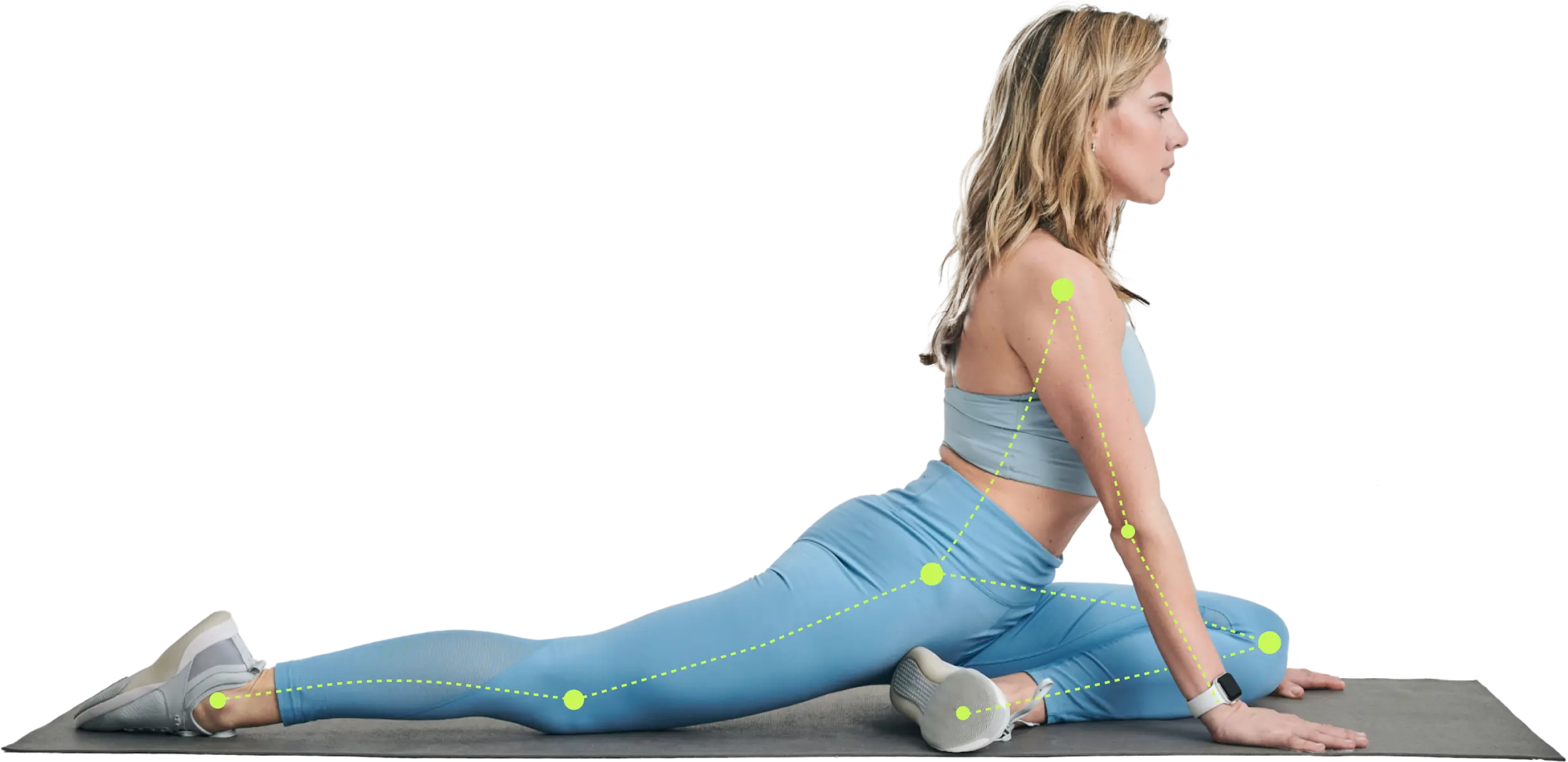
- Glute Stretch (Pigeon Pose): On all fours, bring one knee forward toward the opposite hand, extending your other leg straight back.
- Calf Stretch: Face a wall, place the ball of your foot against it with your heel on the floor, and lean forward.
Beyond the Workout: Recovery Strategies
Real recovery from plyometrics happens long after you've left the gym. Because these workouts are so demanding on your nervous system, you have to give your body the tools it needs to rebuild. I always tell my clients to plan for 48–72 hours of rest between plyometric sessions.
Here’s your recovery checklist:
Nutrition: As soon as you can post-workout, get a mix of protein and carbohydrates. This will replenish your muscle glycogen stores and kick-start the repair process. A simple protein shake with a banana is a perfect choice.
Sleep: This is non-negotiable. Aim for 7–9 hours of quality sleep a night. During deep sleep, your body releases growth hormone, which is absolutely essential for repairing damaged tissue.
Active Recovery: On your "off" days, don't just become one with the couch. Light activity like a walk, a gentle swim, or some yoga increases blood flow, which can help flush out soreness and speed up recovery without adding more stress.
Answering Your Top Plyometrics Questions
Jumping into a new, intense training style like plyometrics is bound to bring up some questions. It’s a big step up from your usual cardio or lifting, so let's clear up a few of the most common concerns. Getting the right answers will give you the confidence you need to get started safely and effectively.
How Often Should I Do Plyometrics?
This is probably the number one question we hear. With plyometrics, more is definitely not better. This kind of training is incredibly demanding on your central nervous system, and the real magic—the gains in power and strength—happens during recovery.
For most people, a dedicated plyometric workout one to two times per week is the sweet spot. You should always schedule these sessions on non-consecutive days. Studies have shown that 48 to 72 hours of rest between high-intensity plyo sessions is what your nervous system and muscles need to fully repair and adapt.
Think of it this way: the workout is the spark, but the gains are built during your rest days. Pushing too hard, too often, is just a fast track to overtraining, seeing your progress stall, and risking injury.
Can I Use Plyometrics for Weight Loss?
Absolutely. Plyometrics can be a fantastic tool for weight loss, just not in the way most people think. You aren't going to burn a crazy number of calories during a 15-minute plyo session. The real metabolic benefit comes from the after-effects.
The explosive nature of plyometrics creates a massive afterburn effect, what's technically known as Excess Post-exercise Oxygen Consumption (EPOC). This just means your body keeps burning calories at a higher rate for hours after you've finished the workout, as it works to recover.
When you pair plyometrics with a solid nutrition plan and consistent strength training, that metabolic boost can seriously speed up fat loss. Think of it as a powerful supplement to your routine, not the whole solution.
Over time, you're also building more powerful, metabolically active muscle. This increases your resting metabolic rate, meaning you burn more calories around the clock—even when you’re just sitting on the couch.
What Equipment Do I Really Need?
Here's one of the best things about starting a plyometric program: you don't need a high-end gym membership or a garage full of expensive gear. You can get an incredible workout with little to no equipment, especially when you’re just beginning.
Getting Started (No Equipment):
- Your Bodyweight: The most fundamental plyo exercises—like squat jumps, broad jumps, and ankle hops—require nothing but you and a bit of open space. This is where everyone should start.
Leveling Up (Minimal Equipment):
- A Sturdy Plyo Box: If you buy one thing, make it this. A stable box opens up a whole world of exercises like box jumps and depth jumps. Start with a low box (12-18 inches) and work your way up as you get more confident and powerful.
- Small Hurdles or Cones: These are awesome for agility drills and for teaching you to be quick off the ground during hurdle hops and lateral bounds.
- Medicine Ball: To bring that explosive power to your upper body, a medicine ball is perfect. You can use it for explosive chest passes and overhead throws to build power through your torso and arms.
You can build a complete, progressive program with just these simple tools. Remember, the focus should always be on the quality of your movement, not the fancy gear you're using.
Ready to build a smarter, more effective fitness plan? Zing Coach creates truly personalized workouts that adapt to your goals, equipment, and progress. Stop guessing and start training with an AI-powered plan that guides you every step of the way. Get your personalized program at https://zing.coach.
Share this article


Authors