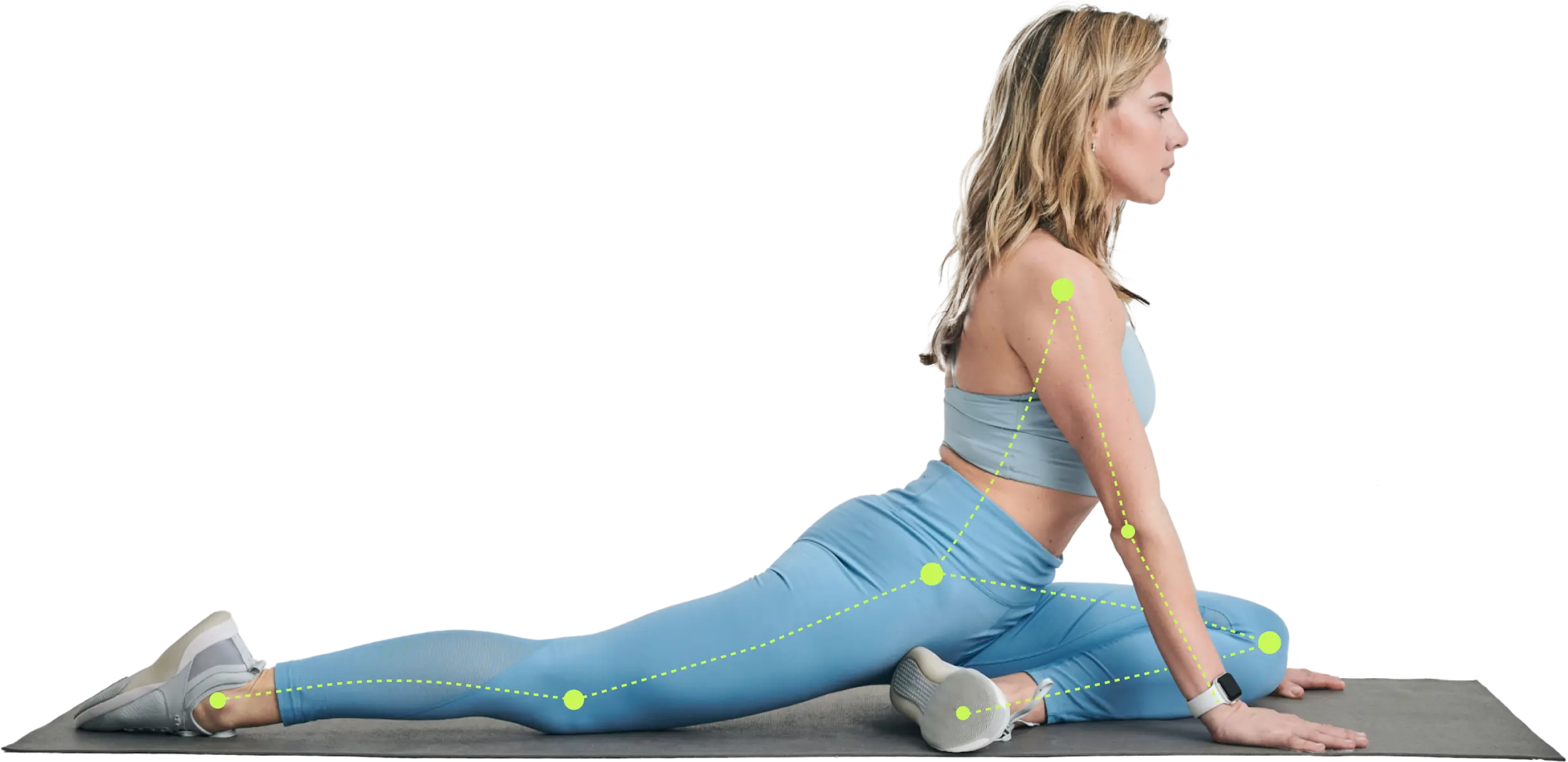
Discover the top 8 swiss ball exercises for building core strength, stability, and muscle. Our 2026 guide includes form tips, workouts, and more.

Ever notice how the Swiss ball sits in the corner until someone uses it for a few rushed crunches? That sells it short. A well-chosen Swiss ball exercise teaches you to produce force while keeping your ribs, pelvis, shoulders, and hips organized, which is exactly what many lifters and general gym-goers are missing.
That control is important because strength without it is shaky strength. If your trunk folds, your shoulders drift, or your hips shift under load, adding more weight is not always the answer. Better positioning, better tension, and better timing often clean up the problem first.
Swiss ball work has limits, and good programming respects them. For pure hypertrophy and top-end loading, barbells, dumbbells, cables, and machines usually give a better return. For trunk control, balance, body awareness, and low-equipment training, the ball can do a lot of useful work. The key is choosing the right exercise and keeping the difficulty at a level you can control.
Research supports that narrower role. An 8-week trial in trained athletes reported better jump performance, core endurance, balance, and agility after Swiss ball work was added to functional strength training, compared with training only on stable surfaces (Khel Journal study on Swiss ball training and athletic performance). That does not mean every session should be unstable. It means instability can help when it matches the goal.
Many exercise lists stop at naming movements from easy to hard. That is not enough in practice. People need to know which version to start with, what breakdown looks like, how to regress a movement, and when to progress it. That is the gap this guide addresses with step-by-step coaching, rep ranges, regressions and progressions, mini-workout ideas, and practical notes on ball size and weekly programming.
If you want a floor-based baseline before adding instability, the bird dog exercise guide from Zing Coach is a useful reference point.
Use the exercises below as training tools, not balance tricks. Own the position first. Then add instability with a reason.
1. Swiss Ball Bird Dog
The Swiss ball bird dog is one of the best starting points if your trunk control is inconsistent. It looks simple. It is not easy when done well.
With your hands on the ball and your knees on the floor, the ball gives your upper body just enough instability to expose weak links. If your ribs flare, your lower back arches, or your hips rotate as you extend, you feel it immediately. That feedback is useful.

A lot of coaches use floor bird dogs first. I like the Swiss ball version when someone understands the pattern but still needs more awareness through the shoulders and trunk. For people returning from time off, or anyone whose desk posture shows up in training, this is a smart reset.
If you want a floor-based reference for the pattern, the bird dog exercise guide from Zing Coach is a useful comparison.
How to do it well
Set the ball in front of you and kneel behind it.
Place both hands on top of the ball, about shoulder-width apart. Brace your abs lightly and pull your shoulders away from your ears. Your spine should feel long, not rounded and not overarched.
Now do this:
- Reach one leg back: Straighten it behind you until your toes hover.
- Reach the opposite arm forward: Move slowly so the ball does not drift.
- Pause briefly: Hold the end position without twisting.
- Return under control: Bring hand and knee back in, then switch sides.
A good starting point is 6 to 10 reps per side for 2 to 3 sets. Keep each rep deliberate. This is not a speed drill.
Regressions and progressions
- Regression: Keep both hands on the ball and only extend one leg at a time.
- Regression: Keep your toes on the floor and just reach the opposite arm.
- Progression: Make the pause longer at full extension.
- Progression: Bring your knees closer together to narrow your base.
- Later progression: Move toward more demanding unstable variations only after you can keep your pelvis level.
If your low back takes over, you progressed too soon. The fix is usually smaller range, slower tempo, and more attention to rib position.
Mini template:
- 2 to 3 sets
- 6 to 10 reps per side
- Slow tempo
- Pair with wall squats or glute bridges for a beginner-friendly core and lower-body session
2. Swiss Ball Wall Squats
Want a squat variation that teaches control without asking you to balance your whole body in space on day one? Swiss ball wall squats do that well.
The ball gives your torso feedback as you move, which makes this a practical option for beginners, older adults, and anyone rebuilding confidence after time away from training. It can also feel better than free squats for people whose knees get irritated when technique breaks down. The trade-off is simple. You gain guidance and confidence, but you give up some of the coordination and loading potential that make free squats such a strong long-term strength builder.
How to set it up and do it safely
Place the ball between the wall and your lower to mid back. Step your feet forward until they sit slightly in front of your hips. If your feet are too close to the wall, your knees usually drift too far forward and the bottom position feels cramped.
Use this sequence:
- Set your stance: Feet about hip to shoulder width, toes turned out slightly if that feels more natural for your hips.
- Brace lightly: Keep your ribs stacked over your pelvis and your chest relaxed, not flared up.
- Descend straight down: Bend knees and hips together while the ball rolls along your back.
- Stop at a depth you own: Aim for thighs around parallel if you can keep your heels down and knees tracking over your feet.
- Stand with pressure through the full foot: Push the floor away and return to the start without bouncing off the bottom.
A controlled tempo works best here. Try 2 to 4 sets of 8 to 15 reps, with about 2 seconds down, a brief pause, and a smooth stand.
For a deeper look at lower-body mechanics, the Zing Coach guide on how to do squats correctly is a useful companion.
Why this exercise earns a spot
Wall squats are useful for patterning. They help trainees learn how a squat should feel through the feet, knees, and hips without worrying as much about tipping forward.
They are also good for higher-rep leg work at home. Quads work hard, glutes still contribute, and the setup is less intimidating than holding dumbbells or a barbell. If the goal is maximum strength, though, this is a stepping stone, not the final destination.
A simple coaching rule helps here. Use the ball for support, but do not collapse into it. If your whole body is hanging on the ball, your legs are no longer doing the job you want them to do.
Regressions, progressions, and common mistakes
Regression options
- Reduce depth and squat to a pain-free range.
- Pause at the top between reps to reset your stance.
- Hold onto a door frame or sturdy support if balance still feels shaky.
Progression options
- Add a 2 to 3 second pause at the bottom.
- Slow the lowering phase to 3 to 4 seconds.
- Hold a dumbbell goblet-style once bodyweight sets feel easy.
- Progress to more dynamic core stability work such as Swiss ball plank saws if your goal is to build control under instability, not just leg endurance.
Common mistakes
- Feet set too close to the wall
- Knees collapsing inward
- Heels lifting at the bottom
- Dropping too fast and losing tension
- Turning the movement into a back-supported rest instead of an active squat
If knee discomfort shows up, first adjust foot position and reduce depth. That fixes the issue more often than people expect.
Mini template
Use wall squats in a beginner lower-body session like this:
- Swiss ball wall squat, 2 to 4 sets of 8 to 15
- Glute bridge, 2 to 4 sets of 10 to 15
- Standing calf raise, 2 to 3 sets of 12 to 20
If your goal is movement quality, keep the reps lower and the tempo slower. If your goal is general fitness, use moderate to high reps and stop each set with 1 to 3 clean reps left in reserve.
3. Swiss Ball Stability Plank
Want a core exercise that shows whether you can hold position under pressure, not just survive a long timer?
The Swiss ball stability plank does that fast. The ball moves the moment you lose tension, so weak links show up immediately. Usually it is the ribs flaring, the hips dropping, or the shoulders drifting out of position. That feedback is useful. It teaches anti-extension control, shoulder stability, and full-body bracing without loading the spine heavily.

I like this exercise for lifters who arch hard during presses, runners who struggle to keep the trunk steady, and home trainees who want more challenge than a floor plank without jumping straight to dynamic ball drills. The trade-off is simple. The ball raises the coordination demand, so your hold times usually need to drop. That is not a downgrade. It is better programming.
How to do it well
Set your forearms on top of the ball and place your elbows under your shoulders. Step your feet back until your body forms a straight line from head to heels.
Then build tension in this order:
- squeeze glutes
- tighten quads
- pull your ribs down slightly
- push your forearms into the ball
- keep your chin tucked and neck long
Hold that position while breathing through your nose or through small mouth exhales. If the ball starts rolling all over the place, reset instead of fighting through a sloppy rep.
A good starting point is 2 to 4 sets of 15 to 30 seconds. Stronger trainees can work up to 30 to 45 seconds, but only if the shape stays clean. I would rather see three sharp 20-second holds than one ugly minute.
If your hamstrings cramp or your pelvis keeps tipping, spend some time building posterior-chain control with these hamstring exercises for beginners. That often fixes the plank faster than doing more plank time.
If you want a related progression once your base plank is stable, the Swiss ball plank saws guide from Zing Coach is the logical next step.
Regressions, progressions, and common mistakes
Regression options
- Place the ball higher under the chest instead of directly under the forearms.
- Widen your feet to create a bigger base.
- Use shorter holds, such as 10 to 15 seconds, with full resets between sets.
Progression options
- Narrow your stance.
- Extend the hold to 30 to 45 seconds.
- Add small controlled circles.
- Add short forward-back saw motions once you can keep the ribs and pelvis stacked.
Common mistakes
- hips sagging toward the floor
- hips piking too high
- shoulders shrugging up toward the ears
- holding the breath
- chasing time instead of keeping position
End the set as soon as alignment slips. That is where the exercise stops training the pattern you want.
Mini template
Use the stability plank in a core or upper-body session like this:
- Swiss ball stability plank, 3 to 5 sets of 15 to 30 seconds
- Side plank, 2 to 3 sets of 15 to 30 seconds per side
- Dead bug or hollow variation, 2 to 3 sets of 6 to 10 reps per side
For beginners, keep rests generous and treat each hold like practice. For intermediate trainees, pair it with another anti-extension or posterior-chain exercise and keep 1 to 2 clean reps, or a few seconds, in reserve.
4. Swiss Ball Hamstring Curls
How strong are your hamstrings if they can hinge well but lose position the moment you ask them to curl and stabilize?
The Swiss ball hamstring curl exposes that gap fast. It trains knee flexion and hip extension together, which is how the hamstrings work during sprinting, cutting, and many everyday movements. It is also one of the clearest ways to find out whether your posterior chain can stay organized under tension, not just produce force in a controlled hinge.
Quad-dominant lifters, runners, and field sport athletes usually get a lot out of this exercise. So do general trainees who want a joint-friendly hamstring option without a machine. The trade-off is simple. You get more coordination and trunk demand, but less load than a leg curl machine or heavy hinge pattern.
How to do it well
Start on your back with your heels on top of the ball, legs straight, and arms pressed lightly into the floor for balance. Brace your abs first, then lift into a bridge so your shoulders, hips, and heels form a long line.
Then follow this sequence:
- Drive heels into the ball: Set tension before the ball moves.
- Curl the ball in: Bend your knees and pull the ball toward your glutes without letting your hips drop.
- Hold the top for a brief beat: Feel hamstrings first, with glutes and abs supporting the position.
- Roll back out slowly: Straighten the legs under control and keep the pelvis level.
A good starting target is 2 to 4 sets of 6 to 12 reps. Stop the set when the hips sag, the low back takes over, or the movement turns jerky.
If basic pushing strength still needs work alongside your ball training, clean push-up exercise technique usually improves full-body tension that carries over here too.
Regressions, progressions, and what to watch for
The best progression is usually slower than people want.
Start with a bridge hold with heels on the ball for 15 to 30 seconds. If that is solid, move to short-range curls. Then earn full-range curls. After that, use two legs in and one leg out for a single-leg eccentric. A full single-leg curl is the last step, not the first variation to test for fun.
Cramping is common early on. That usually means the hamstrings are working in a range or coordination demand they are not used to. Shorten the range, reset, and keep the hips high enough to stay in a bridge without forcing a big arch through the low back.
Common mistakes:
- pulling with the lower back instead of keeping ribs down
- starting the curl before lifting into a stable bridge
- letting the knees flare or feet drift unevenly
- rushing the return
- chasing reps after control is gone
Mini template
Use hamstring curls in a lower-body or core session like this:
- Swiss ball hamstring curls, 3 sets of 8 to 10
- Bodyweight split squat, 2 to 3 sets of 8 to 10 per side
- Stability plank, 2 to 3 sets of 20 to 30 seconds
For beginners, keep the reps low and the tempo slow. For intermediate trainees, use a 2-second curl and 3-second return, or progress to single-leg eccentrics while keeping 1 to 2 clean reps in reserve.
This is one of the better Swiss ball exercises for teaching progression properly. The jump from “can bridge” to “can curl well” is real, and good programming respects that instead of skipping straight to advanced variations.
5. Swiss Ball Push-Up
The Swiss ball push-up is a good example of instability being useful and overrated at the same time.
Useful, because it can sharpen shoulder stability, improve body tension, and make ordinary push-ups feel fresh again. Overrated, because many people jump to unstable push-ups before they own a clean floor push-up. That is backwards.
Start by earning the right to make the exercise less stable.

The version to start with
Hands-on-ball push-ups are usually the better entry point than feet-on-ball push-ups. The ball sits under your hands, your body stays long, and you lower under control.
Set your hands on the sides of the ball, not directly on top where the wrists tend to collapse inward. Step your feet back, brace your abs, and squeeze your glutes.
Then:
- Lower your chest toward the ball: Keep elbows at a comfortable angle, not flared straight out.
- Pause lightly: Do not bounce on the ball.
- Press away strongly: Finish with your trunk still rigid.
A practical rep range is 5 to 10 reps for 2 to 4 sets. If stability falls apart at rep 6, stop at 5 next set.
The Zing Coach push-up exercise guide is a helpful reference for baseline push-up mechanics before you add the ball.
Trade-offs worth knowing
Benefits:
- More shoulder stabilization demand
- More trunk tension demand
- Great for intermediate home training
Limitations:
- Less ideal for pure chest overload
- Poor choice for beginners with shaky wrists or weak push-up form
- Easy to turn into a circus trick if you chase instability instead of quality
The broader evidence base around Swiss ball training reflects that nuance. Existing fitness content often promotes Swiss balls broadly, but it rarely helps users decide when a Swiss ball is better than stable surfaces, resistance bands, or dumbbells for their specific goal or injury history. That comparison gap matters because unstable surfaces can increase core demand while also increasing risk for some users (discussion of Swiss ball trade-offs for different populations).
If your shoulders wobble before your chest gets any useful work, switch back to a stable surface and build strength there first.
Mini template:
- A1. Standard push-up or incline push-up, 3 sets
- A2. Hands-on-ball push-up, 2 to 3 sets of 5 to 8
- B. Side plank, 2 sets each side
6. Swiss Ball Back Extension
Could your lower back use more endurance without turning every rep into a hard spinal bend?
The Swiss ball back extension works well for that goal if you treat it as an anti-slump exercise, not a max-range backbend. Done well, it builds control through the spinal erectors, glutes, and upper back so you can hold posture better during rows, carries, hinges, and long desk-heavy days. Done poorly, it becomes a sloppy hinge from the low back.
Neutral is the target.
Set the ball under your hips or lower abdomen. The exact spot depends on your height and the size of the ball. If the ball sits too high under the stomach, you will struggle to move. If it sits too low on the thighs, the exercise often turns into a balance drill instead of a back extension. Wedge your feet against a wall or place them wide on the floor. Cross your arms over your chest to start.
From there, follow this sequence:
- Lower your torso slightly over the ball under control.
- Brace your abs before you lift.
- Raise your chest until your head, upper back, and hips line up.
- Pause for a beat at neutral.
- Lower slowly and repeat.
Stop at neutral each rep. Extra height usually comes from the lower back, and that is where many people start to feel compression instead of useful muscular work.
A practical starting point is 8 to 15 reps for 2 to 4 sets. Use a 2 to 3 second lowering phase. If rep speed changes or you start cranking the neck up to finish, end the set there.
Regressions and progressions
Start easier if you cannot control the top position yet:
- Regression: Isometric hold at neutral for 10 to 20 seconds
- Regression: Shorten the range of motion and work only the top half
- Regression: Keep feet against a wall for extra stability
Build difficulty only after clean bodyweight reps:
- Progression: Hands behind head
- Progression: Add a 2-second pause at the top
- Progression: Hug a light plate or dumbbell to the chest
- Progression: Use slower eccentrics for 6 to 10 reps
The trade-off is straightforward. More load can strengthen the posterior chain, but it also makes it easier to overextend and lose the point of the exercise. For many lifters, slower bodyweight reps give a better return than chasing heavier loading here.
Common problems and fixes
- Pinching in the low back: Reduce the range, check ball placement, and stop the rep earlier.
- Only the lower back works: Squeeze glutes at the top and keep ribs down.
- Cramping in the hamstrings: Widen the stance and reduce tension in the feet.
- Balance feels shaky: Use a wall anchor and slow the tempo before you add reps.
A simple coaching cue helps. Lift the chest forward and slightly up, rather than trying to throw the shoulders backward.
Mini workout templates
Posterior-chain focus
- Back extension: 3 sets of 10 to 12
- Swiss ball hamstring curl: 3 sets of 8 to 10
- Wall squat: 2 sets of 12 to 15
Desk-worker reset
- Back extension hold: 3 sets of 15 to 20 seconds
- Bird dog: 2 to 3 sets per side
- Stability plank: 2 sets of 20 to 30 seconds
Swiss balls remain common in home gyms, commercial gyms, and rehab settings. Popularity does not make an exercise effective by itself. Good setup, controlled range, and honest rep quality do.
7. Swiss Ball Chest Fly
Want a chest isolation move that also punishes sloppy positioning?
The Swiss ball chest fly does that well. It trains the pecs through a long arc, but the ball also forces you to keep hips up, feet planted, and ribs under control. That added instability is useful, but it changes the loading. Use less weight than you would on a flat bench and expect better reps, not bigger dumbbells.
This works best as an accessory after presses or push-ups, not as your main strength lift. The trade-off is clear. You get more trunk and shoulder-stability demand, but you give up load and absolute pressing output.
How to do it well
Sit on the ball with the dumbbells on your thighs. Walk your feet forward and let your upper back and shoulders settle onto the ball. Set your body so your knees stay bent about 90 degrees, your feet are flat, and your hips stay lifted in line with your torso.
From there:
- Press the dumbbells over the chest.
- Keep a slight bend in the elbows and lock that elbow angle in place.
- Lower the arms out wide in a controlled arc until you feel a stretch across the chest that you can still own.
- Stop before the shoulders dump forward or the hips sag.
- Bring the weights back together by squeezing through the chest.
Tempo matters here. I usually coach a 2 to 3 second lowering phase, a brief pause near the bottom, and a smooth return.
Recommended starting range:
- 2 to 4 sets
- 8 to 15 reps
- Stop with 1 to 3 clean reps still in reserve
If balance is the limiting factor before your chest is working, the weight is too heavy or the setup is off.
Regressions and progressions
A good regression is to master the bridge first. Hold the tabletop position on the ball for 20 to 30 seconds, then perform very small-range flies with light dumbbells. Another option is a floor fly, which shortens the range and gives the shoulders a clear stopping point.
Progressions should raise the control demand before they raise the load:
- Regression: Bridge hold on the ball without weights
- Regression: Short-range fly with very light dumbbells
- Progression: Add a 1 to 2 second pause in the stretched position
- Progression: Use alternating-arm reps to resist rotation
- Progression: Slow the eccentric for 6 to 10 reps
Alternating-arm flies are especially useful for lifters who want more anti-rotation work without moving into a completely different exercise.
Common problems and fixes
- Hips dropping: Lower the weight and reset the bridge before every set.
- Elbows bending more and more: Keep the fly shape. If it turns into a press, the load is too heavy.
- Shoulders feel pinchy at the bottom: Cut the range slightly and stop where you still feel chest tension without joint irritation.
- Feet sliding: Widen your stance and press through the full foot, not just the toes.
A simple cue helps. Stay long through the knees and sternum while the arms move around a stable torso.
Mini workout templates
Chest accessory block
- Dumbbell bench or floor press, 3 to 4 sets of 6 to 10
- Swiss ball chest fly, 2 to 3 sets of 10 to 15
- Hands-on-ball push-up, 2 sets close to technical fatigue
Light-dumbbell home workout
- Swiss ball push-up, 3 sets of 8 to 12
- Swiss ball chest fly, 3 sets of 12 to 15
- Stability plank, 2 to 3 sets of 20 to 30 seconds
Ball size matters here, but only in a practical sense. Choose one that lets your upper back rest comfortably on the ball while your feet stay planted and your hips can hold a level bridge. If you feel folded up, too low to the ground, or unable to keep the torso flat, try a different size. As noted earlier, standard Swiss balls are commonly sold in a range of diameters, and fit matters more than following a generic recommendation.
8. Swiss Ball Jackknife (Pike)
The jackknife, or pike, is where Swiss ball training starts looking impressive. It is also where a lot of people skip steps and turn a valuable core drill into a sloppy balancing act.
You should not start here. You should arrive here.
If your stability plank shifts all over the place or your hamstring curls fall apart, your body is telling you the foundation is not ready yet. Respect that. The pike asks for shoulder stability, trunk stiffness, hip flexion strength, and confidence with the ball rolling under your feet.
Two versions, one smart progression path
Start with the tuck.
Set up in a plank with your shins or feet on the ball and hands on the floor under your shoulders. Brace hard. Then pull your knees toward your chest as the ball rolls in. Return to a long plank without sagging.
Once you own that version, move toward the pike:
- keep legs straighter
- lift hips higher
- let the ball roll in as your body folds at the hips
The cleaner your plank, the cleaner the pike.
Recommended range:
- 5 to 8 reps for tucks
- 4 to 6 reps for pikes
- 2 to 4 sets with full recovery between quality efforts
What to watch for
- Shoulders drifting behind hands: Usually a sign the setup is off.
- Lumbar extension on the way out: That means your abs lost the battle.
- Using momentum: The rep should feel controlled, not swung.
The best jackknife reps are almost quiet. No wild ball movement, no bouncing, no panic corrections.
Mini finisher:
- Swiss ball tuck or pike, 3 sets
- Stability plank, 2 sets
- Back extension hold, 2 sets
There is also a practical equipment point worth mentioning here. Ball firmness changes difficulty. A softer ball is generally more forgiving and easier to control, while a firmer ball rolls faster and punishes poor alignment more quickly. If you are learning this movement, do not inflate the ball to maximum just because it looks better. Give yourself enough stability to learn.
Swiss Ball: 8-Exercise Comparison
| Exercise | Implementation complexity | Resource requirements | Expected outcomes | Ideal use cases | Key advantages |
|---|---|---|---|---|---|
| Swiss Ball Bird Dog | Moderate, balance and motor control; technique-sensitive | Swiss ball, open floor space | Improved core/postural stability, proprioception, glute/back activation | Rehabilitation, posture training, movement quality work | Functional core stabilization with low joint stress; transfers to daily movement |
| Swiss Ball Wall Squats | Low, guided, easy to learn | Swiss ball, wall | Foundational quadriceps and glute strength, squat pattern practice | Beginners, rehab, seniors, limited mobility clients | Safe introduction to squatting with lumbar support and reduced form errors |
| Swiss Ball Stability Plank | Moderate–High, requires shoulder stability and continuous micro-adjustments | Swiss ball, mat/clear space | High core activation, balance and proprioception improvements | Core endurance, injury prevention, athletic conditioning | Greater core engagement than floor planks; easily scaled for intensity |
| Swiss Ball Hamstring Curls | Moderate, coordination and hip control required | Swiss ball, mat | Posterior chain strengthening (hamstrings, glutes) and core stability | Posterior chain development, ACL prevention, athletic training | Isolates hamstrings with minimal knee stress; effective bodyweight option |
| Swiss Ball Push-Up | High, significant upper-body strength and balance demands | Swiss ball, clear space; optional progression variations | Increased chest/shoulder/triceps activation and shoulder stability | Strength progression, functional training, advanced conditioning | Combines strength and stability; scalable (hands vs feet variations) |
| Swiss Ball Back Extension | Moderate, technique important to avoid hyperextension | Swiss ball, anchored feet or wall | Strengthened spinal erectors, improved posture and lower-back resilience | Postural rehab, back strengthening, athletes needing spinal stability | Targets lower back safely; accessible and progressable with arm/weight changes |
| Swiss Ball Chest Fly | Moderate, requires dumbbell control on unstable surface | Swiss ball, dumbbells | Chest hypertrophy and increased pectoral stretch, plus core engagement | Hypertrophy work, accessory chest training, controlled shoulder mobility | Greater range of motion than bench, engages core and stabilizers |
| Swiss Ball Jackknife (Pike) | Very high, advanced core strength, shoulder stability, and control | Swiss ball, ample clear space | Maximal core recruitment, hip-flexor power, dynamic core control | Advanced athletes, functional core power, CrossFit-style conditioning | Highly challenging dynamic core movement with measurable progression |
Integrate instability for lasting strength
The best reason to use a Swiss ball is not novelty. It is feedback.
The ball tells you when your ribs flare, when your hips rotate, when your shoulders lose position, and when your tempo gets sloppy. That makes it useful for building the qualities that often sit underneath better training outcomes: Core control, balance, postural awareness, and smoother force transfer.
That said, swiss ball exercises work best when you stop expecting them to do everything.
Use them for:
- improving trunk stiffness and body control
- making light-to-moderate loading more demanding
- building confidence with movement in home training
- adding variety to rehab-style or recovery-focused sessions
- developing stabilizer strength that supports bigger lifts
Do not rely on them alone for:
- maximal lower-body strength
- maximal pressing strength
- straightforward progressive overload when your main goal is size
- advanced athletic power work without a stable strength base
That trade-off matters. Swiss ball training shines as an accessory method and as a teaching tool. It is less effective as the entire plan.
Programming often determines success or failure. Two or three sessions per week is plenty for most trainees. Keep the ball work focused. Pick one core-dominant movement, one lower-body or posterior-chain movement, and optionally one upper-body accessory. For beginners, that might be bird dog, wall squat, and a supported plank. For intermediate trainees, that could be hamstring curls, push-ups, and chest flies. Advanced trainees can slot in pikes or more demanding plank variations, but only if their positions stay honest.
Ball size also matters more than people think. Many adults do well with a medium ball, but the best fit depends on your height, limb length, and the exercise itself. For seated or supported positions, your knees should generally sit around a right angle with feet flat and posture upright. For planks and jackknives, you may prefer the size that best supports stable contact and smooth rolling rather than the one that feels best to sit on. When in doubt, choose the size that lets you keep neutral alignment without compensating.
If you are unsure how hard to make these movements, use a simple rule. Progress only when you can repeat clean reps across all prescribed sets without shaking, twisting, holding your breath, or feeling the movement in the wrong place. Regress the moment quality disappears. That is not a setback. It is good programming.
For people who want more structure, a personalized system can help bridge the progression problem that many Swiss ball guides leave unsolved. Zing Coach is one example. It builds training plans around goals, equipment, time, and current level, then uses computer vision for real-time form feedback and rep tracking. For swiss ball exercises, that kind of feedback can be especially useful because small position errors matter.
Use the ball to sharpen your movement, not to show off. If you do that, it becomes one of the most practical tools in the gym or at home.
If you want swiss ball exercises programmed to your level instead of guessed on the fly, Zing Coach can build a personalized plan around your equipment, schedule, recovery, and goals, then guide your form with real-time feedback while you train.
Share this article


Authors