Considering a weight loss coach online? This guide explains how human and AI coaching work, the benefits, costs, and how to choose the right program for you.
You've probably been here before. You clean up your meals for a week, add a few workouts, maybe follow a plan from social media, and then real life breaks the streak. Work gets busy. Your knee starts talking back. You miss a few days and the whole thing starts to feel like another failed attempt.
That's usually not a motivation problem. It's a systems problem.
What many require isn't more random advice. Instead, they need a structure that fits their schedule, adjusts to their body, and gives them enough support to keep going when progress feels slow. That's where a weight loss coach online can make a real difference. Done well, it's not just remote encouragement. It's a combination of programming, behavior change, feedback, and safety.
The online part matters because your life isn't happening inside a gym for one fixed hour a day. Your plan has to travel with you. The coaching part matters because information alone rarely changes habits. And the modern part matters because the strongest programs now combine human judgment with technology that can adapt workouts, recovery, and nutrition guidance in a more responsive way than static PDF plans ever could.
Why a Weight Loss Coach Online Might Be Your Answer
If you feel stuck, it often comes down to one of three problems. Your plan is too generic, your support is too thin, or your routine doesn't match your real life.
A generic plan looks fine on paper but breaks fast. It asks you to train like someone with no kids, no meetings, no travel, and no sore joints. A thin support system usually means you're left guessing whether you should push harder, eat differently, rest more, or start over. And if a routine doesn't fit your actual week, consistency disappears.
That's why online coaching works best when it solves practical friction, not when it just adds motivation slogans.
What a good online setup changes
A strong weight loss coach online gives you structure in places where many individuals drift:
- Training direction: You know what to do today, not just what might work in theory.
- Nutrition boundaries: You have a framework for meals instead of swinging between restriction and overeating.
- Feedback loops: You can adjust based on energy, soreness, adherence, and progress.
- Accountability with context: Someone or something notices patterns before they become backslides.
Practical rule: If your current approach depends on starting every Monday with perfect motivation, it's not a real system.
The biggest mindset shift is this. Stop asking, “Why can't I stick to this?” Ask, “What kind of support would make sticking easier?”
For some people, that support is a real coach reviewing habits and workouts. For others, it's an app that adapts quickly and keeps the plan moving. For many, it's a combination of both. The point isn't to find the toughest plan. It's to find the one you can repeat long enough to matter.
Why online coaching fits modern life
Online coaching works especially well when you need flexibility without losing structure. You can train at home, in a gym, or while traveling. You can check in without commuting. You can keep momentum during chaotic weeks instead of treating every disruption like a reset.
That doesn't make online coaching automatic. It makes it accessible. The results still depend on whether the program is built well and whether you engage with it consistently.
What Is an Online Weight Loss Coach Exactly
An online weight loss coach is a remote coaching system that helps you lose weight through guidance, planning, monitoring, and adjustment. The word “coach” now covers several very different models, and knowing the difference matters.

It's comparable to learning with a private tutor, a smart learning platform, or a blended course. All three can help. They just solve different problems.
One on one human coaching
This is the traditional high-touch model. You work with a coach through video calls, messaging, app check-ins, or shared tracking tools. The coach reviews your progress, makes changes, answers questions, and helps you overcome real obstacles.
This model works well if you want conversation, reassurance, and direct interpretation of what's happening. It's especially helpful if your progress is affected by stress, inconsistent routines, gym anxiety, or old all-or-nothing habits.
What it does well:
- Nuance: A good coach can spot behavior patterns that an app may miss.
- Relationship: Some people stay more consistent when another person knows their week.
- Contextual judgment: Human coaches can help when life gets messy and the right answer isn't obvious.
Its weak point is variability. Some coaches are excellent. Some are vague, slow to respond, or overly reliant on generic meal rules and punishment-style cardio.
AI driven coaching
This model uses software to build and adapt your training based on your goals, fitness level, available equipment, and feedback. It's often app-based and works best for people who want speed, convenience, and frequent adjustments without having to schedule a call.
An AI coach isn't just a workout library when it's built properly. It should react to your inputs, modify workload, and keep the plan moving as your capacity changes. If you want a sense of how app options differ, this roundup of weight-loss coaching app comparisons is a useful starting point.
Hybrid coaching
Hybrid combines software and human oversight. You might get automated programming, tracking, reminders, and progression through an app, plus periodic reviews or check-ins from a coach.
The hybrid model often gives people the best balance. Fast daily support from tech, with human judgment when things get complicated.
This setup can be a strong fit if you want personalization and efficiency without paying for constant one-on-one access.
How Modern Online Coaching Actually Works
The best online coaching platforms don't hand you a fixed plan and hope for the best. They build an initial program, watch how you respond, and keep adjusting. That's the difference between digital coaching and a digital worksheet.

It starts with intake, not intensity
A good system begins by collecting information that shapes your plan. That usually includes your goal, training history, equipment, schedule, movement limits, and exercise preferences. Better platforms also factor in recovery, daily activity, and whether you're returning from time off.
That matters because weight loss training shouldn't start with the hardest possible week. It should start with the most repeatable one.
One app-based example is Zing Coach, which uses a quiz, Apple Health integration, a body composition scan, and a fitness test to personalize training and recovery guidance. If you want a closer look at this category, this overview of an AI-powered workout app shows what adaptive coaching tools are designed to do.
The plan changes as you train
Static plans fail when your body doesn't behave like a spreadsheet. Sleep drops. Stress rises. A workout feels too easy. Another one feels wrong on your shoulder. Good online coaching responds to that.
Modern systems can adapt in several ways:
- Workout scaling: Sessions shift based on performance, fatigue, or missed training days.
- Exercise substitution: Movements can change if pain, equipment, or confidence becomes an issue.
- Progressive overload: Work increases when you're ready, not just because the calendar says so.
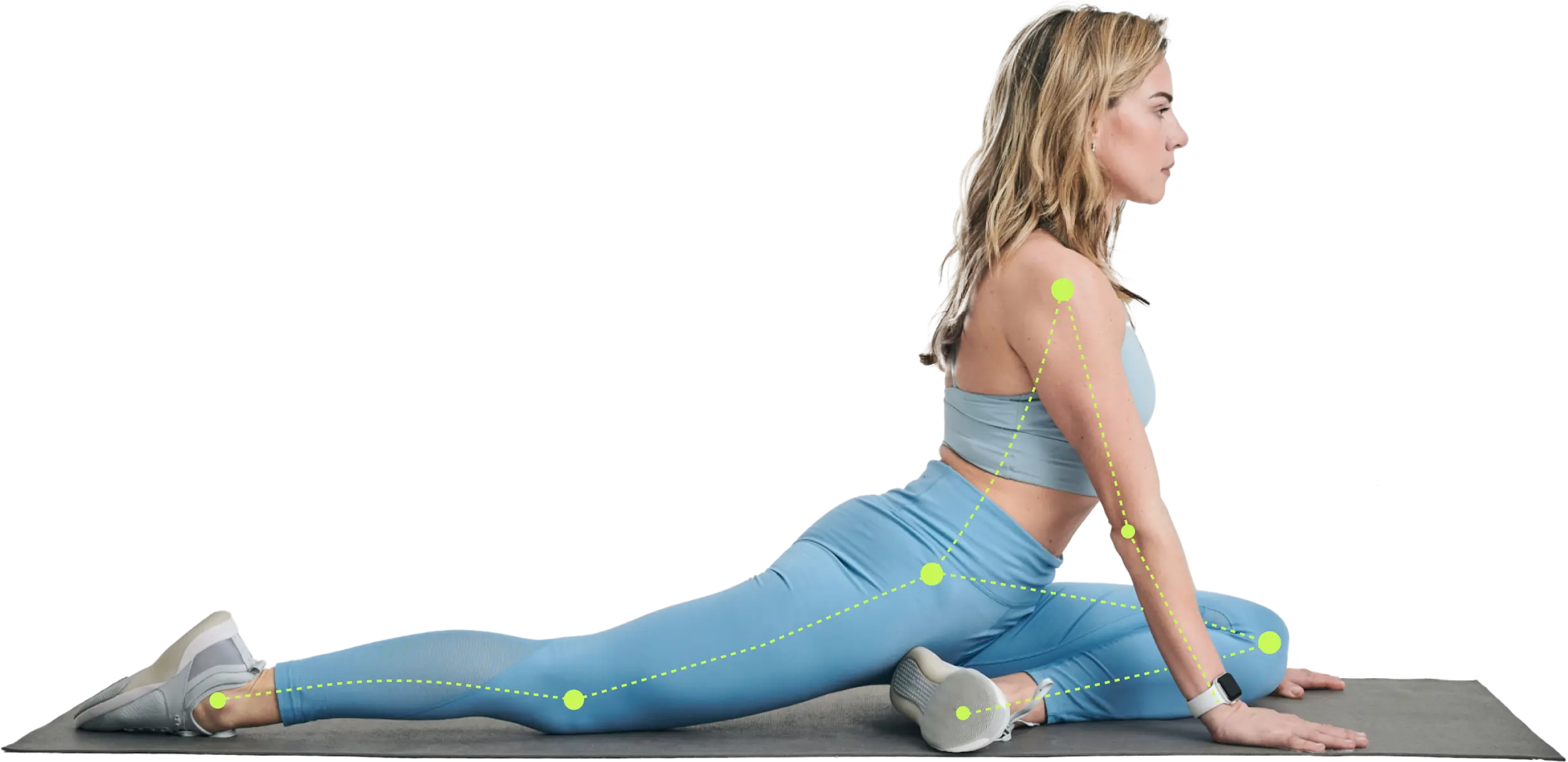
- Technique feedback: Some platforms use computer vision or video review to flag form issues.
That last part is underrated. Safety in online coaching comes from observation and adjustment, not from pretending everyone can do the same squat, lunge, or push-up variation on day one.
The best programs don't reward suffering. They reward useful consistency.
Nutrition and daily habits support the training
Weight loss coaching isn't only about the workout block on your calendar. It also works better when nutrition is simple enough to repeat. For many people, the sticking point isn't knowledge. It's execution on tired weekdays. Tools that help simplify meal prep can reduce decision fatigue and make a coaching plan easier to follow.
That's where technology helps most. It shortens the gap between intention and action. You don't need a perfect lifestyle. You need a system that notices what's happening and helps you make the next good choice.
Benefits and Limitations of Going Digital
Online coaching can be excellent. It can also be a poor fit if you choose the wrong format for your personality, your needs, or your injury history. The trade-offs are real.

Where digital coaching shines
The biggest strength is convenience. You don't have to commute, coordinate a fixed training slot, or rebuild your life around appointments. That's a major reason people stay with online systems longer than with programs that create too much friction.
It also gives you more privacy. A lot of beginners don't want to learn lifting patterns, bodyweight work, or nutrition basics in a crowded gym environment. Training at home or following a plan privately through an app lowers that barrier.
Digital coaching can also be more responsive than old-school programming when the platform tracks your activity, progress, and recovery trends. Pair that with wearable data and you get a much clearer picture of what's happening. If trackers are part of your approach, this guide to the best fitness tracker for weight loss can help you think through what matters.
Where people struggle
The weak spot is often connection. Some people need the pressure and presence of a coach standing nearby. Others stop engaging when support lives behind a screen.
Self-reporting can also be messy. If you skip logging meals, ignore app prompts, or avoid feedback when the week goes poorly, even a smart system loses signal. Online coaching works when you participate.
That's why engagement matters so much. A 2018 study on online weight-loss interventions found that high engagement was strongly linked to success. Participants who attended at least 80% of one-on-one sessions, 60% of live classes, and got food-log feedback weekly saw clinically significant weight loss, according to the JMIR study on online weight-loss engagement.
If you want online coaching to work, don't shop only for features. Shop for a format you'll actually use every week.
The real trade-off
The decision isn't digital versus effective. It's convenience versus hands-on presence, and flexibility versus how much external structure you personally need.
If you're comparing remote and face-to-face care more broadly, the Integrative Psychiatry of America care insights offer a useful way to think through lifestyle fit. In practice, the strongest option is the one that gives you enough support to stay engaged without creating so much friction that you quit.
Is an Online Weight Loss Coach Right for You
Not everyone needs the same type of help. A weight loss coach online can be a strong fit, but only if the level of support matches the problem you're trying to solve.
The busy professional
You have limited time, a variable schedule, and low patience for complicated systems. You probably do better with short, clearly programmed sessions and minimal admin. App-based or hybrid coaching usually fits well here because it reduces scheduling friction and keeps the plan available on demand.
For this profile, the best program isn't the one with the most features. It's the one you can execute on your busiest week.
The complete beginner
Beginners usually need confidence before intensity. You need exercise selection that feels safe, clear demonstrations, and progression that doesn't leave you wrecked after every session.
Online coaching can work very well if the program teaches movement, adjusts volume, and gives you a path that doesn't assume prior gym knowledge. If the service just drops you into advanced circuits and calorie targets with no guidance, it's the wrong fit.
The data driven person
Some people stay consistent because they can see patterns. If you like logs, trends, body metrics, wearable data, and performance markers, modern coaching can be a great match. You're more likely to use the feedback and less likely to drift.
For you, digital tools aren't just convenient. They make adherence visible.
Who may need more than standard online coaching
Some people need higher-intensity support. Research suggests that for populations with higher-intensity needs, such as obesity, a high-intensity lifestyle coaching program can deliver clinically significant weight loss, which highlights the importance of matching the program's intensity to the user's needs, as discussed in this evidence review on obesity care and coaching intensity.
That doesn't mean online coaching won't help. It means “light accountability” may not be enough. If you have complex medical issues, major mobility limitations, or need integrated clinical supervision, you may need a more medically connected model instead of a basic fitness app or generalist coach.
Choose based on the level of guidance you need when life gets difficult, not the level you think you'll need when motivation is high.
How to Choose the Best Online Coach or Program
Picking a coaching service based on marketing language is how people end up disappointed. “Personalized,” “custom,” and “accountability” are easy words to sell. What matters is how the program makes decisions, how often it adapts, and whether it can keep you safe.

Start with these screening questions
Ask direct questions before you commit:
- Who is programming my training: Is it one coach, a coaching team, or software?
- How does the plan adapt: Does it change based on performance, fatigue, pain, missed sessions, or only during scheduled reviews?
- What happens if an exercise hurts: Is there a clear substitution process?
- How is nutrition handled: Do you get practical guidance, targets, meal structure, or just generic food rules?
- What does communication look like: Messaging, live calls, app prompts, group support, or some mix?
One issue people miss is movement safety. A key angle often missed is how online coaches handle exercise modifications and injury risk. Users should ask how a coach assesses movement quality and tailors training around physical limitations, as noted in these injury-aware coaching considerations from Happy Trainers.
Human, AI, or hybrid
Here's the cleanest way to compare the major coaching styles.
| Feature | Human Coach (1-on-1) | AI Coach (e.g., Zing) | Hybrid Model |
|---|---|---|---|
| Personal interaction | High | Low to moderate | Moderate |
| Schedule flexibility | Moderate | High | High |
| Program adjustment speed | Depends on coach response | Usually fast | Fast with added oversight |
| Best for | People who need conversation and nuanced support | People who want efficient, adaptive structure | People who want both convenience and human review |
| Common weakness | Quality varies a lot | Can feel less personal | Can become unclear if roles are poorly defined |
If you're comparing apps specifically, this list of personal trainer app categories and features can help you sort through what's built for coaching versus what's really just a workout library.
What separates a good option from a weak one
A good program should show you how decisions get made. It should explain onboarding, adaptation, exercise swaps, communication rules, and what support exists when progress slows.
A weak one usually leans on vague promises:
- “Customized plan” without explaining what inputs shape it
- “Coach support” without response expectations
- “Weight loss focus” without training progression or nutrition structure
- “All levels welcome” without any mention of injury modification
If you want another perspective on evaluating remote trainers, the recomendaciones de TrainerStudio are worth reviewing, especially if you're comparing communication style and coach fit.
A solid online coach should be able to answer, in plain language, how they keep you progressing when your body, schedule, or stress level changes.
Your First 8 Weeks With an Online Coach
The first two months shouldn't feel extreme. They should feel organized. Good coaching builds momentum in phases, and each phase has a different job.
Weeks one and two
This is onboarding. You establish goals, baseline habits, available training time, and exercise constraints. Early workouts should feel manageable, not punishing. If the plan includes nutrition targets, this is also when you start practicing consistency rather than chasing perfection.
The biggest mistake here is giving unrealistic inputs. If you can train three days, don't tell the app or coach you'll do six.
Weeks three to five
Now the routine starts to feel familiar. You're learning exercise patterns, improving pacing, and getting honest about what your weekdays allow. This is the phase where simple systems matter most, because the novelty is fading and the habit needs to carry more of the load.
A useful companion at this stage is a clear workout routine for weight loss so you can understand how sessions fit together across the week.
Weeks six to eight
At this point, the program should start tightening. Maybe volume rises. Maybe exercise difficulty shifts. Maybe your coach adjusts sessions around travel, soreness, or a plateau. The important part is responsiveness.
Research also supports what coaches see in practice. The relationship between engagement and results is often dose-responsive. A study reported a linear relationship between weekly class attendance and weight loss at 6 months, showing that more consistent interaction leads to better outcomes, according to this PMC analysis of online coaching engagement and weight loss.
What helps most in these first weeks:
- Be honest: Hidden snacks, skipped sessions, and nagging pain all matter.
- Use the feedback tools: Logging, check-ins, and workout notes help the system adapt.
- Ask for modifications early: Don't wait for a small issue to become a stop sign.
If you want an online option that uses AI to build adaptive workouts around your goals, schedule, available equipment, and recovery signals, Zing Coach is one practical place to start. It's built for people who want structured weight-loss support without a static one-size-fits-all plan, and it's especially useful if you value guided training, progress tracking, and flexible sessions that can fit real life.
Share this article


Authors