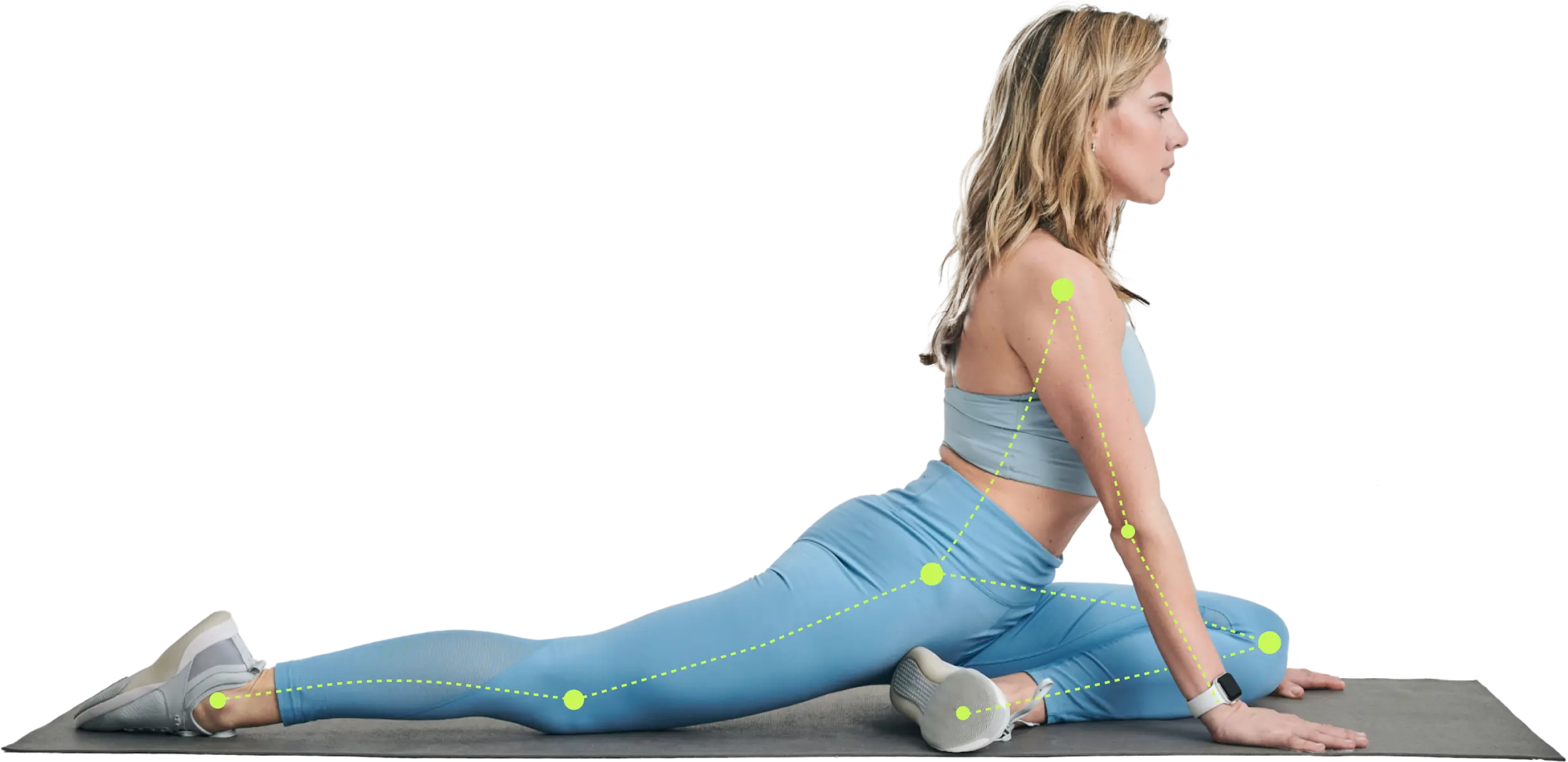
Discover an effective workout routine for weight loss that actually works. This guide combines HIIT and strength training into a practical plan to burn fat.
When it comes to building an effective workout routine for weight loss, the secret sauce is a powerful blend of high-intensity cardio and consistent strength training. This two-pronged attack is the key to burning maximum calories during your workout and, just as importantly, firing up your metabolism for hours after you've left the gym. It's the most direct route to results that actually stick.
Building Your Foundation for Lasting Weight Loss

Starting a weight loss journey can feel overwhelming, like you've been handed a map with no destination. But the good news is that the core principles aren't complicated. Real success isn't about finding some magical, unheard-of exercise; it's about building a solid, consistent routine based on proven methods.
Before you even think about lifting a weight, the most crucial thing you can do is figure out your "why." Why are you doing this? Is it to have more energy to play with your kids? To improve your health? To just feel more confident in your own skin? This reason is what will carry you through when the initial wave of motivation wears off.
The Power Duo: HIIT and Strength
The smartest workout routines for weight loss don't make you choose between cardio and weights—they strategically combine them. This is where High-Intensity Interval Training (HIIT) and classic strength training join forces to become your ultimate fat-loss team.
- High-Intensity Interval Training (HIIT): This involves going all-out for short bursts of exercise, followed by brief recovery periods. The goal is to spike your heart rate, which essentially turns your body into a calorie-torching machine.
- Strength Training: This is all about using resistance—weights, bands, or your own bodyweight—to build lean muscle. Why does that matter? More muscle tissue means your body burns more calories at rest. It's a metabolic game-changer.
This one-two punch isn't just something we cooked up; it’s a strategy recognized by top fitness experts globally. The American College of Sports Medicine's 2025 forecast highlights this exact approach, ranking Exercise for Weight Loss as the #4 trend, driven by the effectiveness of combining HIIT (#6 trend) and strength training (#5 trend).
The numbers back it up: HIIT can scorch 25-30% more calories than steady-state cardio in the same amount of time, while consistent strength training can boost your resting metabolic rate by 7-10%.
I see people make the same mistake over and over: they treat exercise as punishment for what they ate. You have to flip that script. See exercise as a celebration of what your body is capable of. That mental shift is everything for long-term success.
Why This Combination Just Works
Think of it this way: HIIT is the accelerator pedal for fat loss, while strength training is a full-on engine upgrade. HIIT gives you that immediate, high-calorie burn during the workout. Meanwhile, building muscle through strength training ensures that your metabolic engine is running hotter around the clock, even when you're resting on the couch.
Together, they create a synergy that you just don't get from doing only cardio or only lifting.
For a lot of people, just getting back into the swing of things is the biggest hurdle. If you're restarting your fitness journey, our guide on how to start working out again has some great, practical steps to ease back in without getting hurt.
And remember, you can’t out-train a bad diet or chronic fatigue. To really stick with your routine, you need consistent energy. It might be worth exploring the best natural supplements for energy and vitality to make sure you're showing up to every workout ready to go.
Designing Your Weekly Workout Schedule
Having a goal is one thing, but a solid plan is what actually gets you there. Building a weekly schedule is probably the single most important step you'll take. It gets rid of that daily "what should I do today?" paralysis and forces the kind of consistency that leads to real, lasting change.
The trick isn't just to work hard; it's to work smart. This means you need to strategically place your high-intensity days, your strength sessions, and—most importantly—give your body time to recover and rebuild. This approach is what keeps you from burning out or getting injured, ensuring you can stick with it for the long haul.
Finding Your Perfect Weekly Split
How often you should work out comes down to your current fitness level, your personal schedule, and just how your body feels. I've seen it a hundred times: someone gets motivated, jumps into a six-day-a-week routine, and is completely fried within a month. It's so much better to start with something you know you can handle and then build up from there.
For most people, a 3-day split is a fantastic starting point. It strikes the perfect balance between effective workouts and ample recovery time. If you want to dive deeper into how to set one up, our guide on a powerful 3-day split workout routine has some great templates and explains the "why" behind the structure.
To give you a clearer picture, let's look at how you might lay out your week depending on your experience level.
Sample Weekly Workout Splits for Weight Loss
Here’s a look at three common weekly schedules. Notice how none of them have you doing the same type of intense workout two days in a row. This intentional spacing is key to making progress without breaking your body down. Pick the one that feels realistic for you right now.
| Day | Beginner Split (3 Days/Week) | Intermediate Split (4 Days/Week) | Advanced Split (5 Days/Week) |
|---|---|---|---|
| Monday | Full-Body Strength Training | Upper-Body Strength | Upper-Body Strength |
| Tuesday | Active Recovery / Light Cardio | HIIT & Core | HIIT & Core |
| Wednesday | Rest | Lower-Body Strength | Lower-Body Strength |
| Thursday | HIIT & Core | Active Recovery / Light Cardio | Active Recovery / Mobility |
| Friday | Full-Body Strength Training | Full-Body Strength Training | Full-Body Strength Training |
| Saturday | Rest | Rest | HIIT & Core |
| Sunday | Active Recovery / Walk | Rest | Rest |
As you can see, each plan is built around recovery. You'd never schedule two heavy strength days or two brutal HIIT sessions back-to-back. That breathing room is where the real growth happens.
The Non-Negotiable Role of Rest and Recovery
So many people shoot themselves in the foot by skipping rest days, thinking more is always better. It’s not. Your muscles don't get stronger during the workout; they get stronger after it, during the recovery phase.
When you lift weights, you're creating tiny micro-tears in your muscle fibers. The magic happens when your body repairs these tears, building the muscle back bigger and stronger. This process, called muscle protein synthesis, burns calories and takes time.
Rest days aren't "cheat days." They are training days. Your body is busy repairing tissue, restocking energy stores, and calming inflammation. Skipping them is like trying to build a house without letting the concrete foundation set.
This recovery is also where you get a huge metabolic advantage. The more lean muscle you build, the higher your resting metabolic rate (RMR) climbs. That means you're burning more calories 24/7—even when you're just sitting on the couch.
Making It Work with a Busy Lifestyle
The best workout plan is the one you actually stick with. If your calendar is a nightmare, don't feel like you have to block out an hour at the gym five times a week. Consistency with short workouts will always beat inconsistency with long ones.
Here's how to fit fitness into a packed schedule:
- 30-Minute HIIT Sessions: A tough 20-30 minute HIIT workout can torch more fat than 60 minutes of slogging away on a treadmill. You can easily squeeze one in before work or on your lunch break.
- Focus on Compound Lifts: When you're short on time, prioritize compound exercises. Think squats, deadlifts, push-ups, and rows. They work multiple muscle groups at once, giving you the biggest bang for your buck.
- Active Recovery on the Go: Your "active recovery day" doesn't have to be a formal yoga class. It can be a brisk 30-minute walk with a podcast, a bike ride with your kids, or just some light stretching while you watch TV at night. The goal is simple: just move your body gently.
Your HIIT and Strength Training Playbook
Alright, we've mapped out the week. Now it's time to get into the nitty-gritty of the workouts themselves. This is where the real work happens, but it’s also where you’ll start to feel tangible changes in your strength, energy, and body composition. Think of this as your practical toolkit, filled with routines you can grab and go with today.
The magic happens when you combine the metabolic spike of High-Intensity Interval Training (HIIT) with the muscle-building power of strength training. This one-two punch ensures you're not just torching calories during the workout, but also cranking up your metabolism for hours after you're done.
HIIT Workout Templates That Torch Calories
HIIT is all about going all-out in short, intense bursts, followed by quick recovery periods. It's incredibly efficient, delivering a massive calorie burn in a fraction of the time you'd spend on a traditional cardio machine. The work-to-rest ratio is the secret sauce here.
Template 1: The 20-Minute Bodyweight Blitz (Tabata Style)
No equipment? No problem. This routine is perfect for those jam-packed days. The structure is beautifully simple: 20 seconds of maximum effort, then 10 seconds of rest. Repeat that for eight rounds per exercise.
- Jumping Jacks: 8 rounds (4 minutes)
- Rest 1 minute
- Bodyweight Squats: 8 rounds (4 minutes)
- Rest 1 minute
- Push-ups (on knees or toes): 8 rounds (4 minutes)
- Rest 1 minute
- High Knees: 8 rounds (4 minutes)
Template 2: The 30-Minute Dumbbell Complex
Got a pair of dumbbells? This complex will put your whole body to the test. The goal is to flow from one exercise to the next without any rest. Once you finish one round, take 90 seconds to catch your breath, then dive back in for a total of 5 rounds.
- Dumbbell Goblet Squats (8 reps)
- Dumbbell Renegade Rows (6 reps per side)
- Dumbbell Push Press (8 reps)
- Burpees (6 reps)
It's no surprise the digital fitness world is booming, with app revenue projected to soar to $10.06 billion by 2029. A big reason for this is that modern apps make effective routines like HIIT accessible to everyone. And the data backs it up—studies show HIIT can lead to 20-30% greater fat loss than moderate cardio alone.
Strength Training for a Metabolic Upgrade
Think of strength training as your long-term investment in a faster metabolism. When you build lean muscle, you literally increase your body's baseline calorie-burning engine. Your focus should be on compound movements—big exercises that work multiple muscle groups at the same time.
I see it all the time: people getting lost in isolation work like bicep curls. For weight loss, your best bet is to spend your time on the big, multi-joint lifts. Squats, deadlifts, and overhead presses are the power players that burn the most calories and build real, functional muscle.
Full-Body Strength Workout (3 Days a Week)
This is a fantastic starting point, especially if you're new to lifting or short on time. Aim for 3 sets of 8-12 repetitions for each movement, giving yourself about 60-90 seconds of rest between sets.
- Barbell Back Squats or Goblet Squats
- Romanian Deadlifts
- Bench Press or Dumbbell Bench Press
- Bent-Over Rows or Seated Cable Rows
- Overhead Press (Dumbbell or Barbell)
- Plank (3 sets, hold for 30-60 seconds)
Here’s a simple way to visualize how a balanced week comes together, making sure to prioritize that powerful HIIT and strength combo while giving yourself dedicated time to recover.
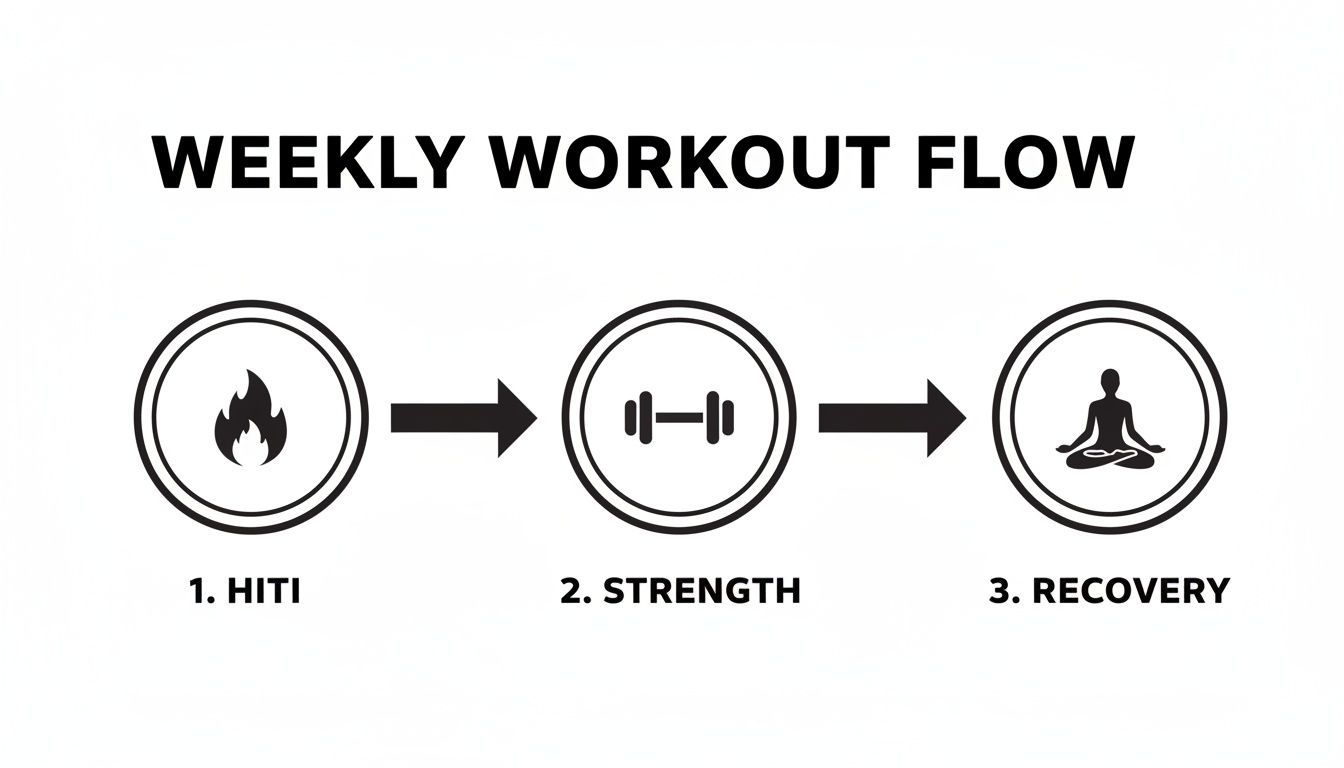
The key is to intentionally separate your high-stress workouts. This gives your muscles time to repair and adapt, which is absolutely critical for making sustainable progress.
For anyone wanting to dive deeper, our guide on strength training for weight loss breaks down the science and serves up even more routines.
The Secret to Long-Term Progress: Progressive Overload
Your body is smart. It adapts. If you keep doing the same workout with the same weight for months on end, it will eventually stop changing. The solution is a principle called progressive overload. All it means is that you have to continually increase the demands on your muscles to force them to get stronger.
It sounds more technical than it is. Here’s how you can actually apply it:
- Add More Weight: The most obvious one. Once you can comfortably hit all your reps and sets, add a little more weight (even just 2.5-5 lbs) next time.
- Do More Reps: Can't add weight? Try adding a rep or two to each set. If you did 3 sets of 8 last week, aim for 3 sets of 9 or 10 this week.
- Add Another Set: Another solid option is to simply add an entire set to an exercise. Bumping up from 3 sets to 4 increases your total workload.
- Rest Less: Shortening your rest periods between sets makes the workout more metabolically challenging, forcing your body to get better at recovering under stress.
- Perfect Your Form: Sometimes, the best way to progress is to improve your technique. Slowing down the lowering (eccentric) part of a lift or increasing your range of motion can create a whole new challenge.
Just don't try to change everything at once. Pick one variable to focus on for a few weeks, track how you're doing, and watch yourself get steadily stronger. This consistent, measurable improvement is what keeps a workout routine for weight loss from hitting that dreaded plateau.
Fueling Your Body for Optimal Fat Loss
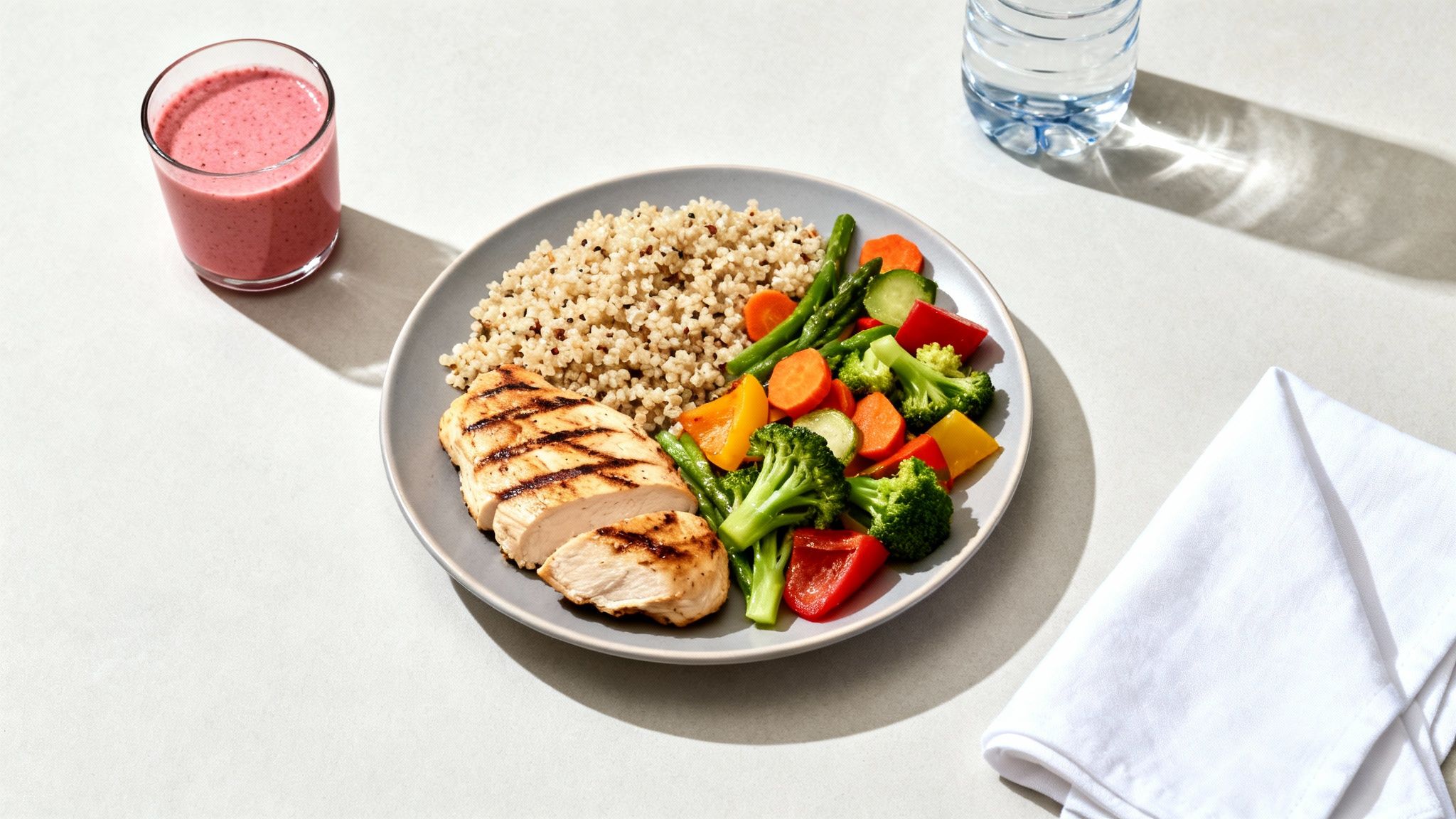
Let’s get one thing straight: you simply can't out-train a poor diet. It’s a blunt truth in fitness. Even the most perfectly designed workout routine will hit a wall if it’s not backed by smart nutrition.
This doesn't mean you’re doomed to a life of bland, joyless meals. Not at all. It just means understanding a few core principles that help turn your body into a more efficient fat-burning machine.
The absolute cornerstone of any weight loss plan is creating a sustainable calorie deficit. This just means you're burning slightly more calories than you're eating each day. Notice the word "sustainable." Drastic calorie cuts almost always backfire, leading to muscle loss, exhaustion, and burnout. Aim for a moderate deficit of 300-500 calories a day for steady, lasting results.
Prioritize Protein for Muscle and Fullness
When you’re trimming calories and hitting the gym, protein is your MVP. It’s essential for repairing the muscle fibers you break down during workouts, which is exactly how you get stronger and build a faster metabolism.
Protein also has a high thermic effect of food (TEF), meaning your body actually burns more calories just digesting it. On top of that, it's incredibly filling, helping you feel satisfied for longer and making it way easier to stick to your calorie goals.
- Lean Meats: Chicken breast, turkey, and lean cuts of beef are fantastic choices.
- Fish: Salmon, tuna, and cod pull double duty, providing protein and healthy fats.
- Dairy & Eggs: Greek yogurt, cottage cheese, and whole eggs are protein powerhouses.
- Plant-Based Options: Don't sleep on lentils, chickpeas, tofu, and edamame.
Try to include a palm-sized portion of protein with every meal. It's a simple rule that keeps your muscles fed and hunger locked away.
Smart Fueling Around Your Workouts
What you eat before and after you train can make a huge difference in your performance and recovery. People often get bogged down in the details of meal timing, but it doesn't have to be complicated. Our detailed guide can help you figure out whether you should eat before or after working out based on your schedule and goals.
Your pre-workout meal is all about energy; your post-workout meal is all about repair. Don't overthink it. A simple mix of protein and carbs before and after is a fantastic rule of thumb for most people.
Simple Fueling Examples:
- Pre-Workout (1-2 hours before): A small bowl of oatmeal with berries or a banana with a spoonful of peanut butter. This gives you easily digestible carbs for quick energy.
- Post-Workout (within 1-2 hours after): A protein shake with a piece of fruit, or a full meal like grilled chicken with quinoa and roasted veggies. This combo helps replenish your energy stores and kickstarts the muscle repair process.
If you struggle with meal prep or portion control, checking out the best meal kits for weight loss can be a total game-changer. These services take the guesswork out of calories and macros, making healthy eating ridiculously convenient.
Finally, don't forget to hydrate. Water is crucial for everything from metabolism to performance. Aim for at least 8-10 glasses a day, and tack on more to account for what you lose during your workouts.
Tracking Progress and Staying Motivated
Having the perfect weight-loss workout plan is a great start, but it's only half the story. If you aren't tracking your progress and finding ways to stay locked in, even the best routine will eventually fizzle out. Real, lasting success is about seeing the fruits of your labor and knowing how to push through the inevitable motivation dips.
The natural instinct for most people is to hop on the scale every single morning. This can be a trap. Your weight can jump around daily thanks to water retention, hormones, or even just a salty dinner. A much smarter approach is to look beyond that one number and measure the changes that truly matter.
Moving Beyond the Scale
To get the full picture of how your body is changing, you need to look at more than just your weight. Collecting a few different types of data gives you multiple ways to see wins, which is a huge motivator when the scale decides to be stubborn.
Here are the key metrics you should really be tracking:
- Progress Photos: Snap a few photos from the front, side, and back every four weeks. Try to use the same lighting and wear the same outfit. You'll be amazed at the visual changes in your body that the scale completely misses.
- Body Measurements: Grab a flexible tape measure and log the circumference of your waist, hips, chest, arms, and thighs. Losing inches is concrete proof that you're shedding fat, even if your weight is holding steady because you're building muscle.
- Performance Improvements: Are you lifting heavier weights? Running a little faster? Squeezing out a few more reps than you could last month? This is undeniable evidence that you're getting stronger and fitter. Keep a simple workout journal to log these victories.
For an even clearer view, understanding your body composition is a game-changer. Learning how to measure body fat percentage helps you see the real changes happening beneath the surface, separating fat loss from muscle gain.
Leveraging Technology to Stay Accountable
Today's tech gives us some fantastic tools to stay on track. Wearable fitness trackers, for example, have become so popular they're ranked as the #1 fitness trend by ACSM for 2025. They give you instant feedback on activity levels, heart rate, and calories burned, turning vague goals into hard numbers.
This data-driven approach is a huge part of global health initiatives, like the WHO's plan to cut physical inactivity by 15% by 2030. A solid routine of 4-5 workouts per week that mixes cardio and strength training lines up perfectly with these recommendations. Plus, studies show that using technology like wearables can push adherence rates as high as 80-90%. You can dive deeper into the global push for physical activity and its impact.
The data from your tracker isn't there to judge you; it's there to inform you. Seeing you've only hit 3,000 steps might be just the nudge you need to get out for an evening walk. It makes your activity tangible and turns consistency into a game you can actually win.
Overcoming Plateaus and Lulls in Motivation
Sooner or later, everyone hits a wall. The goal isn't to avoid plateaus altogether but to have a strategy for when they show up. If your progress grinds to a halt for a few weeks, it's a signal from your body that it has adapted. It's time for a new challenge. This is where the principle of progressive overload we talked about earlier really comes into play.
But what happens when it’s your mind, not your body, that’s stuck? A drop in motivation is completely normal. The secret is building systems that will carry you through on days when your energy is low.
Actionable Strategies for Staying on Track:
- Celebrate the Small Wins: Did you stick to your workout schedule all week? Hit a new personal best on your squats? Acknowledge it! Rewarding yourself with something that isn't food—like new gym gear or a sports massage—is a great way to reinforce those positive habits.
- Find Your Community: Share what you're doing with a supportive friend, join an online fitness group, or team up with a workout partner. Just knowing someone is in your corner, or even waiting for you at the gym, adds a powerful layer of accountability.
- Set Realistic, Short-Term Goals: Instead of getting fixated on losing 20 pounds, set a goal to hit the gym three times this week. Or maybe to add five pounds to your deadlift this month. These small, achievable milestones create a steady stream of accomplishments that keep you fired up for the long haul.
Common Weight Loss Workout Questions
When you're starting a new workout plan to lose weight, you’re going to have questions. It’s totally normal. The fitness world is flooded with conflicting advice, so let's cut through the static and tackle some of the biggest questions I hear all the time.
Getting straight answers is the key to building confidence and making sure all your hard work is actually moving you closer to your goals.
How Much Cardio Is Actually Needed for Weight Loss
This is the big one, isn't it? The answer is simpler than you'd think: quality trumps quantity, every time. While you'll often hear the standard health guideline of 150 minutes of moderate cardio per week, a much smarter approach for fat loss is blending different intensities.
Here’s what a balanced week usually looks like for my clients:
- 2-3 HIIT Sessions: These are your short, sharp, 20 to 30-minute workouts. They're incredibly efficient for torching calories and revving up your metabolism for hours afterward.
- 2-3 Strength Training Days: This is non-negotiable. Building muscle is your best long-term strategy for a faster metabolism.
- Low-Intensity Activity: Think brisk walks, a gentle bike ride, or even a hike on your "rest" days. This helps with recovery and adds to your weekly calorie burn without stressing your body.
A mix like this gives you a far bigger payoff than just grinding out hours on the treadmill. Being consistent with this structure will always beat hitting some random number of minutes.
Should I Lift Heavy or Light Weights to Lose Fat
To really kickstart fat loss with your strength training, you have to challenge your muscles. For most people, that means lifting moderately heavy weights in the 8-12 repetition range for each set.
That rep range is the sweet spot for hypertrophy—the scientific term for building muscle. Why does that matter? Because more lean muscle means a higher resting metabolic rate. Your body literally burns more calories 24/7, even while you’re sleeping.
Lifting light weights for a ton of reps has its place for building muscular endurance, but it just doesn't build the dense, metabolically active muscle that really ramps up fat loss. The name of the game is progressive overload: always trying to lift a little more weight or squeeze out one more rep than last time.
Your best bet is to focus on the big, compound lifts. I'm talking squats, deadlifts, bench presses, and rows. These moves hit multiple muscle groups at once, giving you the most calorie-burning bang for your buck and triggering the most muscle growth.
How Long Until I See Results from My New Workout Routine
This is where patience becomes your superpower, but it helps to have a realistic timeline. Everyone is different, but there’s a general pattern you can expect.
You will absolutely feel the changes before you see them. Within the first 2-4 weeks of consistent training and solid nutrition, you'll start noticing things like:
- More energy during the day—that 3 PM slump disappears.
- Deeper, more restful sleep.
- A definite improvement in your mood and focus.
The visible changes—your clothes fitting better, seeing some new definition in the mirror—typically start showing up after about 6-8 weeks of sticking with it (working out 3-5 times a week and eating right). Just remember, a healthy, sustainable rate of weight loss is around 1-2 pounds per week.
Pay attention to those non-scale victories. They're powerful proof that your hard work is making a real difference, even on days when the scale is being stubborn.
Sticking to a workout plan is easier when it adapts to you, not the other way around. Zing Coach uses AI to build a truly personalized training plan based on your goals, equipment, and fitness level. It even uses your phone’s camera to count reps and check your form, keeping you safe and progressing. Stop guessing and start training with a plan that’s built just for you at https://zing.coach.
Share this article


Authors