Discover what is circuit training, science-backed workouts, formats, and sample routines to boost strength and burn fat.
Ever felt like you don't have enough time for a "proper" workout? Imagine getting the benefits of both a cardio session and a strength workout, all packed into one efficient, fast-paced routine. That’s the entire idea behind circuit training.
Think of it like a workout tasting menu. You move from one exercise to the next with almost no break in between, sampling a full-body workout in a fraction of the time.
Understanding the Core of Circuit Training

At its heart, circuit training is a masterclass in efficiency. It's built to give you maximum results in minimum time by blending strength and cardio into a single session. Instead of grinding through multiple sets of one exercise before moving on, you perform one set of several different exercises back-to-back.
This structure is the secret sauce. By moving quickly from one exercise to the next—often hitting different muscle groups—you keep your heart rate elevated from start to finish. Your body is always working, always burning fuel, and always building strength and endurance simultaneously.
The Key Components of a Circuit
To really get what makes a circuit tick, it helps to break it down into its core parts. It’s a simple formula, which is what makes it so easy to customize.
For a quick overview, here’s a breakdown of what you'll find in a typical circuit.
Circuit Training at a Glance
| Component | Description | Example |
|---|---|---|
| Stations | The individual exercises making up the circuit. | Push-ups, Squats, Planks |
| Work Interval | The period you spend performing one exercise. | 45 seconds of work or 15 reps |
| Rest Interval | The short break between one station and the next. | 15 seconds of rest |
| Rounds | One full completion of every station in the sequence. | 3 to 5 rounds total |
Once you've gone through every station, that’s one "round" complete. You’ll typically take a longer breather, then dive back in for a few more rounds to complete the workout.
The magic here is just how adaptable it is. You can swap exercises, tweak the work-to-rest times, and change the number of rounds to perfectly match your fitness level and goals. It’s no wonder it's a go-to method for everyone from absolute beginners to elite athletes.
The core principle is simple but powerful: keep the body moving to challenge both your muscles and cardiovascular system at the same time. This one-two punch is how it delivers such a time-efficient workout.
More Than Just a Workout
A well-designed circuit isn't just a random list of exercises. It’s a strategic system. By intelligently alternating between upper-body, lower-body, and core exercises, you give one muscle group a chance to recover while another one is put to work. This built-in "active rest" is what lets you maintain a high intensity without burning out.
This approach is a perfect match for building total-body conditioning and what is functional fitness training—strengthening your body for the demands of real life. Ultimately, circuit training is a complete, flexible framework that you can shape to hit just about any fitness goal you have in mind.
The Surprising History of Circuit Training
Circuit training feels like it was designed for our busy, modern lives, but its story doesn't start in a trendy studio or with a viral social media challenge. Its roots are actually in a university lab, born from a drive for scientific efficiency long before "workout hacking" was even a thing.
The year was 1953. Two British sports scientists, R.E. Morgan and G.T. Anderson, were working at the University of Leeds in England. They were looking for a way to build all-around fitness that was more engaging and effective than the standard, repetitive training methods of the day. Their goal was to create a system, not just a list of exercises.
The Original Blueprint for Efficiency
What they designed was a masterclass in structured intensity. This wasn't just a random collection of movements; it was a carefully planned sequence designed to work the entire body without completely gassing you out in the first few minutes. That basic framework is still what powers circuit training today.
Their first-ever circuit was a full-body gauntlet, including everything from barbell curls and squats to pull-ups and dips. The real magic, though, was in the pacing. Athletes moved from one station to the next with almost no rest—just 15 to 30 seconds—and cranked out 8 to 20 repetitions at a moderate intensity, around 40 to 60 percent of their maximum strength. If you're a history buff, you can dig deeper into their pioneering work on Ideafit.com.
This was a game-changer. It forced the body to keep working, pushing the heart rate up to boost cardiovascular health while also hitting the muscles hard enough to build strength.
From University Lab to Global Phenomenon
What started as a lab experiment quickly proved its real-world value. The "circuit" concept was not only brutally effective but also incredibly flexible. You could scale it for any fitness level, swap in different equipment, and tweak it for specific goals, from general fitness to elite athletic conditioning.
The core innovation wasn't just the exercises themselves, but the system of moving through them. Morgan and Anderson understood that the transition and minimal rest were just as important as the work itself.
This built-in adaptability is exactly why circuit training has stuck around and thrived for over 70 years. It evolved from its original 9- to 12-station format into the countless variations we use now, like AMRAP and EMOM.
Its journey from a single English university to gyms and living rooms all over the world proves a timeless truth in fitness: efficiency and results never go out of style. The history of circuit training shows it’s not just another fad but a scientifically proven method that continues to deliver a powerful, results-driven workout.
Science-Backed Benefits of Circuit Training
So, why has circuit training stuck around for over 50 years as a go-to for trainers, athletes, and regular gym-goers? It’s not just hype. The answer is grounded in solid science. This method is a legitimate powerhouse for changing your body, with benefits that touch everything from your heart health to your physique.
The real magic of circuit training is how it brilliantly merges two different workouts into one. You get the best of both worlds—cardiovascular conditioning and resistance training—all at the same time.
The Ultimate Cardiovascular Workout
When you move from one exercise to the next with almost no rest, you keep your heart rate consistently high. This sustained effort makes your heart and lungs work harder, strengthening your entire cardiovascular system over time. Think of it less like a steady jog and more like a series of intense sprints. It's an incredibly effective way to build your endurance and stamina.
You can dig deeper into what makes a great cardio session in our detailed guide on everything about cardio.
The science backs this up. Research has shown that circuit training pushes your oxygen consumption to between 39% and 51.5% of your VO2max. That's a big deal because it lands right in the sweet spot recommended by the American College of Sports Medicine (ACSM) for improving cardiorespiratory fitness. You can read more about these findings in the foundational research on circuit training.
Boosting Metabolism With the Afterburn Effect
One of the coolest benefits of circuit training is what happens after you’ve finished that last rep. The intensity of the workout triggers a process called excess post-exercise oxygen consumption, or EPOC. You’ve probably heard it called the "afterburn effect."
This simply means your body keeps burning calories at a higher rate for hours after your workout is over. As your body works to recover, repair muscle, and get back to its normal resting state, your metabolism stays fired up. So, a 30-minute circuit doesn't just torch calories for 30 minutes—it keeps the metabolic engine running long after you’ve hit the showers.
The afterburn effect is your body’s metabolic "thank you" for the hard work you put in. It turns a short, intense workout into a prolonged calorie-burning event.
Changing Your Body Composition
Circuit training is a two-pronged attack: it fights body fat while building lean muscle. Many workouts make you choose between cardio for fat loss or strength training for muscle. Circuit training lets you do both.
The mix of resistance exercises and high-intensity effort creates the perfect storm for body recomposition. Here’s how it works:
- It burns a ton of calories, helping create the deficit you need to shed body fat.
- It stimulates your muscle fibers, telling your body to hold onto—or even build—new lean muscle.
Studies confirm this dual benefit. People who follow circuit training programs consistently see their body fat percentage drop while their lean body mass goes up. This is the secret to achieving that toned, athletic look—not just losing weight, but fundamentally changing what your body is made of.
Practical Benefits for a Busy Life
Beyond all the physiological perks, circuit training has some real-world advantages that make it one of the most practical workout styles out there.
- Time Efficiency: This is its biggest selling point. You can crush a full-body workout that covers both cardio and strength in as little as 20-30 minutes. For anyone with a packed schedule, this is a total game-changer.
- Versatility: You don’t need a gym packed with fancy machines. You can design circuits using just your body weight, a couple of dumbbells, or a full squat rack. This flexibility makes it perfect for working out at home, on the road, or in a crowded gym.
- Reduces Boredom: The constant variety keeps things fresh. Moving from one station to the next kills the monotony of traditional, repetitive workouts, which makes it way easier to stay motivated and stick with it.
Popular Circuit Training Formats
Think of "circuit training" as the main event, but the rules of the game can totally change how you play. While the basic idea is always moving from one exercise to the next with little rest, the format you choose is your secret weapon.
Each format is like a different flavor, designed to help you zero in on a specific goal. Getting to know them is the first step to building workouts that actually deliver the results you're after, whether that's torching fat, building raw strength, or boosting your endurance.
Reps-Based vs. Timed Circuits
At its core, every circuit boils down to one simple choice: are you counting reps or are you racing the clock?
On one hand, you have the classic reps-based circuit. This is where you perform a set number of repetitions—say, 10 squats, 10 push-ups, and 10 lunges per leg—before moving on. This approach is your go-to for building strength and muscle, as it guarantees you hit a specific amount of work every single time.
On the other hand, you can work against the clock in a timed circuit. Here, you might do an exercise for 45 seconds, rest for 15 seconds, and then jump to the next move. This style is phenomenal for jacking up your heart rate and pushing your cardiovascular conditioning. For fat loss and metabolic work, time is your best friend.
AMRAP: As Many Rounds (or Reps) As Possible
AMRAP is as simple as it is brutal. You get a list of exercises and a set time—maybe 20 minutes—and your only job is to complete as many rounds of that circuit as you can before the timer goes off.
This format is a true test of your work capacity and mental grit. It feels like an all-out sprint where you're just racing against yourself. Because the clock is your only limitation, you’re pushed to move efficiently and keep rest to a minimum, making it an incredible tool for packing a ton of work into a short session.
For example, a 15-minute AMRAP might be:
- 8 Goblet Squats
- 8 Burpees
- 8 Kettlebell Swings
You’d just cycle through those three moves over and over, tracking your total rounds. The beauty of it is that you walk away with a clear score to beat next time you tackle it.
EMOM: Every Minute On The Minute
EMOM is a more strategic format that’s all about managing fatigue and building discipline. It stands for Every Minute On The Minute. You perform a set of reps at the top of each minute, and whatever time is left over is your rest.
An EMOM feels like a series of structured sprints. The faster you finish your reps with good form, the more rest you earn before the next minute starts, rewarding both speed and efficiency.
Let's say you have a 10-minute EMOM alternating between two exercises:
- Minute 1: 12 Kettlebell Swings
- Minute 2: 10 Push-Ups
- Minute 3: 12 Kettlebell Swings
- Minute 4: 10 Push-Ups
- ...and you keep alternating for the full 10 minutes.
If the swings take you 35 seconds, you get a sweet 25 seconds of rest before the top of the next minute hits and it's time for push-ups. This method is brilliant for honing your skills under pressure and building strength endurance, since it forces you to perform quality reps with built-in recovery. Lots of people find that a well-designed workout doesn't need to be long, and if you're looking for inspiration, you can see how to build a 30-minute workout plan in our guide.
This flowchart breaks down how you can tailor your circuit training to hit different goals.

As you can see, circuit training is an incredibly flexible tool. You can aim it squarely at cardio and endurance or pivot to focus on building muscle and functional strength—it all comes down to how you set up the game.
Sample Circuit Workouts to Start Today

Knowing the theory is one thing, but putting it into practice is where the real magic happens. Let’s get you moving with some clear, actionable circuits for different fitness levels. Whether you’re just starting your fitness journey or looking for a new challenge, there’s a workout here for you.
Before you jump in, make sure you warm up properly with 5-10 minutes of light cardio and dynamic stretching. And remember, form always comes first—quality reps will get you results far faster than sloppy, rushed ones.
Beginner Bodyweight Foundation Circuit
This circuit is the perfect entry point if you're new to fitness or just need a solid workout you can do anywhere, no equipment needed. The goal here is to master the fundamental movement patterns that build a strong foundation of strength and endurance.
Think of it as your first step. If you enjoy this style of training, a full beginner strength training program is a great next move to keep the progress coming.
- Format: Perform each exercise for 40 seconds, then take 20 seconds of rest before starting the next one.
- Rounds: Complete 3-4 rounds of the entire circuit.
- Rest Between Rounds: Take a 60-90 second breather after you’ve finished all the exercises in a round.
- Bodyweight Squats: Stand with your feet shoulder-width apart, and lower your hips back and down as if you’re sitting in a chair.
- Push-Up Negatives: From a plank position, slowly lower your body to the floor over 3-5 seconds. Push back up from your knees or in a full plank.
- Glute Bridges: Lie on your back with your knees bent and feet flat on the floor. Squeeze your glutes to lift your hips toward the ceiling.
- Plank: Hold a straight line from your head to your heels, making sure your core and glutes are tight.
- Jumping Jacks: The classic cardio move. It’s all about keeping that heart rate up.
- Bird-Dog: Get on all fours. Extend your opposite arm and leg while keeping your core rock-solid and stable.
Intermediate Dumbbell Fat Loss Circuit
Ready to kick things up a notch? This circuit brings dumbbells into the mix to add resistance, which helps build muscle and torches calories. By combining big compound movements with a quick pace, this workout is a fantastic way to improve your body composition.
Format: This one is reps-based. Do all the reps for one exercise, then move to the next with as little rest as you can manage.
Rounds: Aim for 4-5 rounds.
Rest Between Rounds: Rest for 60 seconds after each round.
Dumbbell Goblet Squats: 12 reps
Dumbbell Renegade Rows: 8 reps per side
Dumbbell Walking Lunges: 10 reps per leg
Push-Ups: As many reps as possible (AMRAP)
Dumbbell Russian Twists: 15 reps per side
This structure is the sweet spot for fat loss. You're blending strength and conditioning by using challenging weights for a set number of reps while keeping rest periods short to ensure your heart rate stays high. It’s the perfect recipe for burning fat while building functional muscle.
Advanced Barbell Strength and Conditioning Circuit
This one is for the seasoned lifters who are comfortable with a barbell. It’s designed to build serious strength and push your conditioning right to the edge. Pick a weight that’s challenging but allows you to maintain perfect form through every single rep.
This style of intense, structured workout has deep roots. When Morgan and Anderson developed the original circuit training systems in the 1950s, they had people performing 8 to 20 reps at 40 to 60 percent of their max strength with only 15 to 30 seconds of rest. You can see how those principles evolved by reading about the historical roots of circuit training on Barbend.com.
- Format: For time. Your goal is to complete one round as fast as possible, but never at the expense of good form.
- Rounds: Complete 3 rounds.
- Rest Between Rounds: Rest for 2-3 minutes, or whatever you need to recover and hit the next round hard.
- Barbell Back Squats: 8 reps
- Barbell Push Press: 8 reps
- Barbell Bent-Over Rows: 10 reps
- Burpees Over Barbell: 10 reps
- Toes-to-Bar or Hanging Knee Raises: 12 reps
Personalizing Your Circuit with AI Technology

While the sample circuits we've shared are a fantastic starting point, the real power of circuit training comes alive when it’s built just for you. This is where modern fitness tech, especially artificial intelligence, really shines. It takes all the guesswork out of building a workout that’s both safe and incredibly effective.
Think of an AI fitness coach like a personal chef for your workouts. It doesn't just hand you a generic recipe. Instead, it looks at your unique ingredients—your current fitness level, goals, what equipment you have, and even how you’re feeling—to put together the perfect circuit. Apps like Zing Coach kick things off with an initial fitness assessment to gather all this info.
This is much more than a simple quiz. The AI uses that data to handpick the right exercises, set your work and rest times, and dial in the overall intensity. It makes sure your very first circuit is challenging enough to get you results but not so tough that you burn out or get hurt.
Your Personal AI Form Coach
Let’s be honest, one of the biggest struggles with the fast pace of circuit training is keeping your form clean. When you're moving quickly from one exercise to the next, it's easy to get sloppy. This is where AI-powered form correction is a lifesaver, acting like a personal trainer right in your pocket.
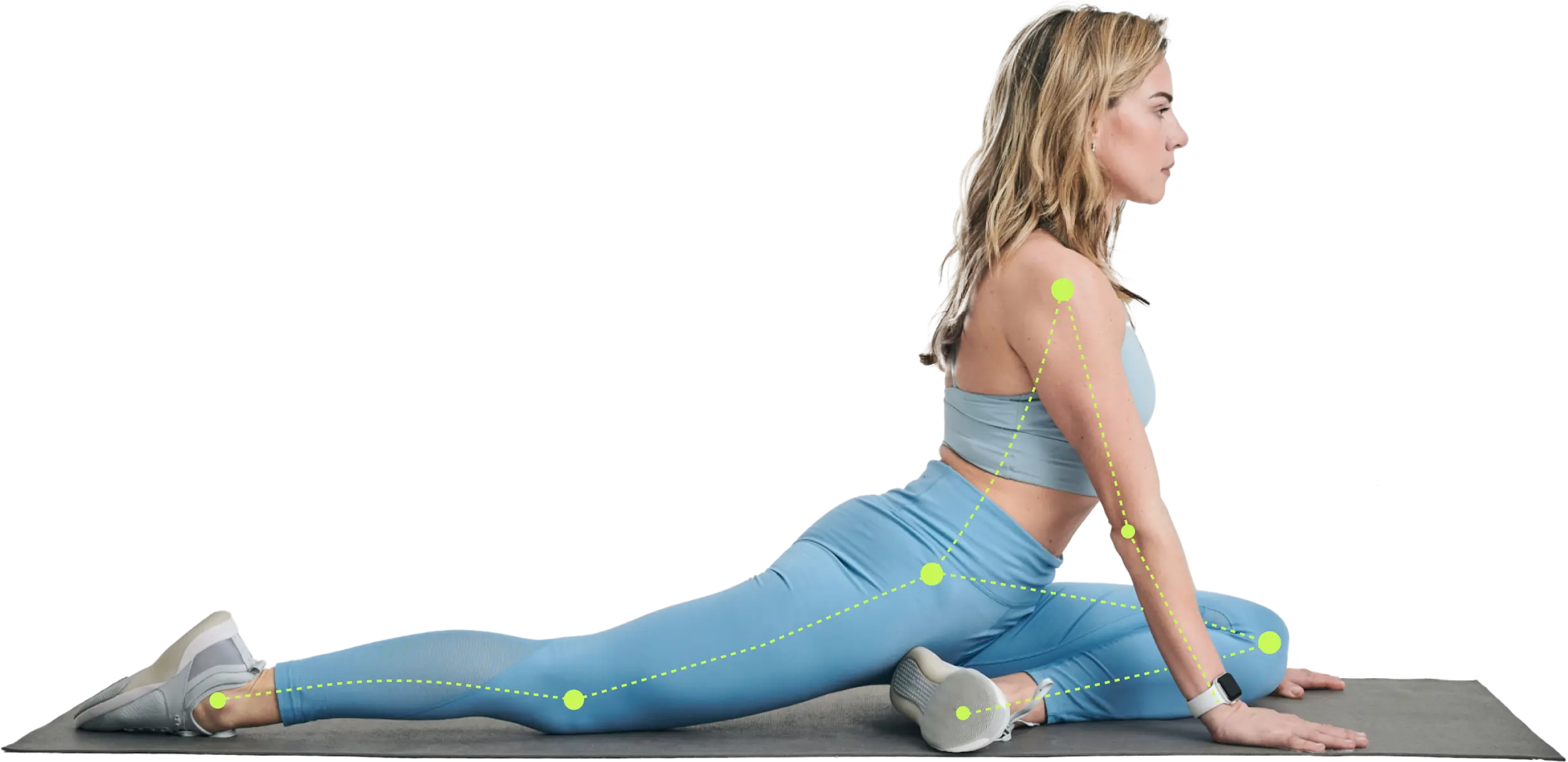
Using your phone’s camera, the tech actually watches and tracks your movements in real time. It analyzes your body’s alignment during exercises like squats or lunges and gives you immediate feedback to fix your technique. For a closer look at the mechanics, you can learn more about how this works in an AI-powered workout app.
This real-time guidance is a huge step forward for anyone working out at home. It ensures you’re performing each move safely and getting the most out of it, dramatically cutting down on the injury risk that comes with bad form.
Automatic Progression for Continuous Results
Your body is smart. It adapts to the stress of exercise, which is why a circuit that feels brutal today might feel like a warm-up in a few weeks. To keep seeing progress and avoid hitting a plateau, your workouts have to evolve with you. This principle is called progressive overload.
AI takes care of this for you, automatically. As you get stronger and your conditioning improves, the system intelligently tweaks your future circuits. This could look like:
- Increasing the resistance: Suggesting you grab a heavier dumbbell.
- Adjusting your reps or work time: Pushing you to complete a few more reps or work for a little longer.
- Introducing more complex exercises: Swapping a standard bodyweight squat for a more challenging goblet squat.
This kind of smart progression makes sure your circuits always stay effective. It constantly pushes you just enough to keep stimulating more gains in strength and conditioning. It's like having a coach who knows exactly when you're ready to take on the next challenge.
Common Questions About Circuit Training
Before you jump into circuit training, you probably have a few things on your mind. That's a good thing. Getting the practical side sorted out first is the best way to start strong and build momentum. Let's tackle some of the most common questions head-on.
For most people, aiming for 2–4 circuit training sessions per week is the sweet spot. These workouts are no joke, and your body needs time to recover and get stronger. Rest days are where the magic really happens.
As a general rule, give yourself at least one full day of rest between circuit sessions. If you're new to this, starting with two workouts a week is a great way to build a solid foundation. If you're more advanced, you might handle three or four, but always—always—listen to your body.
Can You Build Significant Muscle with Circuit Training?
Yes, you definitely can, but you have to be strategic about it. If putting on muscle (hypertrophy) is your main goal, you’ll want to shift your focus to rep-based circuits instead of just trying to beat the clock. Your target should be the 8–12 rep range for each exercise, using a weight that has you struggling on the last couple of reps.
This is where the principle of progressive overload becomes your best friend. To keep growing, you have to consistently ask more of your muscles over time. That could mean lifting heavier, squeezing out more reps, or perfecting your form. While formats like AMRAP are fantastic for conditioning, nothing beats structured reps with challenging weights for building size and strength.
The secret to building muscle with circuits is all about intention. Prioritize high-quality, controlled reps and make sure you're consistently challenging yourself with more resistance.
Is Circuit Training Safe for Bad Knees or a Bad Back?
Circuit training can be incredibly safe and effective, even if you’re working with physical limitations—as long as you’re smart about modifications. The beauty of circuits is that you can completely personalize them to avoid putting stress on sensitive areas like your knees or lower back.
It all comes down to choosing the right moves.
- For Bad Knees: Swap out high-impact exercises like jump squats or high knees for low-impact alternatives. Think glute bridges, seated leg extensions, or even sprints on a stationary bike.
- For a Bad Back: Focus on exercises that build a strong, stable core and back without loading up the spine. Planks, bird-dogs, and dead bugs are all fantastic options for building that foundational stability.
Ultimately, safety boils down to smart programming and rock-solid form. Modern tools can certainly help with this. For a wider look at how artificial intelligence is being applied in other fields, including personal development, you can explore resources discussing AI in Education.
Ready to stop guessing and start training with circuits built just for you? The Zing Coach app uses AI to create a personalized plan based on your goals, fitness level, and available equipment. With real-time form correction and automatic progression, you can train safely and effectively, ensuring you get the best possible results from every workout. Start your personalized fitness journey with Zing Coach today!
Share this article


Authors