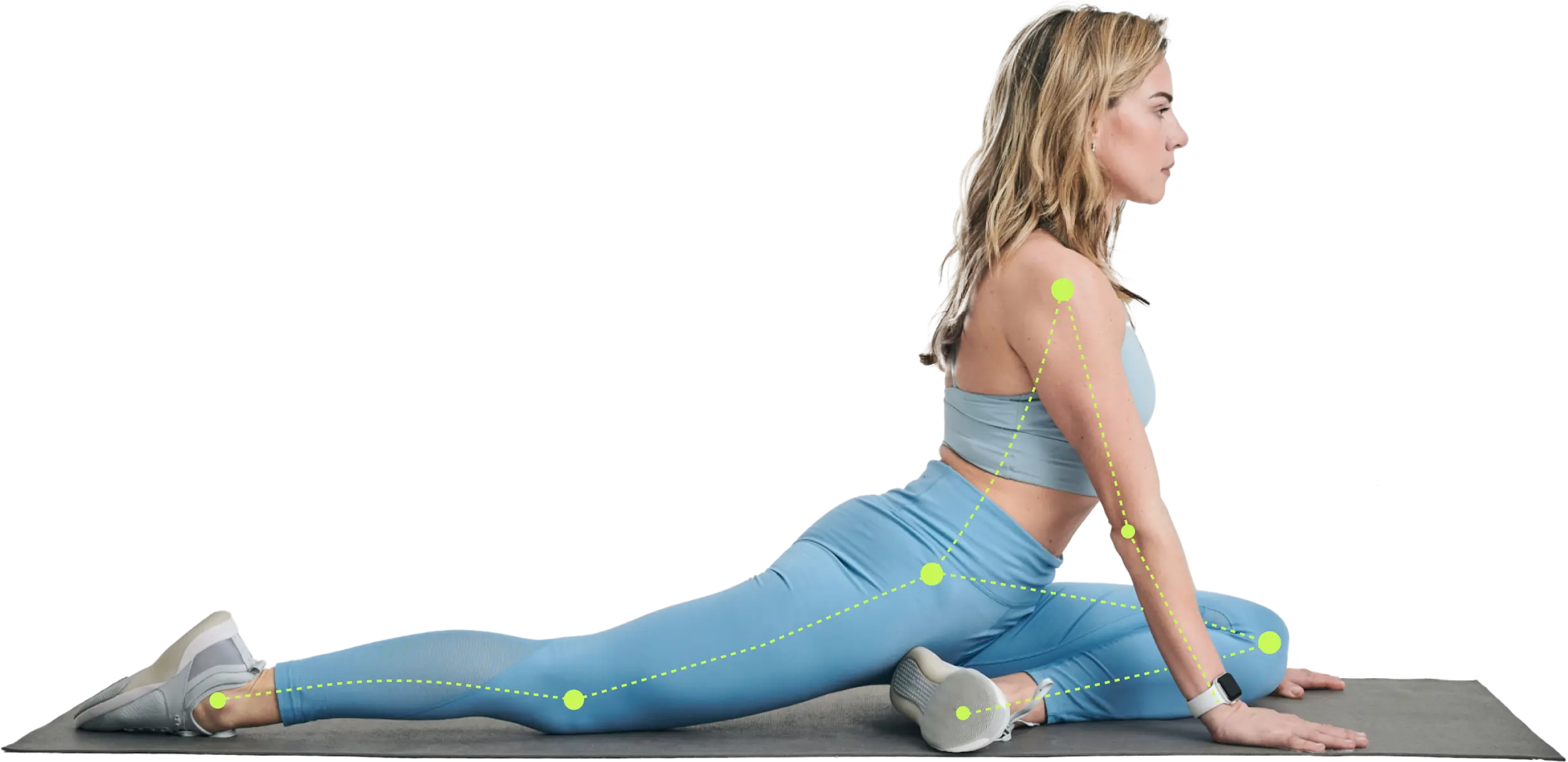
Discover how to lose weight consistently with a practical 2026 roadmap. Achieve sustainable results through realistic goals, smart nutrition & workouts you'll
Most weight-loss advice is built on a bad assumption. It assumes that if you care enough, you'll stay disciplined enough. So when progress stalls or weight comes back, people blame their motivation, their schedule, or their character.
That framing is wrong.
If you're trying to learn how to lose weight consistently, the real job isn't pushing harder. It's building a system that still works when you're busy, bored, stressed, traveling, tired, or a little off track. Consistency isn't a mood. It's a structure.
Why Trying Harder Fails for Consistent Weight Loss
People rarely fail because they don't know the basic rules. Most already know they should eat better, move more, sleep more, and stop restarting every Monday. The problem is that effort without structure breaks down fast. You can white-knuckle a strict plan for a while. You usually can't live that way for long.
A hard truth helps here. A meta-analysis of 29 long-term weight-loss studies found that more than half of lost weight was regained within 2 years, and by 5 years more than 80% had been regained, according to this long-term weight-loss review. That doesn't mean weight loss is hopeless. It means the hard part isn't the first drop on the scale. It's keeping behaviors in place long enough for the result to stick.

Willpower is unreliable by design
Willpower changes by the hour. Work stress drains it. Poor sleep drains it. Social events test it. Travel destroys routines. If your plan only works when you're fully motivated, your plan is fragile.
That's why the most useful question isn't, "How can I be stricter?" It's, "What happens on the day I don't feel like doing this?"
Practical rule: A good fat-loss plan includes a bad-day version. If you only have an ideal version, you don't have a system yet.
For some people, that means keeping simple repeat meals on hand. For others, it means having a shorter workout option instead of skipping training altogether. Small fallback routines matter more than perfect weeks.
The cycle that keeps people stuck
Most inconsistent dieters follow the same pattern:
- They start aggressively with big restrictions, extra workouts, and unrealistic rules.
- Life gets messy and one missed workout or off-plan meal feels like failure.
- They stop tracking because the data feels uncomfortable.
- They regain and decide they need a tougher plan next time.
That cycle isn't a discipline problem. It's a design problem.
If you need a simple place to clean up eating habits before you worry about advanced tactics, Rip Van blog's healthy advice offers a practical starting point around food choices and routine building. The key is using that kind of advice as part of a repeatable system, not as a short burst of perfection.
Set Your Sustainable Pace for Weight Loss
Fast results are seductive. They also cause a lot of unnecessary damage. When people cut too hard, hunger rises, training quality drops, energy falls, and adherence gets worse. The better target is boring on paper and effective in real life.
Major health authorities including the CDC and Mayo Clinic recommend aiming for 1 to 2 pounds per week with a daily calorie deficit of about 500 to 750 calories, as outlined in the CDC's guidance on losing weight safely and sustainably. That's not flashy. It's sustainable.

Start with maintenance, not guesswork
Before you cut calories, estimate your Total Daily Energy Expenditure, or TDEE. That's your rough maintenance intake. It gives you a starting line instead of a random number pulled from a diet app or social media post.
Once you have that estimate, create a moderate deficit. Then test it against real-world results. The plan on paper doesn't matter as much as the trend your body shows over time.
A useful companion read is this guide to healthy weight loss per week, which helps frame what reasonable progress looks like when you're trying to avoid the crash-and-rebound cycle.
Set process goals that you can repeat
Outcome goals matter. People want to lose weight, feel better, and move easier. But outcomes are lagging indicators. Behaviors drive them.
Good process goals look like this:
- Track food daily so you know what your intake is.
- Repeat a few meals often to reduce decision fatigue.
- Weigh in regularly and look for trends, not emotion.
- Plan ahead for weak points such as weekends, work lunches, or late-night snacking.
The CDC also emphasizes focusing on two or three goals at a time and reviewing progress regularly, which makes adherence more realistic than trying to fix everything at once, as described in this overview of sustainable weight management.
What a sustainable deficit feels like
A workable deficit usually feels controlled, not punishing. You should be able to train, think, work, and live without feeling like every hour is a fight against hunger.
Moderate fat loss wins because it leaves room for ordinary life. You can still eat with other people, recover from workouts, and make adjustments without blowing up the whole plan.
If you're losing steadily, keep going. If you're not, don't panic and slash calories. First check the basics. Are portions drifting? Are weekends erasing weekdays? Are you tracking accurately enough to trust the data? Consistency comes from better feedback, not harsher rules.
Build a Workout Routine You Can Actually Stick With
A lot of people approach exercise backward. They ask what burns the most calories, then pick a routine they hate, can't recover from, or can't fit into their week. That usually ends with skipped sessions and frustration.
For weight loss that doesn't leave you softer, weaker, and more exhausted, pair a calorie deficit with strength training. Cleveland Clinic's guidance on how to lose weight explicitly includes strength training alongside nutrition, activity, sleep, and stress management because preserving lean mass matters during fat loss.

Strength training is the anchor
If I have to simplify workout advice for busy adults, I start here: build your week around resistance training, then add cardio in a way you can recover from. Strength work gives your body a reason to keep muscle while you're eating less.
A research review of successful programs found that energy restriction was usually paired with physical activity in 88% of studies and behavioral support or self-monitoring in 92%, with protein intake of 1.6 to 2.2 g/kg body weight helping preserve lean mass during weight loss, according to this systematic review on exercise, diet, and body composition. That lines up with what works in practice. Diet alone may move scale weight. Diet plus training shapes what kind of weight you lose.
A simple weekly structure
You don't need an elite split. You need a schedule that survives normal life.
A solid beginner framework:
- Three strength sessions focused on major movement patterns such as squat, hinge, push, pull, and carry
- Two cardio sessions done at a manageable pace
- Daily movement from walks, errands, stairs, or short mobility breaks
If you're returning after time off, this guide on how to create a workout plan for beginners is a practical reference for matching your plan to your current level instead of your old one.
What makes a routine stick
The best routine has a few built-in protections against dropout.
| Problem | Better solution |
|---|---|
| You only have one workout length | Keep a full version and a short version |
| You train only when motivated | Put sessions on the calendar like appointments |
| You start too hard | Leave the gym feeling like you could've done a little more |
| You skip after one missed day | Resume at the next scheduled session |
Many individuals don't need more variety at first. They require fewer decisions. Repeating the same core lifts and cardio formats lets you notice progress. It also reduces the temptation to chase novelty instead of adaptation.
Coach's lens: Progression doesn't have to mean adding weight every session. It can mean cleaner reps, a better range of motion, more control, or simply showing up consistently for another week.
Cardio should support the plan, not crush it
Cardio helps create energy expenditure, improve conditioning, and support health. It becomes a problem when people use it as punishment. Long, exhausting sessions often raise appetite, beat up recovery, and make strength work worse.
Choose cardio that fits your joints, schedule, and preferences. Walking, cycling, rowing, incline treadmill work, and short conditioning circuits can all work. The method matters less than your willingness to repeat it.
A sustainable training week isn't built from the most impressive sessions. It's built from sessions you can keep doing when work is heavy and motivation is average.
Master the Mindset for Unstoppable Consistency
The biggest mindset mistake in fat loss is treating every imperfect day like a verdict. One unplanned meal becomes "I blew it." One skipped workout becomes "I'm back to square one." That thinking causes more damage than the meal or missed session ever did.
People who maintain progress don't avoid disruption. They recover from it faster.
Nutrition.gov highlights a point that most generic weight-loss content misses. Recovery from a slip matters. Successful maintainers tend to resume their routine quickly after travel, illness, or an off-plan stretch, rather than waiting to feel motivated again, as discussed in these strategies for weight-loss success.
Drop the all-or-nothing script
All-or-nothing thinking sounds disciplined, but it's brittle. It turns a small deviation into a reason to abandon the plan.
A better response is analytical:
- What happened
- Why did it happen
- What will I do next time
- What is the next right action today
That might mean logging the meal anyway. It might mean taking a walk after dinner instead of deciding the whole day is lost. It might mean returning to your normal breakfast the next morning instead of "starting over" next week.
Build identity, not just motivation
Motivation comes and goes. Identity is steadier. When someone sees themselves as a person who trains, plans meals, and corrects course quickly, they behave differently during rough weeks.
Try language like this:
- I'm someone who doesn't miss twice if I can help it
- I return to routine quickly
- I don't need a perfect day to make progress
- I keep promises small enough to keep
These statements aren't fluff. They're behavioral cues. They shape decisions in the moment you would normally drift.
If you struggle with the mental side of consistency, especially around performance pressure, self-criticism, or routine disruption, resources grounded in support for athletes' mental performance can be useful. The same mental skills that help athletes reset after mistakes help everyday people stick with training and nutrition after a rough patch.
Use friction in your favor
A resilient mindset isn't just internal. It's environmental. Make the good choice easier and the unhelpful choice slightly harder.
Examples:
- Put workout clothes where you'll see them first thing.
- Keep default meals stocked for busy days.
- Use reminders for logging, walking, and bedtime.
- Remove the idea that every session must be hard to count.
For practical prompts when drive is low, this list of workout motivation tips can help you turn intention into action. Motivation is most useful when it's tied to a specific behavior, not a vague desire to do better.
The most consistent people aren't the most fired up. They're the fastest at restarting.
How to Track Progress Beyond the Scale
The scale matters, but it doesn't tell the whole story. Daily body weight moves around for reasons that have nothing to do with body fat. If you react to every fluctuation, you'll make emotional decisions instead of smart ones.
Track progress like a coach would. Use several signals, then look for patterns.

The four data streams that matter
I like to separate progress into four buckets.
- Body weight trend keeps you anchored in reality over time.
- Body composition and measurements show whether your shape is changing even when scale movement slows.
- Performance markers reveal whether you're maintaining strength, stamina, and work capacity.
- Adherence data tells you whether the plan was followed.
That last one is underrated. If weight hasn't changed, the first question isn't always whether the plan is broken. It's whether the plan was executed closely enough to judge.
For people who want more than a mirror and a bathroom scale, learning how to measure body composition at home adds useful context. Tools that estimate body fat, waist change, or visual progress can make plateaus easier to interpret.
Read trends, not noise
Weekly review beats daily drama. Ask:
| Metric | Question to ask |
|---|---|
| Weight trend | Is it moving in the expected direction over time |
| Training log | Am I keeping or improving performance |
| Nutrition log | Did I hit my targets often enough to trust the result |
| Energy and recovery | Is the plan sustainable or too aggressive |
If strength is falling hard, hunger is constant, and recovery is poor, the deficit may be too aggressive. If performance is stable and adherence is high but trend weight isn't moving, intake may need adjustment. That's how tracking becomes useful. It guides decisions.
A tool like Zing Coach can fit into this process because it combines personalized training, calorie guidance, and body-composition tracking in one place. That's helpful if you prefer having workout progression and progress data connected instead of scattered across separate apps and notes.
A quick visual walkthrough can help if you're trying to make tracking feel less abstract:
Reality check: If the data says "adjust," adjust. Don't turn one slow week into a crisis and don't turn a month of inconsistency into a mystery.
Your Troubleshooting Guide and Sample Weekly Plan
The best weight-loss system assumes friction is coming. Travel, poor sleep, busy workweeks, social meals, soreness, and flat motivation aren't exceptions. They're part of the process.
When progress stalls, don't overhaul everything at once. Tighten the basics first. Review logging accuracy, portion drift, liquid calories, weekend habits, and training consistency. If those are in place and progress has slowed, this guide on how to break through weight loss plateau can help you make a measured adjustment instead of a panicked one.
Common problems and smart responses
Plateau after early progress
Recheck intake and adherence before cutting calories lower. Most stalls come from drift, not magic metabolism.Social events every week
Eat normally earlier in the day, prioritize protein and high-satiety foods, and return to routine at the next meal.Travel or illness
Switch to a maintenance mindset if needed. Protect sleep, walking, hydration, and simple meals. Resume your structure quickly.
Harvard's summary of long-term maintenance research notes that preventing regain often requires more activity, with some studies indicating about 80 minutes per day of moderate activity, plus continued self-monitoring such as weigh-ins and food logging, as explained in this article on weight-loss maintenance mindset. Maintenance is not autopilot. It still needs structure.
Sample Weekly Plan for Consistent Weight Loss
| Day | Activity | Nutrition Focus |
|---|---|---|
| Monday | Full-body strength workout | Pre-log meals and hit your calorie target |
| Tuesday | Brisk walk or steady cardio | Build meals around protein and vegetables |
| Wednesday | Full-body strength workout | Repeat simple meals that make tracking easy |
| Thursday | Light activity and mobility | Eat normally. Avoid the "cheat day" mindset |
| Friday | Full-body strength workout | Plan dinner before the workday ends |
| Saturday | Longer walk, cardio, or active hobby | Stay consistent through social meals |
| Sunday | Meal prep, grocery setup, weekly review | Review weight trend, adherence, and next week's schedule |
This kind of week works because it blends structure with flexibility. You train enough to preserve muscle, move enough to support expenditure, and review often enough to catch problems early.
If you want help turning these principles into a plan you can follow, Zing Coach can build personalized workouts, adapt training to your level and recovery, and keep your calorie guidance and progress tracking in one system. That's useful when your main goal isn't just losing weight once. It's staying consistent long enough for the result to last.
Share this article


Authors