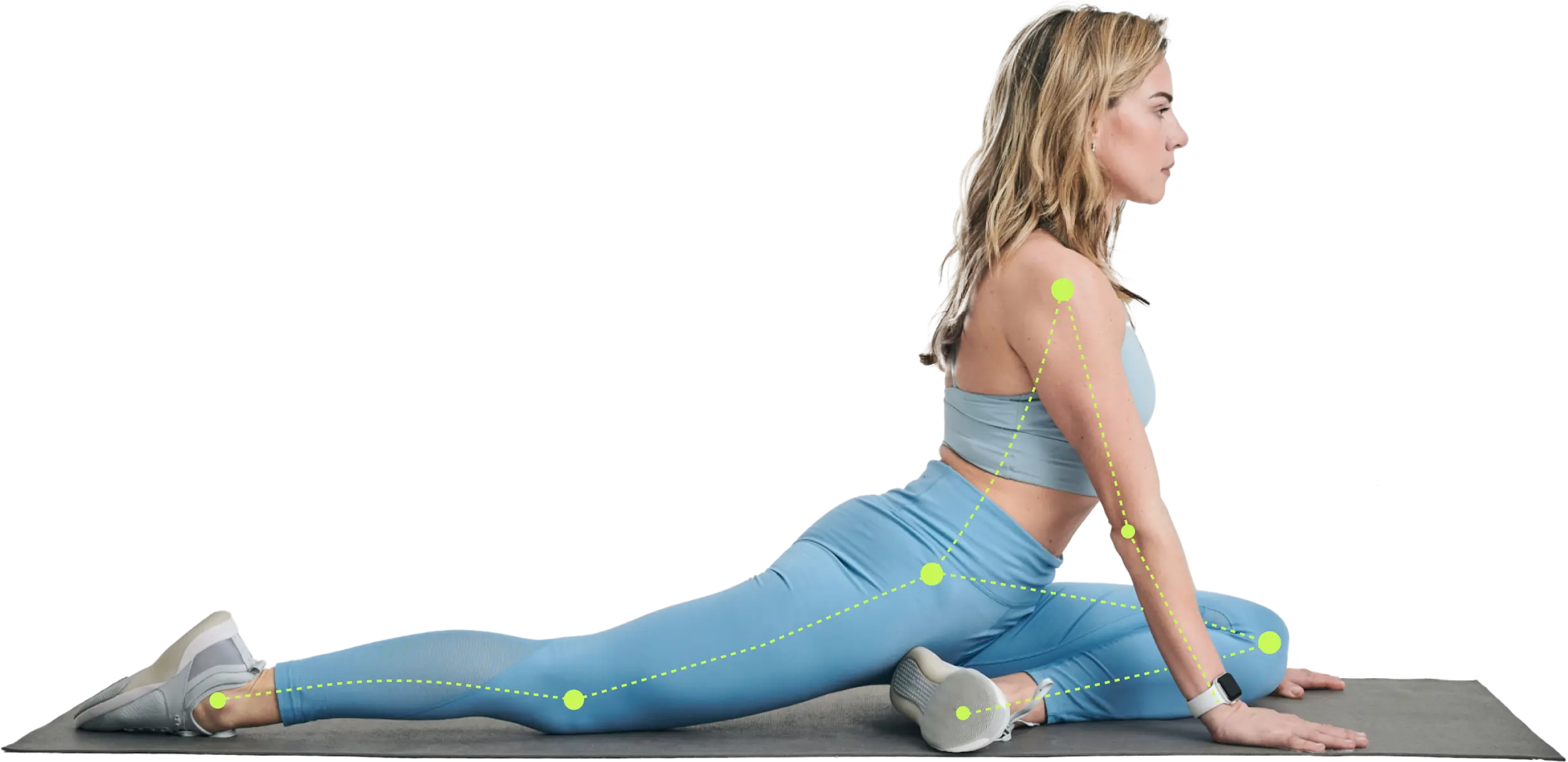
Explore what a weight loss coach program is and how it works. Our guide covers core components, expected results, and how to choose the right program for you.

You might be here because you've already tried doing this on your own.
You downloaded a workout app, saved a few high-protein recipes, promised yourself you'd stop snacking at night, then got hit with real life. A busy week turned into takeout. A sore knee made you skip workouts. One bad weekend made you feel like you'd ruined everything. So you started over. Again.
That pattern doesn't mean you're lazy or lacking discipline. It usually means your approach is unstructured. Weight loss is hard when you're acting as planner, coach, accountability partner, and problem-solver all at once. A good weight loss coach program changes that. It gives you a system, not just a burst of motivation.
Why Unstructured Weight Loss Efforts Often Fail
Most failed weight loss attempts don't fail because the person didn't care enough. They fail because the plan had too many moving parts and no one was managing them.
One week you're trying a restrictive diet from social media. The next week you're doing random cardio because someone said strength training makes you bulky. Then a different app tells you to count every calorie, while another says tracking is the problem. That kind of contradiction wears people down.
The real problem is decision overload
When your plan lives in your head, everything feels negotiable. Should you work out today or rest? Is this lunch "good enough"? Should you push harder or back off? If you have to re-decide your whole strategy every day, fatigue wins.
A lot of people also confuse information with guidance. Information tells you what might work in general. Guidance tells you what to do next, based on your schedule, your energy, your body, and your setbacks.
If you want a simpler foundation, this guide on how to lose weight consistently is a useful starting point because it focuses on repeatable habits instead of all-or-nothing effort.
Unstructured weight loss is like trying to build a house with good tools but no blueprint. You stay busy, but progress stays patchy.
What structure changes
A weight loss coach program creates rules, routines, and feedback loops. Instead of waking up and improvising, you follow a process. You know what your workouts are, how your nutrition fits the goal, what to track, and what happens when you hit a rough patch.
That matters because behavior change isn't just about knowing better. It's about making the better choice easier to repeat.
A structured program also helps you stop treating setbacks like failure. Missed a workout? The plan adjusts. Ate more than planned? You review what happened and move on. Hit a plateau? You investigate instead of panic. That's a very different experience from the usual cycle of enthusiasm, confusion, and quitting.
What Is a Weight Loss Coach Program
A weight loss coach program is a structured support system that helps you lose weight by combining planning, behavior change, feedback, and accountability.
The easiest way to think about it is this: a coach is a project manager for your health. A project manager doesn't swing the hammer for the construction crew. They make sure the right tasks happen in the right order, problems get solved quickly, and the whole project keeps moving. A coach does the same thing for your training, eating habits, recovery, and consistency.

What a coach program actually does
At a practical level, a program usually helps you:
- Set clear goals instead of vague hopes like "get healthier"
- Turn goals into actions such as scheduled workouts, meal patterns, and sleep habits
- Track progress so you can see whether the plan is working
- Adjust the plan when life, stress, travel, or plateaus show up
- Build routines that don't depend on perfect motivation
- Stay accountable through check-ins, reminders, or coaching feedback
That's why a coaching program isn't the same as a static PDF meal plan or a one-size-fits-all challenge.
The three main formats
There are a few common ways these programs are delivered.
One-on-one human coaching is the classic model. You work directly with a coach who reviews your habits, gives feedback, and adjusts your plan. This can feel highly personal and supportive, especially if you like conversation and relationship-based accountability.
Digital or AI coaching uses software to personalize workouts, tracking, and feedback based on your inputs and activity. For many people, this works well because it's available whenever they need it, not only during appointments. If you want an example of how this category works, this overview of an AI-powered workout app shows the kind of personalization digital coaching can offer.
Hybrid programs combine both. You might use an app for daily guidance and check in with a human coach weekly or monthly. This can work well if you want automation for routine tasks and a person for bigger decisions.
Simple test: If the "program" only gives you advice but doesn't monitor, adapt, or respond, it isn't really coaching. It's content.
The right format depends less on trends and more on your needs. Some people need human conversation. Some need fast, data-based adjustments. Some need both.
The Core Components of an Effective Program
Not every weight loss coach program is built well. Some are polished on the surface but shallow underneath. If you're evaluating a program, look past branding and focus on the machinery inside.

Personalization that changes the actual plan
Real personalization isn't putting your name on a dashboard.
It means the program adjusts to your fitness level, schedule, equipment, food preferences, stress load, and limitations. A beginner who has two dumbbells and knee pain needs a different plan from someone training in a full gym four days a week. A parent with short windows of time needs different structure than a student with flexible afternoons.
A useful nutrition framework should also be practical. If you're sorting through conflicting food advice, this article with expert advice on safe weight loss can help you stay grounded in sustainable choices rather than extremes.
Structured training and clear nutrition guidance
Good programs reduce guesswork. They don't just say "move more" or "eat better." They translate those ideas into a sequence.
That usually means training with a purpose, such as progressive strength work, walking targets, recovery guidance, and sessions scaled to your current ability. It also means food guidance that supports adherence. Not just rules, but repeatable meal patterns, hunger management, and realistic portion awareness.
If you're trying to build that foundation, this guide to healthy eating for fat loss is a helpful companion resource.
Behavioral support is the glue
Many programs fall apart at this point. They hand you a plan but don't help you follow it.
Practice-based implementation research in digital health points to a useful structure: weekly sessions that turn broad advice into micro-habits, tracking loops for food and movement, and cognitive-behavioral techniques to handle stress and motivation dips, often delivered over a 6 to 12 month intervention period according to this discussion of weight loss coaching program design.
In plain language, a good program should help you do things like:
- Attach a new habit to an old one so a short walk follows your morning coffee
- Track a few useful behaviors instead of obsessing over everything
- Practice coping plans for stress eating, travel, or low-energy days
- Use small experiments such as testing a more filling breakfast for one week
Practical rule: The best program is the one that teaches you how to recover quickly from imperfect days.
Progress tracking and accountability
Tracking matters because memory is unreliable. It's common to believe one is maintaining consistency until data proves otherwise.
That doesn't mean you need to measure everything. It means the program should identify a few meaningful indicators and review them regularly. Those might include workout completion, body weight trends, food consistency, sleep, energy, or adherence to a small number of target habits.
Here's a simple way to assess what you're buying:
| Program feature | Weak version | Strong version |
|---|---|---|
| Personalization | Generic starter plan | Plan adapts to your body, schedule, and constraints |
| Training | Random workouts | Progressive sessions with a reason for each phase |
| Nutrition | Restrictive rules | Clear, sustainable guidance you can repeat |
| Behavior change | Motivational messages | Habit-building tools and relapse planning |
| Tracking | Occasional weigh-ins | Regular review and plan adjustments |
If a program can't explain how it personalizes, tracks, and adjusts, you're probably looking at a content library, not a coaching system.
What Real-World Results Can You Expect
A strong program should help you expect progress, not magic.
In weight loss research, a loss of 5% of body weight is often treated as a meaningful milestone. That's one reason you should be cautious around programs that promise dramatic transformations in very little time. Better coaching tends to frame success around health-relevant progress, consistency, and habits you can keep.
What the research suggests
A 2022 study of a 12-month web-based Healthy Weight Coaching program integrated into Finnish clinical care found that participants who reached the 12-month time point lost an average of 4.6% of their initial body weight, or 5.6 kg, and 43% achieved at least 5% weight loss. The same study reported a 29.1% dropout rate over the year and found that more frequent self-reporting of body weight was associated with greater weight loss at earlier time points, according to the Healthy Weight Coaching study in JMIR Formative Research.
That result is useful for two reasons. First, it shows that measurable change is realistic in a digital coaching format. Second, it reminds you that engagement matters. Even a good system still requires participation.
A separate retrospective analysis of the Retrofit program found average 6-month weight loss of 5.14% of baseline weight across participants, with 44% reaching at least 5% weight loss. Among completers, average weight loss rose to 6.15%, and 54% reached the 5% mark. The analysis also found that attendance at coaching sessions, live classes, and coach feedback on food logs were key predictors of outcomes, as reported in the Retrofit program analysis on PubMed Central.
Results aren't only about the scale
The scale matters, but it isn't the whole story.
People often notice other wins first. They wake up with steadier energy. They stop feeling so out of control around food. Their clothes fit differently. Workouts feel less intimidating. They trust themselves more because they can see routines forming.
For women navigating hormonal shifts, weight changes can feel even more confusing. This article on how probiotics help with menopause weight adds useful context on one piece of that puzzle.
To understand what realistic pacing looks like in everyday terms, this guide to healthy weight loss per week can help anchor expectations.
Sustainable results usually look quieter than marketing promises. Fewer swings. Better routines. More weeks where you follow through.
How to Choose the Right Weight Loss Coach Program
Choosing a weight loss coach program is a lot like hiring someone for an important job. You aren't buying motivation. You're choosing a system and a decision-maker that will influence your daily behavior.
That means the key question isn't "Does this look inspiring?" It's "How does this work when my life gets messy?"

Questions smart buyers ask
Many programs describe themselves as supportive or personalized but never explain their methods. Consumers should ask how a program uses evidence-based techniques for goal-setting, self-monitoring, and relapse prevention, because those elements are closely tied to adherence and clinically significant weight loss, as discussed in the review of lifestyle programs in underserved primary care populations.
Use questions like these before you sign up:
- Who designed the program? Ask about the professional background behind the training, nutrition, and behavior-change approach.
- How is the plan personalized? Ask what information the program uses and how often it adapts.
- What happens when progress stalls? A serious program should have a process for plateaus, low adherence, travel, illness, or injury.
- How does accountability work? Daily prompts, weekly check-ins, live reviews, or automated feedback all count, but the program should be specific.
- What will I learn to do on my own? If the answer is vague, maintenance may be weak.
Human, AI, or hybrid
Different coaching formats solve different problems. This quick comparison helps.
| Format | Often strongest at | Watch out for |
|---|---|---|
| Human coach | Nuance, conversation, emotional support | Limited availability, slower feedback, variable quality |
| AI coaching | Fast adjustments, consistent tracking, anytime access | Can feel less relational if you want human connection |
| Hybrid | Blends automation with personal input | Can become expensive or overly complex |
One example in the AI category is Zing Coach, which builds personalized training plans from a quiz, available equipment, schedule, and fitness level, then adapts sessions using activity and recovery data. That's useful if you want day-to-day structure without scheduling regular appointments.
Signs of a weak program
A weak program often reveals itself quickly.
If a program markets feelings but can't explain process, be careful.
Red flags include:
- Vague methods like "we meet you where you are" with no explanation of how
- No adaptation system when workouts feel too hard, too easy, or impossible to fit in
- Overfocus on rules without teaching planning, self-monitoring, or recovery from setbacks
- No maintenance pathway beyond the initial push
A good choice should feel clear before it feels exciting.
A Sample Onboarding Week with a Coach Program
Most beginners don't need more theory. They need to know what this looks like in practice on a Tuesday.
A well-designed onboarding week should feel organized, not overwhelming. You shouldn't be thrown into punishing workouts or asked to rebuild your entire diet in one sitting.

Days one through three
On day one, you usually complete an intake. That may include your goal, current activity level, available equipment, schedule, food habits, limitations, and past struggles. During this intake, the program begins separating useful detail from noise.
Day two often focuses on a baseline. You might record body weight, note energy levels, test a few movements, or identify the times of day when you tend to overeat. The point isn't judgment. It's to create a starting map.
By day three, you receive your first plan. A good one feels almost modest. Maybe three workouts. A walking target. A protein-focused breakfast. A reminder to log dinner. That's intentional. Early success comes from repeatable actions, not heroic effort.
Days four through seven
Around day four, many people have their first "wait, can I really do this?" moment. The workout seems manageable, but you're still uncertain. At such a point, feedback matters. A coach, or the program itself, should help you adjust intensity, answer common questions, and stop you from confusing "different" with "wrong."
By day five, you're usually practicing the routine rather than studying it. You do the session, note what felt easy or hard, and begin to see where friction lives. Maybe evenings are your weak spot. Maybe lunch is fine, but weekends aren't. That information is gold.
The first week shouldn't prove how tough you are. It should reveal what helps you stay consistent.
The weekend often includes a short review:
- What worked well so you can repeat it next week
- What felt awkward so the plan can be adjusted
- What one habit matters most instead of changing ten things at once
That kind of onboarding lowers anxiety. It shows that the program isn't asking for perfection. It's building a routine you can carry into real life.
Common Questions About Sticking with a Program
The hardest part of weight loss usually isn't starting. It's staying with the process long enough for it to become normal.
What should I do when I hit a plateau
First, don't assume the plan has failed. Plateaus often mean it's time to review adherence, food drift, sleep, stress, recovery, and activity outside formal workouts.
Tighten the basics before making dramatic changes. Check whether you're still doing the habits that created progress in the first place. Often the issue isn't that your body "stopped responding." It's that your routine unwittingly changed.
How do I stay motivated when I feel like quitting
Don't build your plan around motivation. Build it around minimum actions you can still do on hard days.
That might mean a shorter workout, a simple high-protein meal, or a walk instead of a full session. Momentum survives when you keep the identity of "I still show up," even if the day isn't impressive. This guide on how to stay consistent with exercise can help when follow-through starts slipping.
How do I maintain results after the program ends
Many programs highlight early weight loss but offer very little maintenance strategy. Long-term success depends on self-regulation skills and environmental modifications that continue without constant coach contact, as noted in this discussion of the maintenance gap in weight loss coaching coverage.
That means your exit plan should include:
- A few anchor habits you keep no matter what
- A simple monitoring routine so small regain doesn't become big regain
- An environment that supports you such as easier meal prep, fewer trigger foods, and planned movement slots
- A fallback version of your routine for stressful weeks
Weight loss lasts longer when you stop thinking in terms of being "on" or "off" a program. The goal is to become the person who knows how to steer.
If you want a structured option that can guide workouts, adapt to your schedule, and help turn weight loss into a repeatable system, Zing Coach is worth exploring. The goal isn't to chase a perfect plan. It's to find a coaching setup you can follow, learn from, and keep using when life gets busy.
Share this article


Authors