Unlock your full potential with these 8 science-backed workout recovery tips. Learn how to optimize sleep, nutrition, and more for faster results.
You’ve finished the last rep, wiped the sweat from your brow, and put your weights away. For many, this marks the end of their fitness effort for the day. However, the most critical part of your training has just begun. The demanding work you do in the gym is only half the equation; it’s the stimulus for change. The actual adaptations, the muscle repair, strength gains, and performance improvements, are all forged during the hours and days that follow. This is the recovery phase, and neglecting it is the fastest way to stall progress, invite injury, and experience chronic fatigue.
This guide moves beyond generic advice like "get more sleep" or "eat well." Instead, we're providing a comprehensive toolkit of specific, actionable workout recovery tips that you can integrate into your routine immediately. You will learn how to strategically use active recovery to reduce soreness, time your nutrition to maximize muscle protein synthesis, and optimize your sleep environment for hormonal health. We will also explore practical methods for soft tissue work, hydration, and even how to use deload weeks to your advantage.
Whether you're a busy professional trying to make every session count, a data-driven athlete tracking every metric, or someone returning to fitness after a break, these strategies are designed for you. Each tip is structured to provide clear, practical steps for implementation. By the end of this article, you'll have a complete framework for building a recovery plan that is as intelligent and dialed-in as your training program. Prepare to recover smarter, train harder, and finally unlock the results you’ve been working for.
1. Active Recovery and Low-Intensity Movement
While it might seem counterintuitive, one of the most effective workout recovery tips involves moving more, not less. Active recovery is the practice of performing low-intensity exercise following an intense training session or on a designated rest day. This approach keeps your body moving without adding significant training stress, directly accelerating the recovery process.

Unlike passive recovery (complete rest), active recovery enhances blood flow to tired muscles. This increased circulation delivers essential oxygen and nutrients needed for repair while helping to flush out metabolic byproducts, such as lactate, that can contribute to muscle soreness and fatigue. The goal is to keep your heart rate in a low-intensity zone, typically around 40-60% of your maximum.
How to Implement Active Recovery
Integrating active recovery is straightforward. The key is choosing an activity that is gentle, enjoyable, and doesn't feel like another workout.
- Post-Workout Cool-Down: Immediately after a tough strength session, spend 10-15 minutes on a stationary bike or walking on a treadmill at a very easy pace.
- The Day After: If you had a heavy leg day, a 20-30 minute gentle walk or swim the next morning can significantly reduce delayed onset muscle soreness (DOMS).
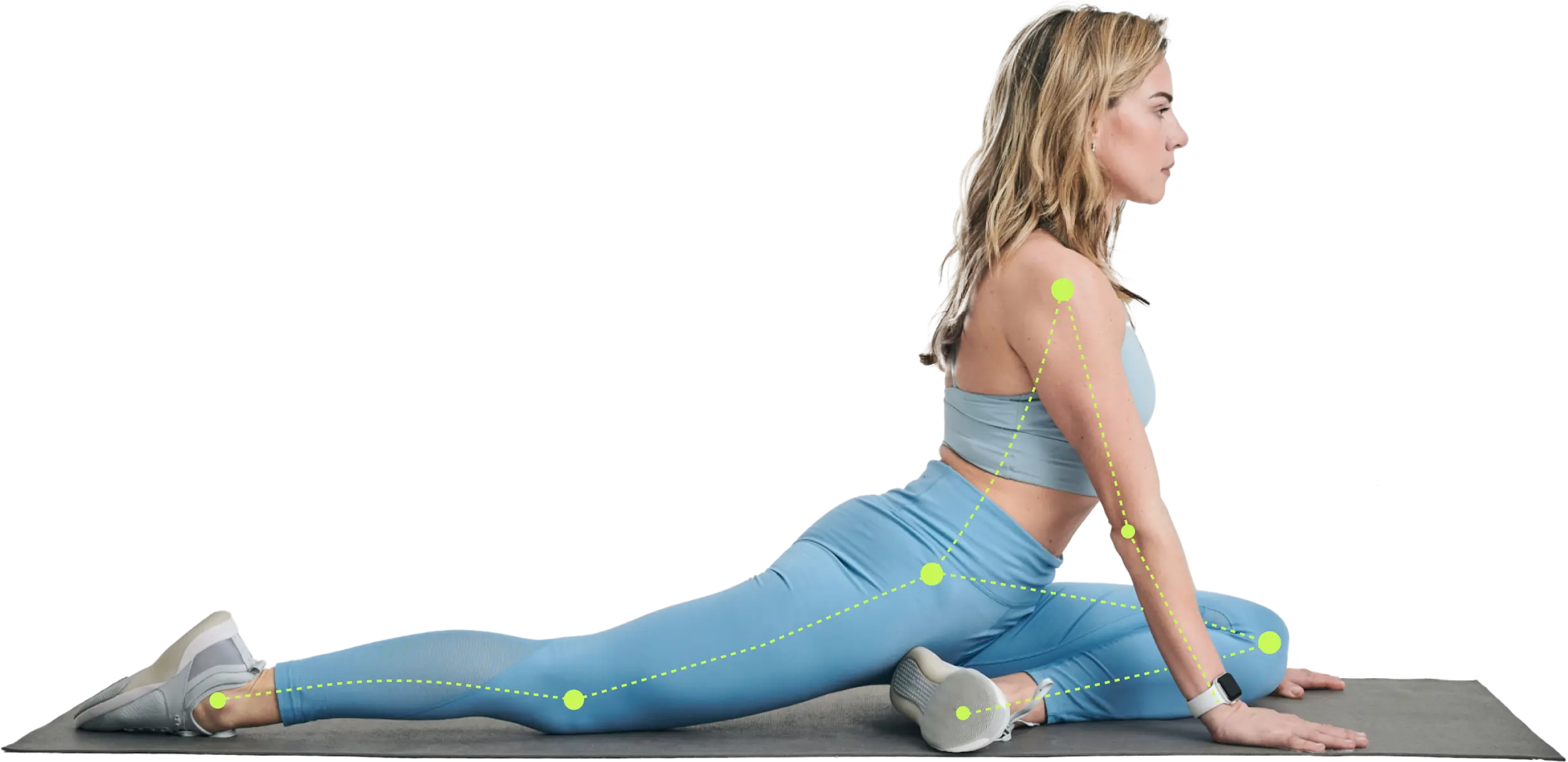
- On Rest Days: Instead of staying on the couch, schedule a 30-minute light yoga or stretching session. This not only aids muscle recovery but also improves flexibility. You can explore a variety of guided stretching workouts on zing.coach to find routines that suit your needs.
Actionable Tips for Success
To get the most out of this recovery method, keep these points in mind:
- Monitor Your Intensity: Use a heart rate monitor or a fitness app like Zing Coach to ensure you stay in the correct low-intensity zone. If you don't have a tracker, use the "talk test"- you should be able to hold a full conversation without gasping for breath.
- Schedule It: Don't leave active recovery to chance. Build it into your weekly training plan just as you would any other workout.
- Listen to Your Body: Active recovery should make you feel better, not more tired. If an activity feels too strenuous, reduce the intensity or duration. The goal is to facilitate recovery, not to create more fatigue.
2. Strategic Nutrition and Macro Timing
What you eat after a workout is just as important as the workout itself. Strategic nutrition is the practice of consuming specific macronutrients (protein and carbohydrates) within a certain timeframe post-exercise to maximize recovery. This approach kickstarts muscle repair, replenishes energy stores, and reduces inflammation, setting you up for a stronger next session.
After intense exercise, your muscles are primed to absorb nutrients. Consuming a combination of fast-digesting carbohydrates and high-quality protein helps your body initiate muscle protein synthesis (the process of rebuilding damaged muscle fibers) and restore glycogen (your muscles' primary fuel source). This targeted approach is one of the most effective workout recovery tips for minimizing soreness and accelerating adaptation.
How to Implement Strategic Nutrition
Integrating post-workout nutrition is about planning and preparation. The goal is to refuel your body within a 1-2 hour window after your training session ends.
- Quick and Convenient: If you can't have a full meal right away, a protein shake with a banana and oats is an excellent immediate option to start the recovery process.
- Balanced Meal: Within 90 minutes of training, a meal like Greek yogurt with granola and berries provides the perfect mix of protein and carbohydrates.
- Full Recovery Meal: For a substantial meal about 1-2 hours post-workout, a plate of grilled chicken breast with rice and vegetables is ideal for replenishing energy and repairing muscle tissue.
Actionable Tips for Success
To get the most out of this recovery method, consistency is key.
- Prepare in Advance: Meal prep your post-workout meals or have quick options ready. This removes the guesswork and ensures you refuel properly even on busy days.
- Calculate Your Needs: Use an app like Zing Coach to determine your personalized daily calorie and macro targets. This ensures your post-workout meal fits into an overall plan designed for your specific goals.
- Daily Totals Matter Most: While the post-workout window is important, hitting your total daily protein and calorie targets is the most critical factor for long-term recovery and progress. You can explore the nuances of meal timing with this guide on whether to eat before or after a workout.
- Listen to Your Body: Pay attention to how different food combinations make you feel. Adjust your meals based on your digestion, energy levels, and performance in subsequent workouts.
3. Sleep Optimization and Circadian Rhythm Alignment
Of all the workout recovery tips available, none are as foundational or impactful as optimizing your sleep. Physical and mental restoration peaks while you sleep, making it the non-negotiable cornerstone of any effective recovery strategy. During deep sleep stages, your body releases growth hormone, which is critical for muscle repair, protein synthesis, and bone growth. It's the period where your body actively rebuilds the tissues broken down during training.

Aligning your sleep schedule with your natural circadian rhythm, your body's internal 24-hour clock, enhances the quality of this restorative process. Consistency in your sleep and wake times stabilizes hormone regulation, including managing cortisol (a stress hormone) and optimizing testosterone production. For active individuals, the gold standard is 7-9 hours of quality sleep per night to fully support muscle adaptation, nervous system recovery, and hormonal balance.
How to Implement Sleep Optimization
Improving sleep involves creating a consistent routine and an environment conducive to rest. The goal is to signal to your body that it's time to wind down and prepare for deep, uninterrupted sleep.
- Create a Strict Schedule: Go to bed and wake up at the same time every day, even on weekends. For example, commit to a 10 PM bedtime and a 6 AM wake-up time to anchor your circadian rhythm.
- Engineer Your Sleep Environment: Turn your bedroom into a sleep sanctuary. Use blackout curtains to block all light, set the thermostat between 60-67°F (15-19°C), and consider a white noise machine to mask disruptive sounds.
- Establish a "Wind-Down" Ritual: Dedicate the 60-90 minutes before bed to screen-free, relaxing activities. This could include reading a physical book, gentle stretching, meditation, or journaling.
Actionable Tips for Success
To transform your sleep quality and accelerate your workout recovery, integrate these specific habits:
- Manage Light Exposure: Get natural sunlight exposure early in the morning to set your internal clock. In the evening, dim the lights and use blue-light blocking glasses or screen filters to avoid suppressing melatonin production.
- Be Mindful of Stimulants: Avoid caffeine at least 8 hours before bed (e.g., no coffee after 2 PM) and limit alcohol, as it can severely disrupt your REM sleep cycle later in the night.
- Track and Adjust: Use a sleep tracker or a comprehensive app like Zing Coach to monitor your sleep duration and consistency. If you notice you're consistently falling short or have poor sleep quality, prioritize improving it before increasing your training intensity or volume. Remember, you don't adapt to your workouts in the gym; you adapt while you rest.
4. Foam Rolling and Soft Tissue Mobilization
Addressing muscle tightness and fascial restrictions is a cornerstone of effective workout recovery tips, and foam rolling is one of the most accessible tools for the job. This technique, also known as self-myofascial release, involves using a foam roller or other tools to apply sustained pressure to your muscles and the connective tissue (fascia) that surrounds them. This helps reduce muscle tension, improve blood flow, and alleviate soreness.
Think of it as a form of self-massage. By rolling slowly over different muscle groups, you can identify and release "trigger points" or knots that develop from intense training or even daily life. This process helps restore muscle elasticity and can significantly improve your range of motion, allowing you to move more freely and efficiently in future workouts.
How to Implement Foam Rolling
Integrating soft tissue work into your routine is simple and highly effective, whether you do it before a workout, after, or on rest days. The key is consistency and focusing on areas that feel tight.
- Pre-Workout Mobilization: Before a heavy squat or bench press session, spend 5-10 minutes rolling out your upper back, lats, quads, and glutes. This can help improve your positioning and mechanics during the lift.
- Post-Workout Cool-Down: After a long run, dedicate 2-3 minutes per leg to rolling your calves, hamstrings, and quads to kickstart the recovery process and reduce the perception of next-day soreness.
- Dedicated Recovery Sessions: On a rest day, use a lacrosse ball for more targeted work on smaller muscles, like the bottom of your feet or your calves, for 3-5 minutes to relieve specific points of tension.
Actionable Tips for Success
To maximize the benefits of foam rolling, technique matters more than time spent.
- Go Slow: Move very slowly, about one inch per second. When you find a tender spot, pause on it for 20-30 seconds and breathe deeply until you feel the tension start to release.
- Avoid Joints and Bones: Never roll directly over a joint (like your knee or elbow) or bony prominences like your spine. Focus solely on the muscle belly.
- Combine with Stretching: For a powerful mobility boost, combine foam rolling with dynamic or static stretching. Roll a muscle first to release tension, then follow up with a stretch to improve its length. You can find more targeted movements in this guide to roller exercises on zing.coach.
- Listen to Your Body: Foam rolling should be "productively uncomfortable," not excruciatingly painful. If the pressure is too intense, start with a softer foam roller or reduce the amount of body weight you're applying.
5. Hydration Strategy and Electrolyte Balance
Effective workout recovery goes far beyond just what you do after your training session ends; it starts with how you fuel and hydrate your body before and during the activity. Proper hydration is a cornerstone of performance and recovery, supporting everything from muscle function and nutrient transport to thermoregulation. Even a small level of dehydration, as little as 2% of your body weight, can significantly impair performance and slow down the body’s ability to repair and adapt.
Strategic hydration involves more than just drinking water when you feel thirsty. It's a proactive approach to maintaining fluid and electrolyte balance to optimize bodily functions. Electrolytes, particularly sodium, potassium, and magnesium, are crucial minerals lost through sweat that regulate nerve signals and muscle contractions. Replenishing them is just as important as replacing lost fluids, as they help your body retain the water you drink and support the entire recovery cascade.
How to Implement a Hydration Strategy
A personalized hydration plan accounts for your workout's intensity, duration, and environmental conditions. The goal is to start hydrated, maintain hydration during exercise, and fully rehydrate afterward.
- Pre-Workout: Drink approximately 500ml (about 17oz) of water two hours before your workout to ensure you begin in a hydrated state.
- During Workout: For sessions under 60-90 minutes, sipping water is usually sufficient. For longer or more intense sessions, especially in the heat, a sports drink containing carbohydrates and electrolytes becomes crucial.
- Post-Workout: Aim to replenish 150% of the fluid you lost. For example, if you lost 500g of body weight (equivalent to 500ml of sweat), you should drink 750ml of fluid over the next two to four hours.
Actionable Tips for Success
To master this crucial element of workout recovery tips, consider these practical steps:
- Estimate Your Sweat Rate: Weigh yourself without clothes before and after a one-hour workout. The difference in weight, plus any fluid you consumed, gives you a good estimate of your sweat rate to guide your rehydration plan.
- Don't Forget Electrolytes: For prolonged exercise, include sodium, potassium, and magnesium to prevent cramping and support rehydration. To aid in muscle function and nerve transmission, maintaining optimal electrolyte levels is paramount. Products like magnesium spray for electrolyte balance and muscle recovery can be a valuable addition to your regimen.
- Monitor Your Urine: One of the simplest biofeedback tools is urine color. A pale yellow color, like lemonade, typically indicates adequate hydration, while a darker color suggests you need to drink more.
- Hydrate Throughout the Day: Don't just chug water around your workouts. Consistent, steady fluid intake throughout the day is far more effective for maintaining optimal hydration levels.
6. Periodization and Strategic Deload Weeks
True workout recovery is about more than what you do after a single session; it’s about managing fatigue over weeks and months. Periodization is a long-term training strategy that organizes your workouts into cycles of varying intensity and volume. This structured approach ensures you make consistent progress while systematically planning for recovery, preventing burnout before it starts.
A cornerstone of this strategy is the strategic deload week. This is a planned period of reduced training stress, typically scheduled every 4 to 8 weeks, that allows your central nervous system, joints, and connective tissues to fully recover and adapt. Instead of training until you're forced to rest due to exhaustion or injury, a deload proactively manages fatigue, leading to greater long-term gains.
How to Implement Periodization and Deloads
Integrating this advanced recovery method involves planning ahead rather than reacting to fatigue. The goal is to lower the overall training stress significantly without stopping movement altogether.
- Progressive Overload Block: Follow a structured 3-5 week training block where you gradually increase the intensity (weight) or volume (sets/reps).
- Scheduled Deload: After the block, schedule a 1-week deload. During this week, reduce your total training volume by 40-60%. For example, if you normally do 4 sets of 10 reps on squats, you might do 2 sets of 10 with a slightly lighter weight.
- Competition Taper: For athletes, a deload week can be used to taper before a competition, ensuring peak performance by shedding accumulated fatigue.
- Listen to Biofeedback: A returning gym-goer who notices persistent soreness, poor sleep, or a drop in motivation can implement a deload week to reset and recover.
Actionable Tips for Success
To make your deloads effective, think of them as a strategic tool, not a sign of weakness.
- Plan Proactively: Schedule your deloads into your calendar every 4-8 weeks. Don't wait until you feel completely run down; proactive recovery is always more effective than reactive rest.
- Focus on Form: Use the lighter loads during a deload week to perfect your exercise technique and focus on the mind-muscle connection. This is a great time to work on mobility drills.
- Manage Volume, Not Intensity: A common deload method is to keep the weight on the bar the same (maintain intensity) but drastically cut the number of sets and reps (reduce volume).
- Prevent Plateaus: By allowing for supercompensation, this planned recovery is one of the most powerful workout recovery tips for breaking through training plateaus. Discover other ways to bust through frustrating stalls by exploring these tips to prevent plateaus on zing.coach.
7. Cold Exposure and Contrast Therapy
Once reserved for elite athletes, cold exposure and contrast therapy have become popular workout recovery tips for their ability to manage inflammation and accelerate recovery. These techniques involve strategically using cold and alternating hot/cold temperatures to trigger adaptive responses in the body. The primary mechanism is vasoconstriction (narrowing of blood vessels) from cold, followed by vasodilation (widening) from heat, which creates a "pumping" effect.

This process can enhance circulation, help flush metabolic waste from muscles, and significantly reduce the perception of muscle soreness. Short cold exposures (1-3 minutes at 10-15°C or 50-59°F) post-workout may also increase parasympathetic nervous system activity, helping your body shift from a "fight-or-flight" state to a "rest-and-digest" mode more quickly.
How to Implement Cold and Contrast Therapy
You don't need a professional cryotherapy chamber to benefit from this method. You can start with simple tools you already have at home.
- Cold Water Immersion: After a heavy leg workout, take a 1-3 minute ice bath in water around 10°C (50°F). If you're new to this, start with a cold shower focused on your legs.
- Contrast Therapy: A more dynamic approach involves alternating temperatures. Try a cycle of 3 minutes in a hot shower followed by 1 minute in a cold shower. Repeat this sequence 3-5 times to create a powerful circulatory effect.
- Targeted Cold Showers: For general soreness management, end your regular shower with 30-60 seconds of cold water directed at the muscles you trained.
Actionable Tips for Success
To safely and effectively integrate these powerful workout recovery tips, follow these guidelines:
- Start Gradually: If you are new to cold exposure, begin with shorter durations like 30 seconds of a cold shower and slowly build up your tolerance. Don't force it.
- Consider Your Goals: For strength and muscle growth, some research suggests immediate, intense cold exposure might blunt the adaptive inflammatory response. Consider limiting it to 2-3 times per week or performing it at least two hours after your workout.
- Listen to Your Body: This practice should feel invigorating, not debilitating. If your sleep quality worsens or you feel overly stressed, reduce the frequency or intensity.
- Don't Overdo It: Never exceed 3-4 minutes in very cold water (below 10°C / 50°F) to avoid risks associated with overexposure. It is a tool, not an endurance test.
8. Stress Management and Mind-Body Practices
Your recovery from physical exertion is deeply connected to your mental state. Psychological stress triggers the release of cortisol, a hormone that, when chronically elevated, can impair muscle repair, disrupt sleep, and suppress immune function. This is why effective workout recovery tips must include strategies for managing stress. Mind-body practices are designed to counteract this stress response by activating the parasympathetic nervous system, your body’s "rest and digest" mode, which is crucial for repair and adaptation.
Engaging in just 10-15 minutes of intentional stress management daily can significantly improve your body’s ability to recover. These practices lower cortisol levels, improve sleep quality, and help you build a more sustainable and consistent training routine. By calming the nervous system, you create the ideal internal environment for your muscles and tissues to heal and grow stronger. To complement physical recovery, learning effective stress management techniques can greatly enhance an athlete's overall well-being and performance.
How to Implement Mind-Body Practices
Integrating these techniques into your routine is about finding what resonates with you and making it a consistent habit. The goal is to create a moment of intentional calm that signals to your body it's time to recover.
- Daily Meditation: Spend 10 minutes each morning or evening using a guided meditation app. This can reduce perceived stress throughout the day and improve sleep quality.
- Pre-Sleep Breathwork: Before bed, practice 5 minutes of box breathing (inhale for 4 seconds, hold for 4, exhale for 4, hold for 4). This simple exercise can calm your mind and help you fall asleep faster.
- Post-Workout Yoga: After a workout, a 20-minute gentle yoga session can combine mobility benefits with parasympathetic activation, easing the transition from high-intensity work to recovery.
- Progressive Muscle Relaxation: On rest days, lie down and spend 15 minutes systematically tensing and then releasing different muscle groups, from your toes to your face. This practice deeply relaxes both body and mind. It's also worth noting that managing stress is a key component in achieving various fitness goals, including healthy and sustainable ways to reduce belly fat.
Actionable Tips for Success
To make stress management a powerful part of your recovery toolkit, consider these strategies:
- Start Small: Consistency is more important than duration. A daily 5-minute practice is far more effective than a sporadic 30-minute session. Build the habit first.
- Use Guided Resources: Apps like Headspace, Calm, or Insight Timer provide structure and variety, which is especially helpful for beginners.
- Schedule It: Treat your mind-body practice like a workout. Schedule it for the same time and place each day to build a strong routine and increase adherence.
- Pair Practices: Combine breathwork with your stretching or mobility routine. This synergy enhances both the physical and mental benefits of your recovery time.
8-Point Workout Recovery Comparison
| Intervention | Implementation Complexity | Resource & Time Requirements | Expected Outcomes | Ideal Use Cases | Key Advantages |
|---|---|---|---|---|---|
| Active Recovery and Low-Intensity Movement | Low — simple to adopt but requires consistency | Low equipment, moderate time (20–60 min on recovery days) | Reduced DOMS, improved circulation, maintained aerobic base | Rest days, between hard sessions, beginners, injury-prone athletes | Low injury risk, accessible, preserves fitness without added stress |
| Strategic Nutrition and Macro Timing | Moderate — requires planning and tracking | Moderate time and meal prep; tracking tools or coaching | Enhanced muscle protein synthesis, faster glycogen repletion, improved body composition | Muscle gain or fat loss phases, frequent training, performance goals | Directly supports adaptation and energy, personalized to goals |
| Sleep Optimization and Circadian Rhythm Alignment | Moderate — behavioral changes and routine building | Low cost (bed setup), major time commitment (7–9 h nightly) | Major recovery gains, hormonal regulation, better cognition and adaptation | All trainees, heavy training phases, stressed or time-constrained individuals | High systemic impact, free intervention, improves many recovery pathways |
| Foam Rolling and Soft Tissue Mobilization | Low — easy techniques but needs correct form | Low cost equipment, short sessions (1–2 min per muscle group) | Improved perceived soreness and mobility; modest effect on tissue damage | Warm-ups/cool-downs, targeted mobility work, at-home recovery | Affordable, portable, immediate subjective relief |
| Hydration Strategy and Electrolyte Balance | Low–Moderate — monitoring and individualized adjustment | Low cost fluids/electrolytes, requires weighing/planning for long sessions | Maintained muscle function, thermoregulation, faster rehydration and cognitive function | Long workouts, hot environments, high-sweat athletes | Immediate performance effects, inexpensive, synergistic with nutrition |
| Periodization and Strategic Deload Weeks | High — requires planning and programming knowledge | Low equipment change but scheduling and tracking time; coach recommended for novices | Prevents overtraining, enables supercompensation, long-term progress | Intermediate/advanced trainees, high-volume training cycles, competitive seasons | Sustains progress, reduces injury and burnout risk |
| Cold Exposure and Contrast Therapy | Moderate — protocol knowledge and safety considerations | Moderate resources (ice baths, showers, cryo) and session time | Rapid reduction in soreness perception, parasympathetic activation; modest effects on damage | Acute soreness management, between events, high-volume phases | Fast perceived relief, builds resilience, options from showers to baths |
| Stress Management and Mind-Body Practices | Low–Moderate — habit formation and technique practice | Low cost (apps), short daily time (5–15 min) | Lower cortisol, improved sleep quality, enhanced recovery and consistency | High-stress athletes, poor sleepers, busy professionals | Broad systemic benefits, synergistic with all recovery modalities |
Bringing It All Together: Your Personalized Recovery Blueprint
The journey through the intricate world of athletic recovery can feel overwhelming. We've explored everything from active recovery and sleep optimization to contrast therapy and strategic deload weeks. The sheer volume of information can seem like a workout in itself. But the most powerful takeaway isn't to frantically adopt every single strategy at once. Instead, the goal is to build a personalized, sustainable recovery system that evolves with you.
Think of your recovery not as a rigid checklist, but as a dynamic blueprint. The foundation is non-negotiable: sleep and nutrition are the concrete and steel that support everything else. Without prioritizing 7-9 hours of quality sleep and fueling your body with adequate protein, carbohydrates, and hydration, even the most advanced techniques will have a limited impact. Master these fundamentals first.
Building Your Recovery Stack
Once your foundation is solid, you can begin layering other practices. This is where personalization becomes critical. Your ideal recovery stack will depend on your training style, schedule, and personal preferences.
- For the Time-Crunched Professional: Your focus might be on efficiency. A 10-minute post-workout mobility session, a 5-minute pre-bed meditation, and ensuring your meals are prepped for proper macro timing could be your entire, highly effective stack.
- For the Data-Driven Athlete: You might thrive on integrating technology. Tracking your Heart Rate Variability (HRV) each morning, using a smart device to monitor sleep stages, and logging your nutrition to the gram will provide the feedback you need to fine-tune your efforts.
- For the Beginner or Returning Gym-Goer: Simplicity is key. Start with a consistent cool-down, add a 15-minute foam rolling session twice a week, and consciously focus on increasing your water intake. As you build consistency, you can experiment with adding new elements.
The true art of recovery is learning to listen to your body. Objective data provides valuable insights, but subjective feelings of fatigue, soreness, and motivation are equally important. These workout recovery tips are tools in your toolbox; the skill lies in knowing which tool to use and when.
Key Insight: Recovery isn't passive. It is an active, intentional process that requires as much thought and planning as your training itself. Treating it as an afterthought is the fastest way to plateau or encounter injury.
Ultimately, mastering your recovery transforms your relationship with fitness. It shifts your perspective from simply enduring hard workouts to strategically building a resilient, high-performing body. This proactive approach ensures that the effort you put into the gym is fully translated into tangible results: more strength, better endurance, and long-term, sustainable progress. You stop just training hard; you start training smart. This commitment is what separates fleeting motivation from lasting transformation.
Ready to stop guessing and start recovering intelligently? Let the AI-powered algorithms of Zing Coach build a personalized training and recovery plan that adapts to your body's feedback in real-time. Take the next step in optimizing your fitness journey by visiting Zing Coach and discover what a truly synergistic training and recovery system can do for you.
Share this article


Authors