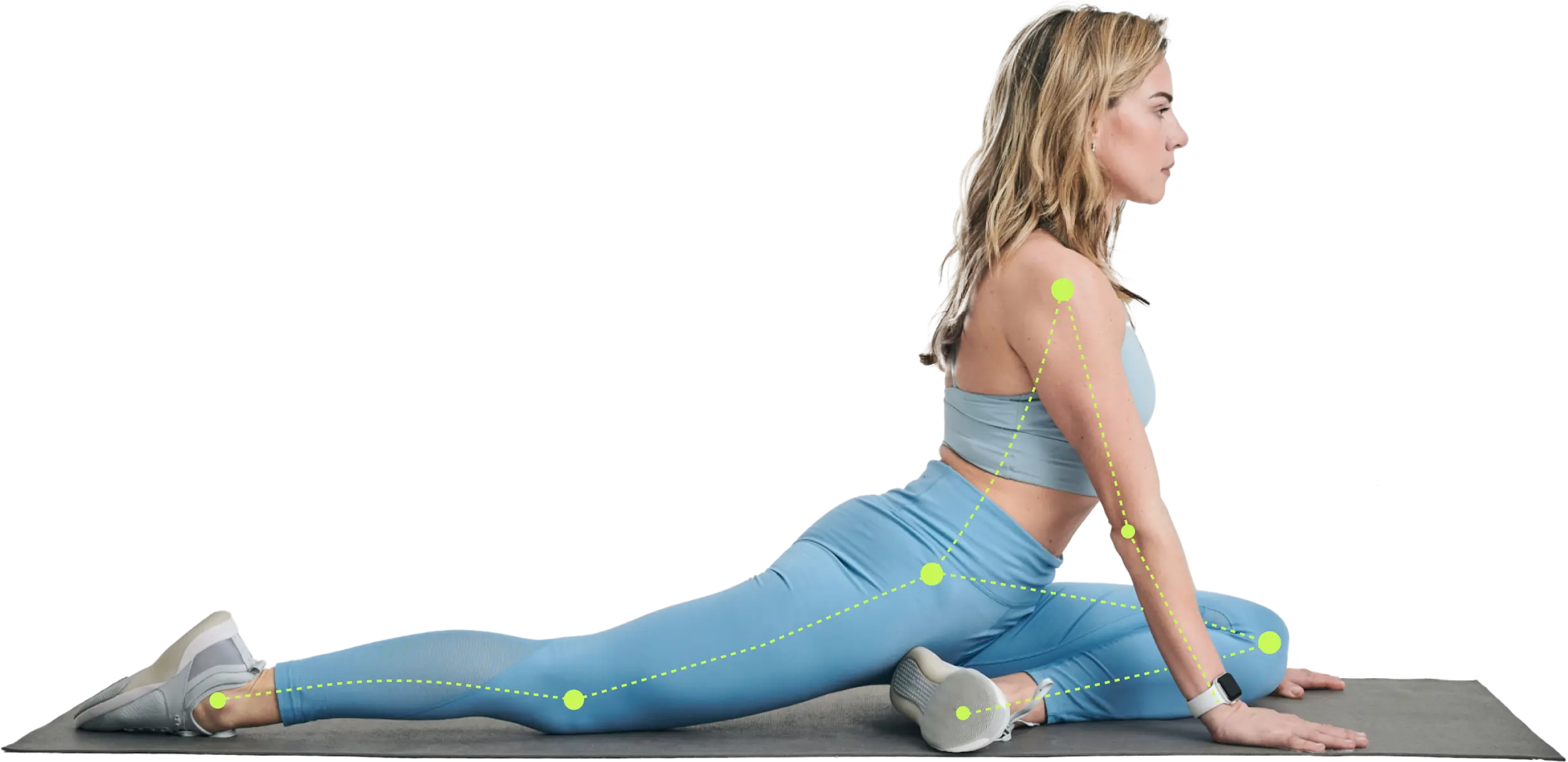
Discover the true importance of rest days for building muscle and preventing injury. Learn how smart recovery transforms your fitness and amplifies results.
It’s a classic fitness myth: the idea that progress only comes from grinding it out, day after day, without a break. But here’s the reality—the most significant gains don't happen during the workout. They happen afterward, during recovery. This is why rest days are so critically important for actually reaching your goals. True strength, endurance, and muscle growth are forged when your body has the time it needs to repair and adapt.
Why Smart Rest Is the Secret to Real Progress
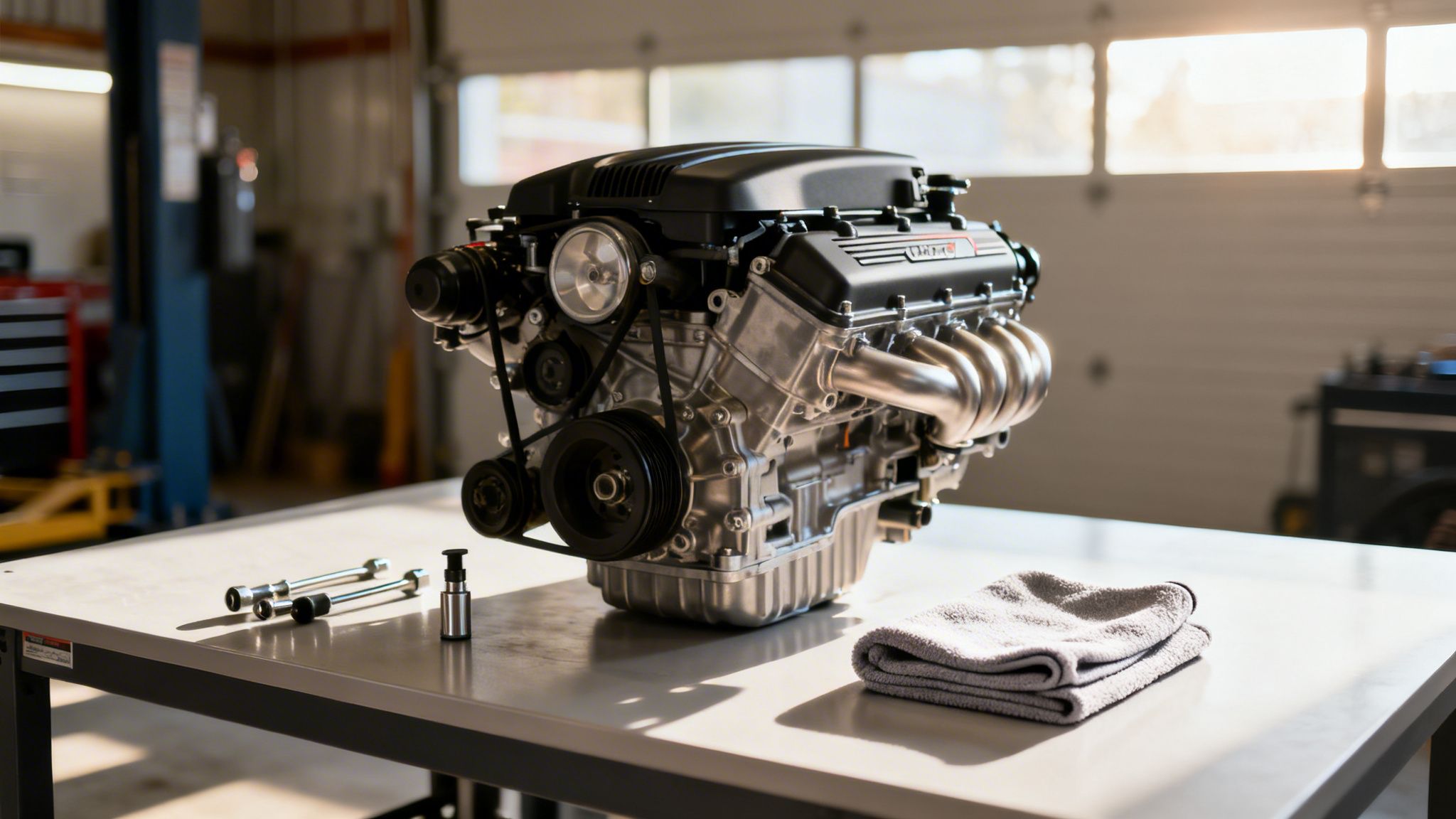
Think of your body like a high-performance engine. You can push it to the redline on race day, but running it at max RPMs constantly without proper maintenance will only lead to one thing: a breakdown. The whole "no days off" mentality is like flooring the accelerator while completely ignoring the check engine light. Sooner or later, something's going to give.
This is exactly where the strategic importance of rest days comes in. They aren't a sign of weakness or a pause on your goals. On the contrary, rest is an active, essential part of the training cycle where all the real magic happens.
The True Cost of Skipping Rest
Pushing relentlessly does a lot more than just make you tired; it actively sabotages your fitness ambitions. The constant physical stress sends your cortisol levels through the roof. This is the hormone famous for breaking down muscle tissue and encouraging your body to store fat—the exact opposite of what you want.
It also throws the crucial hormones needed for growth and recovery completely out of whack. A 2018 study found that male athletes training over seven hours a week saw a staggering 10% reduction in testosterone levels, which is the primary hormone for building muscle. This kind of hormonal dip doesn't just stall your progress; it puts your body in a state of breakdown instead of buildup.
When you start framing rest as a strategic tool, your mindset shifts. You're no longer "taking a day off"—you're "investing in a day on" for recovery. This is the key to building long-term consistency and avoiding burnout.
Building a Stronger Foundation
Effective training is really just a simple cycle of stress and adaptation. Each workout applies a controlled dose of stress, and your rest days give your body the chance to adapt and come back stronger. This concept is the bedrock of all fitness progress. To fully appreciate "Why Smart Rest Is the Secret to Real Progress," you have to understand this recovery dynamic, and this ultimate guide to the connection between exercise and sleep quality is a great place to start.
By intelligently weaving recovery into your plan, you ensure that you can consistently apply the right amount of stress to keep moving forward. This is the whole principle behind progressive overload training, which our guide explains in detail. Tools like Zing Coach take this a step further by personalizing your entire plan, making sure your rest is just as smart as your work.
How Your Muscles Get Stronger During Downtime

Here's one of the biggest paradoxes in fitness: you don't actually build muscle while you're in the gym. The heavy lifting, that final, gritty rep, the puddle of sweat on the floor—that’s just step one. The real magic, the actual growth, happens long after you've put the weights down.
Think of your muscles like a house undergoing a major renovation. Your workout is the demolition crew. Every squat, press, and curl creates tiny, controlled damage to your muscle fibers. These are called micro-tears, and while that might sound alarming, they're the non-negotiable first step to building a stronger structure.
You can't build bigger, better rooms without first tearing down the old, flimsy walls. In the same way, you can't build stronger muscles without this initial breakdown. This is where rest days become everything. Rest is the construction phase where your body finally gets to work rebuilding.
The Science of Muscle Repair and Growth
The moment your workout ends, your body’s internal repair crew clocks in. It kicks off an inflammatory response, sending specialized cells to the site of the micro-tears to clear out the "debris" and get the rebuilding process started. This is the biological engine that drives every ounce of your progress.
The star players here are satellite cells. These are incredible stem cells that hang out on the outside of your muscle fibers, just waiting for the signal. When a muscle fiber gets damaged from your workout, these cells are activated.
They multiply and then fuse to the damaged muscle fibers, donating their nuclei and other cellular materials. This fusion does two amazing things:
- It repairs the damage: The satellite cells patch up the tears, making the fiber whole again.
- It makes the fiber bigger and stronger: By adding new material, the cells increase the thickness and overall size of the muscle fiber.
This whole process of muscle fiber repair and growth is known as hypertrophy. It’s your body’s brilliant way of adapting to the stress you put it through. By taking a rest day, you’re giving your body the time and resources it needs to not just fix the damage, but to build back even stronger.
This overcompensation is called the supercompensation effect. Your body doesn't just return to its old baseline; it builds itself up to be stronger, preparing for the next time it faces a similar challenge. This is the fundamental cycle of getting stronger.
From Biology to Visible Results
This complex biological process is what translates into the real-world results you're chasing in the gym. When hypertrophy happens consistently over time, you start to see and feel the changes. More muscle size, better definition, and the ability to lift heavier weights are all direct outcomes of this repair-and-rebuild cycle.
Skipping rest days short-circuits this entire system. Without enough time to repair, the micro-tears just keep accumulating. This leads to chronic inflammation, frustrating performance plateaus, and a much higher risk of injury. That soreness you feel after a tough workout, often called Delayed Onset Muscle Soreness (DOMS), is a clear signal that your body is right in the middle of this crucial repair phase.
That’s why experts are so adamant about recovery being non-negotiable. The American College of Sports Medicine, for instance, advises at least one to two rest days a week to allow for this essential repair. It’s not just about feeling less tired—it’s about giving your body the window it needs to build the strength and physique you work so hard for.
Choosing Between Active Recovery and Passive Rest
Not all rest days are created equal. When you're planning your time off from the gym, you’ve got two main tools in your recovery toolkit: passive rest and active recovery. Figuring out the difference is a game-changer for getting the most out of your rest days, because the right choice comes down to one simple thing: listening to what your body needs to rebuild.
Here's a simple way to think about it. Passive rest is a complete system shutdown. It's like turning your computer off, letting it cool down and clear its memory for a fresh start. Active recovery, on the other hand, is like putting your computer in sleep mode—it’s still running low-level processes in the background, staying ready for action but saving energy for the main event.
What Is Passive Rest?
Passive rest is exactly what it sounds like—total downtime. This means putting your feet up and doing as little as possible physically, allowing your body to pour all its resources into deep repair. This is your green light for the couch, a good book, or catching up on some serious sleep.
During passive rest, your body gets down to the deep physiological work. Your central nervous system finally gets a break from the constant stress of training, and your muscles have uninterrupted time to heal those all-important micro-tears. This is the most profound form of recovery, and you should save it for when you're genuinely running on empty.
You should prioritize a full-on passive rest day when:
- You feel mentally and physically wiped out.
- Your muscles are screaming at you after a particularly brutal workout.
- You're spotting the early signs of overtraining, like a high resting heart rate or trouble sleeping.
- You're getting over an injury or illness.
Embracing Active Recovery
Active recovery is all about gentle, low-intensity movement. The idea is to stimulate blood flow without piling more stress onto your muscles or nervous system. Keeping the body moving in this way can actually speed up the healing process by shuttling more oxygen and nutrients to your tired muscles.
This boost in circulation helps flush out the metabolic junk left over from your workouts that contributes to muscle soreness. The goal here isn't to build fitness but to aid recovery. Think of it as a cool-down lap the day after the big race—it keeps the engine warm and stops you from seizing up.
Great examples of active recovery include:
- A light, easy walk or a gentle hike.
- A slow spin on a bike.
- A casual swim where you're just enjoying the water.
- A restorative yoga session or some light stretching.
If you're looking for something structured but still gentle, exploring low-impact strength training exercises can be a fantastic way to stay mobile without overdoing it.
Deciding Which Rest Day You Need
So, which one do you pick? The best strategy is always to listen to your body. Your energy levels, how sore your muscles are, and your overall sense of well-being are your most reliable guides. Trying to force an active recovery day when your body is begging for a full stop will only set you back.
The smartest training plans are built on a foundation of even smarter recovery. Learning to tell the difference between when you need a total shutdown versus a gentle tune-up is a skill that pays off big time in performance and injury prevention.
To make the decision a little easier, let's put them side-by-side.
Choosing Your Recovery Style: Active vs. Passive Rest
This table breaks down the two types of rest to help you decide which is best for you based on your goals, workout intensity, and how you feel.
| Recovery Type | What It Is | Key Benefits | Best For |
|---|---|---|---|
| Active Recovery | Gentle, low-intensity movement like walking, yoga, or swimming. | Increases blood flow, reduces muscle soreness, and promotes mobility. | Days when you feel stiff or mildly sore but not exhausted. Perfect for after moderate workouts. |
| Passive Rest | Complete rest with minimal physical activity. | Allows for deep muscle repair, nervous system recovery, and hormonal rebalancing. | Days of high fatigue, extreme muscle soreness, or after maximal-effort training sessions. |
At the end of the day, both active and passive rest are crucial parts of any solid fitness plan. When you learn how to use the right type of rest at the right time, you turn your days off into some of your most productive days for real, lasting growth.
Learning to Read Your Body’s Need for Rest
Your body is incredibly smart. It’s constantly sending you signals about what it needs and how ready it is to perform. While pushing your limits is how you get stronger, learning to recognize when your body is waving a white flag is just as crucial. Ignoring those signs is the fastest way to hit a plateau or, worse, get sidelined by an injury.
To really understand the importance of rest, you have to develop a new skill: listening to your body’s unique feedback. This goes way beyond just feeling a bit tired after a workout. It’s about recognizing the specific red flags that mean you’re tipping from productive stress into destructive overtraining.
Key Signs Your Body Is Begging for a Break
Persistent muscle soreness—what we often call Delayed Onset Muscle Soreness (DOMS)—is one of the most obvious signals. If you’re still significantly sore more than 48-72 hours after a workout, your muscles simply haven’t had enough time to repair those micro-tears. Pushing through this state just digs you into a deeper recovery hole.
Another major red flag is a sudden drop in your performance. Do weights that felt manageable last week suddenly feel impossibly heavy? Does your usual running pace feel like an all-out sprint? That's your nervous system telling you it’s fatigued and can’t recruit muscle fibers effectively.
You should also keep an eye out for these signals:
- Elevated Resting Heart Rate: Check your heart rate first thing in the morning, before you even get out of bed. If it's consistently 5-10 beats per minute higher than your usual baseline, it’s a classic sign your nervous system is in overdrive trying to catch up.
- Mood Swings and Irritability: Overtraining messes with your hormones, often leading to a spike in cortisol. This can make you feel unusually irritable, anxious, or just plain unmotivated. If you find yourself snapping for no reason, your body might be crying out for a break.
- Sleepless Nights: You’d think being exhausted would make you sleep like a rock, but the opposite is often true. Overtraining can make it hard to fall or stay asleep, robbing you of the most critical recovery window you have.
This simple decision tree can help you choose the right type of rest based on how you’re feeling.
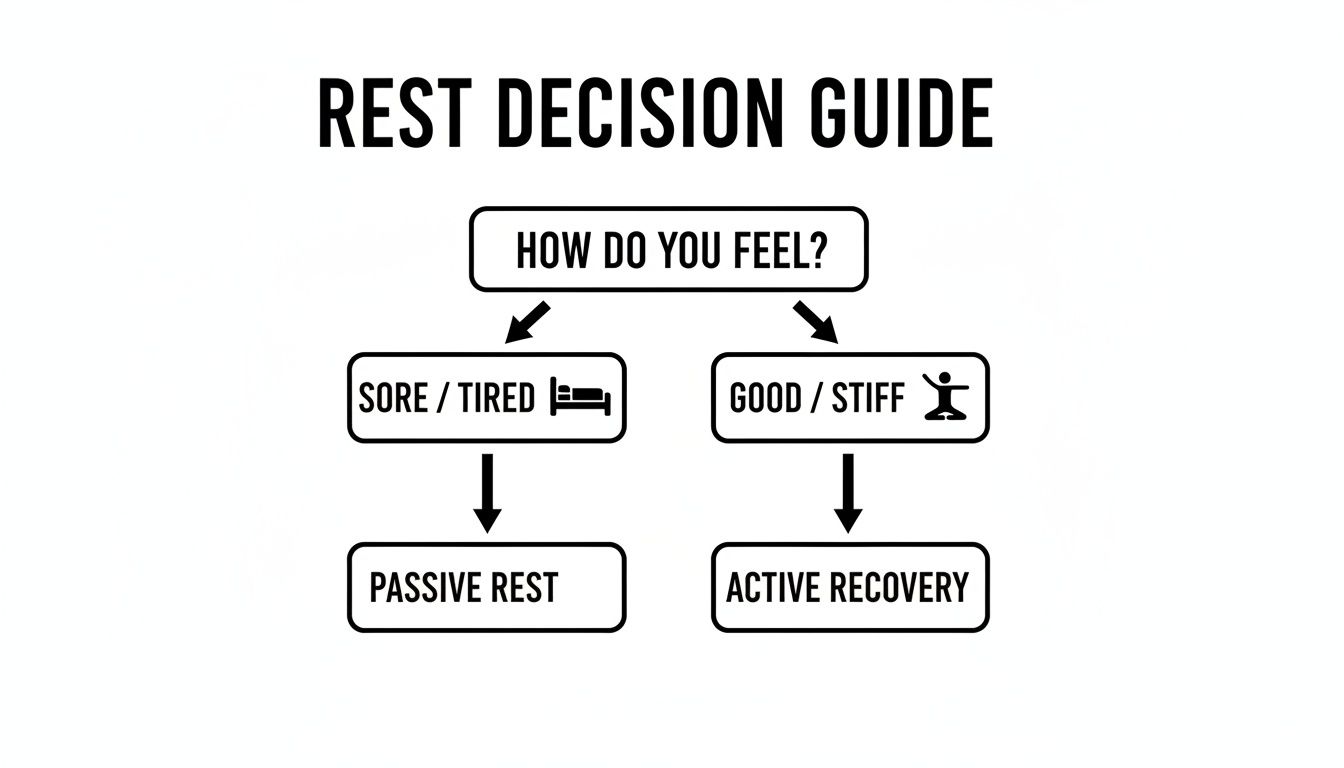
The big takeaway here is that your body's feedback should directly guide your recovery strategy. It helps you distinguish between the deep fatigue that demands passive rest and the minor stiffness that can actually benefit from some light movement.
How Technology Can Help You Listen
Honestly, building this kind of self-awareness takes time and practice. The good news is you don't have to go it alone. Modern fitness tools can act as your personal fatigue detector, helping you interpret these subtle signals before they snowball into a major problem.
Think of it like this: your body speaks its own language, and technology can be the translator. It takes the guesswork out of recovery by turning biological feedback into clear, actionable advice.
For example, the AI in Zing Coach connects to your health data to monitor trends in your sleep and activity levels. When it spots signs of accumulated fatigue—like a few nights of poor sleep combined with high-intensity training—it can intelligently tweak your schedule. The app might automatically suggest a lighter workout or a full rest day, making sure your plan adapts to your body's real-time needs and stopping burnout before it even starts.
Fueling Your Recovery for Maximum Gains

What you do in the kitchen on a rest day is just as critical as what you don't do in the gym. Think of your body after a tough workout as a construction site. The demolition is done, but the crew has no materials to rebuild with. Nutrition, hydration, and sleep are those raw materials—the lumber, concrete, and overnight crew that turn all that hard work into real results.
Skimping on your recovery fuel is like expecting a house to build itself. It just won't happen. A proper rest day is an active process of refueling and rebuilding from the inside out. To really lock in your gains, getting proper nutrition for recovery is every bit as important as the rest itself.
The Building Blocks of Recovery
Your body needs a strategic mix of macronutrients to repair muscle tissue, restock energy reserves, and cool down inflammation. Each one has a specific, vital job to do.
Protein: The Master Repair Crew: This is non-negotiable. Protein supplies the amino acids needed to patch up those tiny muscle tears and build them back stronger than before. Make sure you're getting quality sources like lean meat, fish, eggs, or legumes on your rest day to support muscle growth.
Carbohydrates: The Energy Refill: Your workouts burn through your muscles' main fuel source, glycogen. Complex carbs from foods like sweet potatoes, oats, and whole grains are perfect for restocking these energy tanks so you're ready to go for your next session.
Healthy Fats: The Inflammation Fighters: Hard training naturally creates some inflammation. Healthy fats, especially the omega-3s you find in avocados, nuts, and salmon, act like a natural anti-inflammatory, helping to ease soreness and keep your joints happy.
Hydration: The Cleanup Crew
Water is so much more than a thirst quencher. It’s the delivery truck that transports all those vital nutrients to your muscle cells. It also plays a huge role in flushing out the metabolic waste that builds up during exercise. Being dehydrated can put the brakes on your recovery, leaving you feeling sluggish and extra sore.
Your hydration goals don't change just because it's a rest day. Sipping water consistently is essential for moving nutrients, clearing out waste, and keeping everything running smoothly.
Sleep: The Ultimate Growth Phase
Sleep is easily the most powerful recovery tool in your arsenal, and the best part is, it's free. This is when your body releases its highest concentration of Human Growth Hormone (HGH), a major player in repairing tissue and building muscle. If you're serious about your fitness, getting enough high-quality sleep is an absolute must.
The link between sleep and performance is crystal clear. Sleep deprivation is linked to lower HGH and higher levels of the stress hormone cortisol, which can slash your endurance by 10–20%. By making sleep a priority, you turn your downtime into your most productive training time.
Want a full breakdown of other effective recovery strategies? Check out our complete guide to the best workout recovery tips.
How Zing Coach Builds Smarter Recovery into Your Plan
Generic fitness plans often bolt on rest days as an afterthought, using a one-size-fits-all schedule that completely ignores what your body is telling you in real-time. This is exactly where most plans fall apart. Real, lasting progress hinges on a training schedule that knows when to floor it, and just as critically, when to ease off the gas.
Think of Zing Coach less like a static calendar and more like a savvy training partner who builds recovery right into your fitness journey from day one. It doesn't guess what you need; it uses your own data to make smart decisions that shield you from overtraining and push your results to the next level.
Your Personal Recovery Blueprint
The personalization starts the second you fire up the app. Zing Coach pieces together a complete picture of your fitness and recovery capacity by integrating a few key data points:
- Initial Fitness Test: This gives us your baseline for strength and endurance, setting the stage for workouts that are challenging but never crushing.
- Body Composition Scan: Understanding your unique body makeup helps the app tailor recommendations that actually align with your goals, whether that’s packing on muscle or shedding fat.
- Apple Health Data: Syncing your health data pulls in crucial context, like your sleep patterns and daily activity levels—two massive factors in how well you can bounce back.
This initial data haul creates your unique fitness profile, which lets the AI build a plan that respects where you’re starting from and what you need to recover. You can dive deeper into this data-driven approach by reading about the Zing Coach methodology.
Intelligent Auto-Adaptation in Action
Here’s where the magic really happens. Zing Coach uses an auto-adaptation feature that turns your plan into a living, breathing schedule. It’s constantly listening to your feedback and health metrics, making tweaks on the fly to keep you training in that sweet spot.
Let's say you had a terrible night's sleep. Instead of forcing you through a brutal leg day, the app might automatically dial back the intensity or swap your workout for an active recovery session. It listens to your body’s signals so you don’t have to play the guessing game.
This intelligent response system is your best defense against the downward spiral of overtraining. Data from WHOOP shows that users who opted for low-strain activities on high-fatigue days were 2.3 times less likely to face another exhausting day compared to those who just pushed through. Smart recovery breaks the cycle.
By automatically adjusting your training load based on your real-world condition, Zing Coach makes sure every rest day is purposeful. It transforms your plan from a simple workout log into a dynamic system that trains you hard but helps you recover even harder. That’s the key to staying consistent, avoiding burnout, and making progress that actually sticks.
Your Questions About Rest Days Answered
Even when you know the science, a few nagging questions and myths about rest days can still cause some confusion. Let's clear the air and tackle the most common concerns so you can fully embrace rest as part of your training.
One of the biggest fears I hear is that a day off will wipe out all your hard-earned progress. This is a classic myth. In reality, a single day of rest has zero negative impact on your strength, muscle mass, or endurance. In fact, it's the exact opposite—your muscles repair and grow stronger during this downtime. Taking a day off is what actually cements your gains, making you better prepared for whatever you throw at yourself in the next workout.
How Many Rest Days Do I Actually Need?
There's no magic number here. The ideal amount of rest depends on your training intensity, how long you've been at it, and most importantly, how your body feels. Listening to your body is always priority number one, but here are some solid guidelines to get you started.
- For Beginners: Your body is still getting used to the new physical stress, so more recovery is absolutely key. Aim for 2-3 rest days per week. It’s best to space them out rather than taking them consecutively.
- For Intermediate/Advanced Lifters: You’ve built up a higher work capacity, which means you can often train more frequently without overdoing it. Aim for 1-2 rest days per week.
Globally, experts from the American Council on Exercise suggest that people doing high-intensity exercise should schedule a rest day every 7-10 days, with some needing two per week. In the US, where CDC guidelines recommend 150 minutes of moderate activity weekly, folks who blow past this without adequate rest can see their injury risk spike by up to 30%. If you want to dive deeper, you can discover more insights about rest day frequency and its performance impact.
Should I Eat Less on My Rest Days?
It’s a common impulse: "I didn't train, so I should cut way back on calories." This can be a huge mistake. Your body's metabolic rate actually stays elevated on rest days because it's working overtime to repair muscle tissue and top off your glycogen stores. This whole process requires a ton of energy and nutrients.
Think of your rest day nutrition as fuel for reconstruction. Severely cutting calories deprives your body of the essential raw materials—protein and carbs—it needs to rebuild and come back stronger for your next session.
You might not need as many carbohydrates as you would on a heavy leg day, but you absolutely should consume enough calories and prioritize protein to support muscle protein synthesis. Drastically slashing your intake will only sabotage your recovery and undo all that hard work you put in at the gym.
Ready to take the guesswork out of your training and recovery? The Zing Coach AI builds a dynamic workout plan that adapts to your body's real-time needs, intelligently scheduling rest days so you can achieve your goals faster without burnout. Start your personalized journey today at https://zing.coach.
Share this article


Authors