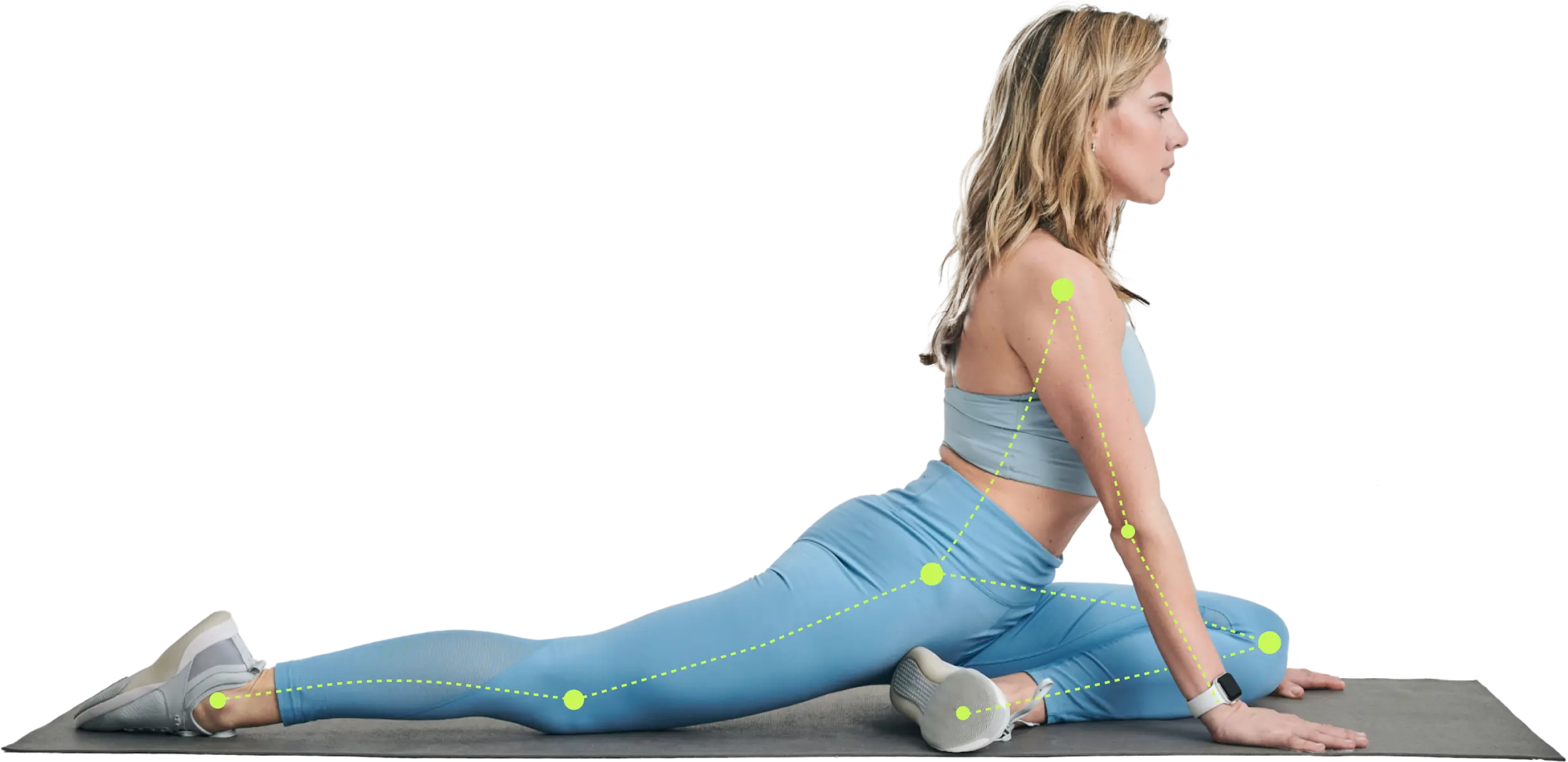
Discover how to lose weight safely with sustainable, science-backed strategies for nutrition, exercise, and mindset. Your practical guide to lasting results.
Losing weight safely isn't about extreme diets or quick fixes. It's about creating a moderate calorie deficit and aiming for a sustainable loss of 1-2 pounds per week. Real, lasting success comes from combining smart nutrition with consistent exercise and solid recovery. This is how you protect your metabolism and build habits that actually stick.
The Real Foundation of Safe and Sustainable Weight Loss
Jumping into a weight loss plan can feel overwhelming. There are a million fad diets and quick-fix promises out there, all pulling you in different directions. But the truth is, losing weight safely and keeping it off isn't about dramatic, short-term changes. It's about building a solid foundation of habits you can live with.
This guide is designed to cut through that noise. We're going to focus on the core principles that deliver lasting results without wrecking your health. Forget chasing fast, fleeting results that only lead to burnout and rebound weight gain. It's time to learn a balanced method.
Setting Realistic Expectations
The very first step is to shift your mindset from "losing weight fast" to "losing weight for good." A healthy, sustainable rate is about 1-2 pounds per week. I know that might not sound as exciting as losing 10 pounds in seven days, but this steady pace is far more likely to be actual fat loss—not just water weight or, worse, precious muscle.
Think of it like building a house. You wouldn't rush the foundation, right? You know the entire structure depends on it being solid. Your health is exactly the same. Building slowly and correctly ensures the results will stand the test of time.
This visual below breaks down the simple, proven process for safe weight loss that we'll explore in detail.
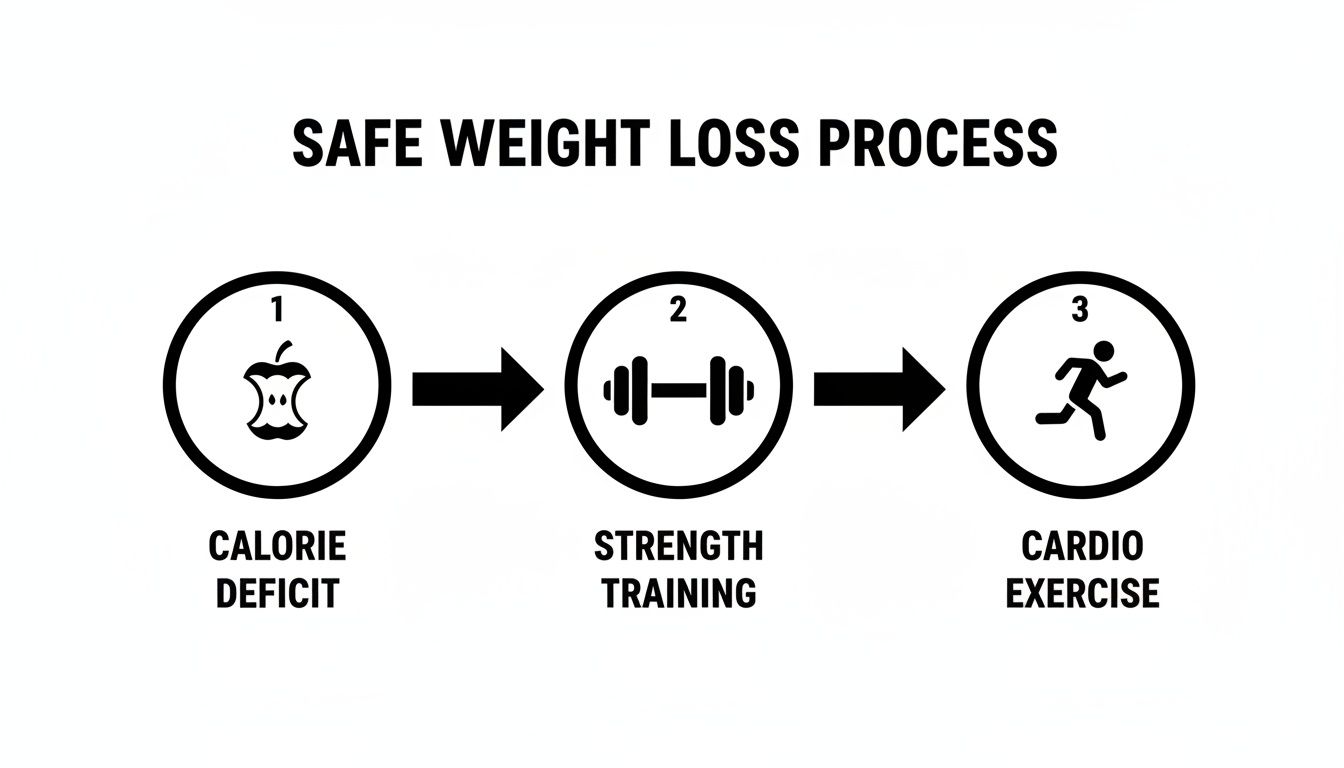
As you can see, success isn't about one single action. It’s about the synergy of creating a calorie deficit, building strength, and adding consistent cardio.
Why Safe Weight Loss Matters More Than Ever
To put it simply, the challenge of managing weight is growing at an alarming rate worldwide. Adopting a safe approach isn't just a personal preference—it's a critical health priority.
Picture this: back in 2010, about 524 million adults globally were grappling with obesity. Fast-forward to projections for 2030, and that number is expected to skyrocket by more than 115% to a staggering 1.13 billion people. This explosive growth isn't just a statistic; it's a massive wake-up call for strategies that actually work without putting health at risk.
The goal is not just to see a lower number on the scale. It's to improve your energy, strength, and overall well-being for years to come. This is the difference between dieting and adopting a healthier lifestyle.
Safe vs Unsafe Weight Loss At a Glance
It can be tough to distinguish between a healthy approach and a dangerous fad. This table breaks down the key differences so you know what to look for—and what to avoid.
| Characteristic | Safe Weight Loss | Unsafe Weight Loss |
|---|---|---|
| Rate of Loss | Slow and steady: 1-2 pounds per week. | Rapid and drastic: More than 2 pounds per week. |
| Nutrition | Balanced diet with a moderate calorie deficit; includes all food groups. | Extreme calorie restriction, elimination of entire food groups, liquid diets. |
| Exercise | Combination of strength training and cardio. | Excessive, obsessive exercise or no exercise at all. |
| Sustainability | Focuses on long-term habit change. | A "quick fix" approach that is impossible to maintain. |
| Health Outcomes | Improved energy, muscle retention, better metabolic health, and lasting results. | Muscle loss, nutrient deficiencies, fatigue, metabolic damage, rebound weight gain. |
| Mental State | Promotes a healthy relationship with food and body. | Can lead to disordered eating, anxiety, and feelings of failure. |
Ultimately, the right path is the one that supports your physical and mental health for the long haul.
Core Principles You Will Master
This guide will walk you through the essential components of a successful and safe weight loss plan. You don't have to figure this out alone.
Here’s what you’ll learn to master:
- Building a Sensible Calorie Deficit: Discover how to eat slightly less than your body burns without feeling starved or deprived.
- Leveraging Strength Training: Learn why building muscle is your secret weapon for boosting metabolism and reshaping your body.
- Finding Cardio You Enjoy: Move beyond the treadmill and find activities that get your heart rate up and feel more like fun than a chore.
- Making Recovery a Priority: Understand why sleep and rest are just as important as your workouts for achieving your goals.
Mastering these areas requires a clear starting point. For a deeper dive into creating that powerful first step, check out our guide on how to set fitness goals. Setting the right targets from day one makes the entire process more manageable and motivating. By focusing on these pillars, you create a system that supports your body, fits your life, and finally delivers the permanent results you've been looking for.
Mastering Nutrition Without the Extreme Diets
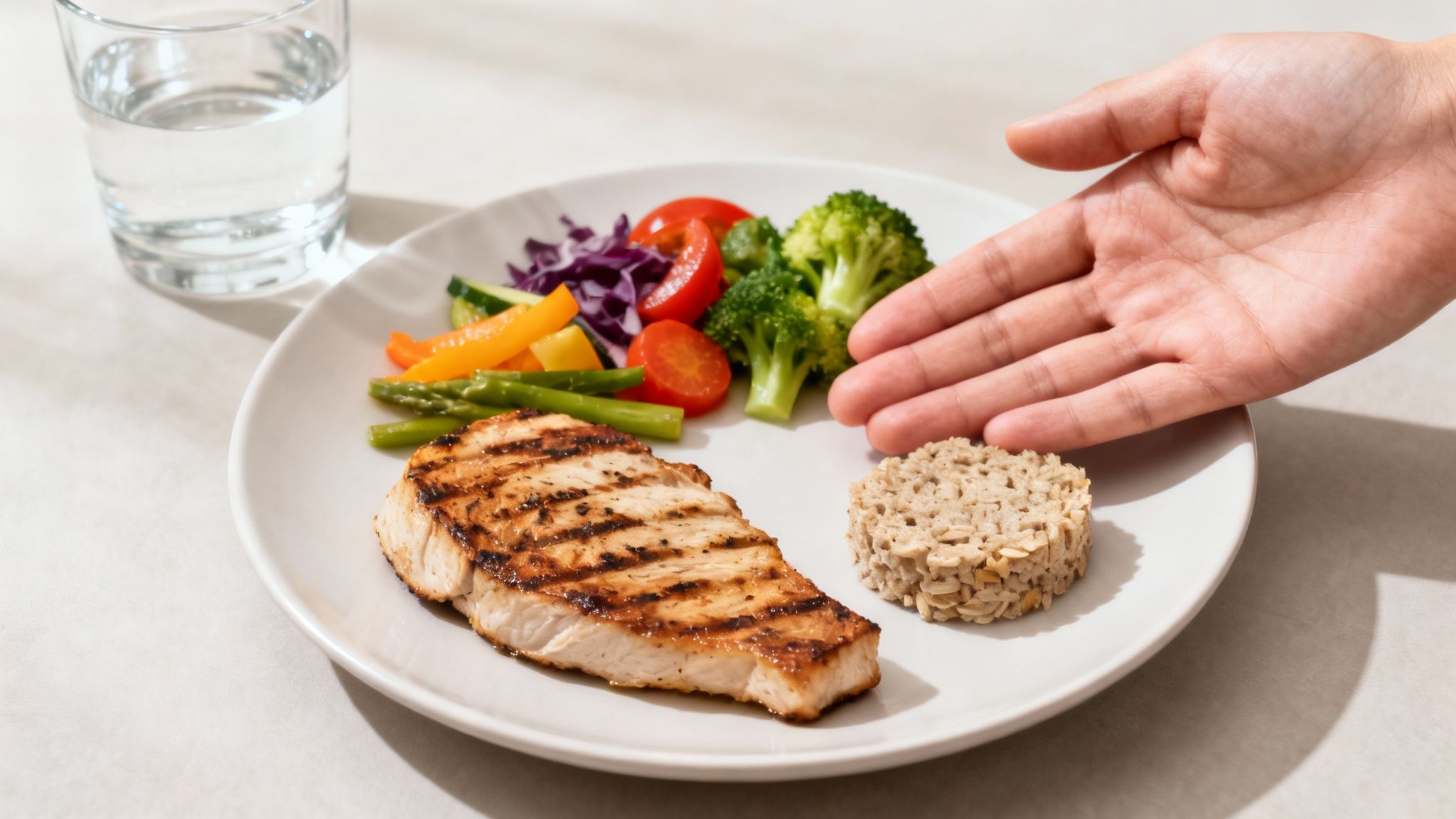
Let’s clear the air: effective nutrition for weight loss isn’t about punishing restrictions or saying goodbye to your favorite foods forever. The most successful approach isn't a "diet" in the traditional sense. It's about making smart, sustainable choices that fuel your body properly without making you feel miserable.
It all boils down to a gentle calorie deficit. This simply means you’re consuming slightly fewer calories than your body is burning each day. We're not talking about starvation here. A modest—and much more effective—deficit is only about 300-500 calories below what you need to maintain your current weight. That small gap is enough to encourage steady fat loss without sending your system into panic mode.
Understanding Your Body's Energy Needs
Before you can create that deficit, you need a baseline. How much energy does your body actually use in a day? This isn't just a random guess; it's based on two key numbers that are easier to figure out than they sound.
- Basal Metabolic Rate (BMR): Think of this as your body's "lights on" energy. It's the minimum calories needed for basic functions like breathing, circulation, and cell repair if you were just resting in bed all day.
- Total Daily Energy Expenditure (TDEE): This is the number that really matters. It starts with your BMR and then adds in all the calories you burn from daily life—walking, working, and of course, your workouts. Your TDEE is your daily "maintenance" calorie target.
Once you have your TDEE, the rest is simple math. Subtracting 300-500 calories from that number gives you a personalized daily calorie goal that will promote safe weight loss, not exhaustion. If you want to dive deeper into the numbers, you can learn more about how to calculate daily calorie needs in our article.
The Power of Quality Over Quantity
While hitting your calorie target is important, the quality of those calories makes all the difference in how you feel. A 300-calorie snack of chips and soda affects your body very differently than a 300-calorie plate of grilled chicken and broccoli. This is where your macronutrients—protein, carbs, and fats—enter the picture.
Getting the right balance is crucial for holding onto muscle, controlling hunger, and keeping your energy levels stable. For example, making protein a priority at every meal is a game-changer. It’s been shown to help you feel fuller for longer and protects your hard-earned muscle as you lose fat, which is key to keeping your metabolism humming.
The goal isn't just to eat fewer calories; it's to get more nutritional value out of every calorie you consume. This shift from restriction to nourishment is the key to making your new habits last.
Practical Strategies for Everyday Success
Knowing the science is great, but applying it during a busy week is what counts. You don't need to live and die by a food scale. Simple, real-world habits are what stick around for the long haul.
Use Your Hand for Portion Control
This is a ridiculously simple visual guide that works anywhere, anytime.
- Protein (Palm): A serving of meat, fish, or poultry is about the size and thickness of your palm.
- Vegetables (Fist): Aim for a serving of non-starchy veggies (broccoli, spinach, peppers) roughly the size of your closed fist.
- Carbohydrates (Cupped Hand): A serving of carbs like rice or potatoes should fit nicely in your cupped hand.
- Fats (Thumb): Healthy fats from sources like nuts, seeds, or oils should be about the size of your thumb.
This trick helps you build balanced meals without obsessively measuring everything, making portion awareness second nature.
Read Nutrition Labels Like a Pro
When you grab packaged foods, don't get overwhelmed. Just focus on a few key details to make a quick, smart choice. Always check the serving size first—it’s amazing how many packages contain 2 or 3 servings. Next, glance at the protein and fiber content; higher numbers usually mean it will keep you full longer. Finally, keep an eye on added sugars and sodium.
Hydration: Your Underestimated Ally
Water might be the most overlooked tool in weight management. It's so easy to mistake thirst for hunger, which leads to grabbing a snack you don't really need. Staying hydrated helps curb your appetite, can give your metabolism a slight boost, and improves your energy for workouts. Make it a habit to drink water throughout the day, especially before meals.
Building a Stronger Body for a Faster Metabolism

While your diet creates the calorie deficit that makes weight loss possible, strength training is what truly reshapes your body and cranks up your metabolism for the long haul. It's the most powerful tool you have to make sure the weight you're dropping is fat, not your precious, metabolism-driving muscle.
Many people still think endless cardio is the key to fat loss, but they're missing a huge piece of the puzzle. When you lift weights, you create tiny micro-tears in your muscle fibers. Your body then has to burn energy (calories) to repair and rebuild those fibers even stronger than before.
This repair process doesn't just stop the minute you drop the weights. Your metabolism stays elevated for hours—sometimes even days—after your workout as your body recovers. This is the "afterburn effect," and it turns you into a more efficient calorie-burning machine, even when you're just relaxing on the couch.
Your Secret Weapon Against Metabolic Slowdown
One of the trickiest parts of losing weight is that your metabolism naturally starts to slow down as you get smaller. A lighter body simply requires less energy to function. This is where building muscle becomes your secret weapon.
A pound of muscle torches more calories at rest than a pound of fat. By adding even a small amount of lean muscle through strength training, you're directly increasing your body's baseline energy needs. This makes it far easier to maintain your results without having to slash your calories to miserable levels.
These individual efforts are more important than ever. Projections show that from 2010 to 2030, severe obesity is set to skyrocket by nearly 150% worldwide. Proven strategies are essential, and the data is clear: combining strength training with cardio can lead to 1.5-2.5 kg more fat loss over six months compared to dieting alone, all while protecting that vital muscle mass. You can dive deeper into these insights in the World Obesity Atlas 2025.
A Beginner-Friendly Strength Plan
Getting started doesn't mean you need to live in the gym or lift ridiculously heavy weights. The real key is focusing on compound movements—big exercises that work multiple muscle groups at the same time. This approach gives you the most bang for your buck, saving you time and delivering better results.
A simple, effective plan for a beginner could look like this:
- Frequency: Aim for 2-3 full-body workouts per week on non-consecutive days (like Monday, Wednesday, and Friday). This gives your muscles the time they need to recover and grow stronger.
- Structure: For each exercise, shoot for 3 sets of 8-12 repetitions. You should be using a weight that makes the last couple of reps feel tough, but not impossible to complete with good form.
Here are five foundational compound exercises to build your routine around:
- Squats: The undisputed king of lower-body exercises, hitting your quads, glutes, and hamstrings.
- Push-Ups: A killer upper-body move for your chest, shoulders, and triceps. Don't be afraid to start on your knees!
- Rows: Absolutely essential for building a strong back and fixing your posture. You can use dumbbells, resistance bands, or a cable machine.
- Overhead Press: Targets your shoulders and builds serious upper-body strength.
- Glute Bridges: A simple but incredibly effective move for firing up and strengthening your glutes and core.
Remember, the goal isn't to obliterate yourself in every single workout. Consistency and gradually getting stronger over time is what matters. Nail your form before you even think about piling on more weight.
How to Progress Safely and See Results
Your body is smart. It adapts to whatever challenges you throw at it. To keep making progress, you have to keep challenging it in a structured way. This principle is called progressive overload.
And no, it doesn't always mean lifting heavier. You can also progress by:
- Adding more reps: If you did 3 sets of 8 reps last week, try for 3 sets of 9 or 10 reps this week with the same weight.
- Adding another set: Once you can comfortably hit 3 sets of 12, maybe it's time to add a fourth set.
- Reducing rest time: Try cutting your rest periods between sets from 90 seconds down to 60.
This gradual increase in demand is the signal your body needs to keep building muscle and strength. The Zing Coach app actually automates this process, adjusting your workouts based on your performance and feedback to ensure you're always moving forward safely.
For more workout ideas, check out our guide on strength training for weight loss. When you combine smart nutrition with a consistent, progressive strength plan, you create an unstoppable formula for safe, effective, and lasting fat loss.
Prioritizing Recovery, Sleep, and Stress Management
The hard work you put in at the gym and in the kitchen is only half the story. The real magic happens when you rest—that's when your body repairs muscle, burns fat, and solidifies all your progress.
Recovery isn't just about taking a day off. It’s an active, powerful process that drives your results, dictates your energy levels, and ultimately determines whether you can stay consistent for the long haul. Many people think the answer to faster results is pushing harder, but often, the key is to intentionally slow down.
Ignoring recovery, especially sleep and stress, will sabotage even the most dialed-in diet and exercise plan. Think of it as the foundation holding everything else up.
How Sleep Controls Hunger and Cravings
Ever had a terrible night's sleep and found yourself craving junk food the next day? That's not a lack of willpower; it’s your biology taking over. Sleep deprivation throws the two hormones that control your appetite completely out of whack.
- Ghrelin (The "Go" Hormone): Ghrelin is the hormone that signals hunger to your brain. When you don't get enough sleep, your body pumps out more of it, sending powerful hunger signals that are almost impossible to ignore.
- Leptin (The "Stop" Hormone): On the flip side, leptin tells your brain you're full. When you're sleep-deprived, leptin levels plummet, meaning you feel less satisfied after meals and are far more likely to overeat.
This hormonal chaos is a perfect storm for weight gain. You're hungrier than usual, the food you eat is less satisfying, and you're biologically driven toward the high-calorie foods that derail your goals.
Making quality sleep a non-negotiable is one of the single most effective things you can do to manage cravings. If you're struggling, check out these tips on how to improve sleep quality and start waking up refreshed.
Taming the Stress Hormone: Cortisol
Stress is the other silent killer of weight loss. When you're chronically stressed—whether from your job, your life, or even from overtraining—your body floods your system with a hormone called cortisol.
While cortisol is useful in short bursts (think fight-or-flight), constantly high levels can wreak havoc.
It cranks up your appetite, specifically for those "comfort foods" loaded with sugar and fat. To make matters worse, it tells your body to store fat, especially around your midsection. This is why stress often leads to that stubborn belly fat that just won’t budge, no matter how much you diet or exercise.
Learning to manage your stress isn't just a mental health practice; it's a physiological necessity for effective fat loss. You simply can't out-train a body that's constantly in a state of high alert.
Simple Steps for Better Recovery
You don’t need a bunch of fancy, expensive gadgets to make a huge difference in your recovery. It’s the small, consistent habits that really move the needle.
Weaving these simple practices into your daily routine helps your body repair itself, balances your hormones, and keeps you mentally locked in on your journey.
Improve Your Sleep Hygiene
- Stick to a Schedule: Try going to bed and waking up around the same time every day—yes, even on weekends. This helps regulate your body's internal clock.
- Create a Sleep Sanctuary: Make your bedroom dark, quiet, and cool. Blackout curtains and a lower thermostat setting can work wonders for your sleep quality.
- Power Down Your Screens: The blue light from your phone, tablet, and TV messes with melatonin, the hormone that helps you sleep. Put all devices away at least an hour before bed.
Incorporate Active Recovery and Stress Management
- Go for a Mindful Walk: A gentle walk, especially out in nature, is a fantastic way to lower cortisol, clear your head, and get some blood flowing to sore muscles.
- Practice Deep Breathing: When you feel stress creeping in, just stop. Take five minutes to sit quietly and focus on slow, deep breaths that make your belly rise and fall. It’s a simple trick that can instantly calm your entire nervous system.
- Schedule Your Rest Days: Your muscles don't get stronger in the gym; they grow while you rest. Treat your rest days with the same importance as your training days. They are a non-negotiable part of the plan.
For more great ideas on how to make the most of your downtime, check out these essential workout recovery tips. By making sleep and stress management a priority, you create the perfect environment for your body to shed fat, build strength, and truly thrive.
Tracking Progress and Overcoming Inevitable Plateaus
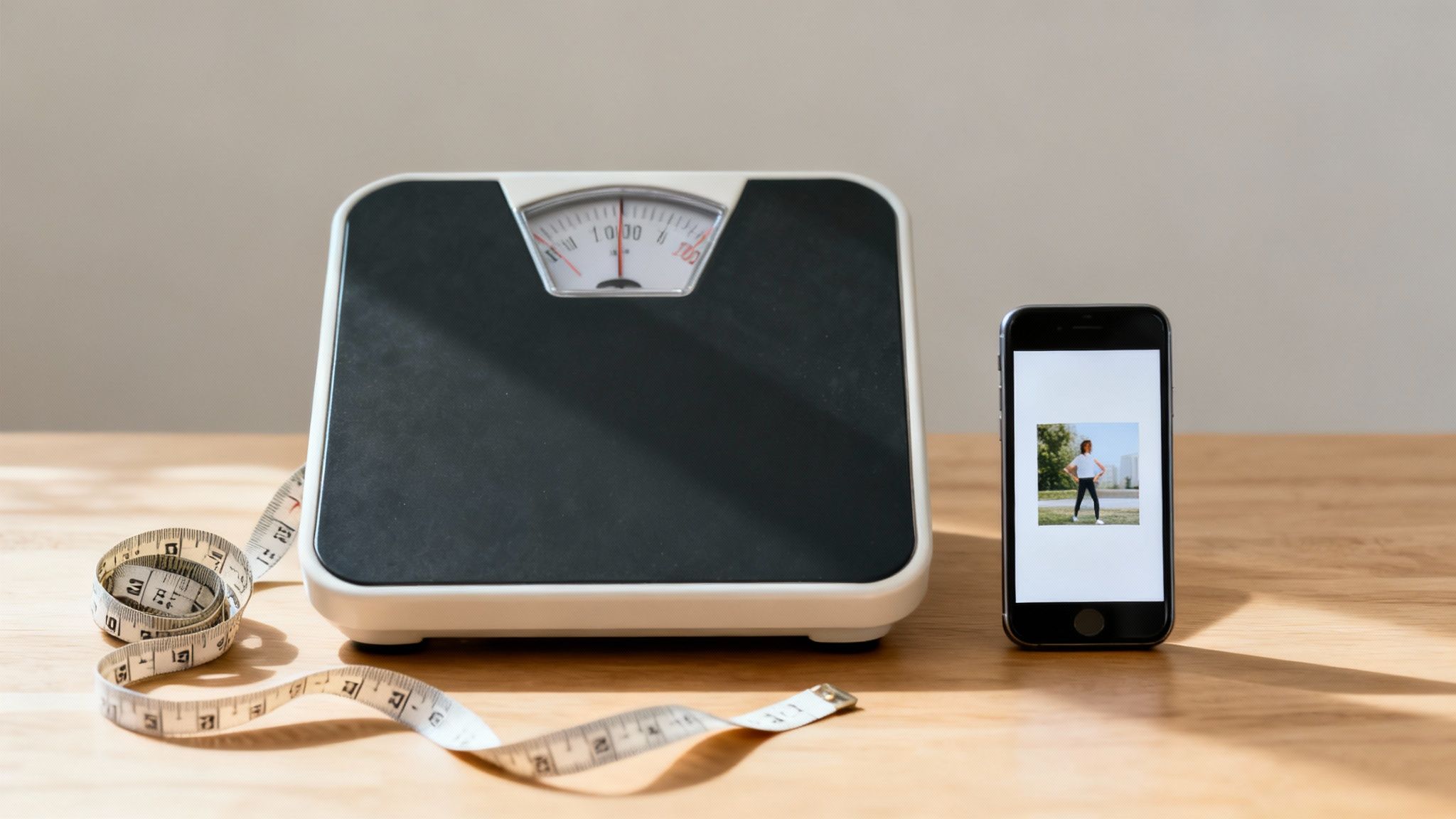
It’s so easy to get fixated on the number on the scale. But that number? It only tells a tiny fraction of your success story. Your body weight can swing by several pounds every single day thanks to things like water retention, salt intake, and even the time you weigh yourself.
If you rely only on the scale, you're setting yourself up for a rollercoaster of frustration. Real progress is so much more than that—it’s about how you feel, how your clothes fit, and the powerful habits you’re building day by day.
Look Beyond the Scale for the Real Wins
Here's something that trips a lot of people up: when you combine smart nutrition with consistent strength training, your body composition changes in some pretty incredible ways. You’re losing fat while building or preserving lean muscle.
And since muscle is much denser than fat, it's entirely possible for the scale to stay the same—or even tick up slightly—while you're visibly getting leaner. This is why you need to broaden how you measure success. It’s the key to staying motivated.
- Body Measurements: Once a month, grab a flexible measuring tape and record the circumference of your waist, hips, chest, and thighs. These numbers often shrink even when the scale is being stubborn.
- Progress Photos: A picture really is worth a thousand words. Every 4-6 weeks, snap a few photos from the front, side, and back. Try to wear the same outfit in the same lighting. The visual changes can be absolutely astonishing and are a huge motivator.
- Non-Scale Victories (NSVs): These are the real-life benefits that make all the hard work worth it. Did you have more energy to chase your kids around the park? Are you sleeping soundly through the night? Did you just lift a heavier weight at the gym? Celebrate these wins!
The Zing Coach app can help you monitor all of this with its Body Composition Scan, which tracks the shifts between fat and lean mass. It gives you a much clearer, more accurate picture of your progress than any scale ever could.
What to Do When Progress Grinds to a Halt
Sooner or later, everyone hits a weight loss plateau. It’s not just normal; it’s an expected part of the process. Your body is an amazing machine that’s simply adapted to your new calorie intake and exercise routine. What worked for the first ten pounds might not be enough to shift the next five.
A plateau isn't a sign that you've failed. It’s just a signal that it’s time to make a strategic adjustment.
Globally, 1 in 8 people were living with obesity in 2022, a rate that has more than doubled since 1990. Major health organizations recommend a 5-10% body weight reduction over six months to drastically cut health risks. Detailed tracking helps prevent the common yo-yo effect by showing you how to gain lean mass while losing fat—a critical factor for long-term success. You can read more about these global health insights on news.gallup.com.
A weight loss plateau isn't a wall; it's a crossroad. It's your body's way of asking, "What's next?" Your job is to give it a new, intelligent challenge.
Your Checklist for Busting Through a Plateau
When the scale hasn't budged for a few weeks, don't panic. Just work through this checklist to figure out what's going on and get things moving again. It's a systematic way to troubleshoot without making drastic, unsustainable changes.
- Re-evaluate Your Calories: As you lose weight, your body's daily energy needs (your TDEE) actually decrease. The calorie target that helped you lose the first 15 pounds might now be your new maintenance level. Recalculate your numbers for your current weight and adjust your intake to create a new deficit.
- Turn Up the Intensity: Your body has probably adapted to your current workout routine. It's time to introduce a new challenge. This doesn’t mean longer workouts—it means smarter ones. Try adding an extra set to your strength exercises, cutting your rest periods short, or weaving some high-intensity interval training (HIIT) into your cardio sessions twice a week.
- Prioritize Protein and Fiber: Take an honest look at your meals. Are you getting enough protein and fiber? Both are crucial for feeling full and satisfied, which helps you stick to your calorie goals without feeling deprived.
- Check In on Stress and Sleep: As we've mentioned, high cortisol levels and poor sleep can bring fat loss to a screeching halt. If you've been burning the candle at both ends, your best move might be to focus on getting 7-9 hours of quality sleep and adding stress-reducing activities like walking or meditation.
By making small, methodical tweaks, you can gently nudge your body out of its comfort zone and get back on track. For a deeper dive, check out our detailed guide on how to break through a weight loss plateau in our article. This knowledge empowers you to stay in control, overcome any obstacle, and keep moving confidently toward your goal.
Got Questions About Safe Weight Loss? Let's Talk.
Even when you have a great plan, the real world throws curveballs. Questions pop up. Challenges arise. That’s a totally normal part of the process, and knowing how to handle these situations is what separates lasting success from frustrating setbacks.
Think of this as your field guide for those "what do I do when...?" moments. The goal is to feel prepared and confident, no matter what your week looks like.
How Fast Can I Realistically Lose Weight?
This is usually the first question on everyone's mind, and getting it right sets the stage for everything else. For safe, sustainable results that actually stick, you should aim to lose between 1 to 2 pounds (that’s about 0.5 to 1 kg) per week.
I know, I know—faster sounds better. But rapid weight loss is often just water weight or, even worse, precious, metabolism-driving muscle. A slower, more deliberate pace allows your body to adapt, protects your muscle mass, and gives you the time to build the kind of healthy habits that last a lifetime. This is how you turn a temporary fix into a permanent change.
Are Weight Loss Supplements Actually Necessary?
For the vast majority of people, the answer here is a hard no. The real magic happens with a balanced diet built on whole foods. That’s where you’ll get all the essential nutrients your body needs to thrive. A protein supplement can be a handy tool if you struggle to hit your daily protein targets, but it's just that—a tool, not a magic bullet.
Be incredibly skeptical of any product promising quick, effortless weight loss. These are usually ineffective, and some can be downright dangerous. Always, always talk to your doctor before adding any new supplement to your routine.
It’s natural to have questions about different methods you hear about. For instance, people often ask about using heat for weight loss, a topic that’s expertly broken down in this article explaining Does Sitting in a Sauna Help Lose Weight?, which does a great job of clarifying the difference between shedding water and losing actual body fat.
How Can I Handle Social Events and Holidays?
Listen, social gatherings are part of a happy, balanced life, and you don’t need to hide from them. The key isn't to avoid parties; it's to walk in with a simple, smart game plan.
- Have a Protein Snack Before You Go: Showing up ravenous is a recipe for overeating. A small, protein-rich snack beforehand helps take the edge off your hunger so you can think clearly.
- Do a Quick Scan: Before you grab a plate, take a look at all the options. Make a mental note to prioritize lean proteins (like grilled chicken or shrimp) and load up on veggies first.
- Enjoy Your Favorites Mindfully: You don't have to skip the good stuff. Just add a small portion of your favorite treat to your plate. Eat it slowly, savor it, and focus on the people you're with.
And hey, if you end up eating more than you planned? It’s okay. One meal will not derail your progress. Just get right back on track with your next healthy choice. No guilt necessary.
What Do I Do When My Motivation Disappears?
Motivation is a feeling, and like all feelings, it comes and goes. It's awesome when it's there, but you can't rely on it. When your motivation takes a nosedive, that’s when your habits have to kick in and take the wheel.
First, take a minute to reconnect with your "why." Why did you start this in the first place? Was it to have more energy for your kids? To feel strong and confident? To improve your health for the long haul? Remind yourself of that deeper reason.
It also helps to look back at your non-scale victories—are your clothes fitting better? Are you sleeping more soundly? Acknowledging how far you've come is a powerful motivator. You can also shake things up by trying a new workout class or a fun recipe. Sometimes, the best move is just to take a planned rest day and recharge. Remember, this is a marathon, not a sprint.
The Zing Coach app is designed to be your partner through every step, adapting your plan when you’re feeling wiped out and keeping things interesting with new challenges. Let our AI-powered trainer build a personalized workout and nutrition plan that evolves with you, helping you stay consistent even on those days when motivation is nowhere to be found.
Discover your personalized plan at https://zing.coach.
Share this article


Authors